REVIEW · GREEN BAY AND DOOR COUNTY
Hearthstone Historic House Museum Admission Ticket
Book on Viator →Operated by Hearthstone Historic House Museum · Bookable on Viator
Edison fans will love this wood-and-light marvel. Hearthstone Historic House Museum in Appleton, Wisconsin ties early electricity to real craftsmanship, from the glow of original Edison electroliers to the stories behind why Henry J. Rogers backed an Edison central power station there.
I love that the visit is fully narrated by trained docents, so you’re not stuck reading labels while trying to piece it all together. I also love the standout details you can actually see up close, like the original Thomas Edison light switches and the impressive woodworking throughout the house.
One catch: the house is not air-conditioned, so hot days can feel warm fast. The museum provides fans in most rooms, and you can ask for a couple of chairs if you need to sit for parts of the tour.
In This Review
- Key highlights you’ll care about
- Hearthstone Historic House Museum: Edison lighting in Appleton
- Ticket value: what $12 buys you in real time
- Entering the mansion: how the guided tour actually feels
- Edison electroliers and light switches: the detail that makes it click
- Electricity, Edison legacy, and hydroelectricity exhibits
- Woodwork, architecture, and the people behind the rooms
- Summer comfort: what to expect in a not-air-conditioned house
- Christmas decorations and special seasons at Hearthstone
- Who should book this tour, and who should reconsider
- My booking call: should you book Hearthstone?
- FAQ
- How long is the Hearthstone Historic House Museum guided tour?
- What is included with the $12 ticket?
- What Edison items will I see?
- Are the exhibits only about Edison, or do they cover other power topics too?
- Is the tour offered in English?
- Can I get a full refund if my plans change?
Key highlights you’ll care about
- Henry J. Rogers’ Edison power gamble: Appleton was among the first three cities in the world lit by an Edison central power station.
- Original Edison fixtures in the house: electroliers and light switches connected to the Edison era.
- Small group size: tours cap at 15 travelers, which helps the guide manage the flow.
- Docent-led and fully narrated: you’ll get stories about the house, families, architecture, and staff.
- Electricity + hydroelectricity exhibits: dedicated displays cover Edison, electricity, and hydroelectric history.
- Christmas-season decor: the mansion may be decorated for the holidays during special seasons.
Hearthstone Historic House Museum: Edison lighting in Appleton
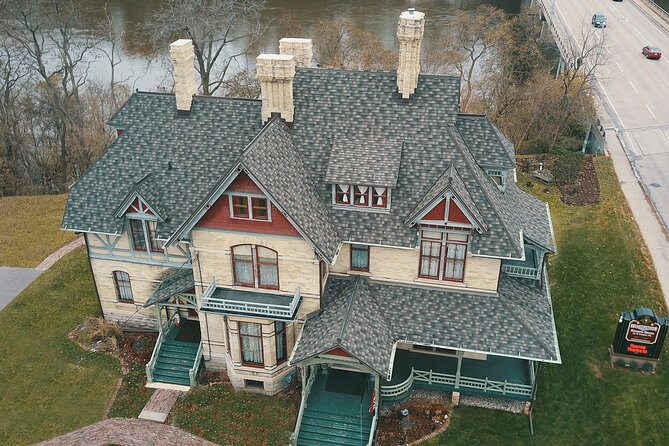
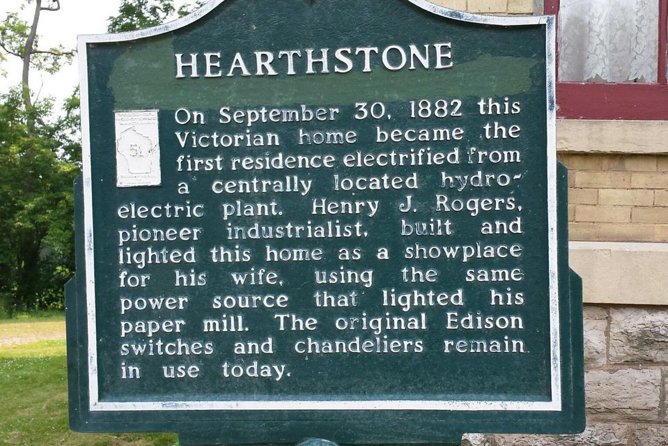
Hearthstone sits in Appleton, Wisconsin, and it’s built around a very specific idea: electricity didn’t just power machines. It lit homes, shaped industry, and changed how people lived. This is the setting for one of the biggest talking points tied to the house—Appleton was one of the first three cities worldwide to be lit by an Edison central power station, with the other two being New York and London.
The backstory runs through Henry J. Rogers. He invested in Edison’s power station to help light two paper mills and his home. That means when your guide points out electrical-era details, it isn’t random trivia. It’s part of a bigger local story about industry and “golden age” optimism.
Since becoming a museum in 1987, Hearthstone has focused on preserving the house and its artifacts to recreate a historical experience. The goal is education with a little theater in the best way—letting you see the physical evidence, then hearing what it meant.
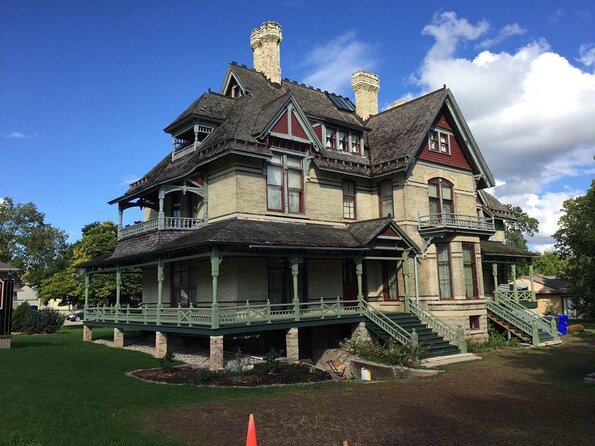
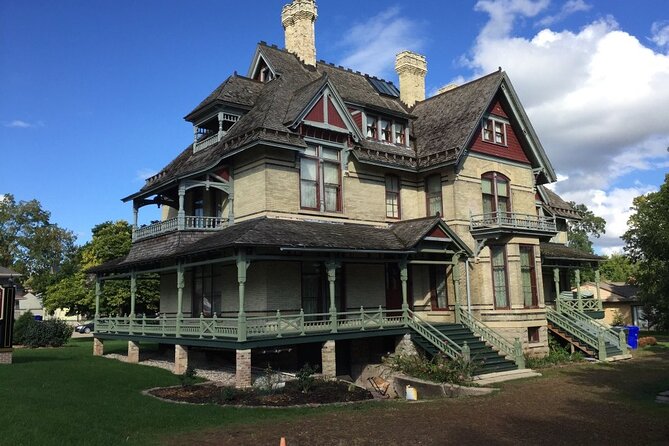
Expect a home that feels intentionally restored. You’re looking at period architecture and craftsmanship, not a generic museum room. Outside and inside, the attention to detail is part of the experience, and your docent uses that to build the narrative.
Ticket value: what $12 buys you in real time
At $12 per person, Hearthstone is priced like a small local museum stop that still punches above its weight. The ticket includes admission and a professional guide, and the visit runs about 1 to 2 hours. That time window matters: it’s long enough to see the key rooms and meaningful exhibits, but short enough to fit into a busy day around Green Bay and Door County.
You’ll also get a tour setup designed for conversation. The group size max is 15 travelers, which is the difference between hearing the docent clearly and getting swept up in the crowd. It doesn’t mean every room magically stays spacious, but it does help.
A practical plus: the tour is offered in English, and the ticket is mobile. Food and drinks are not included, so if you’re pairing this with other stops, plan on grabbing something before or after.
For the value math, the biggest “win” isn’t the price itself. It’s that the $12 includes a guided visit through a preserved mansion plus electricity-focused exhibits—so you’re paying for interpretation, not just entry.
Entering the mansion: how the guided tour actually feels
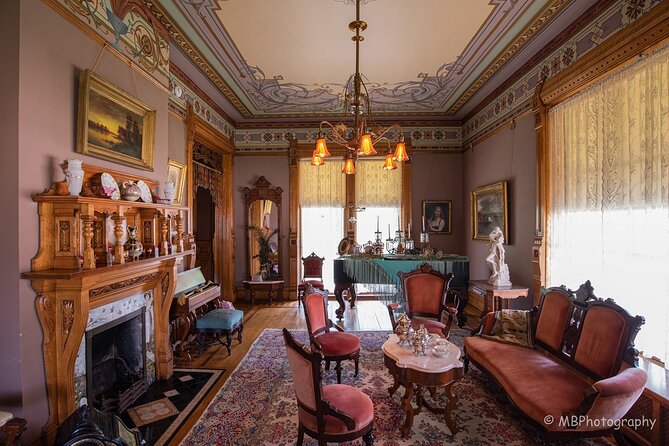
Inside Hearthstone, the tour format is simple: you follow your docent through the house and learn how the building, the family life, and the Edison-era themes connect. Your guide covers the house’s unique place in history, its architecture, and the families who lived there for over 100 years.
This is where the tour becomes more than a checklist. Instead of bouncing between disconnected facts, you get a storyline: what the electrical system meant, how everyday life worked, and what the rooms reveal about the people using them. That’s why the best moments aren’t just seeing an old switch—they’re understanding why it mattered in the first place.
The tour is led by trained docents, and you’ll likely feel how invested the guide is in the details. Reviews highlight guides such as George, Clare, and Lori for strong house-and-families storytelling. If you meet one of those lively guides, the mansion can start to feel less like a display and more like a time capsule with explanations.
One real consideration: in hotter weather, some rooms can get tight and warm, and groups may bunch in areas where hearing the guide is harder. If you prefer to hear every word, keep your position near where the docent stops to speak, and don’t be shy about shifting a bit as the tour moves.
Edison electroliers and light switches: the detail that makes it click
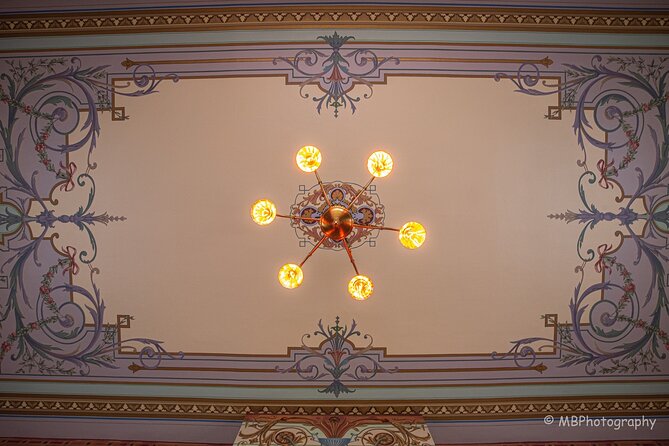
The headline for many people is the chance to see original Edison-era lighting artifacts—especially original Thomas Edison electroliers and light switches. These are the kinds of items that usually live behind glass, so seeing period electrical details in a house setting changes how you experience the story.
Here’s what I think makes this section valuable for you: it gives the Edison connection a physical anchor. You don’t just learn that central power existed—you see how it shows up in the design and layout of a real home.
During the tour, your guide ties this back to the broader Edison power story linked to Appleton. Since Rogers backed an Edison central power station for both industry (paper mills) and his home, electricity becomes part of daily life rather than a distant invention.
The house tour also points out features that made the home stand out for its era. One review notes the house had indoor plumbing and electricity used throughout the home—details that help you understand why this place gets called ahead of its time.
And if you’re an Edison-collector type, you may get extra electrifying moments from your guide. Reviews mention the excitement of hearing about an original Edison tubular phonograph, which is the kind of specific artifact that makes a visit feel more special than average museum hopping.
Electricity, Edison legacy, and hydroelectricity exhibits
After the main house rooms, the experience continues with exhibits tied to Edison, his inventive legacy, electricity, and the history of hydroelectricity at Hearthstone. This is a smart pairing. House tours alone can stay too “decorative.” Exhibit time adds the how-and-why.
You can expect sections that help connect the dots:
- Edison as an inventor and symbol of electric-era progress
- electricity as a concept and a system
- hydroelectricity as another key part of the power story
You’ll also find elements that go beyond pure viewing. One review specifically mentions hands-on exhibits, which is a good move for families and for anyone who learns best by doing rather than just watching.
In a 1 to 2 hour visit, you don’t want to rush. Instead, use your guide’s pacing. Let them point out the main ideas, then take a moment to look at the exhibit details that interest you most—especially anything that explains how power was generated and delivered.
Woodwork, architecture, and the people behind the rooms
Hearthstone is the rare museum where the craftsmanship isn’t background. Woodwork is a major part of the appeal, and multiple reviews call out the woodworking as amazing. That makes sense because the building itself acts like a teaching tool. The materials, the feel of the rooms, and the careful restoration all support the story your guide tells.
This is also where the tour earns extra points: it focuses on people, not just objects. Your docent talks about the families who lived there, and the tour doesn’t stop at the owners. Reviews mention attention to staff roles too, including a cook named Mary. That kind of detail helps you understand the house as a working home, not a staged display.
The best docents bring the setting to life with stories that connect rooms to real life rhythms. When guides like George, Clare, or Lori are in top form, you get that sense of being shown something important by someone who actually cares.
Architecture and antiques are part of the package as well. Expect to spend time appreciating how the house is kept and how the decorative elements reflect the era. If you like design and construction, this is the kind of stop that rewards slow looking.
Summer comfort: what to expect in a not-air-conditioned house
One of the most practical things to know is that Hearthstone is not air-conditioned. Reviews mention it can get hot, especially in summer or on humid days. That doesn’t mean it’s unbearable, but it does mean you should plan with comfort in mind.
The museum has fans in most rooms, and if you need a break, there are chairs available in at least some cases for people who have trouble standing for long periods. That’s a big deal for older visitors or anyone with limited mobility.
If you’re thinking about timing, choose a day when you can tolerate indoor warmth without being miserable. And don’t expect a tour that moves at a treadmill pace. A guided house visit works best when you can pause to take in details and let the docent finish a thought.
Christmas decorations and special seasons at Hearthstone
Hearthstone isn’t only about everyday electricity. During Christmas time, the mansion may be specially decorated, and reviews describe it as a noticeable shift from the standard look. One review highlights that the decorations can turn the whole visit into a different mood—same rooms, new atmosphere.
The museum also runs specialty tours and events throughout the year, including evening events. Even if you’re visiting for one trip only, it’s worth knowing that a holiday-season visit can add extra visual payoff.
If you’re someone who loves holiday themes and period interiors, this can be a great match. Just remember: seasonal decor adds to the experience, not to the museum fundamentals. You still get the Edison storytelling and house interpretation as the core.
Who should book this tour, and who should reconsider
Book Hearthstone if you like:
- Thomas Edison and the real-world impact of early electricity
- house museums with strong docent storytelling
- architecture and woodworking you can actually inspect
- history that stays grounded in objects, not just dates
It’s also a good fit for couples and friends who want a meaningful stop that doesn’t require a full half-day commitment. The 1 to 2 hour timeframe makes it easy to combine with other Appleton and Northeast Wisconsin plans.
Reconsider if:
- you hate hot indoor spaces, since the house is not air-conditioned
- you dislike standing tours, even though chairs are sometimes available
- you struggle when rooms get crowded and you can’t hear as well
This isn’t about fear or fragile logistics. It’s just about setting expectations so the tour feels comfortable rather than stressful.
My booking call: should you book Hearthstone?
Yes—if you want a guided house-and-exhibits experience where original Edison-era lighting and thoughtful docent storytelling are the point. The $12 price is strong value because admission isn’t just entry. You’re paying for interpretation in a preserved mansion setting.
If heat and crowding would ruin your day, pick a different season or plan your timing carefully. Otherwise, this is the kind of stop that leaves you looking at everyday electricity like it has a story behind it.
FAQ
How long is the Hearthstone Historic House Museum guided tour?
The guided tour and admission typically take about 1 to 2 hours.
What is included with the $12 ticket?
Your ticket includes admission to Hearthstone and a professional guide. Food and drinks are not included.
What Edison items will I see?
You’ll see original Thomas Edison electroliers and light switches, along with Edison-themed exhibits.
Are the exhibits only about Edison, or do they cover other power topics too?
The exhibits focus on Edison, his inventive legacy, electricity, and the history of hydroelectricity at Hearthstone.
Is the tour offered in English?
Yes, the tour is offered in English.
Can I get a full refund if my plans change?
Yes. You can cancel for free up to 24 hours in advance of the experience start time for a full refund.