REVIEW · BERLIN
Berlin Trabi Museum: Day Ticket
Book on GetYourGuide →Operated by Trabiworld Trabi-Safari · Bookable on GetYourGuide
Trabant history, in one stop. The Berlin Trabi Museum at Checkpoint Charlie turns the famous East German small car into a walk-through story, with 14 different vehicles to look at and a lightshow theater where you watch short films about the Trabant. You also get a feel for how the car lived different lives, from everyday versions to curiosities like camping or military models.
The trade-off is size. The museum is on the compact side, so if you want a huge, all-day museum marathon, you may find yourself done sooner than you expected.
In This Review
- Key things to notice before you go
- Why the Trabi Museum at Checkpoint Charlie is worth 1 day
- What you’ll see: the 14-vehicle display and how to use it
- From Rennpappe to Trabant legend: understanding what you’re looking at
- The theater show and the miniature GDR world
- Behind the wheel: the Trabi Safari and your route choices
- Location and meeting point: Checkpoint Charlie area logistics
- Price and value: is $10 a good deal for a 1-day ticket?
- Who should book this Trabi Museum (and who might not)
- Should you book Berlin Trabi Museum?
- FAQ
- Where is the meeting point?
- How much does the Berlin Trabi Museum Day Ticket cost?
- How long is the experience?
- What’s included with the ticket?
- What languages are available?
- Does it include a lightshow theater?
- How many vehicles will I see?
- Is there a miniature GDR world?
- Can I get behind the wheel or do a Trabi Safari?
- Is the activity wheelchair accessible?
Key things to notice before you go
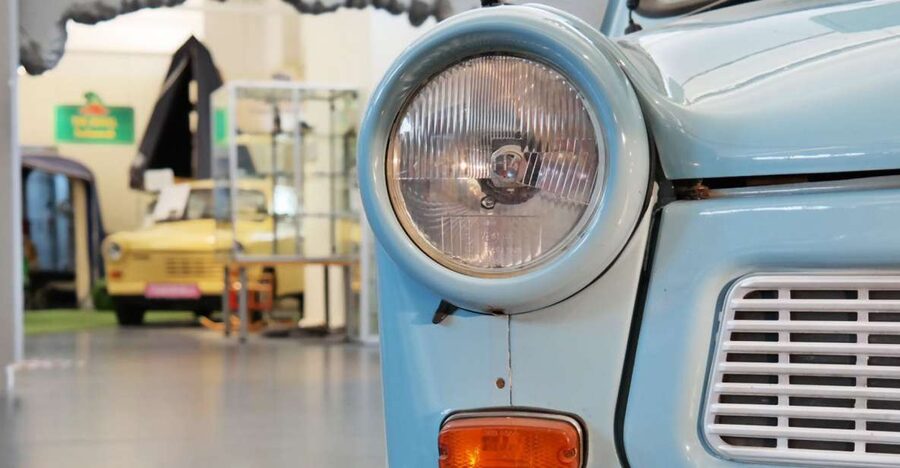
- Checkpoint Charlie location: You’re viewing GDR-car history in one of Berlin’s most loaded historic zones.
- Fourteen Trabis in one visit: The display is built around variety, not just one or two models.
- Stages and uses of the Trabant: You’ll see how the car developed and how it was used beyond basic city driving.
- Rare tech and odd versions: Look for the Trabant P70 with a wooden undercarriage and the fastest Trabi.
- Lightshow theater + miniature GDR world: The indoor portion gives context through films and a scale model world.
- Behind-the-wheel moments: You can get behind the wheel and go on a Trabi Safari on your chosen route.
Why the Trabi Museum at Checkpoint Charlie is worth 1 day
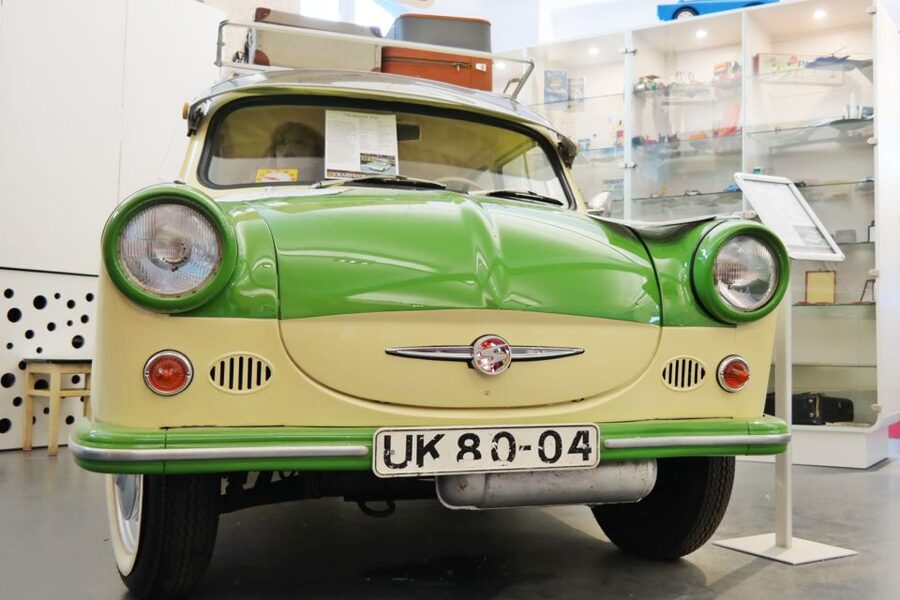
Berlin has a talent for mixing big history with small objects, and the Trabi fits that theme perfectly. This museum takes the Trabant, a car many people associate with the former GDR, and breaks it into something you can actually see up close: models, variations, and purpose-built versions.
I like that it isn’t just a static photo gallery. You walk through the story of the car—how it was produced and how it changed over time—and the museum adds motion and atmosphere with films in the theater and a miniature GDR world to help you picture the setting.
There’s also a practical reason this works for a short visit: it’s designed as a one-day ticket experience. You’re not trying to fill a whole day with a sprawling museum campus. It’s a focused stop you can slot into a Berlin route without sweating your schedule.
A few more Berlin tours and experiences worth a look



What you’ll see: the 14-vehicle display and how to use it
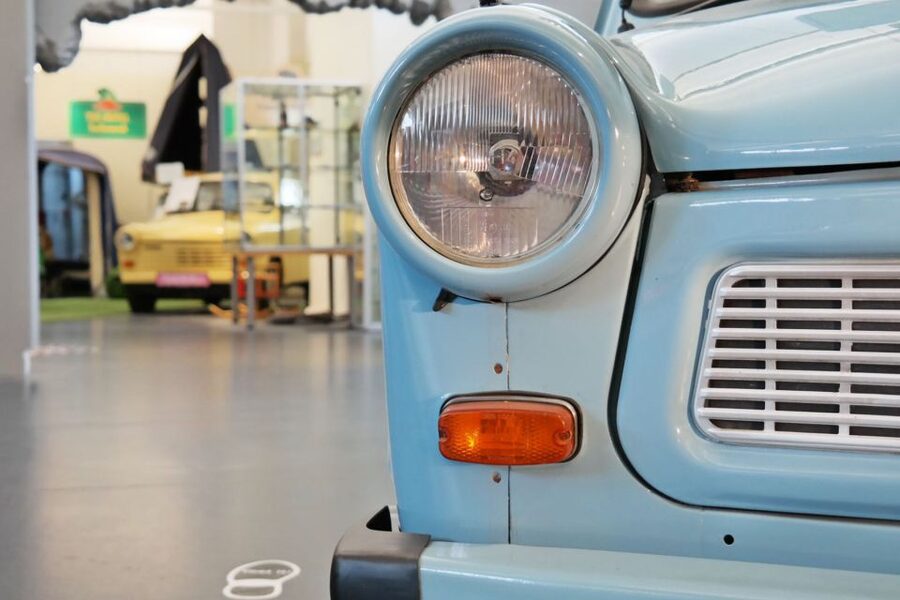
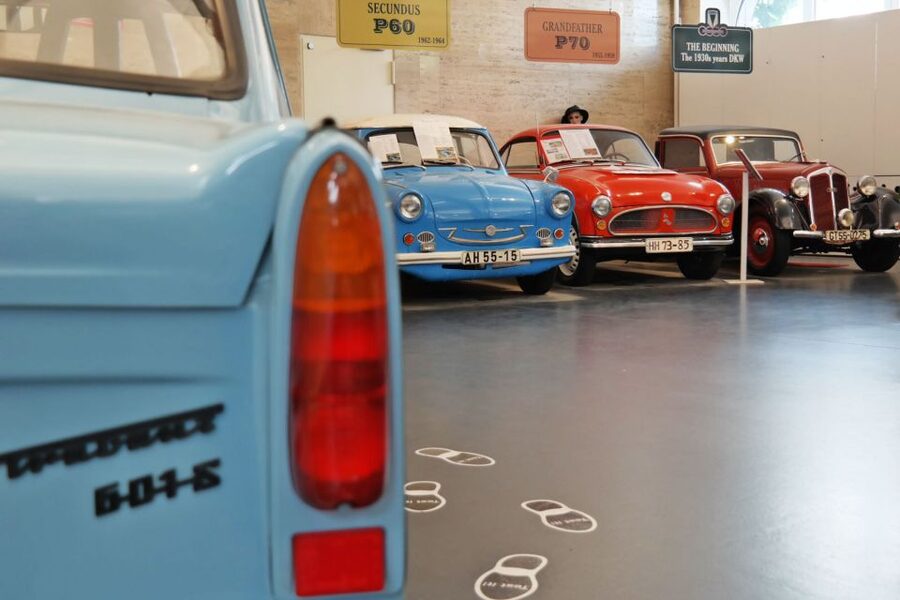
The main pull is the lineup of 14 different vehicles. That number matters because it means you’ll likely spend more time comparing versions than just ticking off one impressive model. Expect to spot differences that reflect different periods and different uses of the Trabant.
Here’s how I’d approach the display so you get real value:
- Start by scanning the vehicles quickly, then go back for the details. The museum is built around stages of development, so a second pass makes those differences click.
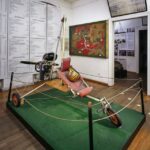
- Look specifically for the rarities called out in the experience description: the Trabant P70 with a wooden undercarriage and the fastest Trabi. Those are the kind of items you’ll remember later when you tell friends what you saw.
- Pay attention to how the Trabant shows up in different roles. The museum includes versions used for things like camping and military purposes, which helps explain the car as a tool, not just a symbol.
One small caution based on how the museum feels in person: the experience may come across as more “collection-focused” than “institution-sized.” So set expectations that you’ll be moving efficiently and looking closely, not wandering for hours.
From Rennpappe to Trabant legend: understanding what you’re looking at
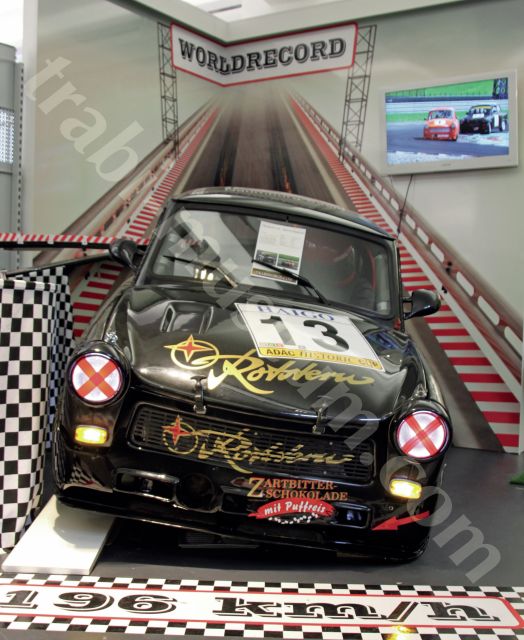
The museum connects the Trabant to its production story, including the fact that the Rennpappe went into production in 1958 at VEB Automobilwerk Zwickau. That detail is more useful than it sounds. It gives you a starting point for everything else you’ll see, especially when you’re comparing vehicle “generations” or unusual variations.
As you move through the exhibits, you’re essentially studying the Trabant as the former GDR’s peoples’ car. The museum layout is designed to help you understand how it evolved and how it fit everyday life. That’s where the history becomes practical for you as a visitor: you start to see why certain features mattered, and why certain versions would exist at all.
If you’re the kind of person who likes car design, production context, and social history mixed together, this is one of those stops where you’ll get more out of it just by slowing down for a minute. Even if you don’t read every label, the progression and the range of vehicles give you enough structure to follow the story.
The theater show and the miniature GDR world
The experience includes a lightshow theater where you watch short films about the Trabant. This matters because cars are visual, but history needs pacing. The theater gives you a timed narrative so the exhibits don’t feel like disconnected objects.
After the films, the museum brings things into scale with a miniature GDR world. I love these scale-model areas because they help you connect the vehicles to place and environment. It’s not just a car museum anymore. You get a sense of how the Trabant fit into the visual language of daily life in the GDR.
One way to get the most from this part: don’t treat it like filler. After you’ve seen a handful of vehicles, step into the theater and then look back at the exhibits with those film details in mind. The whole visit becomes a loop of seeing and understanding.
Behind the wheel: the Trabi Safari and your route choices
One of the most fun parts is the chance to get behind the wheel and experience a Trabi Safari. The description says you can go through the East or West, along the former wall, or on any route you choose.
I’m pointing this out because it changes the museum from a purely observational experience into something active. You don’t just admire Trabis—you connect with what it might have felt like to move around in that world, at least in a guided, museum-style way.
How to think about it: treat the safari as your “memory anchor.” If the indoor exhibits start blending together, the safari is the moment that turns the history into a physical sensation—motion, route, and the feeling of being in a Trabant environment.
You can also read our reviews of more museum experiences in Berlin





Location and meeting point: Checkpoint Charlie area logistics
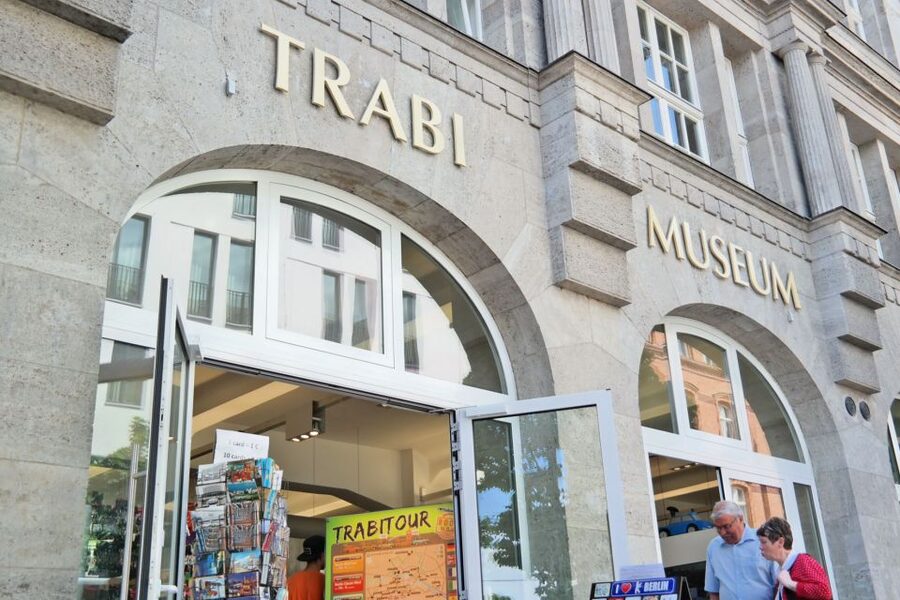
You’ll meet at Zimmerstraße 14–15, 10969 Berlin. If the door is closed, cross the street and find TrabiWorld on the left at Zimmerstraße 97–100.
This is one of those setups where a little attention saves time. The area around Checkpoint Charlie can feel busy, and a closed door can make you second-guess yourself. Use the street addresses as your anchor and you’ll be fine.
Also, the experience includes skip the ticket line, which helps a lot when you’re fitting this into a day of Berlin sights. Plan to arrive a bit early so you can settle in and start without stress.
Price and value: is $10 a good deal for a 1-day ticket?
At about $10 per person for entry to the Trabi Museum, this is priced like a practical add-on rather than a big-ticket attraction. That’s exactly how it often works best: it’s affordable enough that you can include it even if you don’t plan your whole day around it.
Where the value shows is in the mix of elements:
- Fourteen vehicles for a short visit
- A lightshow theater with short films
- A miniature GDR world
- Optional-feeling fun like getting behind the wheel and going on a Trabi Safari
If you want a massive museum with endless rooms, you might feel you’re paying for a compact experience. But if you want a focused, distinctive Berlin stop with strong variety, $10 feels fair—especially since it keeps your day flexible.
One more value check from the rating pattern: it scores 4.1 out of 5 across 63 reviews. The best feedback points to the vehicles themselves being genuinely fun to see, and the main negative theme is that the museum can feel small.
Who should book this Trabi Museum (and who might not)
This is a great fit if you:
- Like cars and want to see Trabants in different versions, not just one famous model
- Want an easy 1-day cultural stop near Checkpoint Charlie
- Enjoy museums that mix objects with short film storytelling and a scale model world
- Would enjoy hands-on moments like getting behind the wheel and doing a Trabi Safari
You might skip it (or at least lower expectations) if you:
- Need a huge museum experience where you can easily spend half a day or more in one place
- Expect a deep, multi-hour academic style presentation beyond short films and exhibits
In plain terms: this works best as a fun, compact visit that adds personality to your Berlin day rather than a full-day replacement for a major museum.
Should you book Berlin Trabi Museum?
I’d book it if you want something uniquely Berlin that’s also manageable. The combination of 14 vehicles, the theater films, and the chance for a Trabi Safari makes it more than a standard museum stop—and the price keeps it low-risk.
If you’re the type who needs lots of space and time, do yourself a favor and treat it as a short highlight, not the centerpiece of your whole day. Go with curiosity, focus on the rarities like the wooden-underbody P70 and the fastest Trabi, and then let the theater and mini-world put it all into context.
FAQ
Where is the meeting point?
The meeting point is at Zimmerstraße 14–15, 10969 Berlin. If the door is closed, cross the street and find TrabiWorld on the left at Zimmerstraße 97–100.
How much does the Berlin Trabi Museum Day Ticket cost?
It costs about $10 per person.
How long is the experience?
The ticket is valid for 1 day.
What’s included with the ticket?
The ticket includes entry to the Trabi Museum.
What languages are available?
The host or greeter is available in English and German.
Does it include a lightshow theater?
Yes. You can take a seat in the lightshow theater and watch short films about the Trabant.
How many vehicles will I see?
The museum features 14 different vehicles.
Is there a miniature GDR world?
Yes. You can visit the miniature GDR world during your visit.
Can I get behind the wheel or do a Trabi Safari?
The experience description says you can get behind the wheel and go on a Trabi Safari, with routes including through East or West, along the former wall, or any route you choose.
Is the activity wheelchair accessible?
Yes, it is wheelchair accessible.