REVIEW · BERLIN
Your ticket to The Wall Museum Berlin
Book on Viator →Operated by The Wall Museum · Bookable on Viator
Berlin remembers, and this museum shows how. The Wall Museum Berlin uses a multimedia timeline to walk you through the Berlin Wall’s story from 1945 to 1990, and it’s built as a focused stop rather than a long museum marathon. I also like how simple the setup is: you get a mobile ticket, English is offered, and most visits fit into about an hour.
One thing to keep in mind is that the experience relies on screens and video-style elements. One review noted monitors not working, so if you’re the type who needs every display to be perfect, go in with flexible expectations.
In This Review
- Key highlights at The Wall Museum Berlin
- Why The Wall Museum is worth your 60 minutes
- What you’ll actually see: the Wall’s timeline from 1945 to 1990
- The self-guided format: how to get more from it
- Price and value: is $12 a fair deal?
- Timing your visit near public transportation
- What the mixed reviews are really telling you
- Who should book The Wall Museum Berlin (and who might not love it)
- Quick practical tips for a smoother visit
- Should you book? My honest recommendation
Key highlights at The Wall Museum Berlin
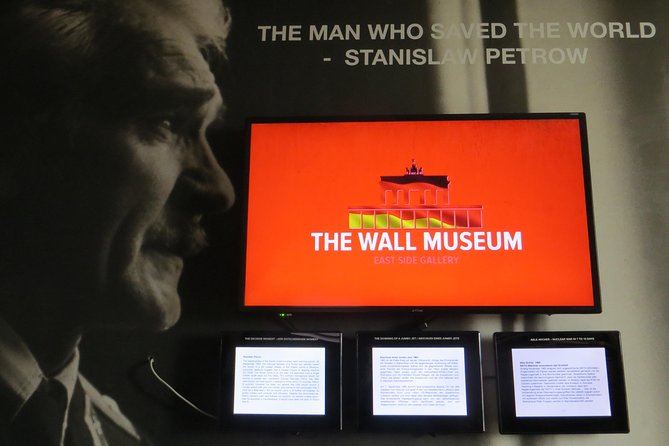
- Full Wall story (1945–1990) in one place, in a way that’s easy to follow
- Multimedia format that supports the emotional weight of the subject
- Self-guided pace that lets you spend more or less time where you want
- Mobile ticket convenience and a visit that fits a busy Berlin day
- Good value at about $12 for a short, structured experience
Why The Wall Museum is worth your 60 minutes

If your Berlin trip includes the Wall and East Side Gallery area, this is a smart add-on that helps the pieces click. The Wall Museum Berlin focuses tightly on the Berlin Wall story, covering the period from 1945 through 1990. Instead of scattering facts across different stops, it’s set up as one continuous “what led to what” experience.
The multimedia approach matters. Not every museum visitor wants to read dense panels for an hour. Here, you’re guided through key moments using media elements, so you can keep moving while still feeling the timeline. I like that it’s designed for both Berlin visitors and Berliners, which usually means the content aims to be clear, not just local.
The other reason I think it works is the time box. You’re looking at roughly 45 minutes to 1 hour, so you can fit it between other sights without feeling rushed or trapped.
A few more Berlin tours and experiences worth a look



What you’ll actually see: the Wall’s timeline from 1945 to 1990
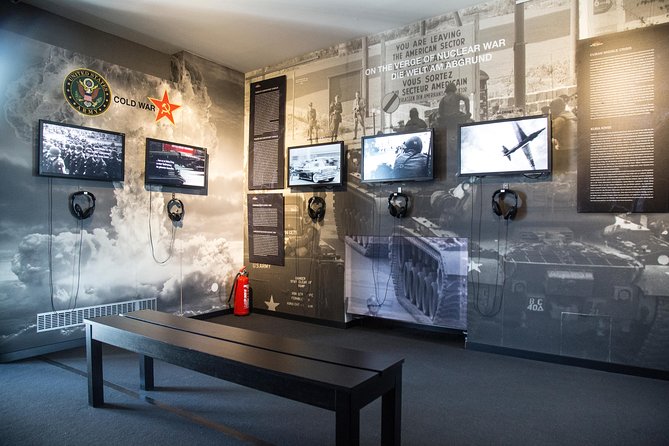
Your main stop is The Wall Museum itself. It opened in 2016 and is presented as the first and only Wall museum that tells the Wall’s complete story. That claim isn’t just marketing fluff to me—it’s reflected in the way the content is framed: you’re not dealing with random exhibits, you’re following a specific arc.
Expect a journey through time that runs from the aftermath of World War II era up to the Wall’s fall in 1990. That timeframe is the backbone of the visit, so even if you only catch certain sections deeply, you’ll still get the overall flow. This is especially helpful if you’re bouncing between Berlin’s big historical sites and want a “timeline anchor.”
You’ll also see the museum positioned as both multimedia and emotional. That doesn’t mean it’s a theater show the whole time. It means you’ll likely hit moments where visuals and presentation are meant to carry weight, not just deliver facts.
The self-guided format: how to get more from it
This visit is self guided, which is a double-edged sword. On the good side, you control your pace. If you want to zoom through what you already know, you can. If something hits you and you need a few extra minutes, you can slow down.
On the other side, self guided means there’s less built-in help if you’re trying to connect everything. One review called out the lack of a guide-style context, and another mentioned some monitors not working. So my advice is simple: don’t treat the museum like a background activity.
Instead, do a quick mental approach when you start:
- Look for the section transitions that mark changes across the years
- Pause when the story shifts, not when you’re tired
- If a screen or monitor seems broken, move on without spiraling into frustration
The museum is only around an hour, so you’ll want your attention to land at the key points rather than getting stuck in one dead end.
Price and value: is $12 a fair deal?
At about $12.02 per person, this is priced like a “smart stop” rather than a big-ticket attraction. For a visit that typically lands between 45 minutes and 1 hour, that can be a very good value—especially if you’re the type who likes structured context before or after seeing other Wall-related places.
The best way to judge value here is not just cost, but cost per understanding. A short, timeline-driven museum can save you from spending hours chasing scattered information across Berlin. If this helps you connect the events leading up to the Wall and its eventual fall, then you’re buying clarity, not just an hour inside a building.
Still, reviews are mixed, and that matters. The average rating sits at 3.1 based on 60 reviews. That suggests the museum delivers for some people but not every detail is landing for everyone. If you’re very sensitive to outdated equipment or technical problems, you might feel that more than others.
Timing your visit near public transportation
The museum is near public transportation, which is a big deal in Berlin where you’ll likely be switching transit lines all day. A 45-to-60 minute slot is easy to plan into morning sightseeing or a late afternoon history break.
Because it’s self guided, you don’t need to match a guide schedule. You’re also using a mobile ticket, so you can keep things light in your day plan—no need to hunt for printed tickets.
One practical note from how these places usually work: start when you can focus. The topic deserves attention. If you’re already tired from a long walking day, consider doing this earlier rather than at the end when your brain wants shortcuts.
You can also read our reviews of more museum experiences in Berlin






What the mixed reviews are really telling you
The overall rating is modest, so it’s worth reading between the lines of the complaints and praise.
The positive feedback points to two strong outcomes:
- The content is interesting and informative
- The visit feels worth the money and manageable at about an hour
That lines up with the museum’s format and the time window you’re buying.
The negative feedback is mostly about presentation and reliability. One review mentioned some monitors weren’t working, which can interrupt the flow in a multimedia museum. Another complaint described outdated screens and poor quality displays, along with general disappointment about the experience environment and structure.
Here’s the balanced takeaway I’d give you: you’re buying a multimedia timeline experience, so tech matters. If the screens work, you’ll likely feel the museum does its job. If things don’t, the museum can still be valuable, but your experience may feel less polished than the concept promises.
Who should book The Wall Museum Berlin (and who might not love it)
I think this is a good fit if:
- You want Wall context in a single, focused visit
- You prefer a structured timeline that you can do in about an hour
- You can handle a self guided setup without needing a live guide
It might be a weaker fit if:
- You expect a high-production, always-functioning multimedia show
- You want staff-led narration or heavy interpretive support
- You’re especially bothered by broken or outdated screens
Also, if you’re traveling with someone who only wants the “big famous moments,” this museum might still work, because it’s anchored to a period from 1945 to 1990. But you’ll want to be intentional and spend a bit of time where the timeline changes.
Quick practical tips for a smoother visit
Based on the format and the feedback, a few small choices can make your hour better:
- Bring a phone with your mobile ticket ready so entry is quick and calm.
- Plan for English content, since English is offered (that’s what you’ll want if you’re not comfortable with German-only explanations).
- If you notice a monitor problem, move on rather than waiting—you’ll lose time in an experience that’s already short.
- Aim to go at a moment when you’re able to pay attention. The museum’s value depends on you following the story, not just passing through it.
Service animals are allowed, and the visit is described as one that most travelers can participate—so for many people, it’s a straightforward add-on.
Should you book? My honest recommendation
I’d book The Wall Museum Berlin if you want a compact, timeline-based way to understand the Berlin Wall, and if you’re okay with self-guided multimedia. At roughly $12 for about an hour, it’s the kind of historical stop that can make your bigger Berlin itinerary feel less random.
I would pause before booking only if you’re highly equipment-sensitive—because at least one review points to monitors not working, and criticism also mentions outdated display quality. If you can accept that possibility and focus on the overall timeline, you should still get value.
If your priority is “clear context fast,” this is a good match. If your priority is a perfectly polished, staff-led museum experience, you may find it frustrating.