REVIEW · BERLIN
DDR Museum Berlin Admission Ticket
Book on Viator →Operated by DDR Museum Berlin GmbH · Bookable on Viator
East Berlin, minus the time machine. The DDR Museum Berlin turns socialist-era history into a walk-through of real-feeling rooms, TV propaganda clips, and hands-on moments that help you understand daily life in East Germany from 1949 to 1989.
What I like most is the interactive setup. You’re not just reading panels; you’re trying things.
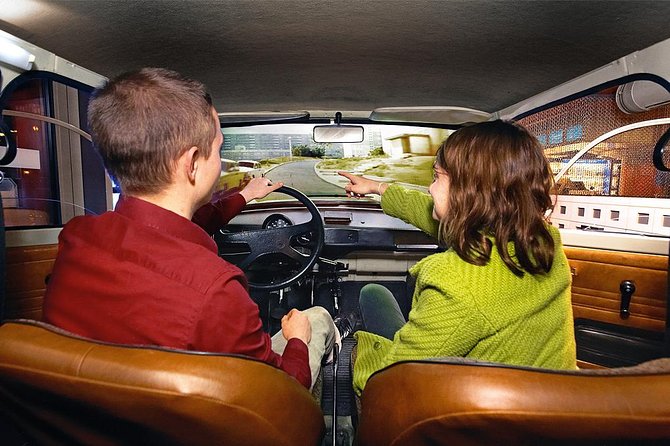
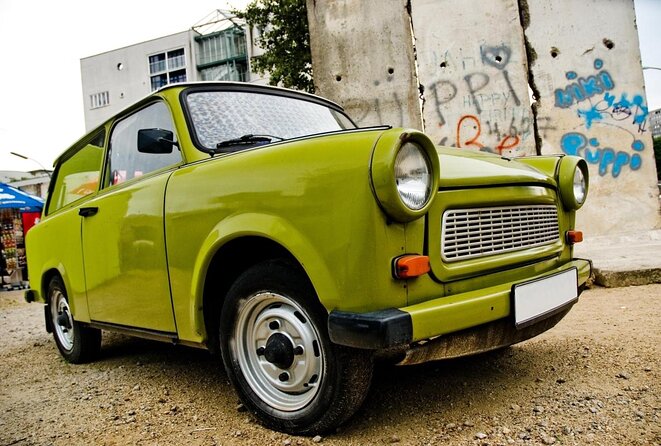
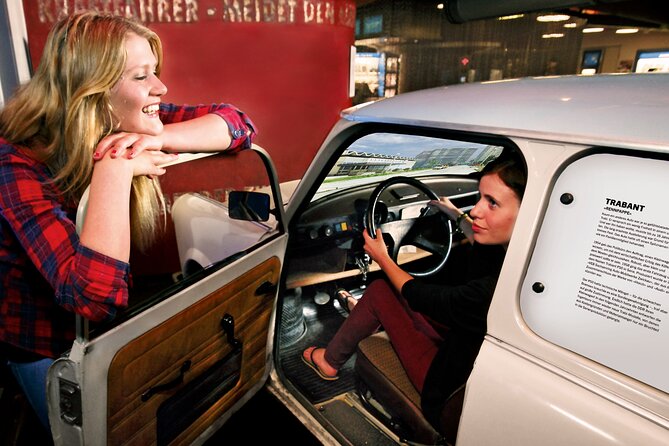
I also really enjoyed the Trabant-focused experience. Sitting inside the classic East Bloc car makes the era feel tangible, and it connects neatly to the broader story of housing, work, and control.
The museum also uses a layout that moves you through multiple parts of life, not just one themed corner.
One thing to factor in: the museum is small, so it can get crowded and feel tight. On top of that, it’s reported to run hot with no A/C, which can cut a visit short if you’re sensitive to heat.
In This Review
- Key highlights to know before you go
- DDR Museum Berlin ticket: what the experience is really like
- Getting there fast: opposite Berlin Cathedral, on Karl-Liebknecht-Str.1
- Your walkthrough: reconstructed homes, TV propaganda, and the real texture of daily life
- The Trabant exhibition: why that car matters to the whole story
- Virtual GDR housing estate and the apartment reality check
- Stasi interrogation-style moment: history with an edge
- Socialist Union Party and GDR politics: elections you can picture
- Timing matters: crowds, heat, and how to protect your visit
- Price and value: is the $16.26 ticket worth it?
- Who should book (and who might skip)
- Should you book DDR Museum Berlin admission?
- FAQ
- Where is the DDR Museum Berlin located?
- How long should I plan to spend?
- What’s included with the admission ticket?
- Is the ticket valid in English?
- Can I pick a date and time?
- What are the opening hours?
- Is the museum near public transportation?
- What is the cancellation policy?
Key highlights to know before you go
- Reconstructed East German living spaces help you picture what everyday life actually looked like
- Trabant car exhibition adds a memorable, tangible anchor to the story
- Hands-on experiences go beyond reading, including mock apartments and interactive displays
- Stasi interrogation-style experience adds a darker, high-stakes layer to the era
- A virtual housing estate tour helps connect rooms to real neighborhoods
- Exit through a Berlin Wall hole gives the visit a punchy final moment
DDR Museum Berlin ticket: what the experience is really like
If you like museums that teach by doing, this one fits. DDR Museum Berlin is built for short attention spans and big curiosity at the same time, with recreated interiors and interactive displays that explain how the socialist system shaped everyday choices.
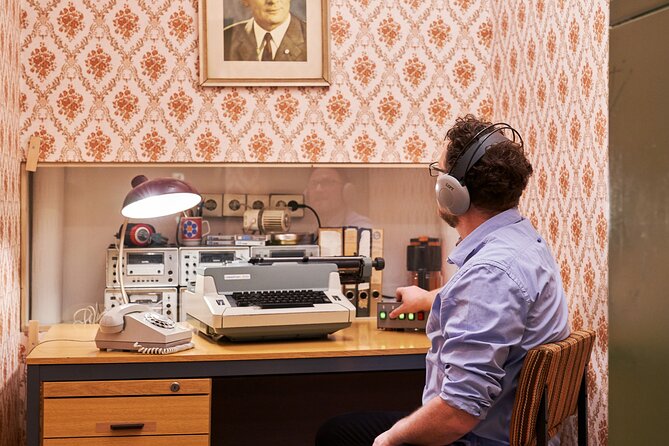
The museum covers decades in a way that feels approachable. You walk through a sequence of spaces that represent daily routines, from apartments and household objects to public life and the political machinery behind it. You’ll also see media elements, including TV screens playing propaganda-style content as you move room to room.
The building is not huge, which is part of the appeal and part of the risk. You’ll likely finish in about an hour to two hours, but if it’s packed, you’ll be navigating people more than exhibits.
A few more Berlin tours and experiences worth a look


Getting there fast: opposite Berlin Cathedral, on Karl-Liebknecht-Str.1
Location matters here because you’re aiming to start your visit smoothly and avoid time lost wandering. The DDR Museum is in central Berlin at Karl-Liebknecht-Str.1, and it’s conveniently opposite Berlin Cathedral.
It also sits near the central core of the city by the River Spree, so it’s easy to pair with other sights nearby. The museum is also described as being near public transportation, which is what you want in Berlin—less logistics, more museum time.
Plan to arrive close to your time slot so you can settle in without rushing. If you’re traveling with kids, this is even more important since interactive spaces work best when you’re not racing against your own schedule.
Your walkthrough: reconstructed homes, TV propaganda, and the real texture of daily life
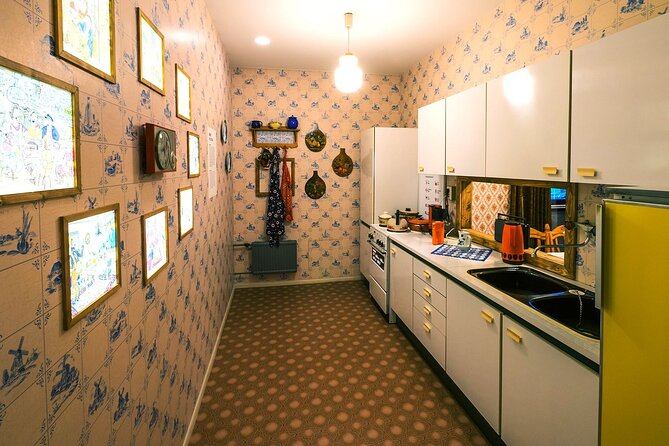
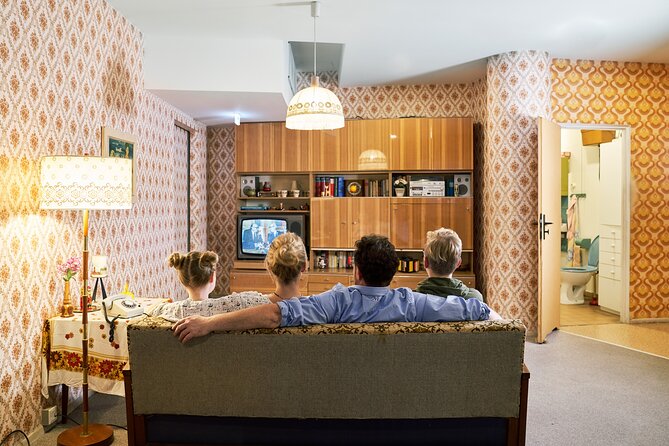
This museum’s strongest trick is its use of replicas that feel like you’ve stepped into a typical East German interior. As you enter, you’re essentially placed into the world the museum describes—so you move through spaces like an inhabitant, not a visitor scanning from far away.
Expect to see multiple reconstructed rooms, including an East German living room setup and details like a cupboard recreation, plus kitchen appliances that represent what daily life could look like. You’ll also encounter televisions playing programming and propaganda, which helps explain how state messaging reached people in their homes.
If you’re wondering what kind of “hands-on” means here, it’s not a single gimmick. It’s lots of small interactive moments spread across the visit—enough to keep things moving, even when you’re with children.
That said, the museum’s information style leans heavily on what you read and examine up close. If you prefer very little text and lots of spectacle, you might find yourself moving through some sections faster than others.
The Trabant exhibition: why that car matters to the whole story
The Trabant exhibition is one of the easiest highlights to remember later. The museum treats it as more than a vehicle on display—it’s a symbol of East Bloc everyday movement and the limits people navigated.
You can climb aboard and get a close feel for the car. There’s also video support that shows everyday scenes, plus a virtual tour approach that connects the Trabant to broader life in GDR housing estates.
For many visitors, that makes the museum feel less abstract. It turns history from an argument into something you can picture in motion: commuting, errands, street life, and the everyday compromises that come with limited choices.
If you’re traveling with kids, the Trabant area tends to be a natural “pause point.” It’s visually clear and interactive without requiring long attention spans.
Virtual GDR housing estate and the apartment reality check
After you’ve got a handle on one interior space, the museum expands the idea of home into something wider. The virtual tour of a GDR housing estate helps you see the bigger picture: not just one perfect room, but how housing fit into the system.
This is also where the museum’s design logic shows. It takes the scale down to personal space (your kitchen, your living room) and then moves out to neighborhood life. That makes it easier to understand why control and shortages weren’t just political ideas—they were experienced in daily routines.
One practical note: since the museum is compact, you’ll often be close to other groups while exploring. If you want more time to watch screens or read carefully, timing really matters. (More on that below.)
You can also read our reviews of more museum experiences in Berlin





Stasi interrogation-style moment: history with an edge
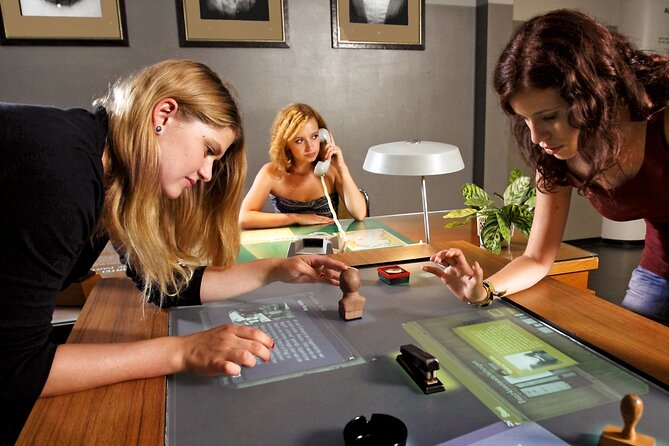
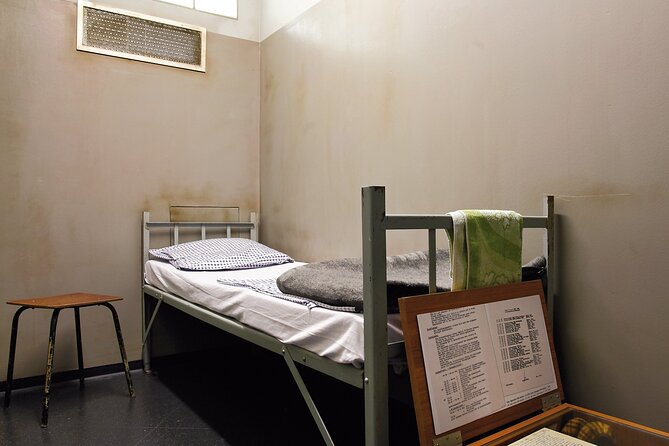
The museum includes a Stasi interrogation experience, which changes the tone. Up to this point, you’ve learned about homes, objects, and everyday settings. This section brings the reality of surveillance and power into focus.
Even if you’re not a hard-core history person, this part gives the museum an important emotional weight. You’re not just learning “what was different,” you’re seeing how the system could reach into people’s lives.
It’s also a good reminder that socialist rule wasn’t only about daily routines; it was enforced. That mix—ordinary rooms plus coercive institutions—is a key reason this museum works.
If you’re bringing younger kids, you may want to briefly screen their comfort level with darker themes before entering. The museum aims for broad appeal, but the Stasi angle is real and can feel intense.
Socialist Union Party and GDR politics: elections you can picture
The political story is presented through exhibits that connect ideology to practical behavior. You’ll learn about the Socialist Union Party and see how the museum frames Berlin’s turbulent past.
There’s also a moment built around participation—like voting in a GDR election—which helps you understand how politics was structured to produce specific outcomes.
This is where the museum feels most “educational,” but it still tries to keep you moving. Rather than a long lecture, it turns political life into something you can follow inside the exhibit flow.
If you’re the type who likes to connect history to real mechanisms—how systems shape daily decisions—you’ll probably enjoy this section more than you expect.
Timing matters: crowds, heat, and how to protect your visit
The DDR Museum Berlin can be very crowded, especially when families are out and the museum feels packed into a small footprint. When that happens, it’s harder to linger at interactive stations or read in peace.
The most practical upgrade you can make is choosing a quieter time slot. Going earlier in the day or later in the day can help, since the museum stays open long hours (up to 9:00 PM).
Heat is another issue that can affect your experience. It’s been described as extremely hot inside, with no A/C. If you’re visiting in warm weather or you’re someone who gets uncomfortable quickly, plan your pacing. Take breaks, drink water outside if you need to, and don’t feel bad shortening your visit if you’re physically not enjoying it.
A simple strategy: treat it like a smart one-hour-to-two-hour sprint. See the main rooms, do the interactive highlights, then decide whether you want to slow down for reading.
Price and value: is the $16.26 ticket worth it?
At $16.26 per person, this ticket lands in the range where you can justify it as a serious stop, not a gamble. The value comes from the number of distinct spaces you get to walk through in one visit: reconstructed home interiors, propaganda-style media, Trabant highlights, a virtual housing estate concept, and a Stasi interrogation-style area.
Is it a huge museum? No. But the ticket price matches the scale. You’re paying for an efficient, themed walk-through that gives you a strong sense of how life was lived, not just how it was debated.
Where value can drop is when you’re stuck in a crowd or if you expected more “interactive play” than what the museum actually offers. Some interactive moments are very hands-on, while others are interactive in a softer way (you read, you inspect, you participate within an exhibit format).
If you’re excited by hands-on museum design and you want a focused Berlin history stop, this ticket usually feels fair.
Who should book (and who might skip)
This is a great fit if:
- you want an interactive history stop rather than a pure gallery
- you have kids who like button-pushing, replica rooms, and car-related exhibits
- you want a compact museum you can do in about 1–2 hours
It might be less ideal if:
- you hate crowds and need lots of personal space to read and linger
- you’re very sensitive to heat, especially since there’s no A/C noted
- you prefer huge museums with lots of space and long, slow pacing
For most people, it’s worth planning around your comfort level. The museum’s best moments are easier to enjoy when you’re not shoulder-to-shoulder in every room.
Should you book DDR Museum Berlin admission?
I’d book it if you want a memorable Berlin stop that turns East German life into something you can see, touch (where allowed), and picture. The mix of reconstructed living rooms, the Trabant focus, and the Stasi-style interrogation scene makes the experience feel complete in a short time.
I’d think twice only if you’re someone who gets stressed by crowds or you’re visiting during peak family hours and hot weather. If you can pick a calmer time slot, the museum is a smart use of a morning or afternoon.
In short: for many visitors, the value comes from how much story you can absorb in 1–2 hours without needing a long tour group.
FAQ
Where is the DDR Museum Berlin located?
It’s at Karl-Liebknecht-Str.1, opposite Berlin Cathedral in central Berlin.
How long should I plan to spend?
Plan on about 1 to 2 hours.
What’s included with the admission ticket?
Your ticket includes DDR Museum admission. Food and drinks are not included.
Is the ticket valid in English?
Yes, the experience is offered in English.
Can I pick a date and time?
Yes. You choose your date and time slot to match your schedule.
What are the opening hours?
From 04/01/2023 to 02/03/2027, the museum is open Monday through Sunday from 9:00 AM to 9:00 PM.
Is the museum near public transportation?
Yes. It’s described as being near public transportation.
What is the cancellation policy?
Free cancellation is available. You can cancel up to 24 hours in advance for a full refund; within 24 hours, no refund is offered.