REVIEW · BERLIN
Berlin: Disgusting Food Museum Entry Ticket and Tasting
Book on GetYourGuide →Operated by Disgusting Food Museum Berlin · Bookable on GetYourGuide
Berlin’s weirdest snack test is indoors.
The Disgusting Food Museum in Berlin turns food cringe into a hands-on way to think about culture and nutrition, and you’ll see more than 90 exhibits showing the foods people label disgusting. I love the sheer range on display and the chance to react in real time at the Tasting Bar, because the food theme is playful but the questions behind it are serious. One possible drawback: some content and smells may feel uncomfortable, especially if you’re squeamish about intense odors.
You can do this in a single day, and it works for adults and kids who are curious about food facts without taking things too solemnly. The museum also builds in moments to consider today’s food choices and what they could mean later, so it’s not just a look-and-leave stunt. Still, if you want a quiet, traditional museum experience, this one isn’t that.
In This Review
- Key things to know before you go
- What the Disgusting Food Museum in Berlin Really Feels Like
- Ticket Value: Paying $20 for 90 Exhibits and Tastings
- How the 90+ Exhibits Work: From World Foods to Nutrition Questions
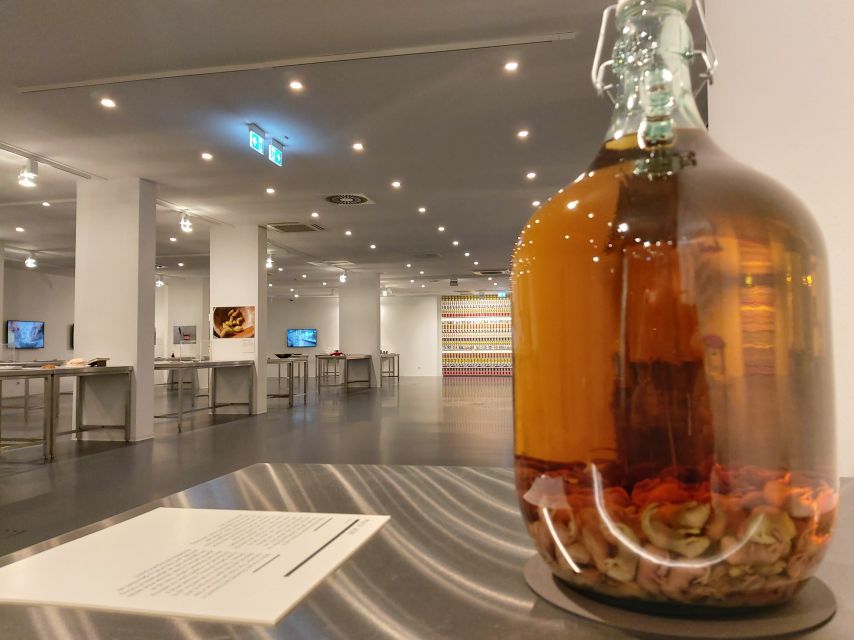
- Mouse Wine to Worms: The Tasting Bar Strategy That Helps
- The Hall of Disgusting Foods: Why People Talk About the Challenge
- Food, Preferences, and the Future: What the Museum Makes You Think About
- Who Should Go (and Who Should Plan a Soft Exit)
- Practical Tips for Planning Your Day at Disgusting Food Museum Berlin
- Should You Book This Disgusting Food Museum Experience?
- FAQ
- What is included with the Disgusting Food Museum Berlin ticket?
- How many exhibits does the museum have?
- How long is the experience?
- Do I have to book a specific time?
- What should I bring with me?
- Is the museum wheelchair accessible?
- Is transportation included?
- Is the content always comfortable?
Key things to know before you go
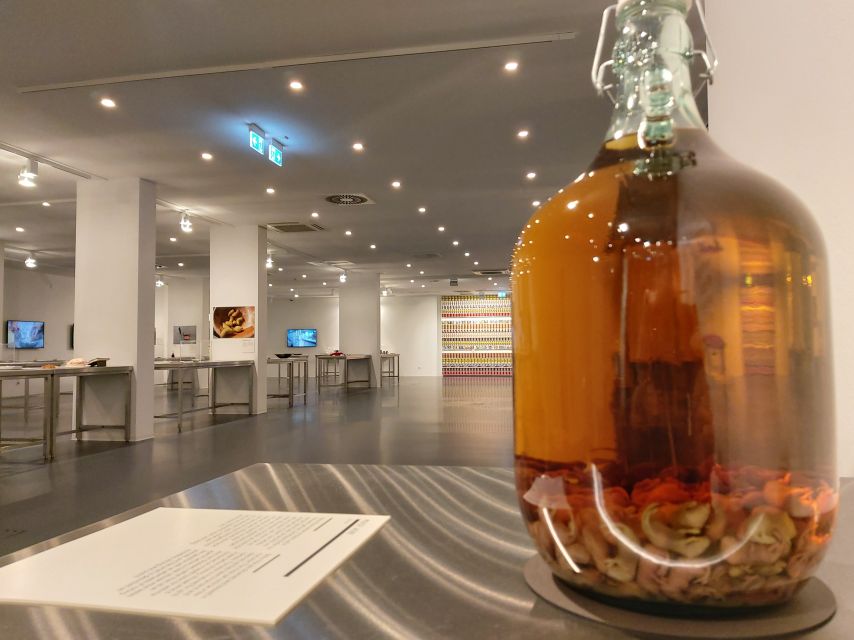
- 90+ disgusting food exhibits from around the world, arranged for quick browsing.
- Tasting Bar samples like mouse wine, mite cheese, stinky fish, and worms.
- Smell-forward presentations, so your reactions will be more about scent as much as taste.
- Food + nutrition questions tied to how food is produced and how preferences affect choices.
- A Hall of Fame challenge vibe: it can feel tough, but it’s a big part of the fun for some people.
- Clear “you decide” format: you choose how far you go with tastings.
What the Disgusting Food Museum in Berlin Really Feels Like
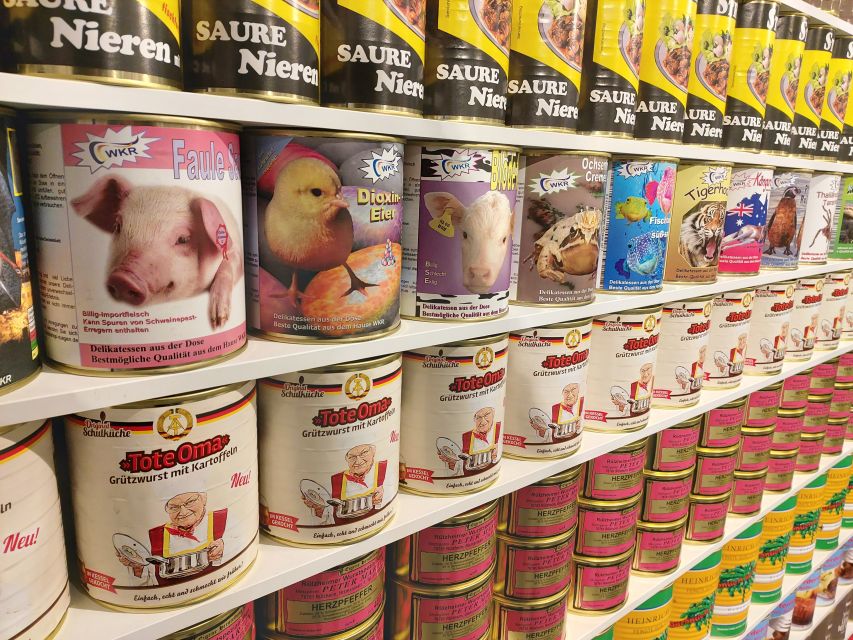
This is a themed museum with one job: make you face your food comfort zone. You’ll walk through displays built around foods that many people reject, and that contrast is the point. The museum’s angle isn’t about shaming your palate. It’s about showing that “disgusting” is often just context, habits, and exposure.
One thing I really liked is how the exhibits don’t stop at images. You’re encouraged to connect the food with the bigger story: nutrition, production, and why different societies end up with different standards for what’s acceptable. That makes the museum feel more like a science-and-culture lesson than a one-note gimmick.
And yes, the smell factor is real. Even the most curious people tend to pause when the scent hits first, before your brain can decide what your mouth is willing to do. If you’ve ever been surprised by how strongly smell drives taste, you’ll get that lesson fast here.
A few more Berlin tours and experiences worth a look



Ticket Value: Paying $20 for 90 Exhibits and Tastings
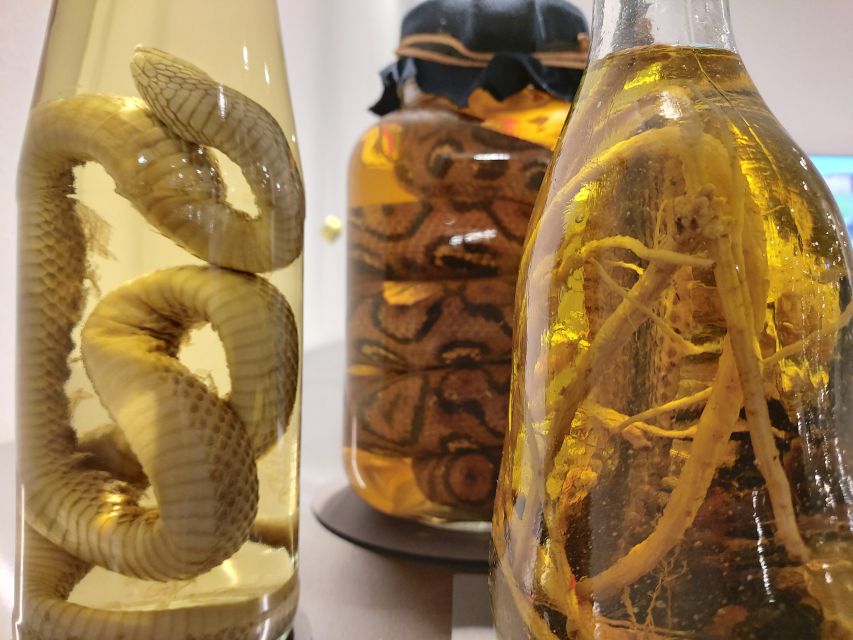
At about $20 per person for a 1-day visit, you’re paying for a curated walk-through plus small taste samples. For this kind of experience, the value comes from two things: the number of exhibits and the fact that tastings are included as part of the experience, not an optional extra.
You’re not just looking at “gross food.” You’re also getting short samples at the Tasting Bar, which turns the exhibits into a challenge you can measure yourself. That makes the ticket feel more active than a standard museum admission.
Two practical notes that help the math:
- You’re booking for a specific date and time, so you can plan the rest of your day around it rather than waiting around in Berlin.
- You have the option of reserving without paying today, which is useful if your day in Berlin might shift.
Transportation isn’t included, so budget a tram or short taxi ride depending on where you’re staying. But once you’re at the museum, the experience is self-contained and full for a day.
How the 90+ Exhibits Work: From World Foods to Nutrition Questions
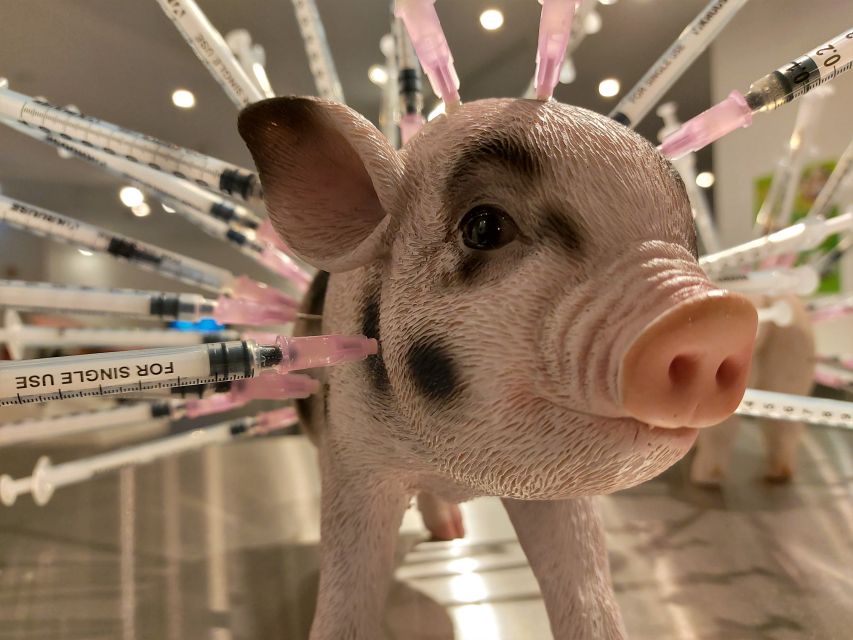
The museum’s layout is built for browsing. You’ll spend your time moving through a lot of different displays, each one pointing you toward a specific food and the idea behind it. The exhibits are presented as windows into the “abysses of food and nutrition,” which is museum-speak for: food choices can look weird from the outside, yet they’re often normal in someone else’s kitchen.
You’ll see a spread of foods from different corners of the world. That matters because the theme works better when you can compare. “Disgusting” becomes a pattern you notice, not just a list of shock items. One minute you’re reacting to something you’ve never tried. The next, you’re realizing that your own food assumptions are just one version of normal.
The displays also push you to think beyond the food itself. You’ll connect what you eat with questions like:
- how food is produced
- what your preferences do to your choices
- what happens when societies shift their eating habits
That’s why this museum can be entertaining and educational at the same time. It doesn’t ask you to become an expert. It asks you to notice the gap between what you expect and what people actually eat.
Mouse Wine to Worms: The Tasting Bar Strategy That Helps
The highlight for many people is the Tasting Bar, where you get small samples. The museum’s description makes it clear the tastings are part of the experience, not an optional add-on. Specific examples mentioned include mouse wine, mite cheese, stinky fish, and worms.
Here’s the practical strategy I suggest: treat each sample like a quick experiment, not a moral test. You’re not trying to convince yourself that you love every flavor. You’re trying to understand your own reaction—especially the first one, because smell and memory can steer you instantly.
A few things that make the tasting experience easier:
- Start with curiosity, not bravado. If you walk in saying you’ll “win,” you’ll feel pressure when your body says no.
- Pay attention to scent first. Some of these foods may feel intense before taste even has a chance.
- Go at your own pace. The museum gives you the chance to test samples, but you decide how much you want to commit to.
One of the strongest signals from the experience is the sensory impact. Some people specifically call out the smell-intense side of it, and that tracks with the theme. If you’re sensitive to odors, you might want to mentally prepare yourself before you enter the tasting area.
Also, remember this is family-friendly in the sense that it’s designed for all ages, but that doesn’t mean every kid will enjoy every scent. If you’re visiting with children, frame it as a bravery test that stays within comfort.
The Hall of Disgusting Foods: Why People Talk About the Challenge
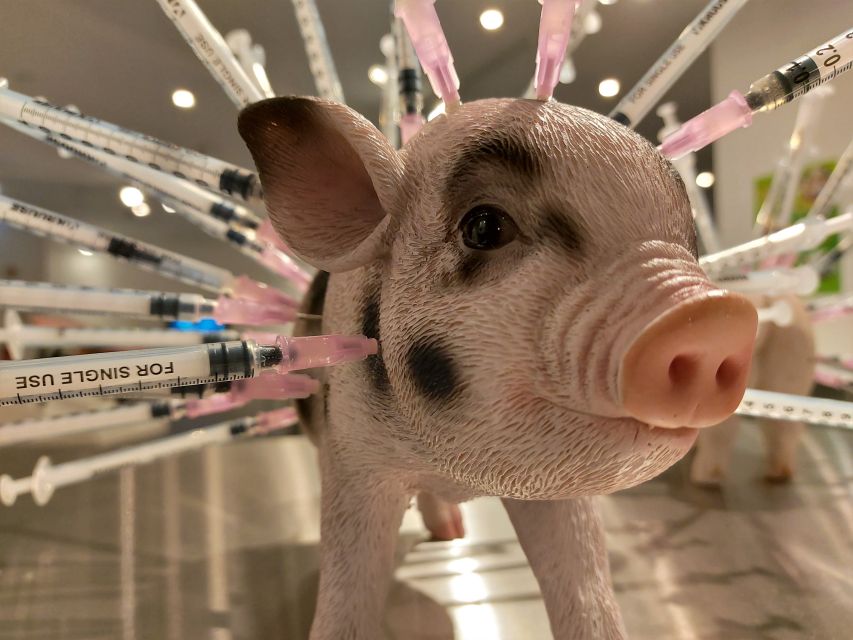
There’s a special kind of fun when a museum gives you a “big moment” to aim for. In this one, it’s the Hall of Fame challenge feeling. One thing I appreciate about that style of attraction is that it creates a goal without turning the whole museum into a performance.
You’ll likely feel that challenge in the way you move from exhibit to exhibit and then back to the tasting bar. It’s not just about seeing shocking displays. It’s about deciding whether you can handle the full experience in one go.
If you like food games—yes, even the cringe ones—this works well. If you prefer a more relaxed pace, you can still enjoy the exhibits and do only a few tastings. The museum doesn’t require you to force it.





Food, Preferences, and the Future: What the Museum Makes You Think About
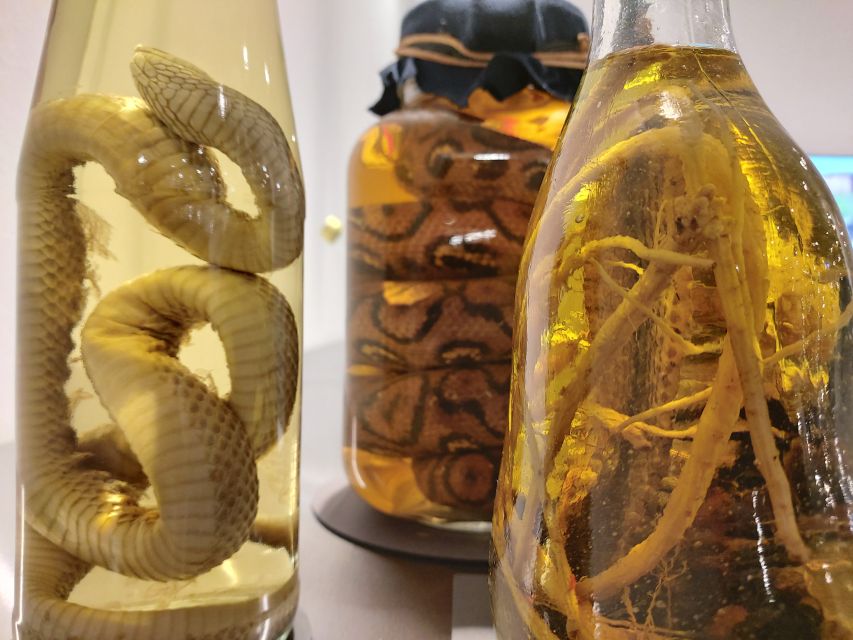
This museum doesn’t treat disgusting food as the final punchline. It turns it into a question: why do we react this way, and what does that mean for the future of food?
Inside, you’ll get discussion-style prompts that connect food to larger issues:
- how food is produced
- consequences of specific food preferences
- what you might be eating in the future
This is where the museum earns its seriousness. Plenty of “weird food” attractions stop at shock value. Here, the point is that nutrition choices are tied to resources, culture, and expectations—and those expectations can limit what we’re willing to consider later.
If you like thinking about food as more than calories or trends, you’ll enjoy this part. It gives you a framework for talking about food with friends afterward, even if you only tried a couple of samples.
And if you’re the type who argues with friends about what counts as normal, this museum gives you new angles. You’ll have examples that show how broad nutrition is across different cultures and cuisines.
Who Should Go (and Who Should Plan a Soft Exit)
This experience is best for people who can handle weirdness with humor and who don’t mind being challenged by scent. Since the museum includes tastings and some content may feel uncomfortable for some people, it’s not the right choice for every personality.
You’ll likely be a good fit if you:
- enjoy experimental food, even in small doses
- like museums that mix facts with a playful theme
- want a memorable activity that’s very Berlin, very different from classic sightseeing
You might want to think twice if you:
- are easily overwhelmed by strong smells
- hate the idea of tasting unfamiliar foods
- want a calm, low-stimulation museum day
Here’s a useful way to frame it: you don’t have to “tough it out.” You can treat it like a choose-your-own-level experience—watch, read, observe, then decide what to do at the tasting bar.
Practical Tips for Planning Your Day at Disgusting Food Museum Berlin
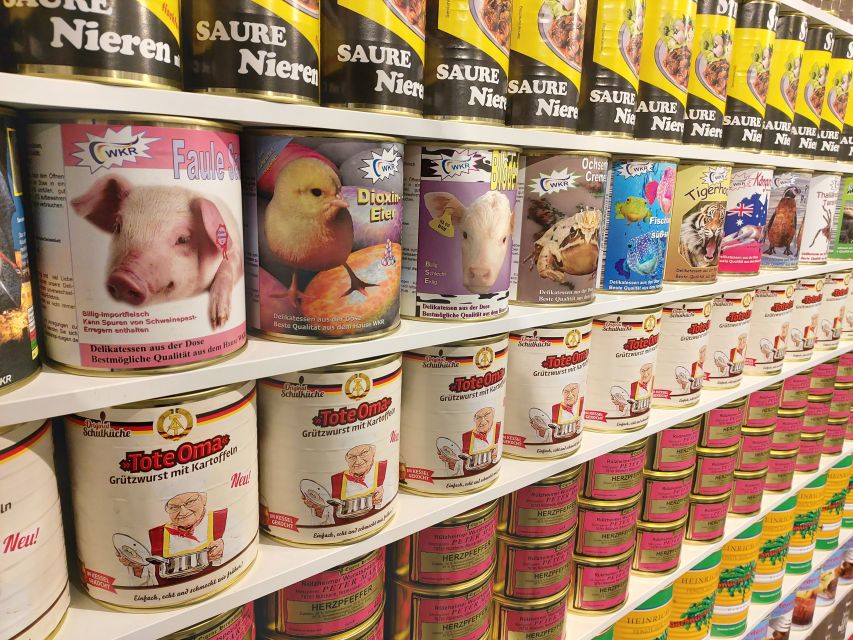
This is a 1-day activity, and your ticket is valid on the date and time you book. That matters in practice: you can slot it cleanly into an itinerary without scrambling for exact opening-time details during the day.
A few practical things to prepare:
- Bring a credit card. The “what to bring” info is simple, but it’s easy to forget.
- Plan for an uncomfortable moment possibility. The museum specifically warns that parts may feel uncomfortable. That’s not fear-mongering; it’s a heads-up so you can mentally prepare.
- Expect a sensory-heavy experience. Between the exhibit theme and the tasting bar, your senses will do a lot of the work.
Transportation isn’t included, so plan how you’ll get there from where you’re staying. Once you arrive, the rest is about the museum itself.
If you’re building your day in Berlin, I suggest pairing this with something quieter afterward. Not because it’s exhausting, but because it’s the kind of experience that makes you talk about it—and you’ll enjoy the conversation more after you’ve caught your breath.
Should You Book This Disgusting Food Museum Experience?
Book it if you want a one-day activity that’s interactive, sensory, and surprisingly thoughtful. The combination of 90+ exhibits and included tasting bar samples makes the ticket feel like more than a gimmick. You’ll leave with stories, stronger opinions, and a better sense of how broad nutrition can be across cultures.
Skip it if strong odors or uncomfortable content would ruin your day. No shame in that. Some people come out laughing, some come out glad they tried it once, and some decide it’s not for them at all. Your comfort matters.
If you’re on the fence, I’d make the call this way: if you’d enjoy a playful “how far will you go” challenge while learning why food preferences vary, this museum fits your mood. If you want a classic museum vibe with minimal sensory intensity, pick something else.
FAQ
What is included with the Disgusting Food Museum Berlin ticket?
Your ticket includes museum entry and small disgusting samples at the Tasting Bar.
How many exhibits does the museum have?
The museum experience covers 90 exhibits of disgusting foods.
How long is the experience?
The experience is listed as 1 day.
Do I have to book a specific time?
Yes. Your entry ticket and tastings are valid on the date and time you book.
What should I bring with me?
You should bring a credit card.
Is the museum wheelchair accessible?
Yes, it is wheelchair accessible.
Is transportation included?
No, transportation is not included.
Is the content always comfortable?
Not necessarily. Some of the exhibition content may be uncomfortable for some people.