REVIEW · HERSHEY
AACA Museum Regular Admission Ticket
Book on Viator →Operated by AACA Museum, Inc. · Bookable on Viator
Classic cars and hands-on history in Hershey. This AACA Museum ticket gets you into a three-floor vintage vehicle world, with exhibits that rotate every few months so your visit doesn’t feel like a one-and-done stop. You can go self-guided at your pace or join a docent-led option if you want help making sense of what you’re seeing.
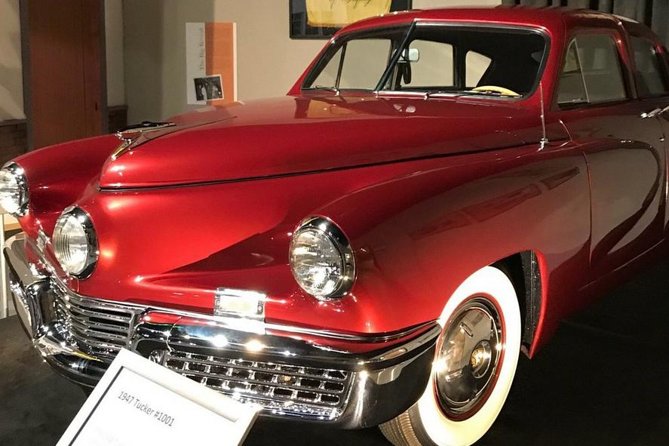
I especially love the Cammack Tucker Gallery, because it’s home to the world’s largest collection of Tucker Automobiles. I also like the museum’s practical, playful approach to car history, with interactive things like a model train room, an assembly line experience, and even a retro malt shop experience that includes a jukebox where songs cost 10 cents.
One thing to consider is the ticket price—$379—which can feel steep if only one person in your group cares deeply about vintage vehicles. If you’re visiting with kids or you all plan to spend the full 2–3 hours, it tends to make more sense.
In This Review
- Key Things to Know Before You Go
- Why the AACA Museum Works in Real Life
- Picking Self-Guided vs Guided Without Regretting It
- Your Visit Flow Inside the Museum’s Three Floors
- Cammack Tucker Gallery: A Must for Tucker Fans
- The Interactive Stuff: Model Trains and Assembly-Line Fun
- Buses, Motorcycles, and the Broader Vehicle Story
- The Retro Malt Shop and the Jukebox Detail
- Museum-Ready Tips So You Get Your Money’s Worth
- Location in Hershey: Easy Pairing With a Bigger Day
- Price and Duration: When $379 Feels Fair
- Should You Book This AACA Museum Ticket?
- FAQ
- How long is the AACA Museum regular admission visit?
- What does the ticket include?
- Is the tour self-guided or guided?
- Where is the AACA Museum?
- How large is the group for this experience?
- Can I cancel for a full refund?
Key Things to Know Before You Go
- Three floors of rotating vintage vehicle exhibits means you’ll likely see more than one style of automotive history.
- Self-guided or docent-led lets you match the tour to your group’s energy and attention span.
- Cammack Tucker Gallery highlights the world’s largest Tucker collection.
- Hands-on areas like the model train room and assembly-line-style experience keep it fun for kids.
- Small group size (up to 15) usually makes it easier to ask questions and move around.
Why the AACA Museum Works in Real Life
If you like cars, you can lose time quickly at the AACA Museum—in the best way. The place isn’t just about display cases. It’s built for time-on-task: you walk through classic vehicles, but you also get chances to interact, push buttons, and see how the whole evolution of the automobile connects.
I like that the museum’s layout supports both learning and wandering. You can go your own pace on a self-guided tour, and gallery docents are available if you want answers or context. That flexibility matters because not everyone in your group will want the same depth at the same speed.
Also, the exhibits rotate every few months, so it’s not just a static “same cars forever” museum. Even if you’ve seen vintage car photos before, you’ll still get a fresh mix of what’s on display during your visit.
Picking Self-Guided vs Guided Without Regretting It
This ticket gives you a choice: self-guided or a guided tour with docents. For many people, that’s the best part. You aren’t locked into one pace, and you aren’t stuck listening when your interest level drops.
If you go self-guided, you’ll be able to move through the galleries at your own tempo. You can also pause where something catches your eye, like a particular era of vehicles or a display that explains how the technology changed over time. The museum also has gallery docents available for questions, so you’re not left completely on your own if you want extra info.
If you choose a guided option, expect a more structured flow. That’s useful when your group includes kids, first-time museum visitors, or anyone who wants help translating what they’re seeing into a bigger story.
Either way, you should plan on 2 to 3 hours. That’s enough time to take in multiple floors and enjoy the interactive areas without feeling rushed.
Your Visit Flow Inside the Museum’s Three Floors
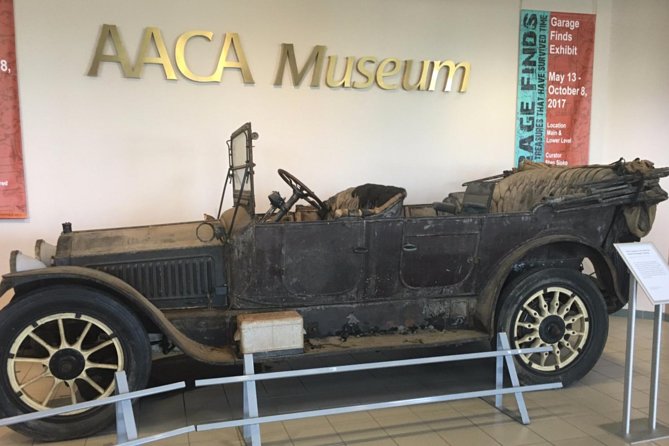
The AACA Museum admission covers access to all three floors, so you can expect the experience to feel like a real mini-journey rather than a quick stop. Most galleries are designed to be easy to navigate, and all three floors are completely accessible.
The museum is also located close to other Hershey attractions, which is handy if you’re building a day with multiple stops. You won’t have to reorganize your schedule around one long, standalone commitment.
Because exhibits rotate, it helps to walk in with a flexible mindset. Some areas you might expect—cars, motorcycles, and other vintage vehicles—are the core focus. But the specific lineup can change, which is part of the value: your visit won’t be predictable in a boring way.
Cammack Tucker Gallery: A Must for Tucker Fans
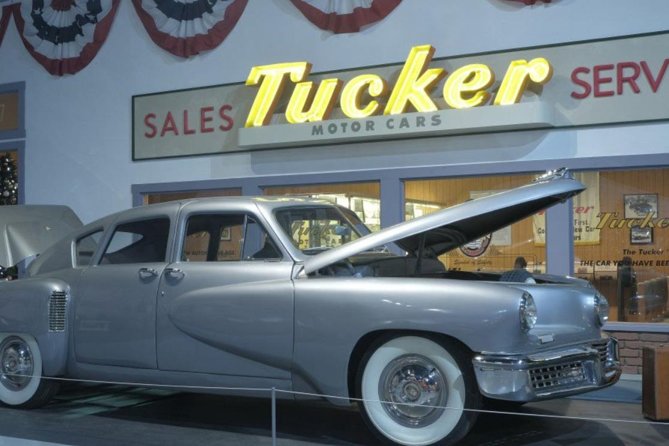
One of the headline reasons to choose this museum is the Cammack Tucker Gallery. It houses the world’s largest collection of Tucker Automobiles, and that alone is a strong draw if you enjoy a niche that most other places can’t touch.
What I like about this kind of dedicated gallery is that it gives you a deeper payoff. Instead of scattering Tucker-related items across random displays, you can focus on one theme. That makes it easier to spot differences over time—how designs changed, what made these vehicles stand out, and why the Tucker name matters in the broader story of automotive history.
If you’re traveling with at least one person who’s into oddball car history, this gallery is the moment where the whole group’s energy usually lifts. Even if you’re not a hardcore collector, seeing a focused collection like this helps you appreciate why enthusiasts get excited.
The Interactive Stuff: Model Trains and Assembly-Line Fun
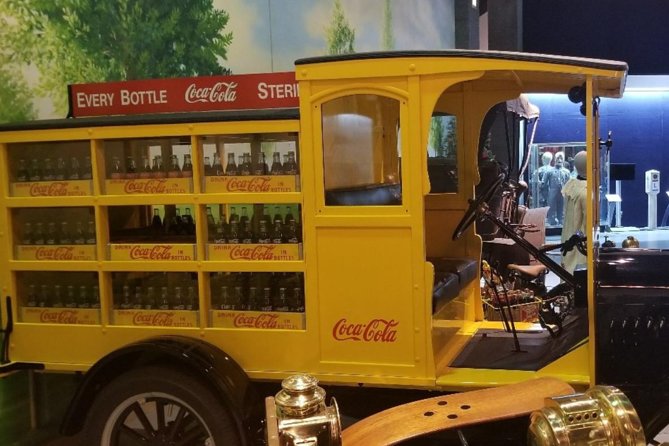
The AACA Museum doesn’t treat kids like an afterthought. It’s filled with hands-on areas that adults tend to enjoy too, because they break up a “look but don’t touch” pattern.
Two highlights you should look for are the model train room and the assembly line experience. These aren’t just filler. They connect the automotive world to the systems behind it—how production works, how parts relate, and how the industry grew into something that could make cars at scale.
If you’ve got kids who get restless in traditional museums, these interactive spaces are a practical solution. They give everyone a chance to reset and keep moving with purpose.
Adults benefit here as well. Interactive experiences help you understand the “how,” not just the “what.” It’s one of those museum design choices that makes the time feel more useful.
Buses, Motorcycles, and the Broader Vehicle Story
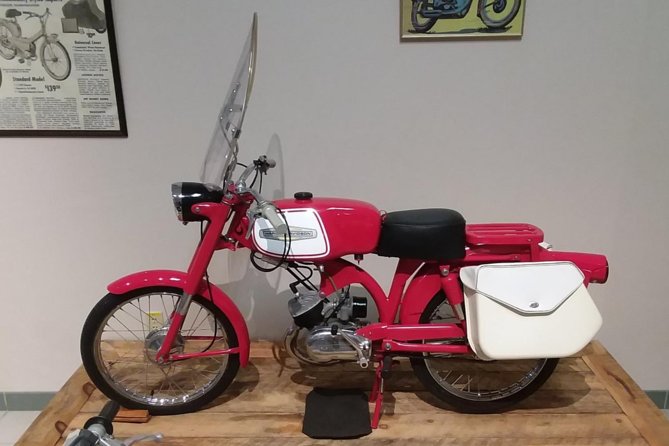
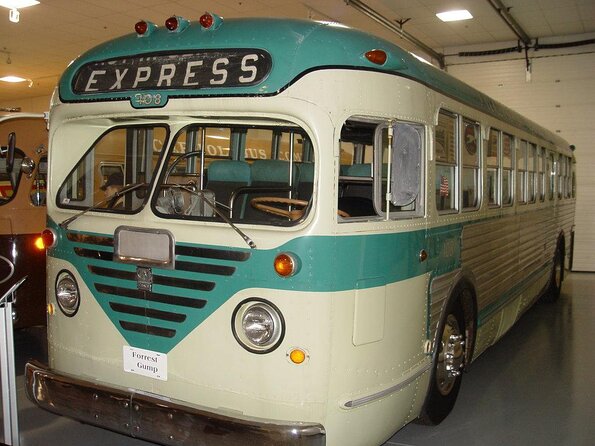
Even if you came for cars, the museum’s range makes the visit feel bigger. The collection spans vehicles beyond passenger automobiles, including buses, motorcycles, and old bikes. That variety helps the story feel accurate—automotive history isn’t only about one type of vehicle.
In other words: you can enjoy your favorite category, but you won’t get stuck in a single lane. This is especially helpful if your group includes mixed interests.
I also like how that variety supports different visit styles. If you’re someone who likes comparison—how design and purpose changed—you’ll find enough variety to keep notes in your head. If you’re more of a “walk slowly and absorb” person, the broad range keeps the walk from turning into repetition.
The Retro Malt Shop and the Jukebox Detail
One of the most memorable small moments from the experience is the retro malt shop setup from the 60s vibe. There’s also a jukebox feature where you can play oldies, and the song cost is 10 cents.
Why does this matter? Because it adds texture. A lot of car museums can feel like you’re only looking at objects. Here, you get a slice of the era’s everyday culture, which makes the history feel less like a diagram and more like a time period.
It’s also the kind of detail that makes families smile. Kids often remember moments like this longer than another row of cars—especially when the museum gives you a chance to interact with the setting rather than just photograph it.
Museum-Ready Tips So You Get Your Money’s Worth
With a ticket price of $379, you’ll want to plan a visit that fully uses the time. This isn’t the kind of museum you should rush through. If you can, arrive ready to spend the full 2 to 3 hours, including the interactive areas.
Here’s how to make it feel like good value:
- Decide upfront whether you want a self-guided pace or a docent-led structure.
- If you have kids, build in time for the model train room and assembly-line experience early so they don’t hit a fatigue wall later.
- If you’re a Tucker fan (or even curious), prioritize the Cammack Tucker Gallery early so you don’t feel squeezed by time.
Also, bring a simple strategy: pause where something grabs you, then move on. The museum’s rotating exhibits are part of the appeal, but you’ll still do better if you focus on a few “must-hit” areas instead of trying to see everything equally.
Location in Hershey: Easy Pairing With a Bigger Day
The museum’s location in Hershey makes it practical for planning. You can fit it into a day that includes other local attractions without dealing with travel stress or long commutes.
If you like the idea of visiting a major themed town and still getting something more niche, this museum balances out your itinerary. Hershey can be very “vacation headline” focused. The AACA Museum adds a strong, different angle: real automotive history with hands-on fun.
It’s also near public transportation, which is useful if you want options beyond driving.
Price and Duration: When $379 Feels Fair
Let’s talk straight about the number. $379 is not a casual museum ticket. It’s the kind of price that asks, what makes this worth it for your group?
The value comes from a combination of things:
- Access to three floors of exhibits rather than one quick gallery.
- The choice between self-guided and guided touring.
- Interactive features that work for multiple age levels.
- The Cammack Tucker Gallery, which is a rare draw since it includes the world’s largest collection of Tucker Automobiles.
- A short enough time commitment (2 to 3 hours) that you can plan a full day without it taking over.
So the ticket tends to make sense when:
- You have kids who will use the interactive areas.
- More than one person in your group likes classic vehicles or wants to learn the story behind them.
- You’re specifically interested in Tucker history.
If you’re only going for a quick walk and you don’t care about cars much, the cost may feel out of proportion to your interests.
Should You Book This AACA Museum Ticket?
I’d book this if your group wants a museum visit that mixes classic vehicle viewing with hands-on experiences and a standout theme like the Tucker collection. It’s also a smart pick for families because the interactive spaces and retro details make it less stuffy than many car museums.
Skip it—or think twice—if you’re short on time and can’t commit to the full 2 to 3 hours, or if none of you are really into vintage vehicles beyond a passing glance.
If you do decide to go, go with a simple plan: hit the Tucker gallery, then spend real time in the interactive areas, and give each floor enough attention to feel like the museum was worth the trip.
FAQ
How long is the AACA Museum regular admission visit?
Plan on about 2 to 3 hours.
What does the ticket include?
Your admission includes access to the museum’s three floors, and you can choose a self-guided or guided tour. There’s also a vending area with snacks and beverages for purchase.
Is the tour self-guided or guided?
You can choose either. Self-guided visitors can still ask questions with gallery docents available.
Where is the AACA Museum?
The experience is located in Hershey, USA.
How large is the group for this experience?
This tour/activity has a maximum of 15 travelers.
Can I cancel for a full refund?
Yes. You can cancel up to 24 hours in advance for a full refund. If you cancel less than 24 hours before the start time, the amount you paid is not refunded.