
REVIEW · BERLIN
Berlin: Museum of Communication Entrance Ticket
Book on GetYourGuide →Operated by Museum für Kommunikation Berlin · Bookable on GetYourGuide
Communication history is weirder than you think.
At Berlin’s Museum für Kommunikation, you trace how humans sent messages from hand axe to smartphone, all within the world’s oldest postal museum vibe. The big pull for most people is the Blue Mauritius stamp—one of the most famous, rare stamps on earth—wrapped inside a museum that treats messaging like a living story.
I really like the museum’s hands-on approach: you can interact with exhibits and even practice greetings from around the world. The communication gallery uses interactive terminals where you can test signals through smoke, light, and sound—so you’re not just reading, you’re trying.
One catch: because it’s largely self-guided with an audio-visual app and a huge range of material, you’ll want to pace yourself. If you rush through the 2,000 objects, the experience can feel like it’s moving faster than you can take it in.
In This Review
- Key highlights worth planning around
- Entering the Museum für Kommunikation: what you’re walking into
- The Blue Mauritius display: why it’s worth slowing down for
- 40,000 years of messages: hand axe to smartphone, explained with objects
- Interactive communication stations: smoke, light, and acoustic tests
- How the audio-visual app keeps a self-guided visit from turning chaotic
- Ticket value and timing: getting a full day’s worth
- Where the day naturally flows: a simple, low-stress visit plan
- Who this experience suits best (and who might want a different match)
- Should you book the Museum für Kommunikation ticket?
- FAQ
- Do I need to reserve a time slot for the museum?
- How much is the Berlin Museum für Kommunikation entrance ticket?
- What is the suggested visit length?
- Is the audio-visual app included?
- What payment options are available at the museum?
- Is the museum wheelchair accessible?
- When is the museum closed?
Key highlights worth planning around
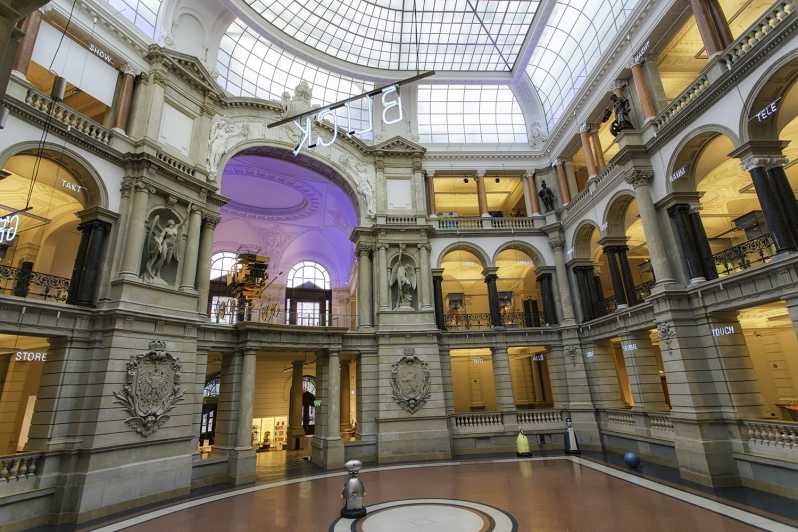
- Blue Mauritius stamp: one of the world’s most famous and rarest stamps, displayed as a real museum centerpiece
- 40,000 years in one day: a communication timeline built from about 2,000 objects
- Interactive terminals: try signals using smoke, light, and acoustic methods
- Global greetings: activities focused on how people connect across cultures
- Self-guided audio-visual app: you choose your pace instead of chasing a group
Entering the Museum für Kommunikation: what you’re walking into

Berlin’s Museum für Kommunikation is built around a simple idea: communication isn’t just tech. It’s people, power, rituals, and the tools they used to reach someone else. You’ll see how messages shaped society as much as society shaped messages—often with surprisingly practical connections.
The museum’s framing is a major part of the charm. The displays aim to make the milestones of communication feel real, not like dry museum facts. You’ll also notice the museum nudges you to think about modern debates through earlier examples—so it’s not stuck in the past. Instead, it keeps pointing toward the question: how we communicate changes what people believe is normal.
And because it’s a postal museum at heart (the world’s oldest postal museum is part of its identity), the tone feels a little more grounded than some science-style exhibits. Expect a mix of artifacts, explanations, and interactive moments that don’t require special knowledge. If you like museums where you can learn while actively doing something, this one fits.
A few more Berlin tours and experiences worth a look



The Blue Mauritius display: why it’s worth slowing down for
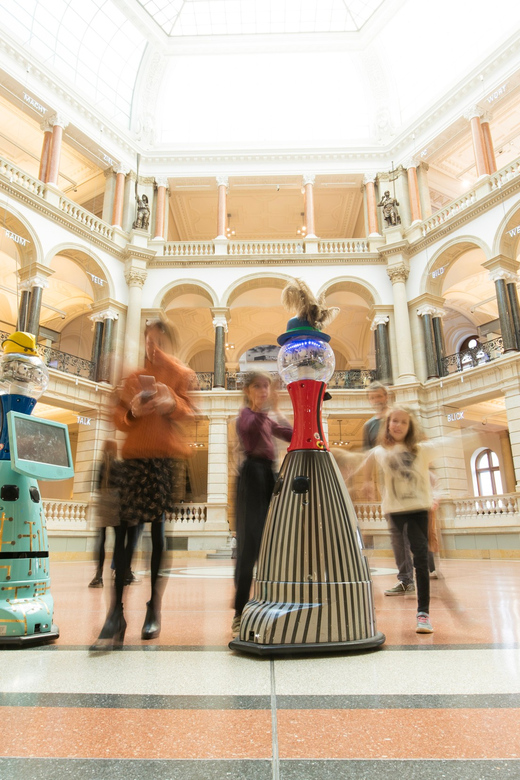
Most communication museums have a few standout items. Here, the Blue Mauritius is the kind of object people travel for. Even if you’re not a stamp collector, it helps to know you’re seeing something exceptionally rare and historically loaded.
Why I think it matters: stamps are tiny, but they carry a lot—government authority, trade routes, public taste, and the systems that made mail move. The museum doesn’t just treat the Blue Mauritius like a trophy. It places it inside the broader story of human messaging, where postal tools become a cultural technology.
Practical tip: when you see the stamp-focused exhibits, give them an extra few minutes compared with the rest. That area sets the emotional tone of the museum. Once you’ve seen that level of rarity and importance, the rest of the collection hits harder—especially when you start comparing past message methods to modern ones like the smartphone.
40,000 years of messages: hand axe to smartphone, explained with objects
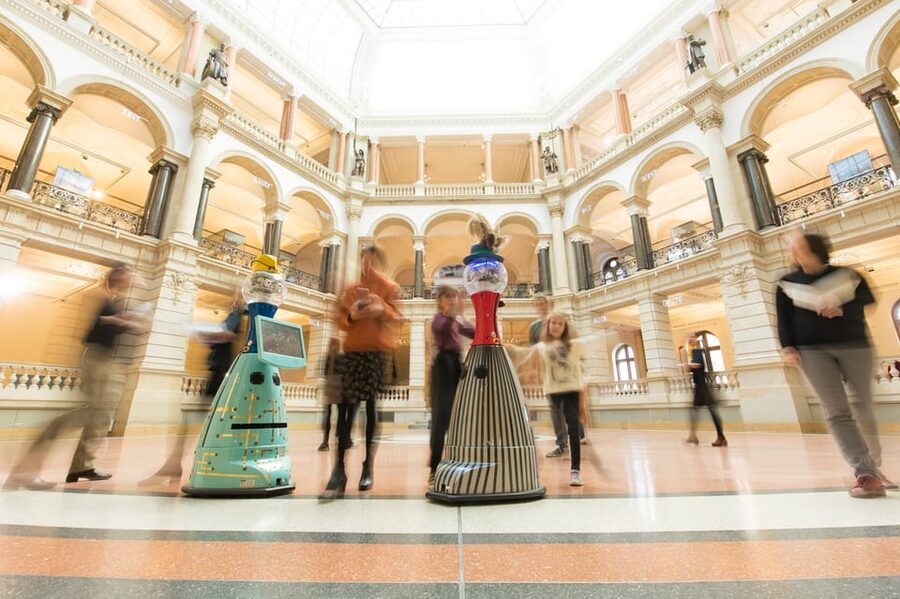
The museum covers an enormous time span—40,000 years of communication history—using about 2,000 objects. That sounds intimidating, but the payoff is that you get a sense of continuity. People keep finding ways to solve the same problem: how do I send a meaning that survives distance?
You’ll move through the big shifts in communication tools. The museum doesn’t frame these milestones as a straight tech race. Instead, it treats communication as a set of challenges: speed, trust, reach, cost, and who gets included in the conversation.
And the museum’s “learning angle” is useful. It doesn’t just list what came next. It invites you to notice that every communication leap has winners and losers, and every era has its own arguments about what’s appropriate or trustworthy.
If you like timelines, this works. If you prefer themes, you can still organize your day around big questions like:
- How did people make messages travel farther?
- How did they confirm a message was real?
- How did communication shape authority and daily life?
Because so much is on display, you don’t need to see every corner perfectly. You just need to choose a few threads and follow them.
Interactive communication stations: smoke, light, and acoustic tests
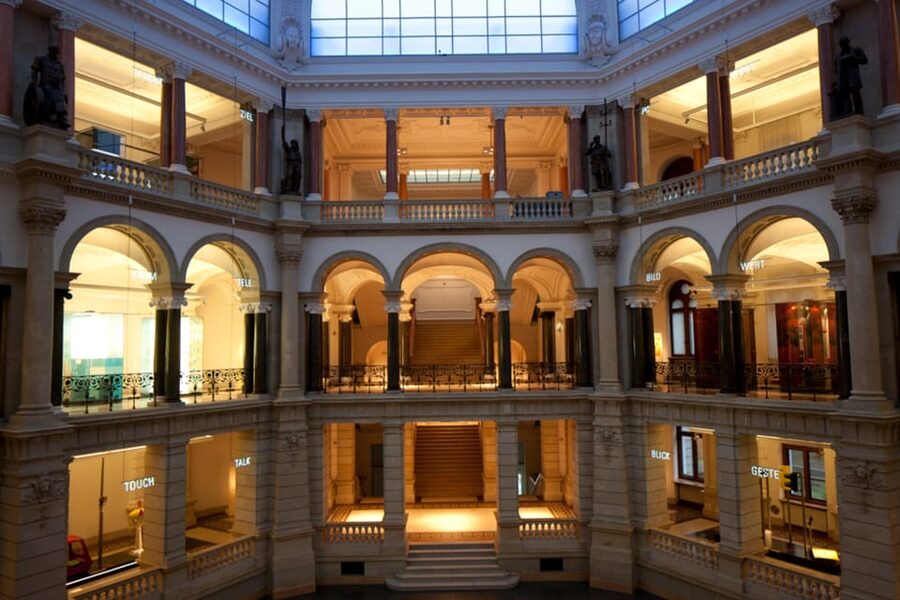
This is where the museum earns its nickname as a place that feels playable. In the communication gallery around the atrium, you’ll find interactive terminals that cover foundational ideas in communication.
What you can do here is the point: you exchange messages using different signal methods—smoke, light, and acoustic signals—then see what changes when the medium changes. That might sound like a small detail, but it teaches an important lesson: the tool isn’t neutral. Each channel has strengths and limitations.
I also like that there are activities built around the social side of messaging, not only the mechanics. The exhibits include learning how to greet people from around the world, which makes communication feel human instead of purely technical. Even if you don’t remember every fact later, you’ll remember the feeling of how different customs and signals can carry meaning.
Practical advice: spend time at the terminals instead of sprinting between them. If you do only quick interactions, you’ll miss the learning. If you slow down and try a few methods carefully, the museum clicks into place.
How the audio-visual app keeps a self-guided visit from turning chaotic
You don’t have to reserve a time slot, and you’re free to explore at your own pace. That’s great—until it’s not. Self-guided museums can turn into wandering unless you have some structure.
That’s exactly why the included audio-visual app matters. It’s there to guide your way with audio-visual support, so you don’t have to guess which areas are most important. Think of it as a lightweight route that helps you build momentum without forcing a strict schedule.
Here’s the strategy I recommend if you want a satisfying day:
- Start with the big anchor areas first (the postal story and the famous stamp moment)
- Then move to interactive stations while you’re still in “try it” mode
- Save the more reflective exhibits for when you’ve got enough energy left to think, not just move
The museum’s message is: communication history is broad, so your route should be flexible. The app gives you that structure without locking you into a group rhythm.
You can also read our reviews of more museum experiences in Berlin






Ticket value and timing: getting a full day’s worth
The price is $9 per person, and for a museum experience that covers 40,000 years of communication with a major rare-stamp highlight plus interactive terminals, it’s strong value. This is one of those ticket prices where you don’t feel like you’re paying extra for one single object and hoping the rest is a bonus.
The museum is set up for a 1-day visit. You should plan on taking your time. There’s a lot here, but it’s also not the kind of museum where you must be on a strict clock to enjoy it.
On timing and hours: the museum is closed on Mondays, and it’s closed on December 24, 25, and 31. On public holidays, it opens from 10:00 AM to 6:00 PM. If you’re visiting around a holiday period, double-check those hours so you don’t get stuck outside.
A couple other practical notes that can help you enjoy the day more:
- You don’t need timed entry reservations.
- You can purchase tickets without cash, and at the museum counter you can pay with cash.
- Hotel pickup and drop-off are not included, so you’ll want to plan your own route through Berlin.
- The museum is wheelchair accessible.
Where the day naturally flows: a simple, low-stress visit plan
Even without a formal guided tour, the museum’s design encourages a logical flow. You can think of your day as moving from context to interaction to reflection.
Here’s a clean plan that fits a 1-day ticket:
- Begin with the core postal and communication story, then use the audio-visual app to help you pick which exhibits to prioritize
- Spend a meaningful chunk of time in the atrium communication gallery for the interactive terminals (this is where the museum feels most alive)
- Hit the stamp-related highlights early enough that you’re not too tired to really look
- Finish with the more interpretive exhibits that connect earlier communication methods to current debates
The museum also includes self-guided exploration with that audio-visual app, so you can pivot when something grabs you. If you hit an interactive station that’s taking longer than expected, you won’t feel like you’re falling behind a schedule.
And yes, there are elements in the museum-day flow that suggest you can build in breaks—think coffee or other stops—so if you’re planning a full day, keep a little flexibility for resting your feet and resetting your brain.
Who this experience suits best (and who might want a different match)
This museum is ideal if you like museums where you’re not just reading labels. You’ll probably enjoy it most if you’re into:
- communication technology and its social impact
- hands-on exhibits (signal tests and interactive terminals)
- a mix of history plus modern-day thinking
It’s also a great choice for families, since parts of the experience are clearly set up to be touchable and interactive. The museum includes activities centered on how people greet each other and basic communication methods, which tends to land well with kids who learn by doing.
If you’re the type who only wants huge rooms and blockbuster masterpieces, you might feel like this is more “systems and stories” than “one big wow painting.” But the Blue Mauritius provides that big wow moment, and the rest of the museum supports it with hands-on learning and clear structure.
Should you book the Museum für Kommunikation ticket?
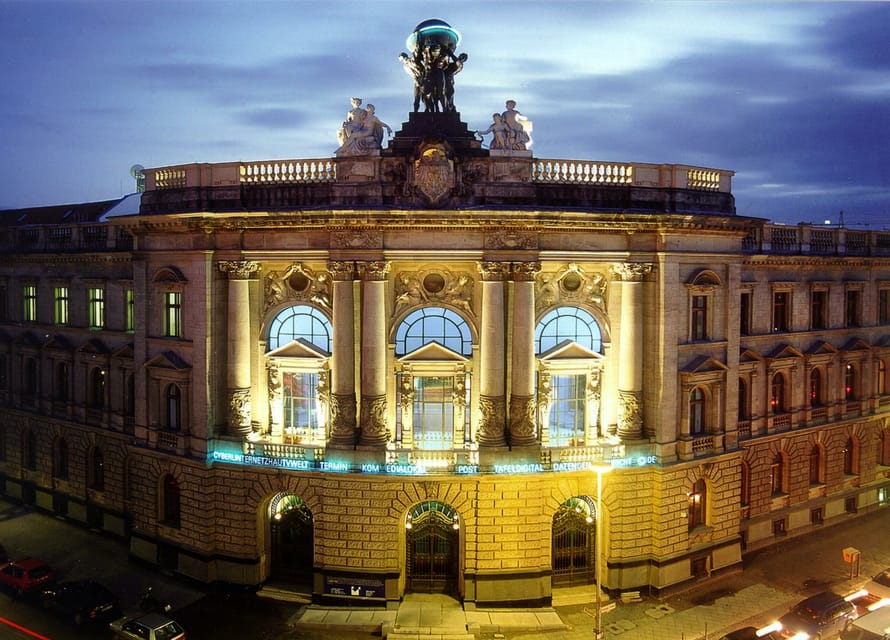
If you want a Berlin museum day that mixes history with interaction—and you like the idea of seeing communication methods through time—this ticket is an easy yes. The $9 price makes it low-risk, and the combination of the Blue Mauritius, 40,000 years of material, and interactive terminals gives you more than one way to enjoy the visit.
I’d especially book it if you’re traveling with a mix of ages, because the experience isn’t locked into one style of learning. And if you’re flexible and like self-guided routes, the audio-visual app helps you avoid wandering without purpose.
One reason to hesitate: if you hate self-guided museums and feel stressed by choosing your own path, you might want a plan before you arrive—use the app to anchor your route so your day stays smooth.
FAQ
Do I need to reserve a time slot for the museum?
No. You do not need to reserve time slots for your visit.
How much is the Berlin Museum für Kommunikation entrance ticket?
The price is $9 per person.
What is the suggested visit length?
The duration is listed as 1 day.
Is the audio-visual app included?
Yes. The ticket includes the audio-visual app.
What payment options are available at the museum?
You can purchase tickets without cash, and you can pay with cash at the museum counter.
Is the museum wheelchair accessible?
Yes, the museum is wheelchair accessible.
When is the museum closed?
It is closed on Mondays, and it is closed on December 24, 25, and 31. On public holidays, it is open from 10:00 AM to 6:00 PM.