REVIEW · BERLIN
Berlin: Deutsches Technikmuseum Entry Ticket
Book on GetYourGuide →Operated by Deutsches Technikmuseum in Berlin · Bookable on GetYourGuide
Berlin’s tech museum turns history into real-world mechanics. I love the Candy Bomber landmark and the chance to see 40 airplanes, from early aviation ambition to grim wartime lows, all in one visit. You also get a museum layout that makes it easy to keep choosing your own pace.
My second favorite part is the way the museum explains how systems connect—especially the interactive “technical networking” exhibition that spans 200 years. The main drawback is simple: there’s a lot here, and it’s easy to run out of time if you try to see everything in one go.
In This Review
- Key things you’ll notice fast
- Why the Deutsches Technikmuseum feels like a whole city day
- Your one ticket, two experiences: museum plus Spectrum Science Centre
- The aviation halls: 40 airplanes and the Berlin Airlift story
- Railways, trains, and the engineering of motion
- Ships and nautical instruments: seafaring isn’t only about hulls
- 200 years of technical networking: the story behind connected life
- Classic cars and Zuse: engineering meets real-world innovation
- Live demonstrations: printing, papermaking, and blacksmithing
- The museum park: windmill, forge, pond, and a slower pace
- Spectrum Science Centre: 150 hands-on experiments that actually work
- Price and value: why $14 can feel like a lot or a bargain
- Who should book this ticket (and who should adjust expectations)
- Should you book the Deutsches Technikmuseum + Spectrum ticket?
- FAQ
- How long is the visit?
- What is included with the ticket?
- Can I skip the ticket line?
- Is this ticket wheelchair accessible?
- Is Spectrum accessible by elevator right now?
- Are pets allowed?
- Is flash photography allowed?
- What if I need to change plans?
- Is the museum good for families?
Key things you’ll notice fast
- The aviation collection is big: 40 airplanes, plus famous Berlin-Airlift history on the roof
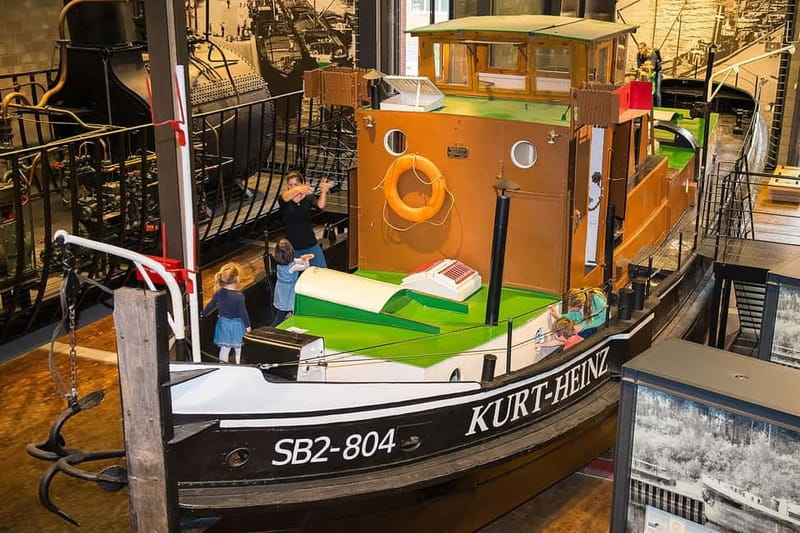
- Railways take center stage with an impressive collection of trains
- Seafaring is more than ships: you’ll see vessels and nautical instruments
- Hands-on learning shows up twice, first in the museum, then at Spectrum
- Old technologies still run live through printing, papermaking, and blacksmith demos
- Plan for a full day in Kreuzberg so you don’t feel rushed
Why the Deutsches Technikmuseum feels like a whole city day
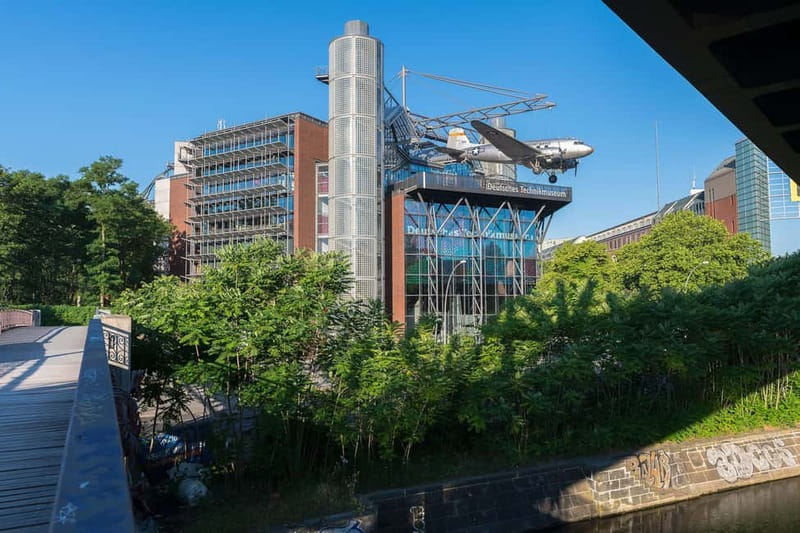
The Deutsches Technikmuseum is one of those places where Berlin’s history isn’t trapped behind glass. The museum covers major engineering themes—air, rail, sea, cars, and computing—so you’re not stuck following one narrow storyline. Instead, you can bounce between sections until something catches your attention.
That variety also helps you read the “why” behind technology. You start to see how inventions spread, how industry scaled, and how politics and war shaped engineering priorities. If you like your museum visits to answer practical questions—How did this work? Who used it? What changed?—this is a great fit.
And yes, the Candy Bomber on the roof makes a strong first impression. It’s the kind of landmark you recognize from across Berlin, and it sets the tone: this museum isn’t shy about big historical events, even when it’s also explaining nuts-and-bolts details.
A few more Berlin tours and experiences worth a look


Your one ticket, two experiences: museum plus Spectrum Science Centre
This entry ticket covers admission to Deutsches Technikmuseum and Science Center Spectrum on your booked day. That’s the value sweet spot: you’re not choosing between “history” and “hands-on science.” You get both—museum exhibits with deeper context, then a second venue built around experimenting.
Here’s how to think about it:
- The Technikmuseum is about systems over time. You’ll spend more time reading, comparing, and connecting stories.
- Spectrum is about you trying things. It’s built for curiosity and quick wins, with 150+ hands-on experiments.
If you’ve got kids, teenagers, or anyone who gets restless in traditional museums, Spectrum can work like a reset button. If you’ve got an engineering or history streak, Spectrum won’t feel like a detour—it’s the fun payoff after seeing how technologies evolved.
The aviation halls: 40 airplanes and the Berlin Airlift story
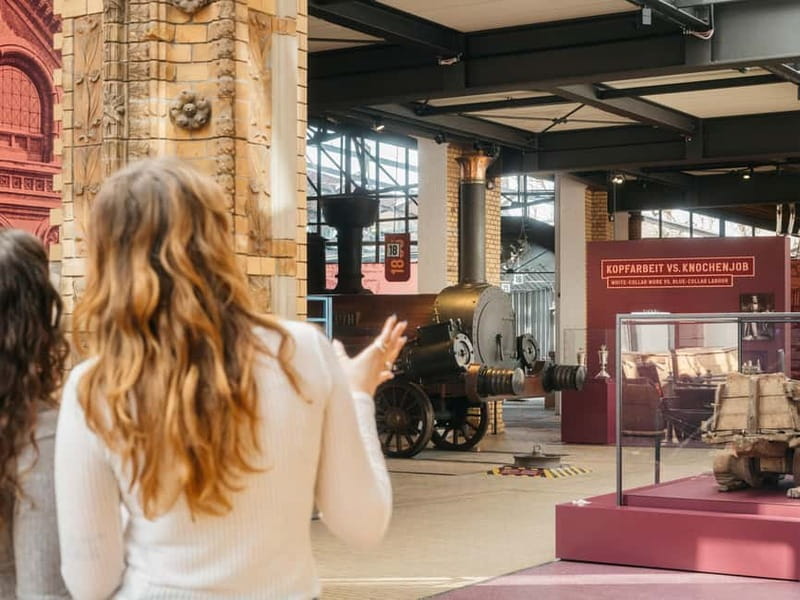
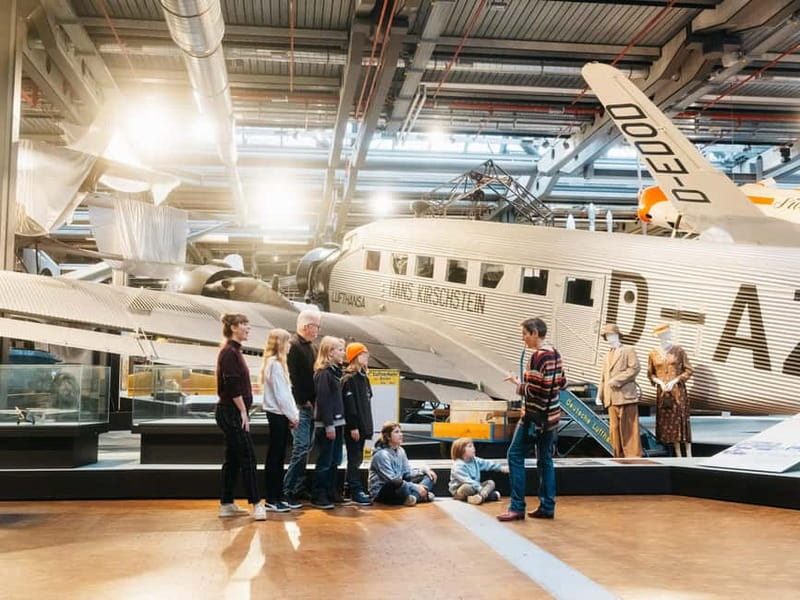
The museum’s aviation section is a standout. You’re looking at 40 airplanes, tracing progress from early achievements through wartime extremes. That range matters because it shows you that aviation history isn’t just a timeline of cool machines—it’s also a record of changing needs, constraints, and engineering focus.
The roof landmark—Candy Bomber—is more than an Instagram point. It connects the museum to Berlin’s identity during the Airlift period. When you later look at the aircraft displays inside, you’ll likely make faster connections between the exhibits and why Berlin remembers that era so clearly.
Practical tip: don’t try to force aviation into a quick pass. Even if you’re scanning, give yourself enough time to pick out a few aircraft and compare design changes. Aviation sections become more interesting when you notice differences in construction, purpose, and how those differences reflect the period.
Railways, trains, and the engineering of motion
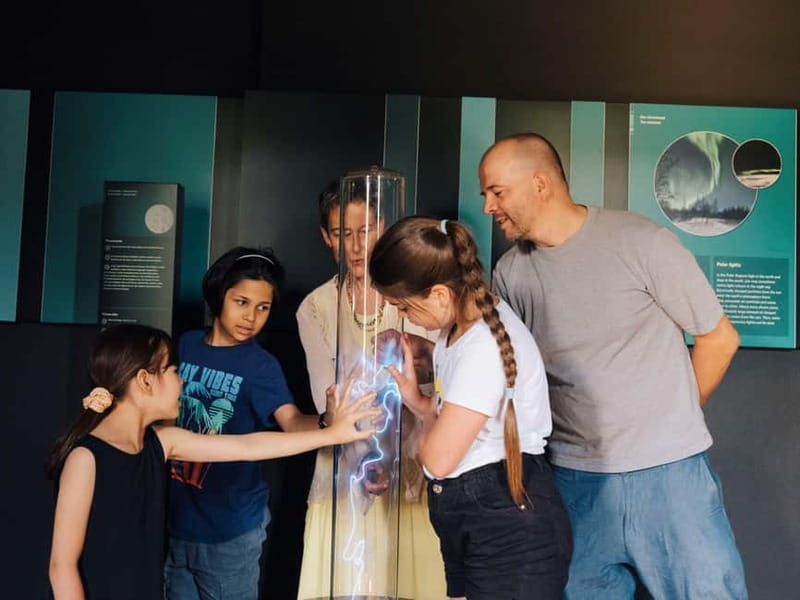
Berlin’s Technikmuseum doesn’t treat trains like a side topic. The rail section is a major chapter, featuring an impressive collection of trains. For me, the best part is how railways make technology feel “everyday real.” Trains aren’t just museum artifacts; they’re infrastructure that changed daily life, travel, and commerce.
As you move through the rail exhibits, you start seeing technology as an ecosystem: engines, track systems, materials, and operational choices all interact. That makes the displays more meaningful than if they were presented as isolated facts.
If you’re visiting with anyone who loves mechanics, trains can be the easiest hook. Even if you skip a lot of reading, the scale and engineering details do the teaching.
Ships and nautical instruments: seafaring isn’t only about hulls

The museum’s seafaring area includes ships plus nautical instruments. That combination is smart. Ships can feel like “big objects” unless you understand the tools used to navigate, measure, and operate. The instruments add the missing layer: how seafarers made decisions with the technology they had.
This part works well if you like technology that supports planning and precision, not just power. It also helps you connect maritime engineering to broader themes—navigation demands, safety, and the constant need to improve accuracy.
What to expect: you’ll see historical vessels alongside equipment that shows the practical tools behind travel at sea. It’s a reminder that navigation and measurement are technologies too.



200 years of technical networking: the story behind connected life
One of the most interesting museum claims is that you can trace 200 years of technical networking through an interactive exhibition. That’s not just “communications history” in a vague way. Networking is about how separate systems and people connect, share signals, and coordinate work.
In a museum like this, the interactive format matters. It turns what could be abstract history into something you can test with your senses: cause and effect, transmission ideas, and how tools evolve as networks grow. If you’ve ever wondered why today’s connected world has the shape it does—why certain standards win, why timing matters, why reliability is everything—this section helps.
Timing note: treat this as a “stay as long as it pulls you” stop. Interactive displays tend to reward slower visits, especially when you read enough to understand what the exhibit is trying to show.
Classic cars and Zuse: engineering meets real-world innovation

Beyond the big transport themes, the museum also includes classic cars and Zuse, described as the world’s first computer. That mix is more than a random collection. It gives you a bridge between mechanical invention and the early logic that eventually powers modern computing.
With Zuse, you’re not just looking at a machine. You’re seeing how the idea of computing became concrete. The museum’s approach helps you connect earlier engineering thinking—structures, systems, measurement—to the leap into computational problem-solving.
If you like “origin stories” in technology, plan extra time here. Early computing is easy to misunderstand unless you give yourself space to absorb what made it groundbreaking.
Live demonstrations: printing, papermaking, and blacksmithing

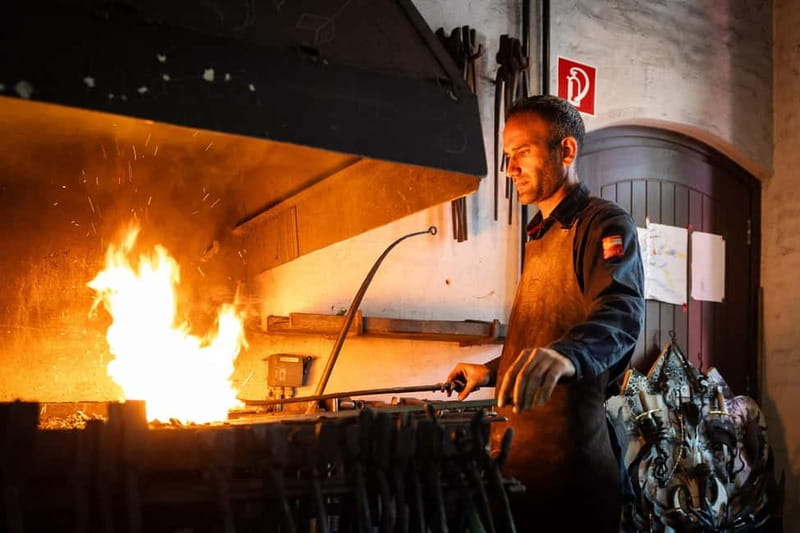
One of the best things about this museum day is that old technology still runs live through demonstrators. You can watch processes like printing, papermaking, and blacksmith work come to life.
This is where the museum becomes more than educational; it becomes tactile. You can see materials behave differently than in modern mass production, and you can understand why craft skills mattered. Even if you’re not an expert, you’ll get a sense of time, effort, and technique.
Practical advice: don’t treat demos as a quick photo stop. Watch the sequence if you can—start to finish. That’s how you’ll learn what’s actually involved, not just what the tool looks like at one moment.
The museum park: windmill, forge, pond, and a slower pace
In the museum park, you’ll find open-air spaces including a windmill, blacksmith’s forge, a pond, and green areas. This is a smart add-on for a couple reasons.
First, it gives your brain a break from indoor reading. Second, it turns the idea of technology and industry back into its landscape context—workplaces, tools, and materials shaped by the physical world.
If your group includes kids, the park also helps them reset without fully switching gears. Plan a little time here even if you think you’ll skip it.
Spectrum Science Centre: 150 hands-on experiments that actually work
Right next door, Spectrum gives you more than 150 hands-on experiments. This is the place where you stop reading and start testing. It’s ideal for visitors who learn best by doing, and it’s also a great way to keep energy up after a longer museum section.
Because Spectrum is interactive, it also tends to create natural “mini itineraries” inside your visit: people gravitate toward different experiments based on interest. That flexibility is a big win. You don’t have to understand the whole building to have a good time.
One accessibility consideration: the elevator at Spectrum is out of service until the end of January 2026 due to repair work, and during that time Spectrum is unfortunately not accessible from the 1st floor. If mobility access is a key factor for your group, plan around the elevator situation before you finalize your day.
Price and value: why $14 can feel like a lot or a bargain
At about $14 per person, this ticket covers admission to two big experiences on the same booked day: the Technikmuseum and Spectrum. For Berlin, that’s strong value because you’re paying for both a history-heavy museum day and a hands-on science block.
Whether it feels like a bargain depends on how you like to visit:
- If you enjoy structured history and big collections, Technikmuseum alone can be a full-day anchor.
- If you prefer hands-on learning and less reading, Spectrum gives you immediate payoff.
- If you’re the type who wants both, the value jumps because you’re not paying twice to satisfy different interests.
Also, the ability to skip the ticket line helps your day feel smoother. In busy museums, time saved at the start can mean more time later when you’re most curious.
Who should book this ticket (and who should adjust expectations)
This is a great match if you want a museum day that covers many engineering areas—air, rail, sea, cars, and early computing—with live demonstrations sprinkled in. It’s also ideal if you’re visiting with mixed-age groups who won’t all be equally interested in the same exhibit.
I’d especially recommend it to:
- families looking for hands-on science plus technology history
- engineering and tech fans who like to see how systems evolved
- history buffs who prefer machines and methods over dates alone
- anyone who wants Berlin culture that doesn’t feel like a classic art museum day
The only “adjust expectations” group is people who want a short, low-effort attraction. This isn’t a quick two-hour stop. Even with good planning, it’s easy to spend longer than you think because there’s so much to see and several sections that reward careful attention.
Should you book the Deutsches Technikmuseum + Spectrum ticket?
Yes, if you want a one-day plan that blends big collections with interactive learning. The combination of aviation (40 airplanes), major transport themes, the interactive technical networking exhibition, and live printing/papermaking/blacksmith demonstrations gives you multiple ways to stay engaged. Then Spectrum adds the fun, hands-on counterweight with 150+ experiments.
Book with a little time cushion. If you’re the type who likes to read thoroughly and watch demos, you’ll be glad you didn’t rush. If you try to sprint, you’ll still have fun, but you’ll miss some of the stronger learning moments.
One more practical heads-up: pets aren’t allowed (assistance dogs are allowed), and flash photography is not permitted, so plan your photo habits accordingly.
FAQ
How long is the visit?
The ticket is valid for 1 day. You can check availability to see starting times.
What is included with the ticket?
Your ticket includes admission to Deutsches Technikmuseum and Science Center Spectrum on your booked day.
Can I skip the ticket line?
Yes, this ticket includes skip-the-ticket-line entry.
Is this ticket wheelchair accessible?
Yes, the experience is listed as wheelchair accessible.
Is Spectrum accessible by elevator right now?
No. The elevator at Spectrum is out of service until the end of January 2026, and Spectrum is unfortunately not accessible from the 1st floor during that time.
Are pets allowed?
Pets are not allowed. Assistance dogs are allowed.
Is flash photography allowed?
No, flash photography is not allowed.
What if I need to change plans?
You can cancel up to 24 hours in advance for a full refund.
Is the museum good for families?
It’s designed for everyone curious about technology and includes interactive displays and live demonstrations, plus Spectrum’s 150+ hands-on experiments, which makes it a strong family option.