REVIEW · BERLIN
Skip-the-Line: Berlin Wall Museum at Checkpoint Charlie
Book on GetYourGuide →Operated by Mauermuseum-Haus am Checkpoint Charlie · Bookable on GetYourGuide
Escape stories turn Checkpoint Charlie into something human. This visit earns its hype with skip-the-line entry and original escape artifacts tied to successful flights from East to West. I also like how the museum gives you translations and enough context to make the politics feel real, not textbook. The trade-off: the exhibits are very text-heavy, so bring patience (and a strategy) if you prefer hands-on displays.
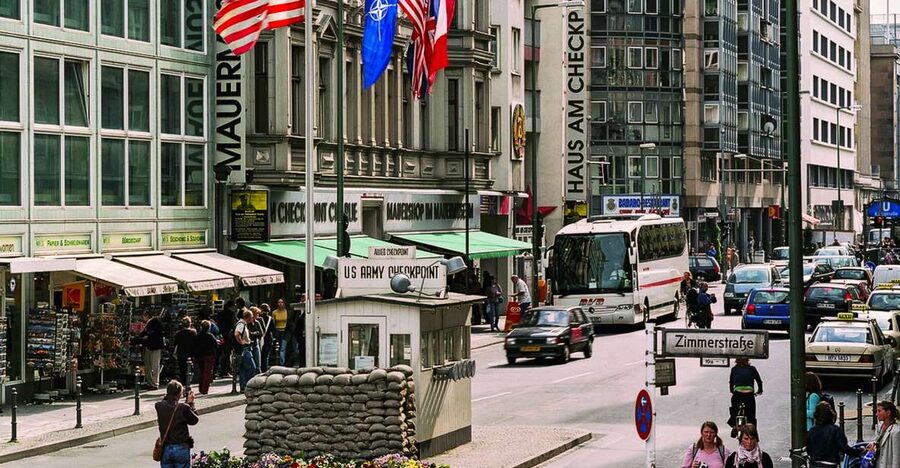
The museum is based at Friedrichstraße 43-45, right in the orbit of Checkpoint Charlie, which helps you connect history to the street in front of you. It opened on October 19th, 1962, soon after the Wall went up, starting as both protest and help for people trying to escape the unjust GDR regime. You’re walking into a story that grew over time, not a quick stop that ends at the fall of the Wall.
In This Review
- Key Highlights You’ll Actually Care About
- Skip-the-Line Entry at Friedrichstraße: Getting There Without the Headache
- Checkpoint Charlie Without the Tourist Trap Feeling
- The Escape Gallery: Hot-Air Balloon, Mini-Submarine, Cars, and Airplanes
- How the Museum Turns Political Control Into Personal Experience
- The Museum Started in 1962 as Protest and Help
- From Wall to Resistance: Protests and Non-Violent Pressure
- Time on Site: Why 1 Day Can Mean 1-2 Hours or 2.5 Hours
- Price and Value: About $21 for Admission That Packs a Lot In
- Practical Tips: Reading Loads, Audio Guides, Photos, and Bag Storage
- Wheelchair Access and Group Reality
- If You Want a Guide, Look for the Storytellers
- Who This Museum Ticket Is Best For
- Should You Book This Skip-the-Line Berlin Wall Museum Ticket?
- FAQ
- How long should I plan to spend at the Berlin Wall Museum?
- What’s included with the ticket?
- Is there an audioguide available?
- Where do I meet for this experience?
- Is the skip-the-line feature included?
- Is the museum wheelchair accessible?
Key Highlights You’ll Actually Care About
- Real artifacts tied to escapes: hot-air balloon, mini-submarine, cars, and airplanes used by people trying to get out
- A museum that started as protest: founded right after the Wall’s construction to fight human-rights violations
- Donated objects from escapees and helpers: after reaching safety, escape tools and materials became museum exhibits
- A bigger museum than it looks: many visitors plan around 2 to 2.5 hours, sometimes more
- Checkpoint Charlie context on-site: the exhibits connect to the famous crossing area and its symbolism
- Text and translation heavy: great for learning, but not ideal if you want lots of interactive stuff
Skip-the-Line Entry at Friedrichstraße: Getting There Without the Headache
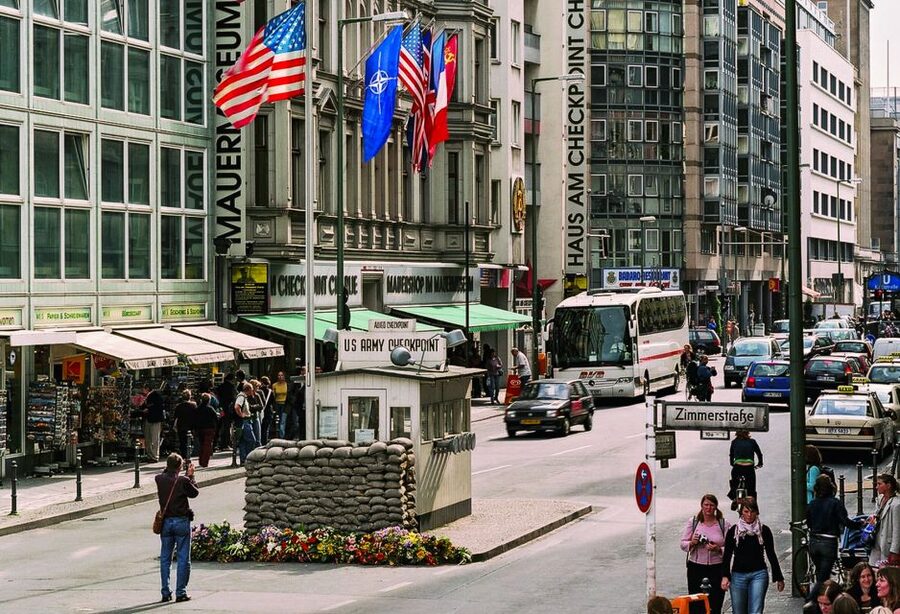
This is one of those Berlin ticket experiences where the value is obvious on day one. A skip-the-line ticket matters most because museums here can get slow fast when you’re arriving near peak hours or with school groups.
Your meeting point is Friedrichstraße 43-45, 10969 Berlin, which is close enough to Checkpoint Charlie that you can feel you’re doing history in place, not in a separate bubble. Once inside, you’re not forced to wait for a timed group start since the ticket is about admission and entry flow.
If you’re the type who likes to get your bearings fast, this format helps. You can also plan your visit around your attention span: you don’t need to rush through, but you also don’t need an all-day commitment unless you want it.
You can also read our reviews of more museum experiences in Berlin


Checkpoint Charlie Without the Tourist Trap Feeling
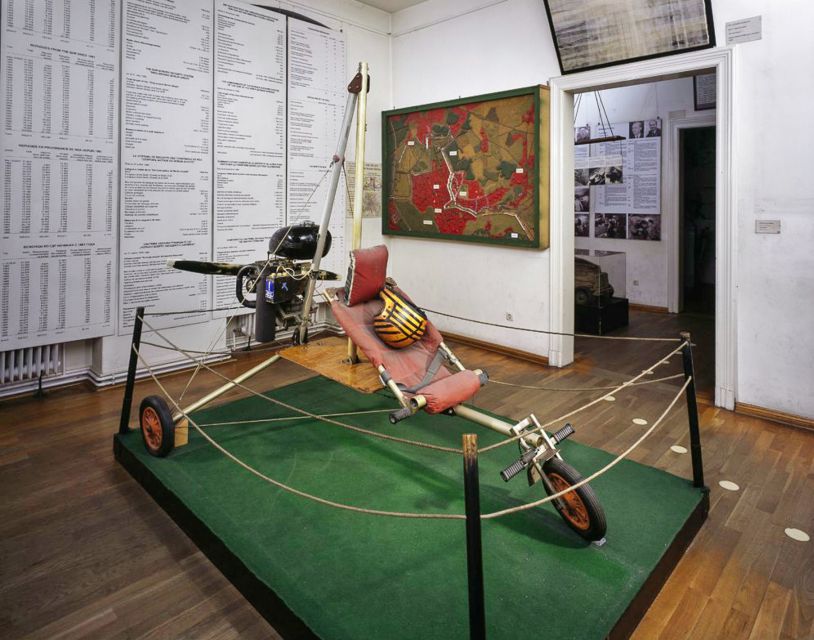
One of the smartest things the museum does is not letting you treat Checkpoint Charlie as just a postcard. The site and the exhibits work together so the famous name becomes a window into how the Wall shaped movement, choices, and fear.
You’ll find a lot of the storytelling anchored in how East Germans tried to flee, and how networks of helpers responded. That framing is why the museum feels heavier than many Cold War displays: it’s about the human cost and the logistics of getting free.
A bonus detail: there’s mention of a good overhead view of Checkpoint Charlie from inside the museum. Even if you’ve already seen the area outside, that indoor perspective tends to stick because it gives you scale.
The Escape Gallery: Hot-Air Balloon, Mini-Submarine, Cars, and Airplanes
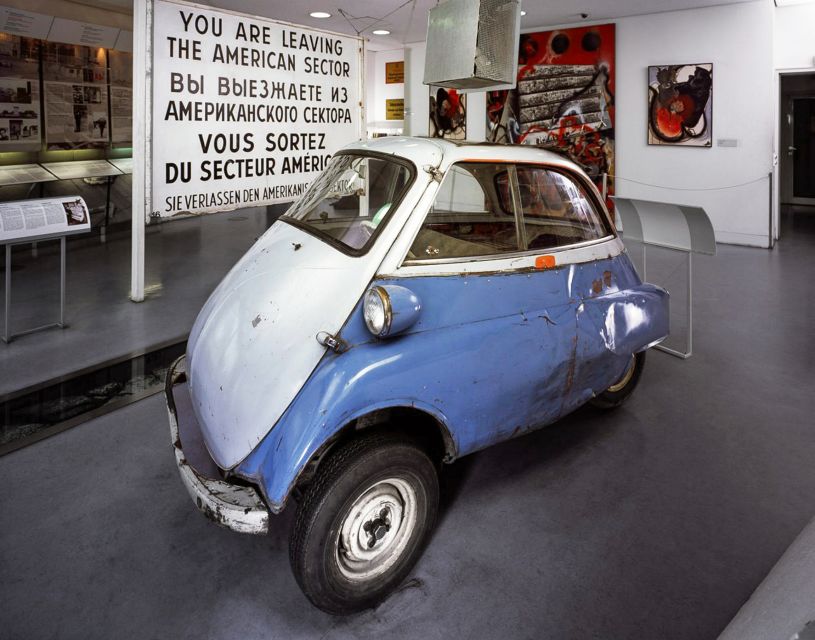
If you remember the Berlin Wall mostly as a concrete barrier, this museum challenges that. The strongest sections focus on escape attempts that required planning, courage, and engineering—sometimes with wildly inventive tools.
Expect to see original artifacts connected to successful escapes, including a hot-air balloon, a mini-submarine, and examples involving cars and airplanes. The emotional impact comes from the mismatch between scale and outcome: how small some people’s chances were, and how big the effort had to be to beat the system.
Just as important, the exhibits explain these were not lone stunts. The story repeatedly circles back to helpers who supported people fleeing the GDR, and the museum presents those helpers as part of a wider resistance pattern.
One practical note: the museum is described as larger than many people expect. So if you’re planning your “escape gallery only” strategy, you’ll likely end up wandering more rooms than you intended.
How the Museum Turns Political Control Into Personal Experience
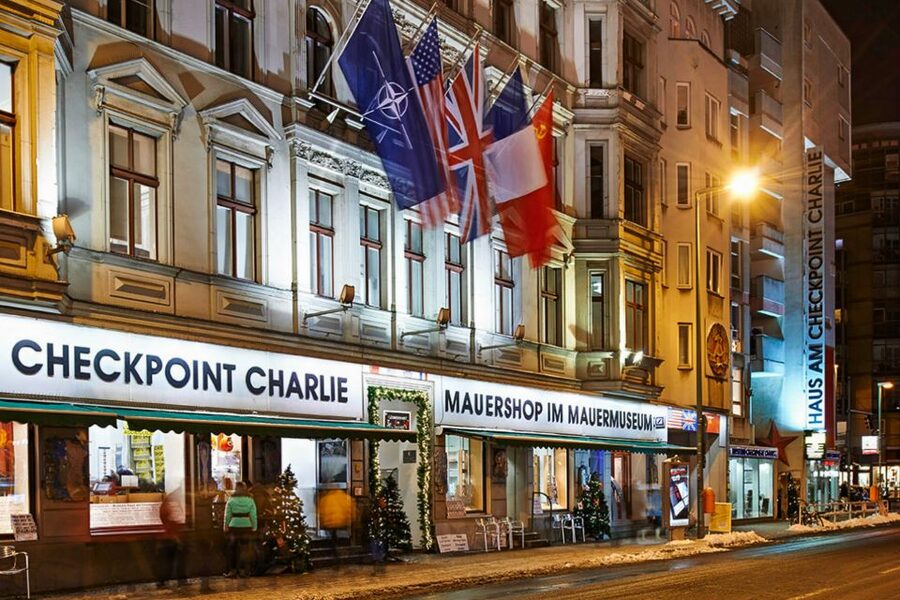
The Berlin Wall Museum doesn’t treat history like it happened in another country and ended on a specific date. It explains the GDR regime and the way the Wall controlled everyday life—where people could go, what they risked, and how escape wasn’t just difficult, it was dangerous.
That is where the museum earns its seriousness. Instead of only showing dramatic escape objects, it links them to the broader reality: surveillance, restricted movement, and the desperate logic of trying anyway.
You’ll also notice the museum’s overall structure makes the politics easier to follow than you might expect. Even when you’re not an expert, the exhibits guide you through how East-West division shaped Berlin, then how attempts to break out fit into that system.
A balancing point: one visitor noted that the narrative flow from entrance to exit could use a rethink. Translation and layout may help, but if you’re sensitive to getting lost among lots of text, go in with a plan: pick two or three “must-see” themes, then let everything else fill in around them.
The Museum Started in 1962 as Protest and Help
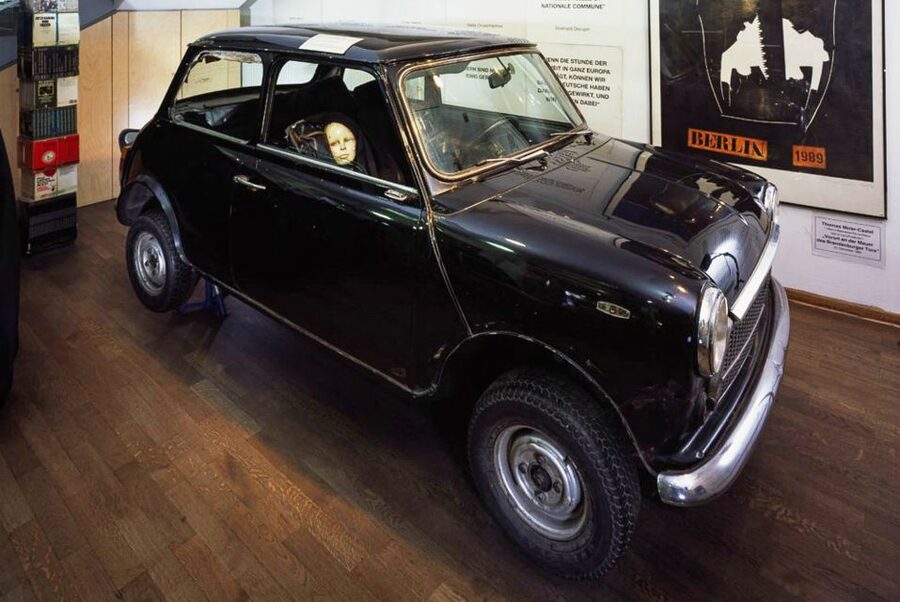
This museum has a behind-the-scenes origin story that’s more than trivia. It was founded on October 19th, 1962, shortly after the Wall began, as a protest against the Wall and as a way to assist people seeking help.
Over time, it grew in exhibition space and continued working as a historical record tied to human-rights violations connected to the Wall. That matters because it explains why the objects and stories feel urgent, not neutral.
You’re not just browsing artifacts. You’re seeing a collection built around lived events—objects that were donated after escape attempts succeeded. That donation piece gives the museum a moral weight. The tools aren’t just curiosities; they’re proof.






From Wall to Resistance: Protests and Non-Violent Pressure
The story doesn’t stop at 1989. There’s a clear effort to show that resistance wasn’t only about escape tunnels and inventions.
One of the praised sections is the connection to protests and non-violent movements yearning for human rights. The museum also includes exhibits that move beyond a single timeline, so you’re encouraged to think about what happens after a regime falls—and what kinds of pressure still matter.
There are also mentions of the museum continuing to document and archive through today. For example, one visitor pointed out a display connected to more recent conflict, including an object from a family fleeing Ukraine. That kind of exhibit can feel uncomfortable, but it also prevents history from being sealed off in the past.
If you want a museum that connects the Wall to modern displacement and rights issues, you’ll likely appreciate that approach.
Time on Site: Why 1 Day Can Mean 1-2 Hours or 2.5 Hours
A “duration: 1 day” ticket can still mean wildly different visits depending on how you read.
Many people spend about 2 to 2.5 hours, largely because the museum is described as crammed with information and lots of translation text. Others say 1-2 hours can be enough if you skim or focus on the main sections.
Here’s the practical strategy I’d use if you only have one chunk of time:
1) Start with the escape artifacts and related explanations.
2) Then move into the broader GDR context.
3) Save the “resistance and beyond” rooms for last, even if that section is what you’re most excited about.
If you do it this way, you’ll leave with a clear mental chain instead of random interesting objects.
Price and Value: About $21 for Admission That Packs a Lot In
At roughly $21 per person, you’re paying for an admission ticket with the big advantage of skip-the-line entry. Since the included benefit is the ticket itself, the value comes from the amount of museum content you’re able to access without friction.
Is it a bargain compared with smaller exhibits? You’ll often feel it is, because the museum’s scale and content density tend to stretch your visit. Several people describe it as larger than expected, with enough material to keep you busy longer than a quick stop.
One balanced caution: if you dislike reading, the museum’s format may feel expensive per minute of enjoyment. In that case, you’ll want to decide in advance whether you’re coming for the learning or mainly to check off an iconic Berlin stop.
Practical Tips: Reading Loads, Audio Guides, Photos, and Bag Storage
This museum is not shy about text. Multiple comments point to the experience being very informative but heavy on reading, with some interactive elements not working. If you’re traveling with teens who lose focus easily, plan for the possibility that they may speed through faster than you want.
Audio guides are not included with this ticket. There are also mixed signals about whether an audio guide is worth it: one person said the audio wasn’t recommended at the counter, while another wished they had gotten a headset. My take: if you know you read slowly, consider bringing your own device for note-taking and pacing rather than expecting audio to solve everything.
Photography rules can also be restrictive. One visitor was disappointed that they weren’t allowed to take photos, so treat that as a real possibility. On arrival, check signage and follow staff instructions.
If you’re carrying a bag, plan ahead. One review noted needing a locker deposit using a 2 euro coin. Even if that rule has changed since, it’s smart to travel light or bring a coin just in case.
Wheelchair Access and Group Reality
This experience is wheelchair accessible, which is a big plus for Berlin’s sometimes complicated museum access.
On the group side, expect that the museum can include school visits. One person described a noisy moment during their visit when teenagers were sitting in a way that annoyed other visitors. You can’t control that, but you can reduce the odds by choosing a calmer time of day if you’re sensitive to noise.
If You Want a Guide, Look for the Storytellers
Your ticket includes entrance only, not a guided tour or audioguide. Still, if you end up adding a guided element elsewhere, pay attention to the people who are praised for pacing and storytelling.
Names that came up include Peter, Steve, and Louisa, with comments about clear pacing and real-feeling stories. Even without a formal guide, you can mimic that approach: pick themes and ask yourself what changed over time—escape tools, helper networks, and the shift from the Wall’s construction to later resistance and human-rights documentation.
Who This Museum Ticket Is Best For
This is the kind of museum that works especially well if you like:
- true stories with tangible artifacts
- clear context for Cold War politics
- learning that connects local Berlin history to world events
It’s also a good match if you want one major “must-see” museum that doesn’t stop at the iconic checkpoint photo moment.
If you strongly prefer hands-on exhibits and short text, this may feel like a slog. The upside is that even those who find it heavy tend to come away with a deeper understanding of how hard life was under the GDR and how creative people had to be to try escaping.
Should You Book This Skip-the-Line Berlin Wall Museum Ticket?
Yes, you should book it if you’re in Berlin for a limited time and you want a serious, artifact-based look at escape attempts tied to the Wall. The skip-the-line benefit is a real advantage, and the museum’s mix of original escape objects plus broader political context makes it worth the money.
Don’t book it only if you know you hate reading and you want mostly interactive exhibits. In that case, you might feel frustrated with the text density and the time it takes to read enough to make the story click.
If you do book, treat it like a learning session: wear comfortable shoes, bring a light bag (and maybe a coin), and plan on staying long enough to connect the escape stories to the bigger picture.
FAQ
How long should I plan to spend at the Berlin Wall Museum?
Many visitors spend close to 2 to 2.5 hours, but some say 1-2 hours can be enough depending on how much you read.
What’s included with the ticket?
The included item is the entrance ticket. An audioguide and a guided tour are not included.
Is there an audioguide available?
An audioguide is not included with this ticket. The museum may have options, but you’ll need to check on-site.
Where do I meet for this experience?
The meeting point is Friedrichstraße 43-45, 10969 Berlin.
Is the skip-the-line feature included?
Yes, the ticket is described as Skip the ticket line.
Is the museum wheelchair accessible?
Yes, the experience is wheelchair accessible.