REVIEW · BRUSSELS
Frietmuseum Brussels: Entry to the fries museum with a tasty treat
Book on GetYourGuide →Operated by Frietmuseum Brussels · Bookable on GetYourGuide
Belgian fries have a backstory worth visiting. Frietmuseum Brussels turns a snack you love into a full audio-guided experience and wraps it up with an included cone of fries (with sauce).
I especially like how the museum is built for hands-on learning, not lectures: you get 1,600+ collectibles, posters, films, and interactive games that keep things moving. In the middle of it all, the fry-making vibe really pops, with staff called out for keeping the experience friendly and fun, including Diamond and Flo, the fry masters.
One thing to consider: it’s self-paced, and a guided tour with a live guide isn’t included—so if you want someone to lead you face-to-face the whole way, plan to rely on the audio instead.
Key things you’ll notice right away
- Audio guide in 11 languages lets you follow the story at your pace
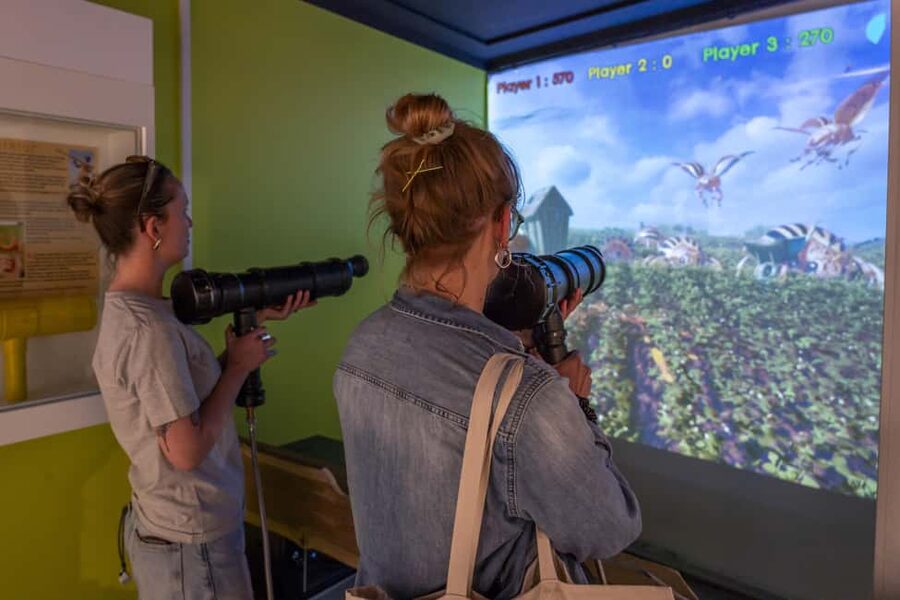
- 1,600+ collectibles and interactive games make the museum feel like a play zone
- The journey starts in Peru, then tracks potatoes and fries across regions
- Frietland focuses specifically on Belgian fries, traditions, and crispy anecdotes
- The visit ends with a real cone of fries + sauce, cooked in beef fat or vegetable oil
In This Review
- Entering Frietmuseum Brussels: a 900 m² fries-world on 3 floors
- First Stop: Peru and the potato story before Belgium
- The world tour section: history displays, films, and fry culture
- Frietland: where Belgian fries get their own world
- The best part: your included cone of fries and sauce
- Fries moments you can’t miss: selfie spots, tractor play, XXL fries
- Price and value: why $16 feels fair here
- How long should you plan, and who will enjoy it most?
- Audio guide languages and what that means for your comfort
- What the staff energy adds (including Diamond and Flo)
- Should you book Frietmuseum Brussels?
- FAQ
- What is included with the entry ticket?
- How much time should I plan for the museum?
- Where does the audio tour start?
- Is there a guided tour with a person included?
- What languages are available for the audio guide?
- What happens after I finish the audio guide?
- How big is the museum space?
- Is the museum interactive?
- How much does it cost?
Entering Frietmuseum Brussels: a 900 m² fries-world on 3 floors

Frietmuseum Brussels is one of those attractions where the topic sounds simple—fries—but the setup is genuinely thoughtful. The space is about 900 m², spread across three floors, so you don’t feel stuck in one room for most of the day. Instead, you move through little worlds, each one answering a different question: Where did the potato come from? How did fries become a Belgian icon? And what makes fries taste right?
The layout also makes it easy to control your time. If you like a slower pace, you can linger at games and displays. If you’re focused on the story and the final fry, you can keep things moving and still feel like you got the full arc.
A nice bonus is that you’re not just looking at history behind glass. The museum is full of interactive elements—think games, films, and plenty of collectible-style exhibits—so even if you’re not a “museum person,” you’ll likely find things to do.
First Stop: Peru and the potato story before Belgium
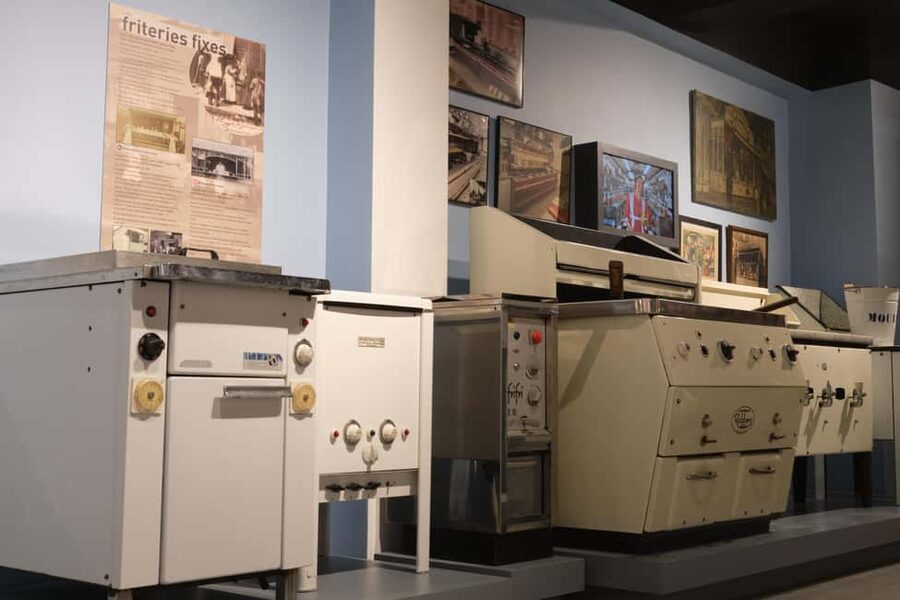
The audio guide route kicks off in Peru, which is a clever way to frame the whole experience. Instead of starting with Belgium on day one, the museum pushes you to understand the potato’s origin and how it traveled. For a food-themed attraction, this choice matters: it turns fries from a local snack into a global story.
You’ll follow the audio guide as it moves through how potatoes were cultivated across South America and Europe. That gives you context before you learn what makes Belgian fries special. It’s also a good mental reset. Even if you’ve eaten fries your whole life, you’ll likely come out with a better sense of why potatoes are so closely tied to the history of European cooking.
If you’re someone who likes food facts but doesn’t want a heavy classroom vibe, the audio approach works well. You get bite-size storytelling while walking through visual exhibits that support it.
You can also read our reviews of more museum experiences in Brussels


The world tour section: history displays, films, and fry culture
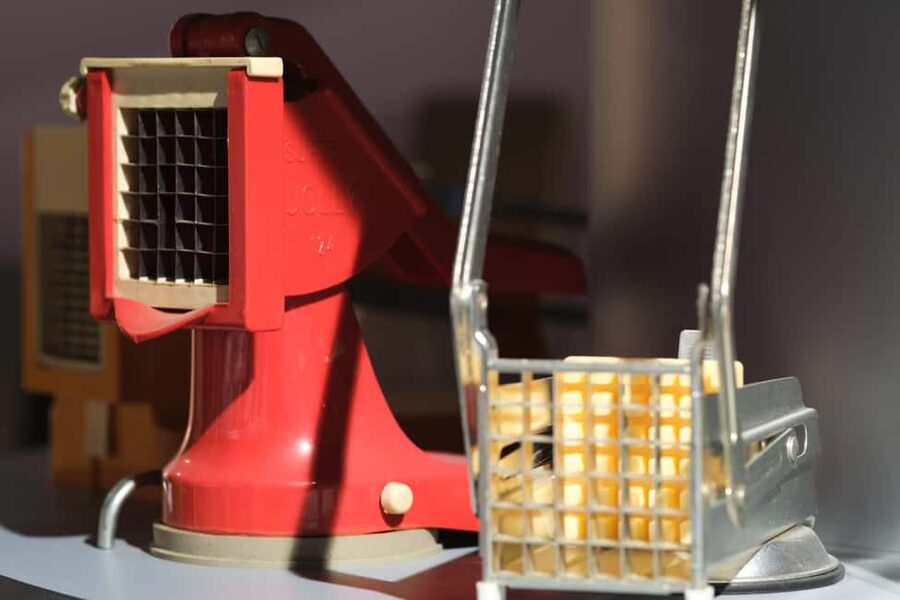
After the Peru introduction, the experience shifts into a broader timeline. You’re guided through how potatoes and fries evolved over time, with materials that include old posters, films, and testimonials from fry cooks—often referred to in a Belgian context as friturists.
This part of the museum is where you start to understand fries as culture, not just food. Fries aren’t only about flavor; they’re also about the way communities cook and share them. The testimonial element helps with that. You’re not just learning “what happened,” you’re hearing the human side of why fries became a tradition.
There’s also a lot of collection-heavy detail in this zone. The museum has over 1,600 collectibles, so you’ll see plenty of small, interesting items as you move. It’s the kind of place where your eyes keep catching new things as you pass through.
One practical tip: go at a pace you can sustain. If you rush through, you may miss the connections between the story points. If you slow down too much, you’ll end up with that hungry feeling before the end—because yes, the fries payoff is waiting for you.
Frietland: where Belgian fries get their own world
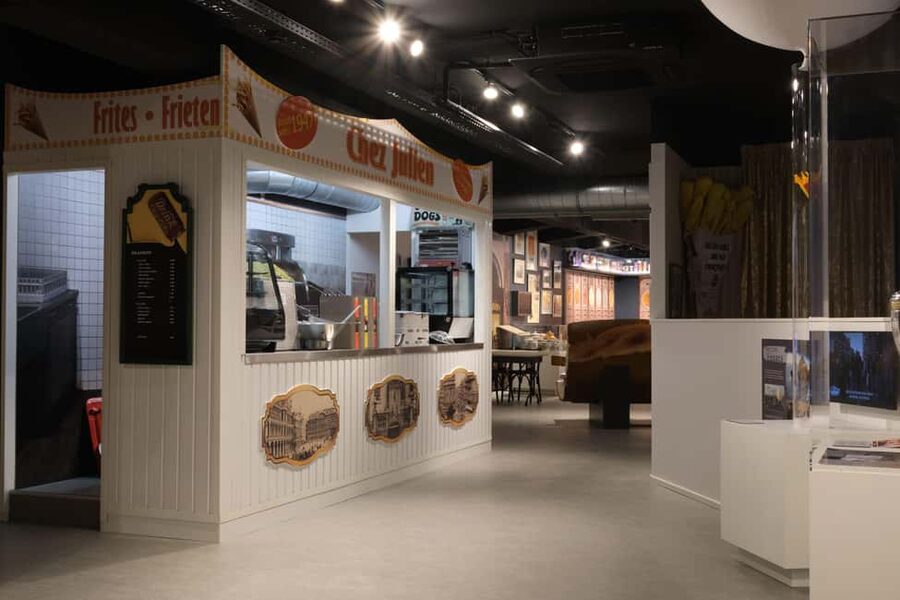
Halfway through, you reach Frietland, and this is the section that turns the general potato journey into something more personal: Belgian fries.
Frietland is built around Belgian fry traditions, folklore, and crispy anecdotes—basically, the museum shifts from “where fries came from” to “why Belgian fries feel like a distinct thing.” This is the part that makes the attraction feel fun and local, not just informative.
It’s also where interactive games and themed storytelling tend to shine. The museum doesn’t treat Belgian fries like a finished product you’re supposed to admire from a distance. Instead, it treats them like something with craft and personality—something shaped by techniques and choices.
If you’re going with kids or a group of mixed ages, Frietland is usually the zone that gets the most energy. The theme is instantly understandable, and the museum’s language is playful, not stuffy.
The best part: your included cone of fries and sauce
You can think of Frietmuseum as having a clear “bookends” structure: story on the way in, flavor at the end.
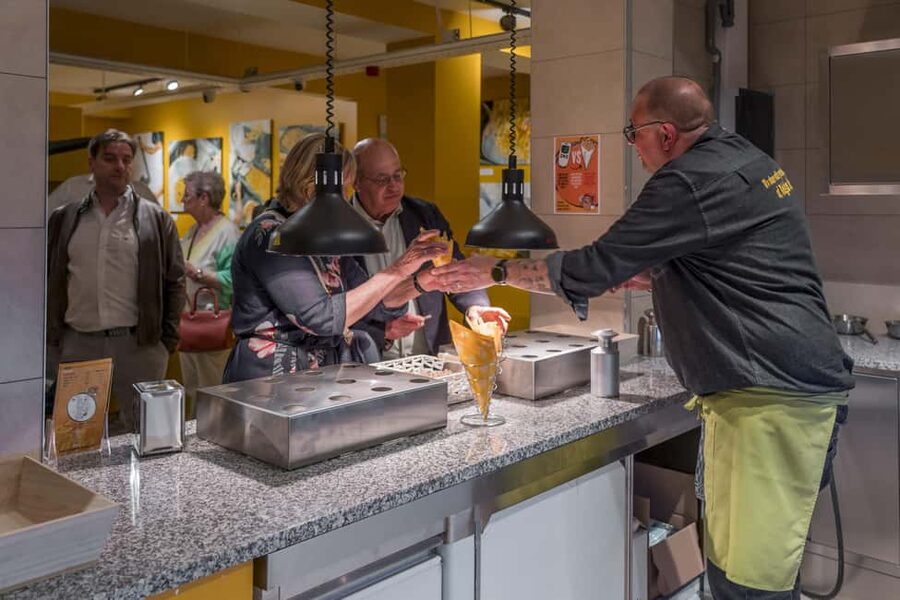
When you finish the audio guide, you hand it in and receive a cone of fries with sauce. This included food element is one of the strongest value drivers in the whole experience. For a ticketed museum attraction, it’s a smart way to keep things grounded in the subject.
The museum also cooks your fries in either typical Belgian beef fat or vegetable oil. That’s an important detail if you care about flavor style, dietary choices, or simply wanting the classic result versus a different option.
Expect it to feel like a reward, not a random snack. After learning about potatoes, techniques, and traditions, eating the fries at the end is where the story clicks. The cone format also keeps it easy to enjoy without turning lunch into a multi-step plan.
Fries moments you can’t miss: selfie spots, tractor play, XXL fries
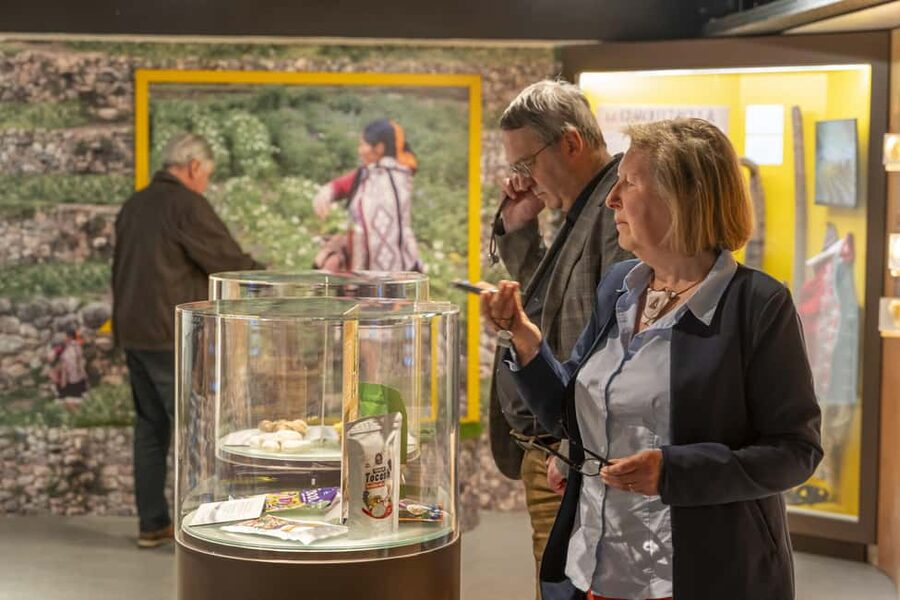
The museum gives you plenty of chances to capture your visit in fun, themed ways. You’ll find opportunities like:
- a selfie spot in a friterie
- a tractor-style potato harvesting moment
- photo-friendly areas featuring XXL specialty fries
These aren’t just gimmicks. They match the museum’s core idea: fries are serious enough to have a culture, but they’re still meant to be enjoyed. If you like taking photos, you’ll have several chances without having to wait for a specific “photo time.”
If you don’t care about photos, the good news is you can still benefit. Those areas signal where the museum wants you to slow down and interact. They’re also great for short breaks inside a museum setting—especially if you’ve been standing and walking for a while.




Price and value: why $16 feels fair here
At $16 per person for a roughly 1-day experience, Frietmuseum can look pricey at first glance—until you count what’s included.
Your ticket includes:
- the audio guide
- a cone of fries with sauce
In other words, you’re paying for a multi-floor museum experience and a real food finish. Many attractions separate those things: museum ticket on one side, food on the other. Here, they’re bundled into one clear offer, which makes it easier to judge value.
Is it the cheapest thing in Brussels? No. But for food-focused travelers, it’s a strong buy because you’re paying for entertainment, learning, and a tangible reward. If you’re the type who likes “taste + story” experiences, it’s likely to feel like a good deal.
How long should you plan, and who will enjoy it most?
The experience is designed to fit into a day, and the museum’s content moves through a natural arc: origin story, timeline, Belgian focus, then fries. In practice, you’ll probably spend well over an hour if you actually play with the interactive elements and read more than the bare minimum on displays.
This is a great fit for:
- foodies who want more than just eating
- families who need activities that don’t feel like homework
- history-and-culture lovers who like stories tied to real places and people
- anyone who enjoys a museum that’s more hands-on than silent
It’s also a good pick for solo travelers because the audio guide lets you move at your own speed. You’re not waiting for a group’s pace or stuck in a one-size-fits-all schedule.
One caution: if you’re in a hurry and you skip much of the interactive section, you may feel like you didn’t “get your money’s worth.” This museum is better when you let it work as a whole, not as a quick photo stop.
Audio guide languages and what that means for your comfort
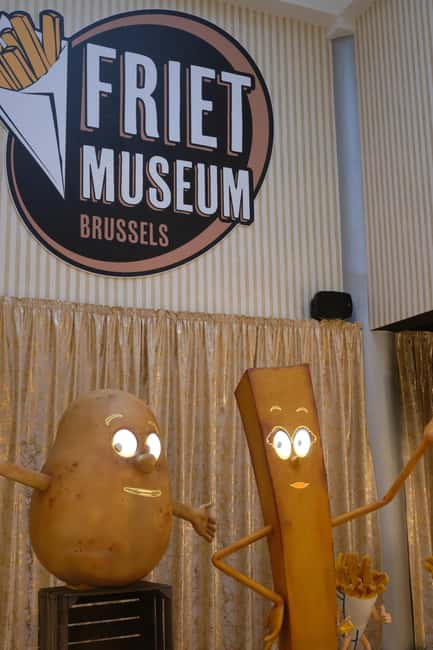
The audio guide is available in 11 languages: Dutch, French, English, Spanish, Italian, Russian, Chinese, Japanese, Arabic, German, and Portuguese.
That matters more than it sounds. When the museum’s subject is detail-heavy—origins, history, techniques—the language you choose affects how much you truly absorb. With a broad selection, you can pick the option that matches your comfort level, which helps you enjoy the exhibits without straining.
Also, because the museum is self-paced, the audio format supports your rhythm. If you want to read a little and then listen, you can. If you’d rather listen and keep moving, you can do that too.
What the staff energy adds (including Diamond and Flo)
A big part of why this museum feels welcoming is the staff presence around the fry theme. In the experience, fry-related roles and friendly guides show up in the story and the atmosphere, with names like Diamond and the fry masters including Flo being specifically highlighted.
That kind of recognition isn’t just nice to hear—it tells you the museum is more than a hallway of artifacts. There’s a human tone to it, and that makes the learning feel lighter.
So if you’re someone who worries a themed museum might feel flat or overly scripted, this one has the warmth factor that keeps it from becoming a one-note attraction.
Should you book Frietmuseum Brussels?
I’d book it if you want a Brussels activity that blends food, story, and hands-on fun in one ticket. The big reasons to go are the audio-guided journey (starting in Peru and moving through the potato and fries story), the interactive, multi-floor setup, and the included cone of fries with sauce at the end.
Skip it only if you strongly prefer guided tours led by a live person for every step. Since there’s no guided tour included, you’ll be responsible for driving your own pace with the audio.
If your goal is a satisfying, slightly quirky, very snack-related cultural stop, Frietmuseum is exactly that.
FAQ
What is included with the entry ticket?
Your ticket includes an audio guide and a cone of fries with sauce.
How much time should I plan for the museum?
Plan for about 1 day, and in the museum itself you may spend more time if you use the interactive elements and take your time with the audio route.
Where does the audio tour start?
The audio guide begins in Peru, then moves through the potato and fries story across South America and Europe.
Is there a guided tour with a person included?
No. A guided tour is not included—you’ll use the audio guide instead.
What languages are available for the audio guide?
The audio guide is available in 11 languages: Dutch, French, English, Spanish, Italian, Russian, Chinese, Japanese, Arabic, German, and Portuguese.
What happens after I finish the audio guide?
When you hand in the audio guide, you receive a cone of fries with sauce cooked in beef fat or vegetable oil.
How big is the museum space?
The museum covers about 900 m² across three floors.
Is the museum interactive?
Yes. Expect interactive games along with collectibles, posters, films, and testimonials.
How much does it cost?
The price is $16 per person.