REVIEW · BRUSSELS
Brussels: Museum of Illusions Entry Ticket
Book on GetYourGuide →Operated by Museum of Illusions Brussels · Bookable on GetYourGuide
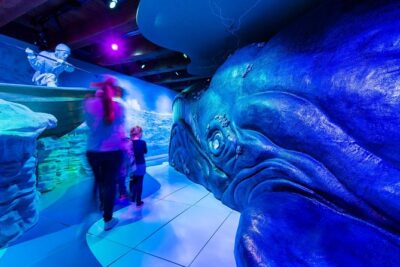
Your eyes will argue with your brain. The Museum of Illusions in Brussels turns that fight into fun, with 60+ interactive optical setups built for quick experiments and photos. It’s also one of the biggest in Europe, so you’re not just looking at displays.
What I like most is how hands-on it feels, not like a museum you just walk through. I also appreciate the staff help with group photos, including support from English-speaking team members such as Hannah. One drawback to consider: the experience often fits into about an hour, so it can feel short if you expected a longer, slower visit.
In This Review
- Key highlights (quick hits before you go)
- Museum of Illusions Brussels: what your $22 ticket really buys
- Getting in: exchanging your voucher at the ticket counter
- The 60+ interactive illusions: why the brain games feel so real
- Brain-teasing puzzles: the part that goes beyond photos
- Photo ops that actually work for groups
- Timing your visit: planning for about one hour
- Who this is best for in Brussels (and who should pause first)
- Staff support and languages: English, French, Dutch
- Is the Museum of Illusions worth it in a Brussels itinerary?
- FAQ
- How long is the Museum of Illusions Brussels visit?
- Where do I exchange my voucher?
- How much does the Museum of Illusions Brussels entry ticket cost?
- Is food or drinks included?
- What is the cancellation policy?
- Can I reserve now and pay later?
- Is the ticket valid for one day?
- What languages are available?
- Is the museum wheelchair accessible?
- Is there a host or greeter on-site?
- Should you book Museum of Illusions Brussels?
Key highlights (quick hits before you go)
- 60+ interactive illusions that react when you move, stand, or pose
- About 1 hour for a full circuit, with time to repeat favorites
- Staff on hand for photos and directions, in English, French, and Dutch
- Brain games and puzzles that add more than just visual tricks
- Good for all ages, from kids to adults who like testing themselves
- A solid rainy-day plan, since you’re indoors and busy the whole time
Museum of Illusions Brussels: what your $22 ticket really buys
For $22 per person, you’re buying access to a hands-on exhibition, not a performance and not a guided tour in the classic sense. The value comes from the number of stations you can play at. Over 60 illusions means there’s enough variety that you’re unlikely to get bored quickly.
You also get something that’s rare in museums: a built-in excuse to interact. You’re meant to try the optical tricks yourself, take photos, and test what your brain thinks you’re seeing. If you’re traveling with family or friends, this kind of place keeps everyone engaged without needing a complex plan.
One more value point: the ticket is valid for 1 day, which makes it easier to fit around Brussels weather, lines, or your schedule. And if plans change, there’s free cancellation up to 24 hours in advance.
A few more Brussels tours and experiences worth a look

Getting in: exchanging your voucher at the ticket counter
Before anything fun happens, you exchange your voucher at the ticket counter. That’s your practical first step, and it matters because it avoids delays at the entrance.
Once you’re checked in, you’ll have a clear flow into the exhibition. The experience is structured enough to keep you moving, but open enough that you can set your own pace. You’re not locked into a rigid script, which is great when you want extra time at a station that you and your group can’t stop arguing about.
If you’re going with kids, arriving a bit early helps. They’ll want to start immediately, and giving yourself a cushion makes the whole visit smoother.
The 60+ interactive illusions: why the brain games feel so real
This museum is built around optical illusions that mess with perception. The point isn’t just to show a trick. It’s to make you notice how your brain fills in gaps, guesses what it expects, and sometimes gets it wrong.
Because the illusions are interactive, you’ll learn by doing. Stand in the spot. Move your hands. Change your angle. Watch the illusion shift or lock in. That cause-and-effect is what makes it feel clever instead of random.
You should also expect a physical side. Some people can get dizzy from watching or focusing on certain patterns. So if you’re someone who gets lightheaded with motion or strong visual effects, take breaks. I’d rather you pause and enjoy the rest than push through and regret it.
Brain-teasing puzzles: the part that goes beyond photos
Yes, the photo moments are a big part of the appeal. But the museum also includes fun brain games and brain-teasing puzzles, which give the visit more depth than a simple stroll.
This matters because it changes the pace. If you spend the whole time only taking pictures, you’ll burn through faster. With puzzles and games in the mix, you get a second style of challenge: thinking, not just posing.
For group trips, puzzles are especially useful. They create a shared activity where people trade ideas and compare what they’re seeing. Even if one person gets stumped, you can still laugh and keep going.
Photo ops that actually work for groups
If your main goal is photos, you’re in the right place. The illusions are set up for framing and for that classic “wait, how is that possible” effect. You’ll find lots of opportunities to take shots with friends or family.
What makes it easier is that staff are around to help. Multiple people mention that the team actively supports groups with pictures, so you’re not stuck begging strangers for help. That support can also help when you’re trying to replicate an angle for the best effect.
Tip for better photos: treat it like a mini photo session, not a quick snapshot. Try a couple of positions, then take a few shots. The illusion often looks best from a specific viewpoint, so a small shuffle can make a huge difference.
You can also read our reviews of more museum experiences in Brussels



Timing your visit: planning for about one hour
The visit is designed to take around 1 hour, and that’s a key planning detail. Some visits can feel quick, especially if you move briskly between stations. Others feel just right if you pause for puzzles and take time getting photos.
When you book, you’ll see starting times based on availability. So pick a slot that matches your energy level. If you’re also trying to see Brussels sights that day, a 1-hour window helps you avoid overcommitting.
If you’re a slow explorer, give yourself a little extra time outside the museum. That way you can do a full circuit, return to your favorites, and still walk out feeling satisfied instead of rushed.
Who this is best for in Brussels (and who should pause first)
This museum is a strong match if you like interactive experiences and don’t mind being challenged a little by your own senses. It’s also friendly for families, since the setup is playful and easy to jump into.
It’s also ideal for couples who want a shared activity. You’ll do something together that doesn’t require long conversations, and the results are visual. Plus, it’s one of those places where laughter comes naturally.
For solo travelers, it can still work well. You’ll be able to move through the stations at your own pace, and you can take photos without needing coordination.
The main group to consider carefully is anyone who gets dizzy with optical effects or strong visual patterns. You don’t have to skip it, but plan breaks and don’t try to “win” the illusion by pushing through discomfort.
Staff support and languages: English, French, Dutch
The museum provides hosts or greeters who speak English, French, and Dutch. That’s useful because it makes it easier to understand how to proceed and where you might get stuck.
Friendly staff support shows up in the way people talk about the visit. In plain terms: you’re not left alone to figure everything out. If you’re traveling with kids, that extra help can be the difference between a smooth visit and a frantic one.
If your group includes mixed language comfort, you should feel fine. English is available, and so are French and Dutch.
Is the Museum of Illusions worth it in a Brussels itinerary?
I think it’s worth booking if you want an indoor, hands-on activity that turns your senses into the entertainment. With 60+ illusions, photo-friendly setups, and brain games, it’s a good use of time when you’re in Brussels and need something easy to plug into your day.
It’s also a smart value play because you’re not paying for a single “one-time” attraction. You’re paying for repetition. If you and your group like messing around with the same station from different angles, the ticket keeps paying off.
But if you expected a long museum crawl, adjust your expectations. Plan on about an hour, not a half-day. Treat it like a fun stop, not a replacement for everything else you want to see in Brussels.
FAQ
How long is the Museum of Illusions Brussels visit?
Most visits are about 1 hour. The activity is designed around that kind of time, so you can plan a short, focused stop.
Where do I exchange my voucher?
You must exchange your voucher at the ticket counter before the visit begins.
How much does the Museum of Illusions Brussels entry ticket cost?
The price is $22 per person.
Is food or drinks included?
No. Food and drinks are not included with the entry ticket.
What is the cancellation policy?
You can cancel up to 24 hours in advance for a full refund.
Can I reserve now and pay later?
Yes. There is a reserve now & pay later option, so you can book and pay nothing today.
Is the ticket valid for one day?
Yes. It’s valid for 1 day, and starting times depend on availability.
What languages are available?
The host or greeter speaks English, French, and Dutch.
Is the museum wheelchair accessible?
Yes, it is wheelchair accessible.
Is there a host or greeter on-site?
Yes. A host or greeter is available, and they can help in English, French, and Dutch.
Should you book Museum of Illusions Brussels?
Book it if you want a short indoor activity with lots of hands-on stations, strong photo opportunities, and brain games. It’s also a great pick when Brussels weather is unpredictable.
Skip or rethink it if you’re looking for a long, slow museum experience. This is more about quick challenges and playful exploration, usually finishing in about an hour. If that matches your style, you’ll likely have a fun, slightly mind-bending time.