REVIEW · MEXICO CITY
Mexico City: Chapultepec Castle and Anthropology Museum Tour
Book on GetYourGuide →Operated by Amigo Tours LATAM · Bookable on GetYourGuide
Chapultepec Hill tells two stories at once. This 5-hour combo pairs the Chapultepec Castle world of Maximilian I with the National Museum of Anthropology, where pre-Hispanic cultures like Maya and Toltec show up room by room. I like how the day is guided in English and Spanish, and how guides such as Leonardo, Lili, Alex, Antonio, and Gio use clear context so you’re not just reading plaques.
I also love the contrast: European ornamentation and marble stairways at Chapultepec, then artifacts and whole rooms that explain how Mexico’s older civilizations fit together. The one real consideration is that it’s a long walk day with a highlight route, so you won’t see every room in either museum—plan your energy and come ready to move.
In This Review
- Key things that make this tour worth your time
- Chapultepec Hill: why this castle-museum pairing works
- Starting at the National Museum of Anthropology: where the day begins
- National Museum of Anthropology: a highlight route you can actually handle
- The walk through Chapultepec Park and Avenida Grutas break reset
- Chapultepec Castle: Maximilian I, marble stairways, and big political symbolism
- Your bilingual guide: how you get the most out of the English gaps
- Pace, photos, and restroom reality checks
- Price and value: is $47 a good deal for this combo?
- Who this tour suits best (and who should think twice)
- Weather and closure: the one hiccup to plan for
- Should you book this Chapultepec Castle and Anthropology Museum tour?
- FAQ
- What is included in the tour?
- How long is the experience?
- Where does the tour start and where does it end?
- Are the tours offered in English and Spanish?
- Is there a private group option?
- What if I need to cancel?
- What happens on rainy days?
- Will I be able to see everything inside the Anthropology Museum?
Key things that make this tour worth your time
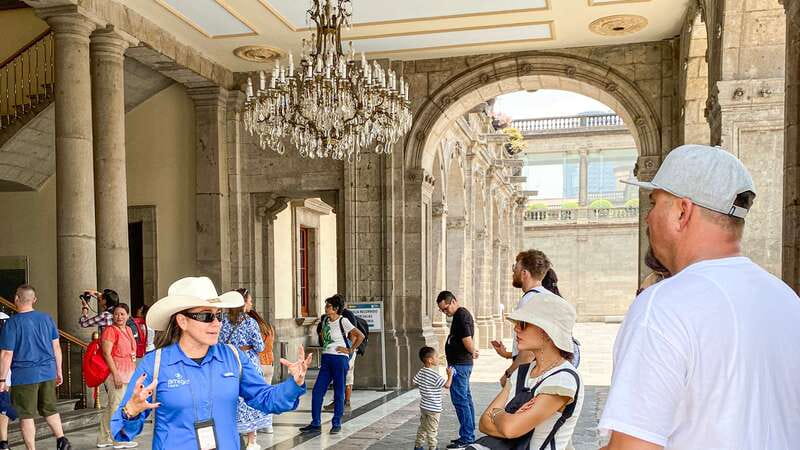
- Maximilian I at Chapultepec: You’ll walk through the imperial residence in a setting that once held sacred meaning for the Aztecs.
- Big museum, guided highlights: The Anthropology Museum is enormous, so your guide keeps you focused on the most meaningful rooms.
- Pre-Hispanic cultures, explained clearly: Maya, Toltec, and other groups get placed into a timeline you can actually follow.
- Bilingual Q&A that saves you: Many explanations and plaques aren’t in English, so asking questions matters.
- A short break before the castle climb: The coffee/snack stop at Avenida Grutas helps reset your legs.
- City views from Chapultepec Park: The walk between stops isn’t just transit; it’s part of the experience.
Chapultepec Hill: why this castle-museum pairing works
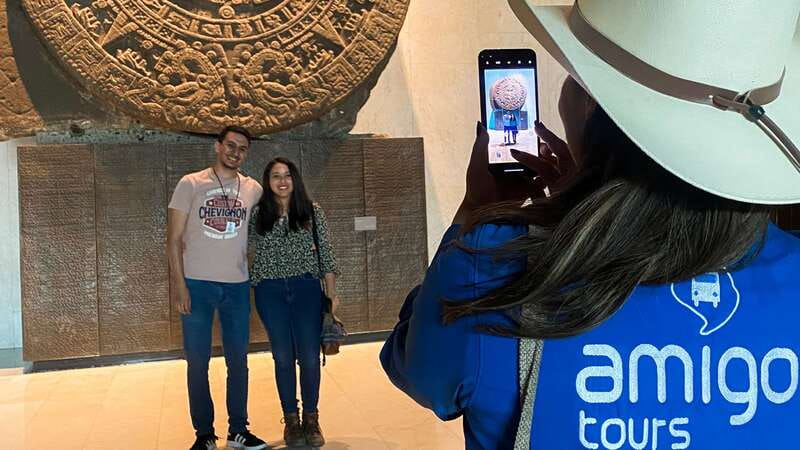
Mexico City has a talent for stacking time on top of time, and Chapultepec Hill is the poster child. You start in the National Museum of Anthropology’s world of Mesoamerica, then you end at Chapultepec Castle with its European-style rooms and political symbolism.
This tour works because it forces you to compare two ways of telling Mexico’s story. One is about pre-Hispanic civilizations and their lasting influence; the other is about later power and how it tried to reshape the country’s image. When you do them in one day, the connections feel sharper.
The hill also does something practical for you: it concentrates walking into a predictable route. You’re not bouncing across town. You’re staying in one “history pocket,” with Chapultepec Park as your breather between stops.
You can also read our reviews of more city tours in Mexico City

Starting at the National Museum of Anthropology: where the day begins

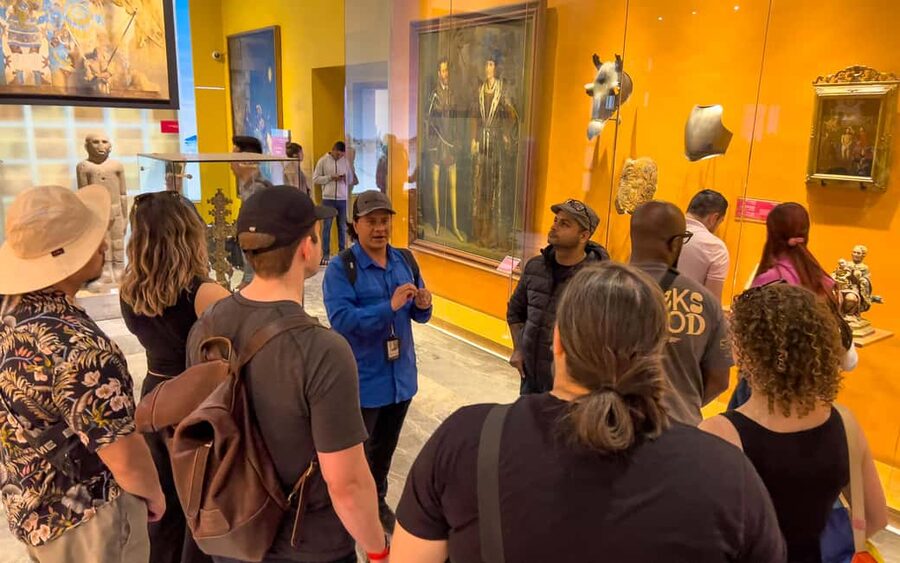
You’ll start at the National Museum of Anthropology, which is the right move. This museum is huge, and early energy helps. With a guide, you’ll focus on the rooms that make the biggest story sense without getting stuck wandering randomly.
Expect a guided visit with sightseeing time that’s enough to feel like you’re getting traction. One thing that shows up again and again in real experiences: your guide’s job isn’t just pointing; it’s turning the exhibits into a narrative you can follow.
This is also where your bilingual advantage matters most. Even if you read English well, many labels and plaques are not fully translated. The guide becomes your live decoder—especially when you’re trying to understand what you’re actually looking at and why it matters.
National Museum of Anthropology: a highlight route you can actually handle
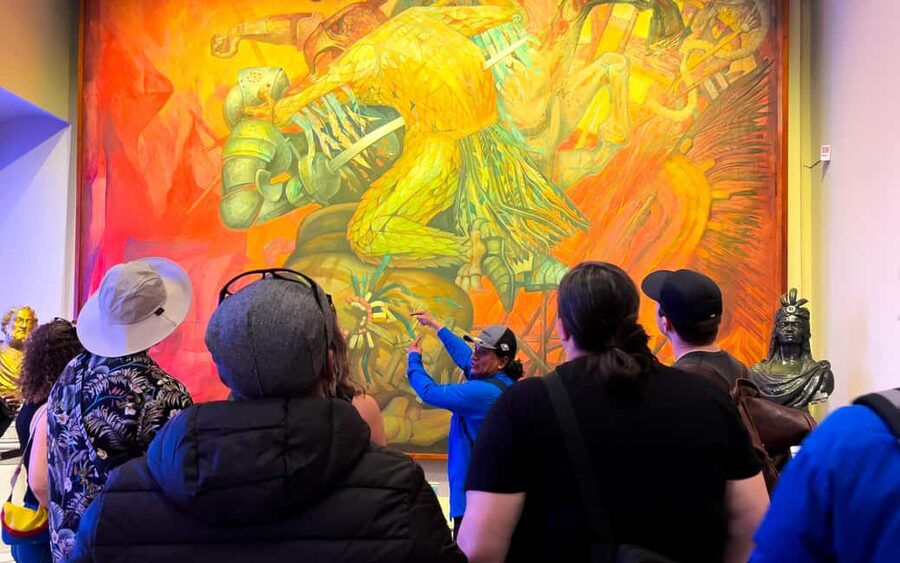
The Anthropology Museum is one of Latin America’s most important museums, and it can be overwhelming if you go without structure. This tour’s format gives you a guided highlight pathway, which means you see major sections without spending the whole day in one building trying to decide what to prioritize.
From the route you’ll cover, you can expect rooms focused on pre-Hispanic culture across time—Maya, Toltec, and other groups are part of the storyline. Your guide helps you place objects in context, which is the difference between collecting facts and understanding themes.
A useful way to think about the time you get here: it’s designed for meaning, not for completion. Depending on how your group moves, you might not see everything the museum has to offer (people often note seeing only a small number of rooms compared to what’s inside). So don’t treat this like the final word. Treat it like the foundation that makes a second visit feel easier later.
One more practical note: museum rules can affect what you bring in. Some guests have flagged that water restrictions can be an issue inside certain museum areas. If that’s a concern for you, keep your plans simple: bring what you’re allowed to carry, and use the break time to grab refreshments.
The walk through Chapultepec Park and Avenida Grutas break reset

Between the museum and the castle, you don’t just transfer—you get a breather. Chapultepec Park gives you walking space and a change of scenery, which helps because the day is already stacked with indoor time.
You’ll also stop near Avenida Grutas for coffee and a short break. This is where you can reset your pace and get something small before the castle portion. It’s also a good moment to plan your energy for uphill walking and tighter indoor spaces.
If you like snacks, keep an eye on nearby vendors during your break window. A couple of people highlighted things like mango, churros, and elote being available around the area outside the museum. I’d still treat it as a bonus, not a guarantee, and make sure you’re back on time for your group.
Chapultepec Castle: Maximilian I, marble stairways, and big political symbolism
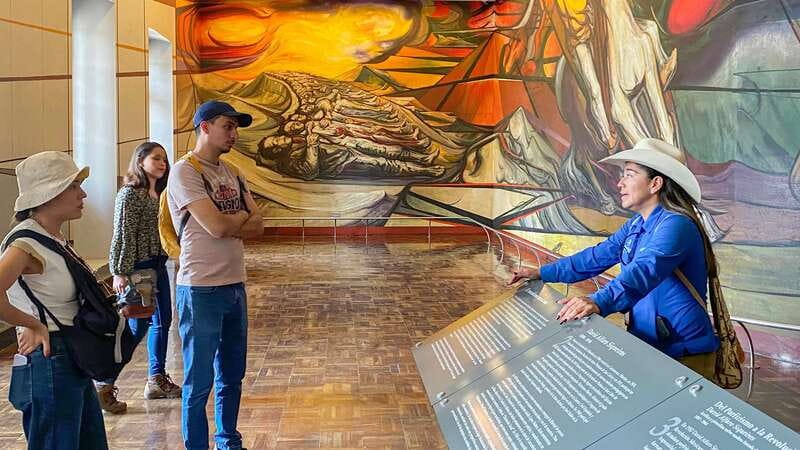
Now you climb into the imperial side of the story. Chapultepec Castle sits on Chapultepec Hill, a site that was sacred to the Aztecs long before it became an imperial residence. That layered setting is part of the impact: the land already has meaning, and then the building adds another chapter.
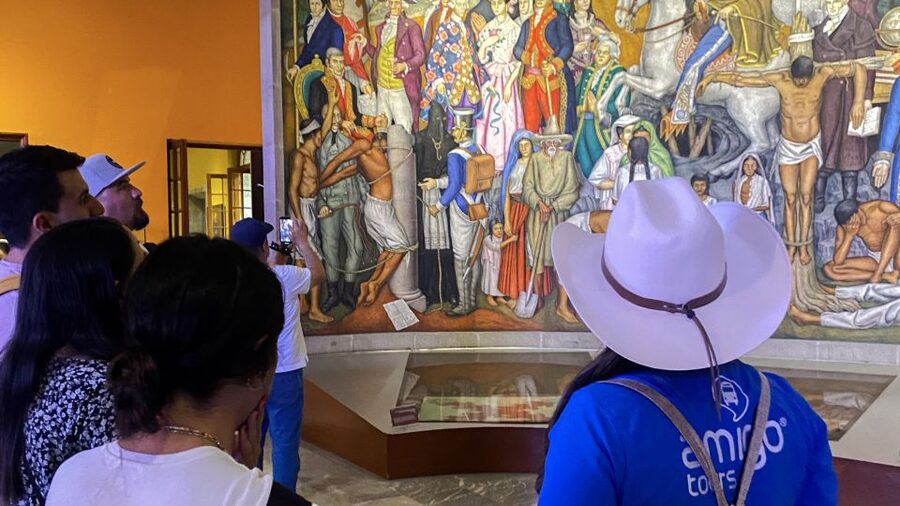
Inside the castle, you’ll see rooms with classical European ornamentation and stairways made of marble. Expect halls with lots of light and a feel that’s more formal than the museum galleries. This is architecture doing storytelling.
The guide typically points out sculptures and busts of major historical figures. You’ll encounter figures tied to Mexico’s older political and cultural narrative, including Emperor Cuauhtémoc and the Spanish Conquistador Hernán Cortés. The point isn’t just recognition; it’s learning how different eras talk to each other when they’re shown in the same place.
Chapultepec Castle is also known as the National Museum of History, and that label makes sense after you walk through. You’re not just sightseeing a palace. You’re seeing how history was arranged and presented in a very specific political moment.
And yes, the views help. The hill setting means you can often spot Mexico City spread out below, especially around the park and grounds. Build in a few minutes to look around when you can.
You can also read our reviews of more museum experiences in Mexico City




Your bilingual guide: how you get the most out of the English gaps
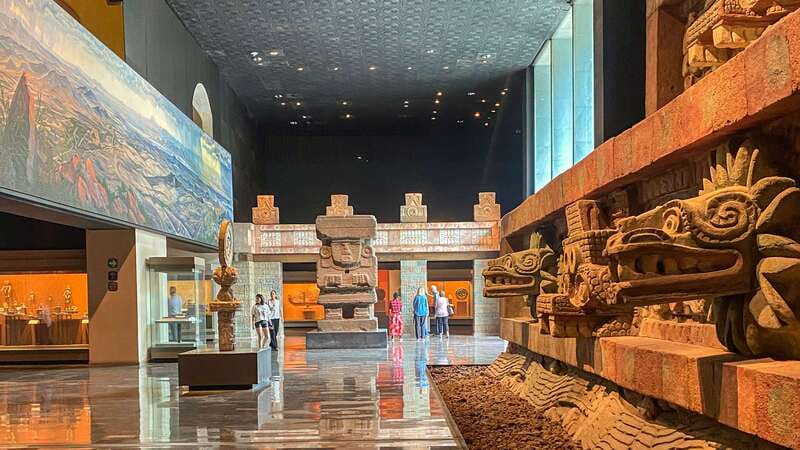
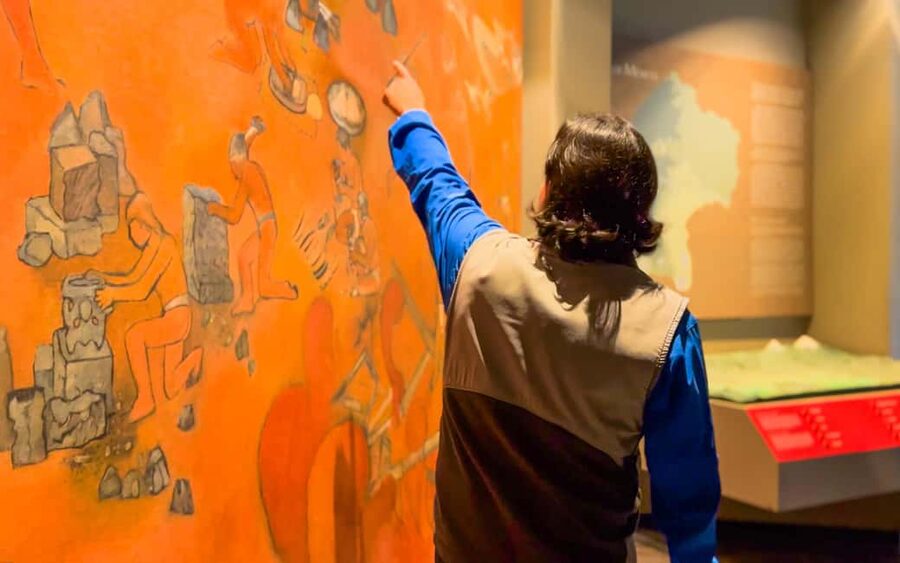
This is where the tour earns its keep. The Anthropology Museum is full of text, and not all of it is English-friendly. Your guide’s job is to translate the meaning, not just the words.
In real experiences, guides like Leonardo and Antonio have stood out for turning exhibits into a clean story arc. Others, like Lili, Alex, Alan, and Gio, get praised for pacing and for keeping questions moving. When you’re hearing the connections live, you stop feeling lost in a sea of artifacts.
A good guide also helps you avoid a common trap: spending most of your time reading labels instead of noticing what the objects are doing. With guidance, you learn what to look for, what to ignore, and how to connect one room’s theme to another.
If you like asking questions, this is the right format. A lot of the value is simply that you get answers on the spot, while your attention is still pointed at the object you care about.
Pace, photos, and restroom reality checks
This is a long day, so pace matters. Most people come away saying the route stays on schedule with breaks that actually help. That said, breaks are limited by the schedule, and some groups have wanted a little more time to sit or use restrooms.
To make the day feel easier, I’d plan like this:
- Start with a solid breakfast so you have energy for the uphill movement.
- Wear comfortable shoes you can walk in for hours.
- Keep your water and snack timing aligned with the break points, since indoor rules can be restrictive in some areas.
On the positive side, some guides are also careful with group logistics and photo moments. If getting good photos matters to you, don’t be shy about asking for help with a couple of pictures at each main stop.
Also note a subtle pacing detail: if you arrive with another tour right after, you may end up prioritizing what you see over what you can linger at. That’s not a flaw in the tour; it’s just how an efficient schedule works. If you want the best chance to see gardens and viewpoints, keep your next commitment flexible.
Price and value: is $47 a good deal for this combo?
At around $47 per person for a 5-hour guided outing, you’re paying for two things that are hard to recreate on your own in the same way: timed entry structure and interpretation.
Without a guide, you can still visit both places, but the experience becomes a choose-your-own-adventure with a high chance of missing the most meaningful connections. The Anthropology Museum especially can feel like information overload. A guide compresses the useful story into the time you have.
The castle portion adds another value layer. Chapultepec isn’t just pretty rooms. It’s a loaded setting where symbolism and historical figures matter, and a good guide helps you read that setup instead of just admiring architecture.
So the value is best if you want context, not just checkmarks. If you’re the type who loves wandering and reading everything slowly, you might feel the highlight pacing. But for most first-time visitors who want a smart foundation for deeper exploration later, this pricing usually makes sense.
Who this tour suits best (and who should think twice)
This is a great fit if you want:
- A strong introduction to Mexico’s pre-Hispanic story plus the later history tied to Chapultepec.
- A bilingual guide to fill in translation gaps.
- A single day route that keeps you in the same general area.
It’s also a solid option for people who like organization. The day is guided in both major locations, so you don’t have to spend mental energy deciding what to prioritize.
I’d think twice if you want to see absolutely everything at the Anthropology Museum in one sitting. The museum is too large for that. This tour is built to choose the best rooms, not to promise completion.
It’s also a walking-heavy day. If you know your tolerance for long walks and an uphill castle path is limited, plan carefully and consider whether you might need a slower day instead.
Weather and closure: the one hiccup to plan for
Chapultepec Castle can close on rainy days for security reasons, and it may happen without prior notice. The tour plan accounts for that possibility by providing a partial refund if the closure affects the castle visit.
If weather matters a lot for your schedule, keep an eye on forecast updates and be ready to pivot. You’re still getting the Anthropology Museum portion, but the castle is what you’d likely lose if conditions shut it down.
Should you book this Chapultepec Castle and Anthropology Museum tour?
I’d book it if you’re trying to get oriented fast in Mexico City. The combo gives you a clear, guided route through two major landmarks that would otherwise take you a lot longer to understand on your own.
You should book this tour if you:
- Want a first-time foundation in Mexico City history and culture
- Prefer guided structure over museum wandering
- Appreciate bilingual interpretation when labels and plaques are limited in English
Don’t book it if your top goal is to see every single room in the museum at a slow pace. This tour is about focus, not exhaustive coverage.
If you like your history with context and you’re comfortable walking, this is one of the smarter ways to spend a half day plus a castle climb on Chapultepec Hill.
FAQ
What is included in the tour?
The tour includes a live guide, entrance to Chapultepec Castle, and entrance to the National Museum of Anthropology.
How long is the experience?
The tour lasts 5 hours.
Where does the tour start and where does it end?
It starts at the National Museum of Anthropology and finishes at Chapultepec Castle.
Are the tours offered in English and Spanish?
Yes. The live guide provides Spanish and English.
Is there a private group option?
Yes, private group options are available.
What if I need to cancel?
Free cancellation is available up to 24 hours in advance for a full refund.
What happens on rainy days?
For security reasons, Chapultepec Castle may close without previous notice on rainy days. If that happens, you receive a partial refund.
Will I be able to see everything inside the Anthropology Museum?
No. The museum is very large, and this tour is a guided highlight route rather than a full museum walkthrough. Some guests note that they only see a limited number of rooms during the guided visit.