REVIEW · NEW YORK CITY
NYC: Best of the Metropolitan Museum Guided Tour
Book on GetYourGuide →Operated by Walks - US · Bookable on GetYourGuide
The Met is too big to wing it. This guided highlights tour keeps you moving through some of the museum’s most talked-about sights, with Ancient Egypt as the launch pad for the day. I like how the plan is built around the “start here” moments, so the museum doesn’t swallow your whole afternoon.
My favorite part is the mix of big-name artifacts and small details you’d miss alone. You’ll get burial-rite context for the mummies area, plus scenes like tiny dioramas that set the stage for royal life in the era of Tutankhamun.
One thing to consider: the Met changes daily. Some galleries and artworks can be closed or unavailable, and your guide may adjust the route, and you should be comfortable with a moderate walking pace for two hours.
In This Review
- Key highlights at a glance
- Entering the Met without getting lost in 2 hours
- Ancient Egypt tombs and burial rites you can actually picture
- Temple of Dendur and the Central Park connection
- The Antioch Chalice and Henry VIII armor stories
- From Greek statues to Roman frescoes to Papua New Guinea
- Monet Water Lilies, Van Gogh, and Rodin’s Thinker
- How the route keeps you sane: walking pace and pacing tricks
- Wheelchair access and the museum entry details that matter
- Guides can make or break your Met experience
- Price and value: is $65 worth it?
- Should you book this Met highlights tour?
- FAQ
- How long is the guided tour?
- How much does it cost?
- Where does the tour meet?
- Does this tour include museum tickets?
- Is the tour in English?
- Does it skip the line?
- Is food or drink included?
- Is the tour wheelchair accessible?
- What if galleries are closed during the tour?
- What is the cancellation policy?
Key highlights at a glance
- Skip-the-line entry with a separate entrance and pre-arranged museum ticket
- Ancient Egypt focus first, including tombs, burial rituals, and mummy-area context
- Temple of Dendur storytelling, including the Jackie O connection and the Central Park angle
- Chalice and Henry VIII armor chatter, with the Antioch Chalice debate and famous armor vibes
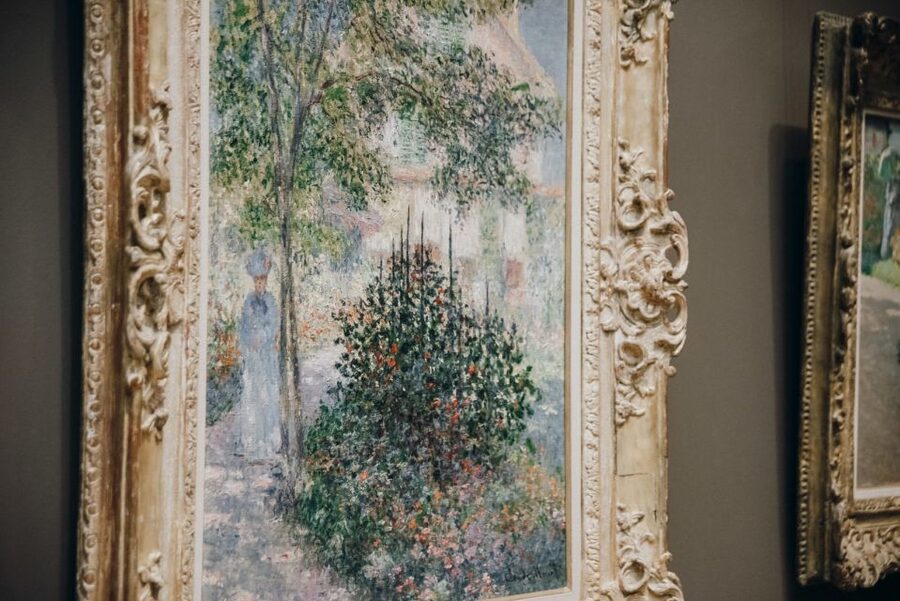
- A tight art sweep, from Papua New Guinea carvings to Monet Water Lilies, Van Gogh, and Rodin’s Thinker
Entering the Met without getting lost in 2 hours
At the Met, the problem is size, not interest. Even if you love museums, wandering randomly means you’ll either miss the best stuff or end up sprinting at the end. This tour solves that by giving you a route with clear stops, so you can spend your energy looking, not searching.
I also appreciate that the meeting point is specific and easy to find: 1000 5th Ave in the main lobby, to the right of the information desk, in front of the large seated Pharaoh. Your guide holds a green Walks sign, and you’re asked to arrive 15 minutes early so you can start on time.
You can also read our reviews of more guided tours in New York City

Ancient Egypt tombs and burial rites you can actually picture
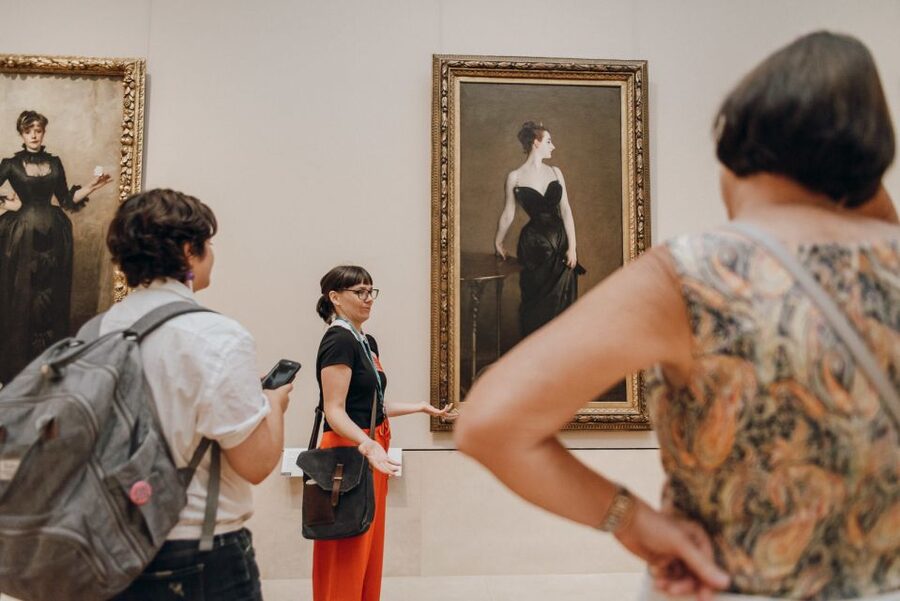
The tour starts with the kind of subject that benefits from a guide’s pacing. You begin in the Ancient Egypt area and work through tombs that are preserved enough to feel real, not just decorative. This is where the “why it mattered” story lands, because you’ll hear about burial rites rather than only dates and names.
You’ll also see small, scene-based details, including tiny dioramas that show what life looked like in the time of Tutankhamun. That kind of visual helps you connect the dots between daily routines and the afterlife beliefs tied to mummies.
Another fun detail I like: you’ll learn about the Met mascot called William. It’s the sort of offbeat touch that makes a museum stop feel less like a checklist and more like a guided route through living culture.
The payoff for you: when you leave, you won’t just remember objects. You’ll understand how the Met frames ancient Egyptian beliefs and why these displays are arranged the way they are.
Temple of Dendur and the Central Park connection

From Ancient Egypt, the route moves to the Temple of Dendur, one of the museum’s most instantly recognizable “wow” spaces. The guide shares the context behind how the temple became part of the Met’s world, including the Jackie O connection.
What I like here is the tone: it isn’t just lecture-mode facts. You also get the gossip layer about Dendur and other exhibits, which makes the story easier to repeat later. It’s museum history you can carry, not museum history you only keep in your notes.
And because Dendur is a real-life Central Park landmark, your brain gets a two-location experience. You’re looking at the museum version, but the guide ties it back to the New York you can walk around outside.
The Antioch Chalice and Henry VIII armor stories
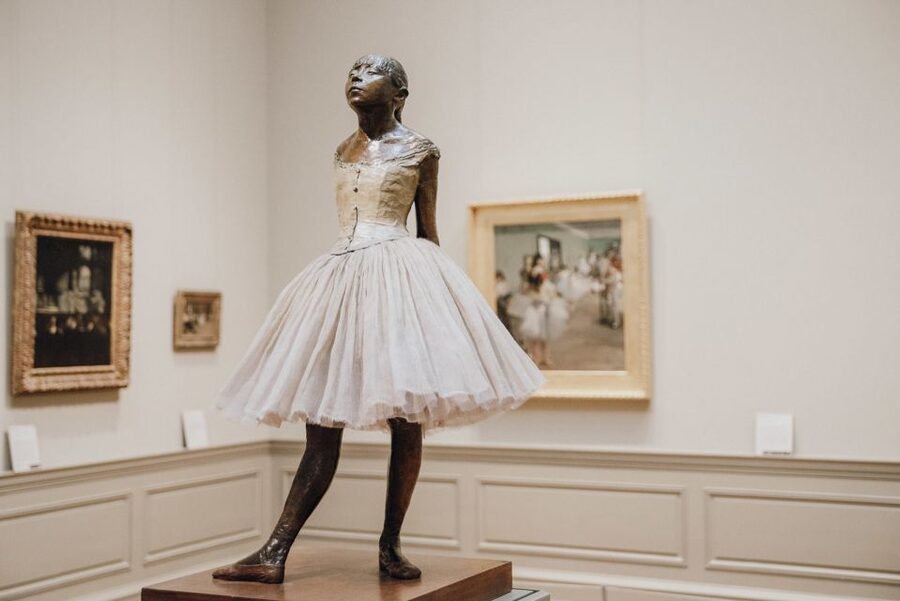
Next comes the section where the museum gets dramatic. The tour includes stories about the armor of Britain’s infamous King Henry VIII, and it doesn’t treat the topic like a museum artifact label.
Then you get one of those controversies that people love to argue about: the Antioch Chalice. The guide shares the debate about whether it could be the Holy Grail, and you’ll hear the “why some think so” angle rather than a single tidy conclusion.
For me, this is the best kind of museum detour. You’re not being asked to believe a story—just to understand why the object sparked obsession in the first place.
From Greek statues to Roman frescoes to Papua New Guinea
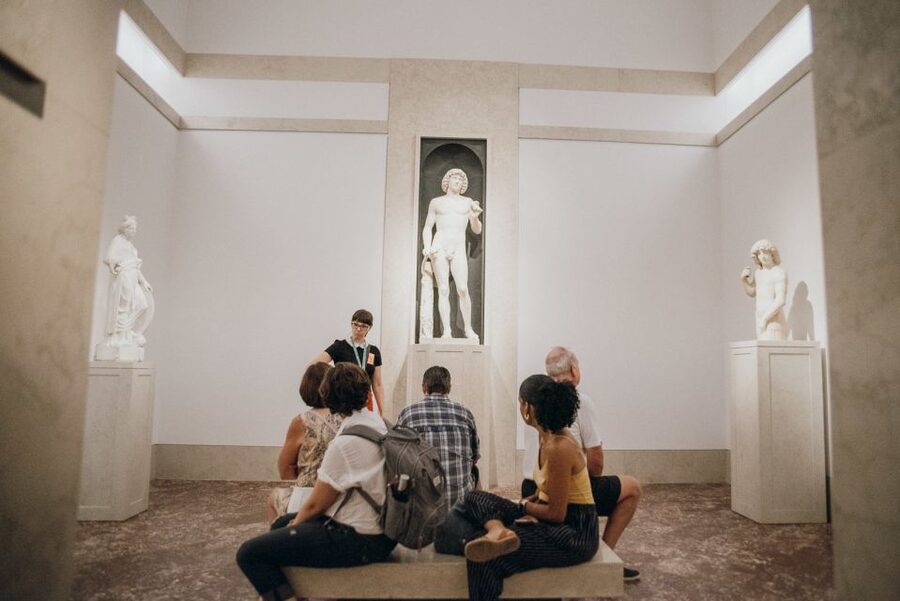
After the European drama, the tour stretches outward. You’ll see ancient Greek statues and Roman frescoes as part of the flow, which helps you appreciate how the Met stitches civilizations into one visit.
Then you jump to the exotic exhibits from Papua New Guinea. You’ll hear about beautifully carved Bisj poles collected by a Rockefeller, and the story includes the shocking cost of his life. It’s one of those moments where you realize collections didn’t just happen—they came from human choices, risk, and power.
Why this matters for you: a guided highlights tour is useful when it connects the “aesthetic” part of art to the human part of collecting. That’s what turns seeing into understanding.
You can also read our reviews of more museum experiences in New York City






Monet Water Lilies, Van Gogh, and Rodin’s Thinker
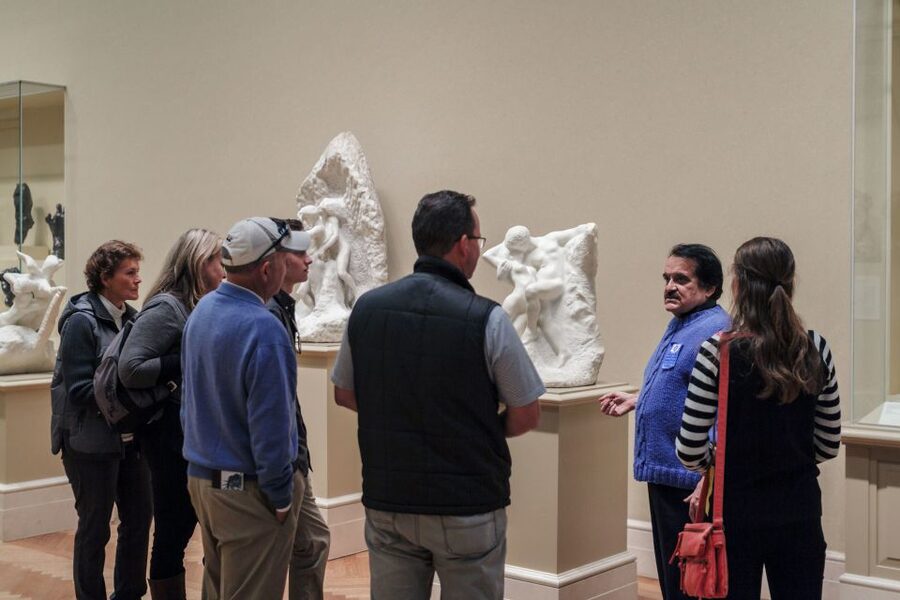
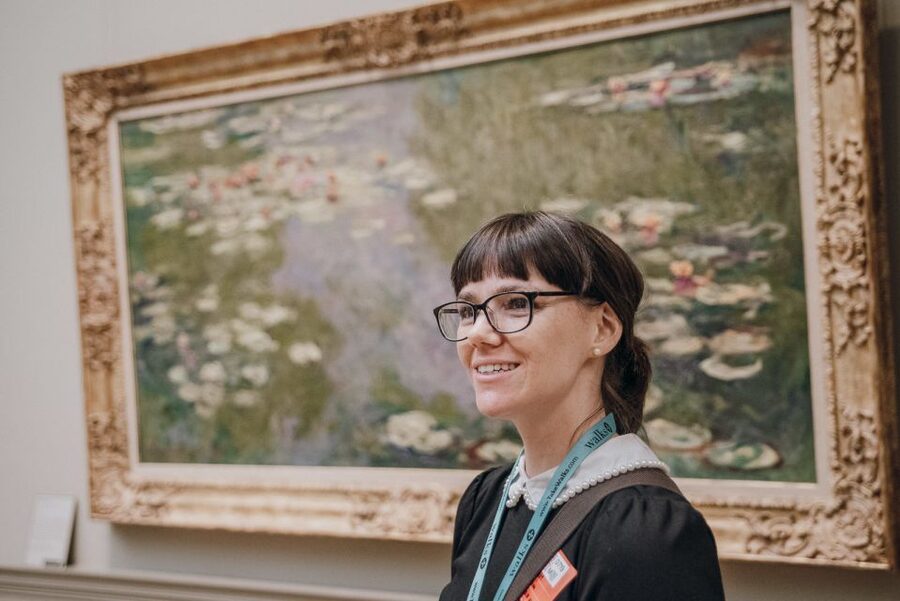
On the second floor, you hit a different kind of mood. Claude Monet’s dreamlike Water Lillies are part of the plan, and this is where the tour gives your eyes a break from intense subject matter.
From there, you’ll move into the expressive world of Vincent Van Gogh and finish with Rodin’s bronze of the Thinker. Even if you’ve seen reproductions, seeing the real object in the Met’s space changes the feeling—scale, texture, and how the museum lights the work.
This end stretch is a strong finish because it covers three different ways art can work: optical effects with Monet, emotional punch with Van Gogh, and quiet contemplation with Rodin.
How the route keeps you sane: walking pace and pacing tricks
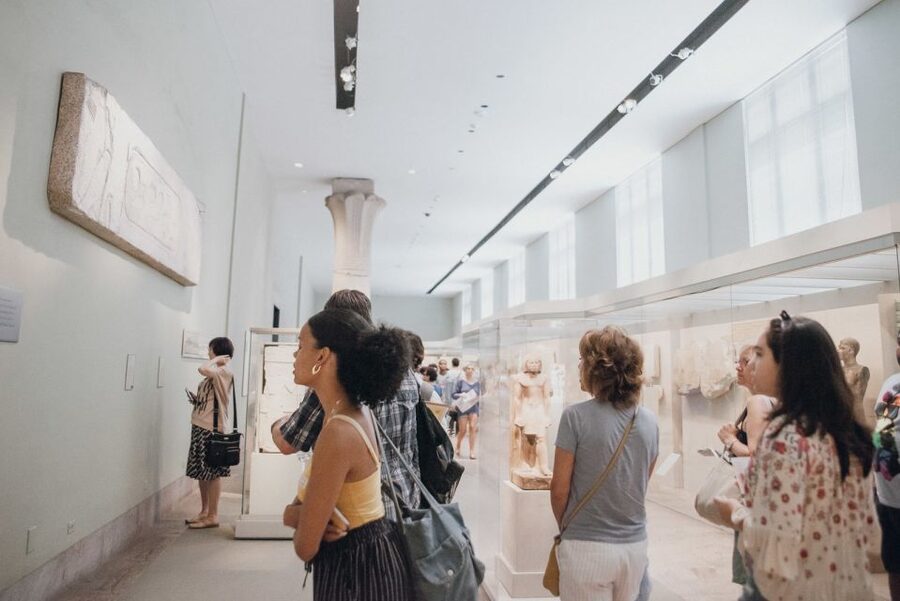
Two hours at the Met can feel both perfect and way too short. The tour’s strength is that it uses the time for maximum learning per minute, without pretending you can see everything.
The walking is described as moderate pace, and it’s a real walking tour. If you’re sensitive to long indoor lines or crowded rooms, know that the tour is built to move through key zones efficiently rather than letting you linger in every gallery.
Also keep in mind that galleries and artwork visited during the tour can change. Your guide may modify the itinerary on the day if something is closed or absent—so don’t treat the tour like a rigid script.
Wheelchair access and the museum entry details that matter
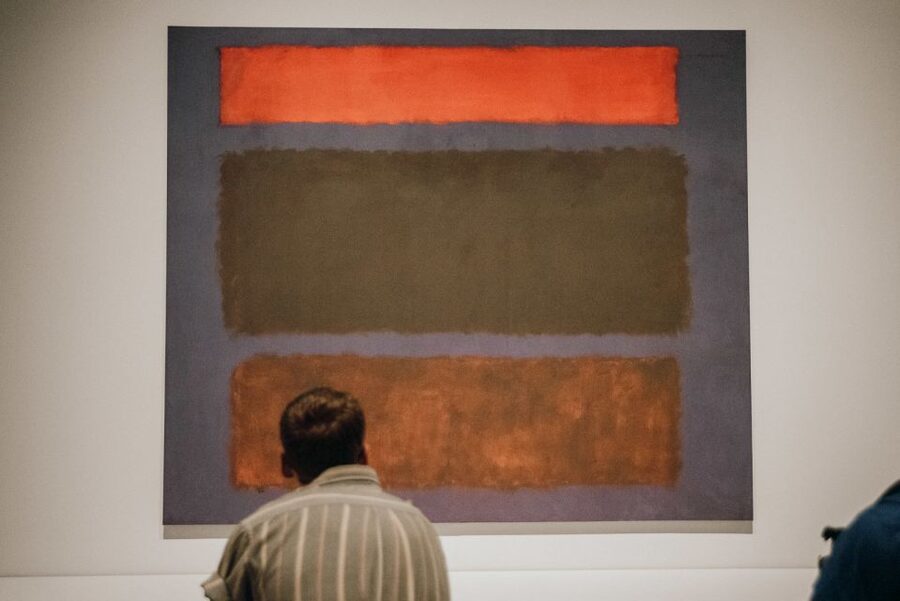
Wheelchair access is noted, but the entry path is specific. If you need wheelchair access into the museum, you should enter through the left of the main entrance (while facing it) where a ground level entrance is available.
Your guide meeting point still matters: the tour meets in the main lobby. The instruction is to inform staff you’re meeting a tour group in the main lobby, so you don’t get turned around inside.
If this is you, it’s worth arriving early so staff and your guide have time to route you smoothly.
Guides can make or break your Met experience
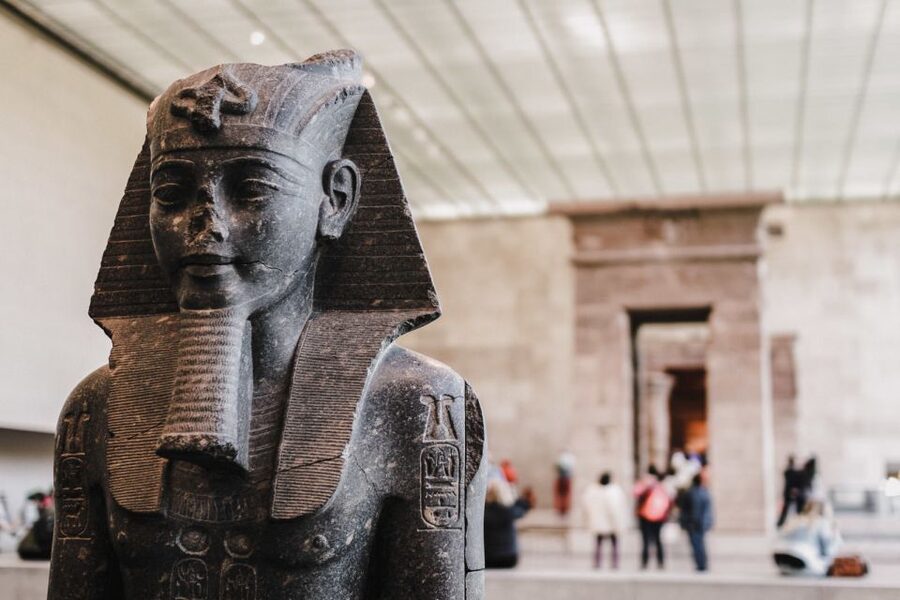
This tour format works best when your guide can keep the group engaged while still hitting the right stops. The guide styles praised in the provided info include people like Charlie, Kevin, Jett, Ryan, Katie, John, and Stefan.
What stands out across those names is a mix of clear direction and storytelling that makes people pay attention. Several guides are described as energetic and focused on keeping you active in the experience, not just listening while you drift.
Some guides also help with practical navigation afterward, including pointing you toward food if you’re still thinking about lunch when the tour ends.
If you care about getting a real sense of where to go next inside the Met, that guidance is a big part of the value.
Price and value: is $65 worth it?
At $65 per person for a 2-hour highlights tour, you’re paying for three things: a guide, reserved entry that reduces waiting, and a route designed to stop the “where do I start” panic.
The tour includes a pre-arranged Met ticket with a donation included, plus access through a separate entrance to skip the line. That matters in a place where time can vanish in entry bottlenecks and indecision.
What’s not included is also clear: no hotel pickup, and no food or drinks. You’ll want to plan a meal either before or after, and bring water if you tend to get thirsty while walking.
My take: if you’ve only got a couple hours and you want the Met highlights with context, the math works. If you have a full day and you like wandering with zero structure, a self-guided visit might be cheaper—but this tour is built for people who want smart use of limited time.
Should you book this Met highlights tour?
Book it if you want a fast, guided route through the Met’s most iconic zones: Ancient Egypt tombs and mummy-area stories, the Temple of Dendur, the Antioch Chalice debate, and the art anchors like Monet, Van Gogh, and Rodin. You’ll also appreciate the practical advantage of skip-the-line entry and a guide who can keep the museum from feeling like a maze.
Skip it if your top priority is total freedom to roam for hours, or if you’re planning to do specialized deep study of one department. This tour is designed to sample and focus, not to provide museum-completion mode.
If you’re flexible about what the guide may substitute due to closures, you’ll get more out of it. Arrive early, wear comfortable shoes, and you’ll walk out with a clear “best of the Met” map in your head.
FAQ
How long is the guided tour?
The tour duration is 2 hours.
How much does it cost?
The price is $65 per person.
Where does the tour meet?
The tour meets at 1000 5th Ave (The Metropolitan Museum of Art). Meet in the main lobby to the right of the information desk, in front of the large seated Pharaoh. Your guide will be holding a green Walks sign.
Does this tour include museum tickets?
Yes. It includes a pre-arranged ticket for the Metropolitan Museum, with a donation included.
Is the tour in English?
Yes, the live tour guide is English.
Does it skip the line?
Yes, you’ll use a separate entrance to skip the line.
Is food or drink included?
No. Food and drinks are not included.
Is the tour wheelchair accessible?
Wheelchair access is available, but wheelchair guests are directed to enter the museum to the left of the main entrance (while facing it) through a ground level entrance. You should inform staff that you are meeting a tour group in the main lobby.
What if galleries are closed during the tour?
Galleries and artwork visited during the tour are subject to closure and absences without prior notice, and your guide may modify the itinerary on the day.
What is the cancellation policy?
Free cancellation is available up to 24 hours in advance for a full refund.