REVIEW · NATIONAL PALACE MUSEUM
Taipei: National Palace Museum E-Ticket
Book on GetYourGuide →Operated by Fontrip · Bookable on GetYourGuide
One museum can change how you see time. With this National Palace Museum e-ticket, you get reserved-priority entry and can roam at your own pace through Chinese art spanning thousands of years. It’s one of those rare museum visits where you can go deep on the objects you care about instead of getting herded through rooms.
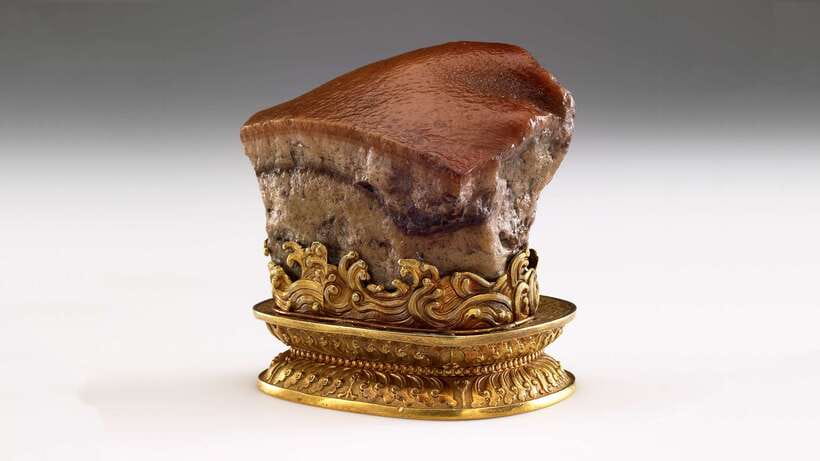
I especially like the way the museum’s standout pieces hit hard even if you only have a single day—Jadeite Cabbage is the headline, but the Mao Gong Ding and rare books and scrolls make it feel bigger than a photo-op. The only downside: there’s no tour guide here, so you’ll have to choose what to focus on once you’re inside.
In This Review
- Key highlights you’ll feel right away
- Skip-the-line entry at the North Branch (priority queue, no guide pace)
- Your fastest route: seeing Jadeite Cabbage without getting stuck in circles
- Mao Gong Ding: where inscriptions make the art feel personal
- Books and scrolls from the 10th century: a different kind of museum moment
- How to handle 690,000 objects in one day (a realistic game plan)
- Zhishan Garden after the galleries: the poetic reset you’ll thank yourself for
- Price and value: about $11 for entry plus garden time
- Which option fits you: North Branch day trip vs Southern Branch add-on
- Who should book this (and who should consider a guide)
- Should you book this National Palace Museum e-ticket?
- FAQ
- Where do I meet for this experience?
- How long is the ticket valid?
- What does the ticket include?
- What should I bring, and what’s not allowed?
- Is there a way to store bags?
- Is there an audio guide?
Key highlights you’ll feel right away
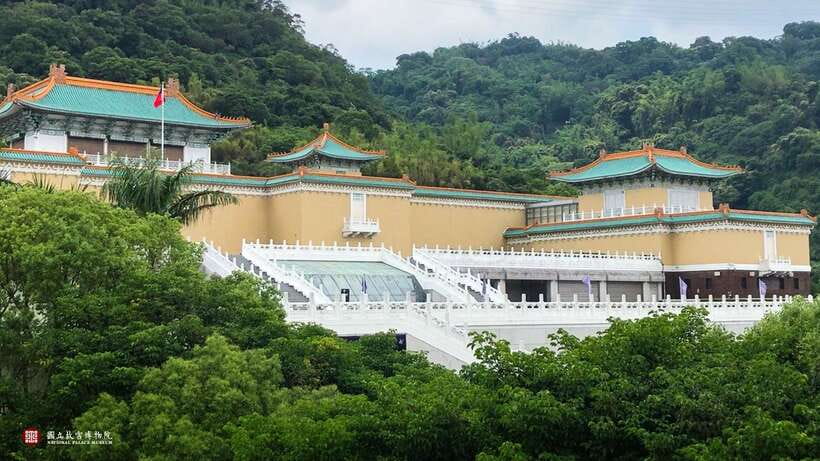
- Reserved-priority queue helps you skip the slow, frustrating line.
- Self-paced halls mean you can spend longer where you’re curious.
- Jadeite Cabbage shows how color, craft, and nature can work together.
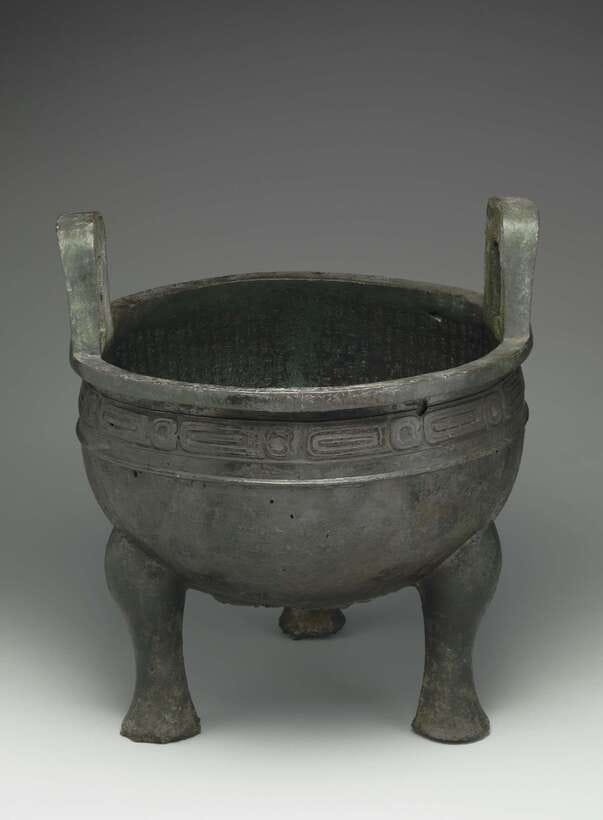
- Mao Gong Ding connects you to inscriptions dating back about 2,800 years.
- 10th-century books and scrolls turn a museum stop into a reading-room experience.
- Zhishan Garden entrance gives you a calm, poetic reset after the galleries.
Skip-the-line entry at the North Branch (priority queue, no guide pace)
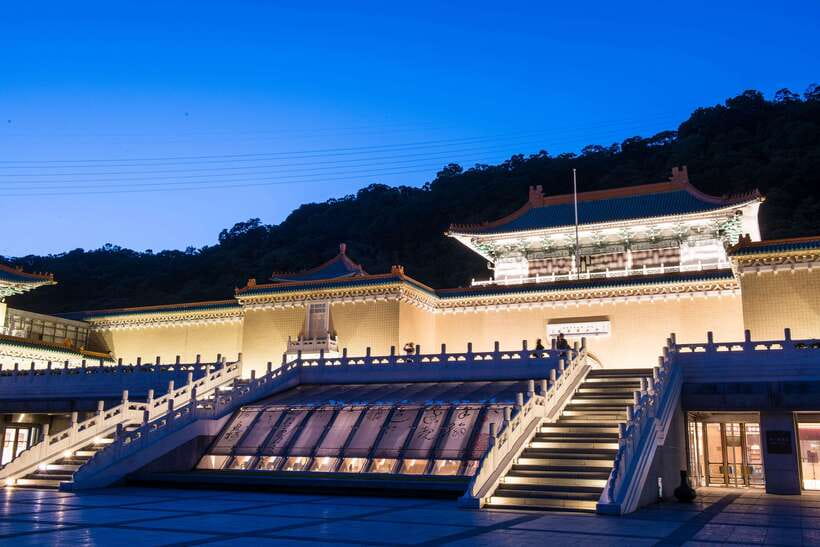
This is a ticket-first experience. You’re not buying a guided tour where you follow someone’s timing; you’re buying time and convenience. The big practical win is the reserved-priority entrance queue for the National Palace Museum North Branch option, which cuts down on waiting so you can start looking sooner.
Because this is a self-paced visit, plan to think like a curator for the day. The museum is famous for good reason, but it also means you’ll want a simple strategy: arrive, enter, and decide what “must-see” items get your full attention. If you go in with a rough plan, you’ll feel less rushed and more in control.
You’ll also want comfortable shoes. Not because the ground is tricky, but because you’ll likely walk more than you expect during a museum day. You can carry a passport or ID card for verification, and remember that the ticket comes with rules—no smoking, and no luggage or large bags.
One small tip that matters more than it sounds: if you have bulky items, plan for a locker. Lockers cost around 20 NTD, so having only what you need keeps your day smoother.
Your fastest route: seeing Jadeite Cabbage without getting stuck in circles

Once you’re inside, one of the most helpful things you can do is head toward the museum’s star rooms early. The museum’s layout includes three major town halls, and the best plan is to treat those halls like chapters. Give the first chapter your full attention, then move on.
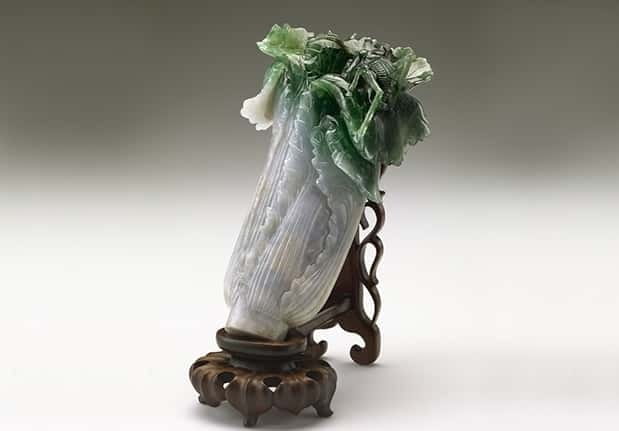
The headline object is the Jadeite Cabbage, famous for how it uses natural jade colors to recreate the subtle color shifts of an actual head of cabbage. What makes this more than a gimmick is the way the piece makes you slow down. You don’t just look at the object—you notice the logic of the material: the jade is doing part of the storytelling.
If you want your one-day visit to feel satisfying, don’t try to skim everything. Instead, spend time standing at the Jadeite Cabbage until the craft clicks. After that, you’ll see faster—because you’ve set the right mindset.
Also, you can optionally add an audio guide in multiple languages, including English and German (plus Spanish, Thai, Vietnamese, Chinese, Indonesian, Japanese, and Korean). If you’re the type who likes context behind what you’re seeing, audio is the easiest way to add understanding without needing a guide.
Mao Gong Ding: where inscriptions make the art feel personal

Another object that deserves your time is the Mao Gong Ding, notable for its inscriptions dating back about 2,800 years. This is one of those pieces that changes the tone of your visit. Instead of treating “ancient artifacts” like museum trophies, you start thinking about the people connected to them.
What to look for: treat the inscription as the main event. Even if you can’t read every character in detail, the presence of writing turns the object from decorative to documentary. It’s not just ancient—it’s specific. That specificity is why it’s considered one of the most valuable extant Chinese artifacts.
When I’m doing a self-paced museum day, I like having one “anchor” like this—one piece that makes me pay attention to details for the rest of the visit. Mao Gong Ding is a strong anchor because it pulls you toward the written past.
Books and scrolls from the 10th century: a different kind of museum moment
Many museum days become a blur of objects. This one can slow down in a good way if you spend time with the books and scrolls dating back to the 10th century.
Even without extra context, older texts have a physical presence that photographs can’t show. You can stand there and feel the shift: writing isn’t just information; it’s craft, preservation, and authority. If you like calligraphy, manuscripts, or the history of ideas, this section can be a highlight even if you’re not a hardcore collector type.
This also helps you appreciate the museum’s broader arc. You’re not just moving through dynasties as a timeline on a wall—you’re encountering evidence of how people recorded, taught, and remembered.
How to handle 690,000 objects in one day (a realistic game plan)
The National Palace Museum’s collection includes about 690,000 objects, but you won’t (and can’t) see all of them in a single day. The value of your ticket isn’t that you’ll see everything; it’s that you can experience the museum in a way that fits your interests.
Here’s the approach I recommend for a one-day visit:
- Pick 3 to 5 “attention targets.” For this museum, that can include Jadeite Cabbage, Mao Gong Ding, and the 10th-century books and scrolls.
- Spend enough time on those to actually notice technique, material, and writing.
- Use the rest of your time to explore nearby rooms where the themes overlap.
Because this ticket doesn’t include a tour guide, the museum labels and the optional audio guide become your context engine. If you skip context entirely, you might still enjoy the masterpieces, but the visit will feel more like sightseeing than understanding.
Also, consider your pace. If you start sprinting early, you’ll burn out before the best parts. A calmer rhythm helps you read what you’re seeing—and gives the museum time to work on you.
Zhishan Garden after the galleries: the poetic reset you’ll thank yourself for
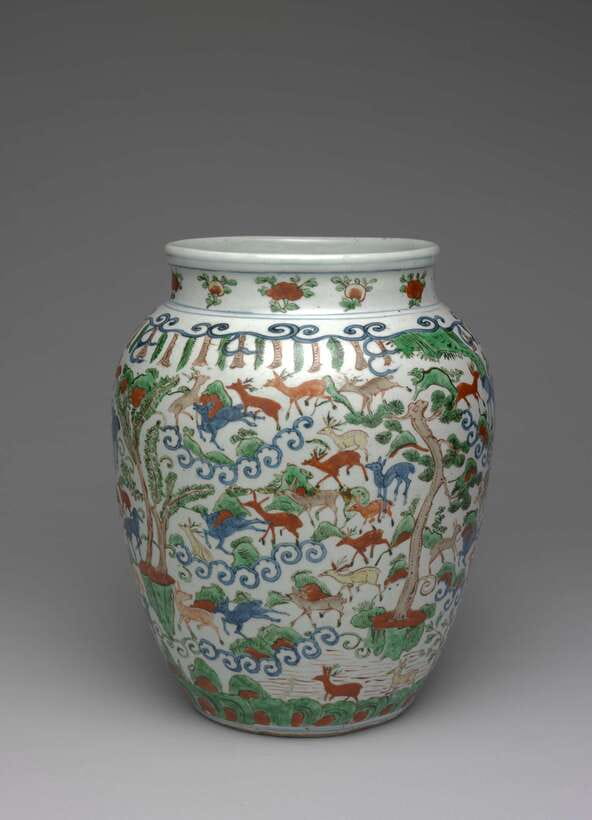
Your experience doesn’t end when you walk out of the main museum halls. Depending on the option you book, your ticket can include entrance to Zhishan Garden at the nearby location.
This garden is built using traditional Chinese garden-building techniques, and it’s known for a literary atmosphere. Some describe it like a poem, or like a long unfolding scene painting. That sounds abstract, but the effect is practical: after hours of artifacts, the garden gives your eyes and mind a different job—slower looking, more breathing room, and a change of scale.
Timing matters. Don’t schedule the garden like it’s an optional add-on at the end of the day. If you go right from peak galleries to the garden, the emotional shift feels sharper—in a good way. You move from objects that survive centuries to a place designed to shape the present moment.
And since the garden entrance is included with the North Branch option, you’re not making extra stops or paying extra entry fees just to get that balance back.
Price and value: about $11 for entry plus garden time

At around $11 per person, the value here comes from the combination of what you get and what it saves you.
You’re paying for:
- entrance to the National Palace Museum with reserved-priority queue access
- Zhishan Garden entrance (for the North Branch option)
- current exhibitions on the South Branch option (if you choose that route)
On a day like this, the time savings can be more valuable than it sounds. If you’ve ever stood in line at a major museum, you know the cost isn’t just minutes—it’s energy. Priority entry helps you start sooner and keep your momentum.
A couple costs to keep in mind:
- Locker rental is around 20 NTD if you need one.
- The audio guide is optional, not included.
If you’re comparing this to a guided tour format, this ticket makes a different promise: you won’t get a guide’s narration, but you will get flexibility and less waiting. If you’re comfortable navigating on your own and you like choosing your own pace, this is strong value.
Which option fits you: North Branch day trip vs Southern Branch add-on
This ticket centers on Taipei’s National Palace Museum, but there’s also a National Palace Museum Southern Branch option in Chiayi.
If you’re using the Southern Branch, it’s listed as open 9 AM to 5 PM and closed on Mondays. The key thing to notice is validity: the ticket is said to be valid for visiting that southern branch within 90 days from the day you visited the National Palace Museum.
In real terms, that gives you a planning advantage. You can treat Taipei as your main museum day, then decide later if Chiayi fits your route.
Who should book this (and who should consider a guide)
I’d book this ticket if you:
- want self-paced museum time rather than a strict group schedule
- care about specific objects like Jadeite Cabbage and Mao Gong Ding
- prefer spending time reading labels or using an optional audio guide
- want priority entry so you don’t lose the day waiting
You might look at a different format if you want:
- a guide to explain themes as you go
- a structured itinerary where the order and context are planned for you
Since there’s no tour guide included, your success depends partly on your approach. If you like independence and you’re okay doing light planning, this works well. If you want deep narration and live interpretations, you may feel something is missing.
Should you book this National Palace Museum e-ticket?
If your goal is to see major highlights without wasting hours in lines, I think this is a smart buy. The priority queue is the practical magic, and the chance to add Zhishan Garden makes it more than a single-gallery stop.
Book it if you’re a do-it-yourself museum visitor who enjoys choosing your own pace and you’re excited by Chinese art objects that can hold attention for a long moment. Pass if you want a guide-led story from start to finish, because this ticket is designed for independence.
FAQ
Where do I meet for this experience?
The meeting point may vary depending on which option you book.
How long is the ticket valid?
It’s valid for 1 day. For the National Palace Museum Southern Branch option in Chiayi, it’s valid for 90 days from the day you visited the National Palace Museum.
What does the ticket include?
It includes entrance to Zhishan Garden (with the National Palace Museum Ticket North Branch option), use of the reserved-priority entrance queue (North Branch option), and current exhibitions (South Branch option).
What should I bring, and what’s not allowed?
Bring a passport or ID card and wear comfortable shoes. Smoking isn’t allowed, and luggage or large bags aren’t allowed.
Is there a way to store bags?
Locker rental is not included and costs around 20 NTD.
Is there an audio guide?
Yes, an optional audio guide is available in Spanish, Thai, Vietnamese, Chinese, English, German, Indonesian, Japanese, and Korean.