REVIEW · BUDAPEST
Budapest: Light Art Museum Skip-the-Line Entry Ticket
Book on GetYourGuide →Operated by Intersputnik Kft · Bookable on GetYourGuide
Light that bends your eyes is the draw here. This Budapest ticket takes you into a repurposed farmers market hall for optical illusions and light-driven contemporary art, where the installations turn into instant photo moments (especially the floating tent).
You also get a very manageable visit length—most people plan around 1–2 hours—so it’s easy to fit into a busy day. The one catch: it’s not a huge museum, and a few rooms or exhibits may be closed at times, so your “perfect circuit” might be shorter than you expect.
In This Review
- Key highlights at a glance
- Light Art Museum in a Former Market Hall
- Skip-the-Line Entry and the Freedom to Move at Your Pace
- What You’ll Actually See: Light, Color, and Optical Illusions
- Upstairs vs. Downstairs: A Practical Route That Saves You Time
- Big Standouts: Sphere, Air-Lock Dome, Floating Tent, and Airship-Style Visuals
- The Art History Notes: Moholy-Nagy and Victor Vasarely
- Is It Kid-Friendly? The Over-18 Section Matters
- How Long Should You Plan? Keep Expectations Tight
- Where It Fits in Your Budapest Day
- Price and Value: Is $21 Worth It?
- Should You Book This Light Art Museum Ticket?
- FAQ
- How long do I have to explore the Light Art Museum?
- Does this ticket include a guided tour?
- Can I use skip-the-line entry?
- What languages are available?
- Is the ticket valid for just one day?
- Is it suitable for children?
Key highlights at a glance
- Former farmers market space: a historic marketplace turned into a light-art gallery
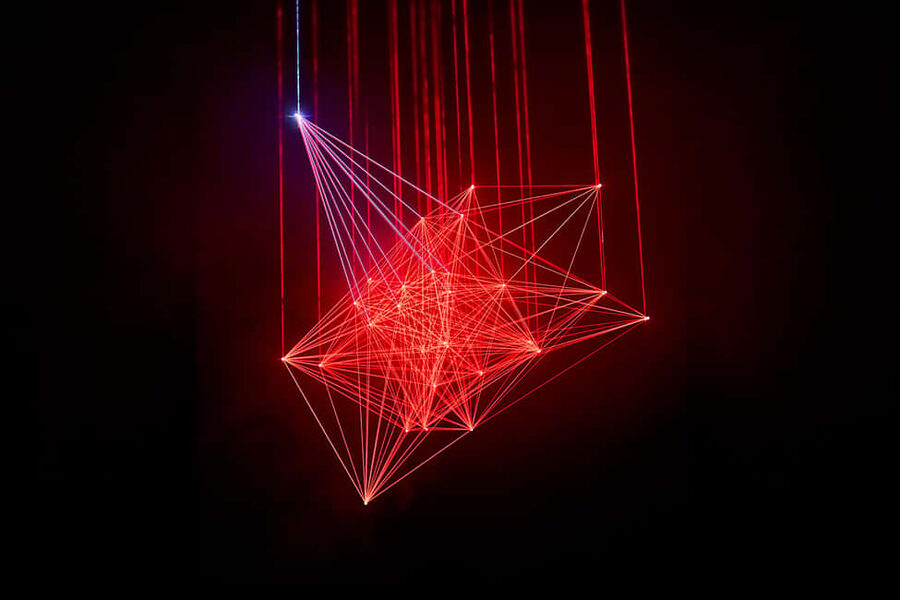
- Hands-on light effects: projections, optical illusions, and site-specific installations
- Best moments down low: many people prefer the lower level compared with upstairs rooms
- Big-ticket installations: the floating tent, sphere setup, and air-lock dome are commonly cited standouts
- Art names to look for: references to László Moholy-Nagy and Victor Vasarely add context
- There’s an over-18 area: plan around it if you’re visiting with younger kids
Light Art Museum in a Former Market Hall
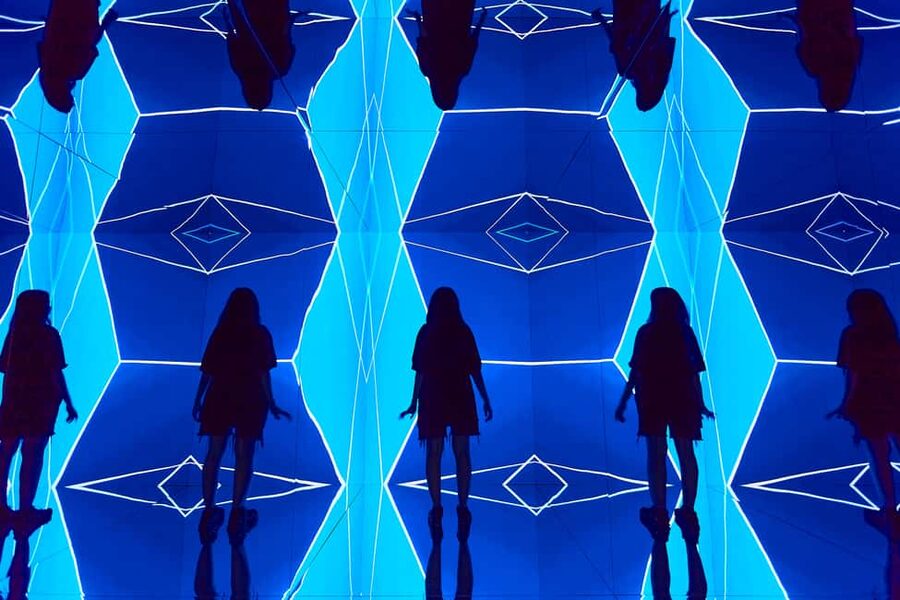
Budapest has plenty of grand museums. This one is different. The Light Art Museum runs in a hall that used to be a popular farmers’ market, and you can feel that change of purpose as soon as you walk in. Instead of displays behind glass, the space works like an instrument: light, walls, and even your angle to the room matter.
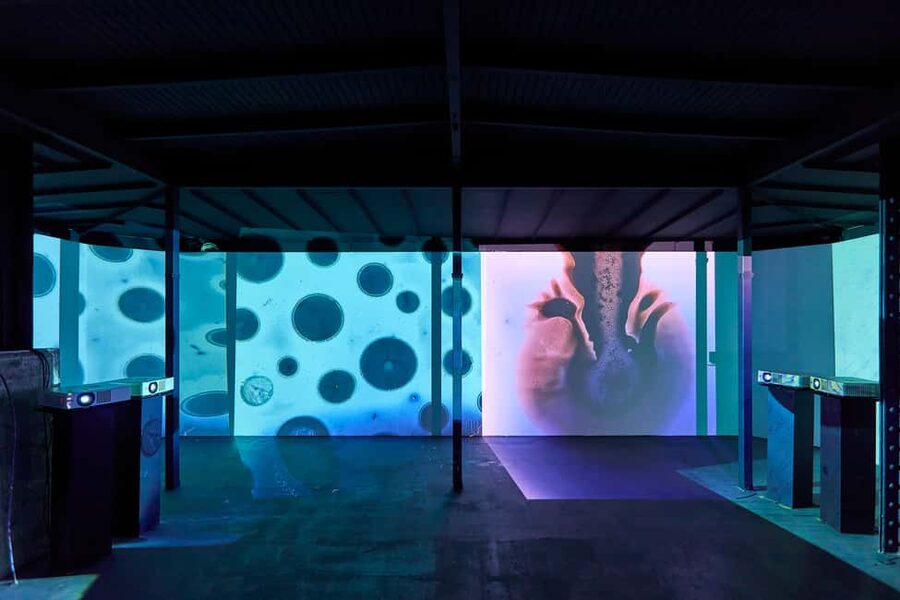
The art leans strongly into contemporary and modern work, using light as the main medium. You’ll see ideas that connect art with science and new media—think optical effects, projection mapping, and installations designed to mess with perception. If you like the moment when you realize your brain is being played with, you’ll be in the right place.
A few more Budapest tours and experiences worth a look



Skip-the-Line Entry and the Freedom to Move at Your Pace
This ticket includes skip-the-line entry plus about 2 hours to explore. There’s no tour guide included, which is a good thing if you hate being rushed. You can linger in the rooms that grab you and move quickly through the ones that don’t.
Hosts (not a full guide) are there to help in English and Hungarian, and they’ll note your ticket situation—especially if you’re using the skip-the-line option. That simple setup matters in practice: light-art venues often rely on timed entry and controlled capacity, and getting in cleanly helps you start seeing the work before you’re tired.
A smart approach: don’t treat this like a “museum marathon.” Plan it as a stop that charges your day with color, illusions, and the kind of visual thinking that makes you want to point at things.
What You’ll Actually See: Light, Color, and Optical Illusions
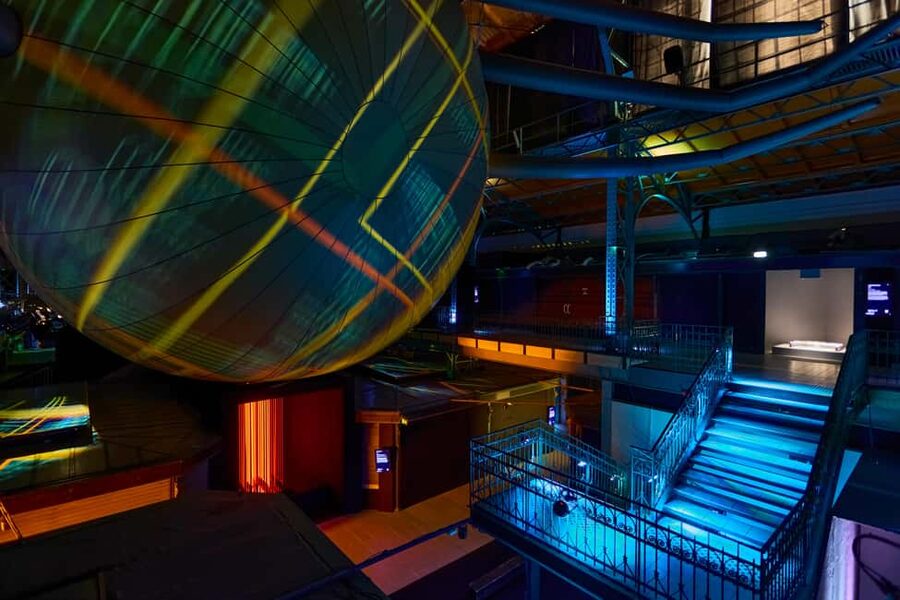
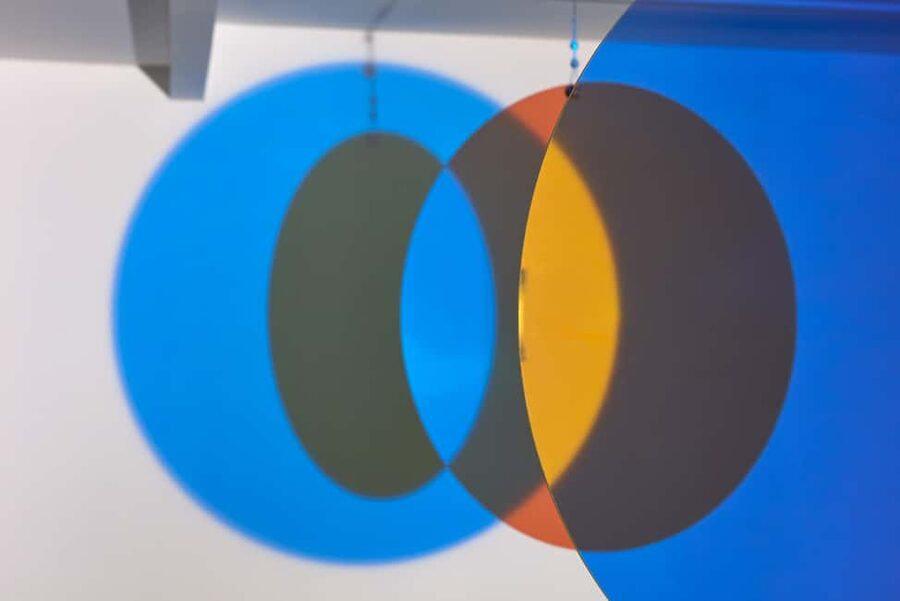
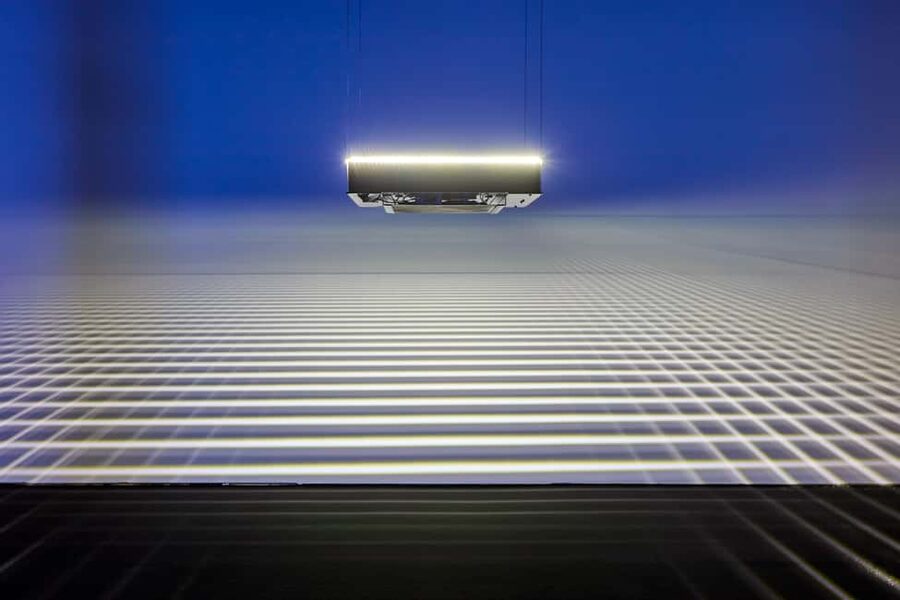
Inside, the installations are designed around the way light behaves—reflection, shadow, projections, and structured light effects. Expect an assortment of contemporary works by both local and international artists. Some are interactive in the sense that you can get right up close and change your experience by where you stand, how you move, or how you look.
It’s also not just about the pretty effects. A number of pieces come with panels or background info, and the overall theme helps you connect the dots between art styles and visual perception. Several visitors say the explanations make the installations click, especially when you understand the background ideas behind the optical tricks.
And yes, you’ll see a lot of photo-worthy setups. This isn’t quiet gallery culture. It’s the kind of place where you’ll instinctively raise your phone because the visuals are engineered to look different from different angles.
Upstairs vs. Downstairs: A Practical Route That Saves You Time
One of the most repeated bits of advice is simple: start upstairs with the smaller rooms, then work your way down. The logic is that the museum often builds to bigger moments later on. If you go straight to the most talked-about installations, you might miss the calmer rooms that help you understand the theme.
You’ll also hear that downstairs is better for many people. That doesn’t mean upstairs is bad—it means the strongest “wow” factor often happens lower in the building. So if you’re short on time, prioritize your route. You don’t have to do everything in order, but having a plan helps.
My tip: aim for a “two-layer” strategy. Do the upstairs rooms first just to get your visual orientation. Then go downstairs and spend more time where the installations feel more dramatic—especially anything you recognize as a main highlight.
Big Standouts: Sphere, Air-Lock Dome, Floating Tent, and Airship-Style Visuals
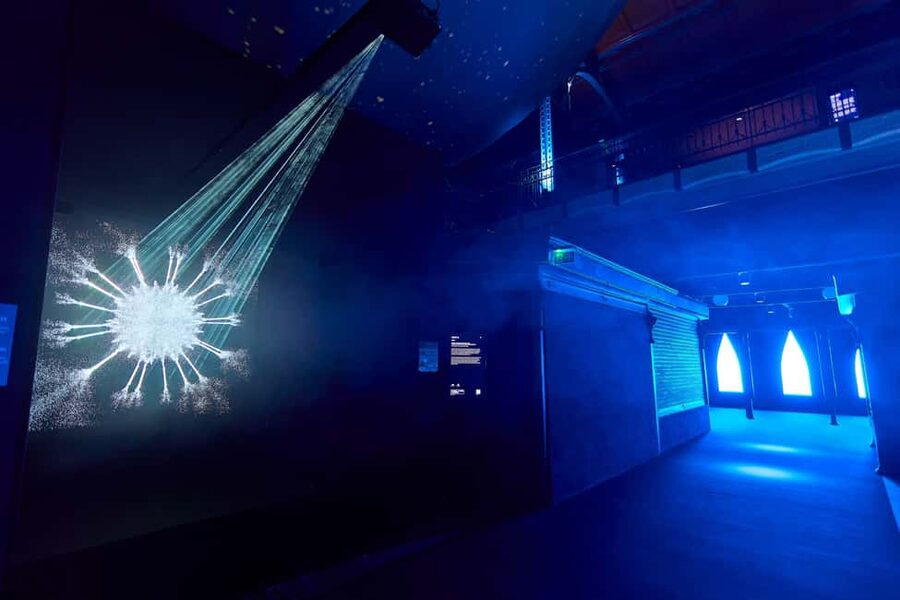
Certain installations get named again and again, and for good reason. These are the pieces that people describe as memorable, surprising, and worth returning to if you have the time.
The sphere experience is one. People call it unbelievable and often say they’re amazed by the way light behaves inside it. Even if you’re not the “science-art” type, this is the sort of setup that makes you forget to talk because you’re busy staring.
Another frequent mention: the air-lock dome. The best advice here is about your physical position. One smart suggestion is to lie down to experience it at its best. That small detail changes everything because domes and light projections are usually designed around how your eyes track the images when you’re fully inside the effect.
Then there’s the big floating tent, which many visitors single out as incredible. It’s also the kind of installation that makes you feel like you’re in the middle of a light-based stage set rather than a flat exhibit.
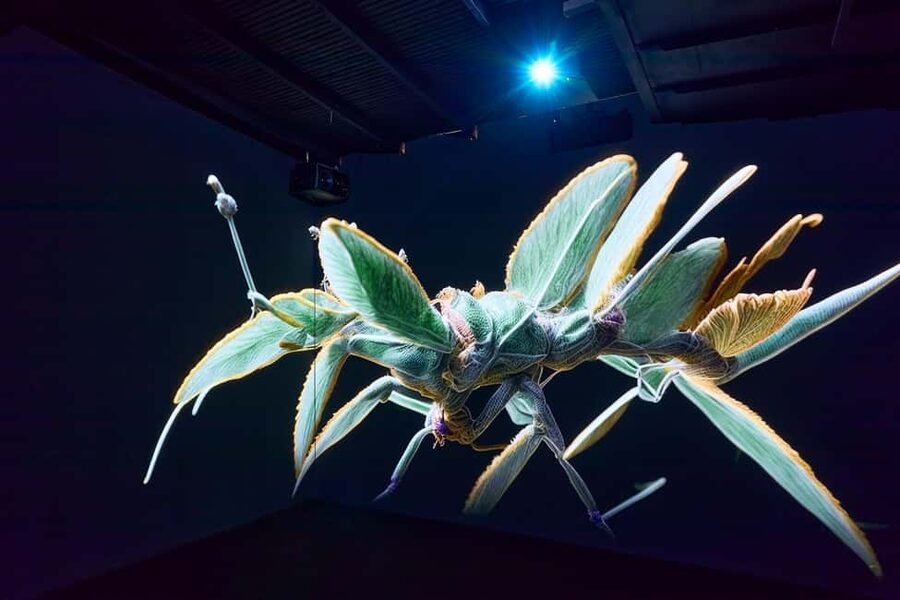
You’ll likely also encounter an airship/blimp-style visual installation. Visitors describe it as incredible and repeatedly bring it up as a “main event” along the way. Even if you don’t know what you’re looking at at first, the way the space is lit usually explains itself.
You can also read our reviews of more museum experiences in Budapest




The Art History Notes: Moholy-Nagy and Victor Vasarely
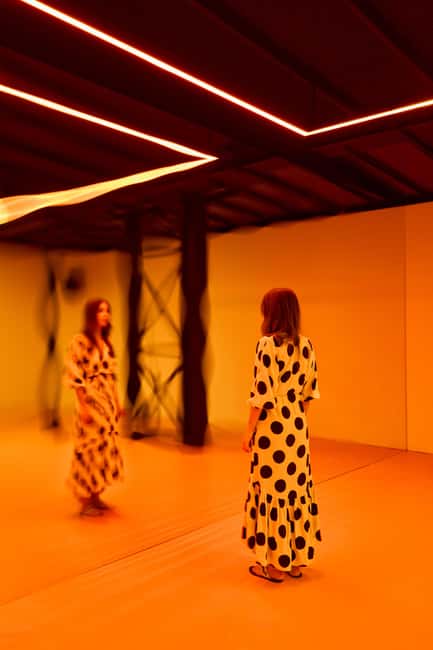
Light art can feel like pure spectacle if you only skim the signage. But this museum includes references that give you a thread to follow—especially around early and modern masters of light and optical style.
Look for the names László Moholy-Nagy and Victor Vasarely. Moholy-Nagy is associated with pioneering light-related ideas in art, and Vasarely is known for op-art optical effects. When you spot their influence, you’ll start seeing more meaning in the installations that rely on patterns, geometry, and optical disruption.
You don’t need to be an art scholar. What helps is reading just enough background to understand what the artist is trying to do to your perception. If you enjoy that little “aha” feeling—when your brain finally catches up—you’ll have a better time.
Is It Kid-Friendly? The Over-18 Section Matters
This museum is often described as family-friendly, and many people bring children and teens. Kids can enjoy the visuals even when they don’t follow all the explanations, and the interactive nature of the installations makes it easier for younger visitors to stay engaged.
That said, you need to know about the over-18s section. It’s specifically called out as an area not meant for younger visitors, and one review mentions that this can be confusing or not fully understood depending on what your child is comfortable with. If you’re traveling with a 5-year-old or a very sensitive kid, consider that you may need to manage expectations and decide whether you’ll skip parts of the route.
A realistic takeaway: plan for a shorter visit with kids and prioritize the big, playful visual installations first. The photos and hands-on moments tend to do the heavy lifting for younger visitors.
How Long Should You Plan? Keep Expectations Tight
Even though the ticket allows around 2 hours, the venue itself can feel compact. A number of visitors say they could do it in about an hour, or at most 1.5 hours, especially when you’re not stopping for every single explanation panel.
So I’d plan this like this:
- If you like to photograph and take in each room: give yourself the full 2 hours.
- If you want to see the highlights and keep moving: 60–90 minutes may be enough.
Also note that some installations may be closed at times. If you show up and a piece you were hoping to see isn’t operating, don’t feel like the whole visit is ruined. There are enough rooms and effects that you can still create a great “best-of” loop.
And because the museum can manage capacity, it often doesn’t feel chaotic. That helps you enjoy the light effects without feeling shoulder-to-shoulder the entire time.
Where It Fits in Your Budapest Day
Budapest can swallow whole days with museums and long walks. This one works as a visual break—especially if you want something different from classical sights.
Because you don’t need a guide, you can slot it in around your existing plans:
- Before a dinner reservation when you want something quick and fun
- On a cloudy day when you’d rather be indoors and staring at light effects
- When you want a “low-effort, high-reward” activity that doesn’t require studying a collection
If you’re doing other city highlights, treat the Light Art Museum as a stop that changes your mood. It’s more playful than many museums, and the “wow” moments make it easy to justify the time.
Price and Value: Is $21 Worth It?
At about $21 per person, the value comes from two places: the price includes your entry (with skip-the-line) and you get up to 2 hours to explore. For a city like Budapest, that’s a fair deal if you’re the type who likes interactive visuals and doesn’t need a guided lecture.
If you’re going purely for quiet, traditional art viewing, you might find some rooms less satisfying. One review even points out that certain pieces can feel more like an idea than a spectacle. But if you like optical tricks, projection effects, and installations where the environment is part of the artwork, the experience is strong for the money.
Also, the controlled crowding helps value. When you’re not wrestling for space, you get more out of each room. That’s the kind of practical benefit you feel immediately.
Should You Book This Light Art Museum Ticket?
Book it if you want:
- A unique, light-driven art experience in a former market hall
- A flexible visit with skip-the-line entry and no guide schedule
- A good mix of science-meets-art, optical illusions, and big named installations like the sphere, air-lock dome, and floating tent
- Something that can work for families, as long as you plan around the over-18 area
Skip it or think twice if you strongly prefer traditional museums with large collections, or if you’re traveling with very young kids who may not do well with rules around the over-18 space.
If you’re still deciding, here’s my quick decision shortcut: if you’ve ever enjoyed op-art, projection mapping, or any exhibit where your eyes are part of the show, this is an easy yes.
FAQ
How long do I have to explore the Light Art Museum?
Your ticket includes about 2 hours of exploration.
Does this ticket include a guided tour?
No. Admission includes the ticket, but there’s no tour guide included.
Can I use skip-the-line entry?
Yes. This is a skip-the-line entry ticket. If you want to use it, let the hosts know.
What languages are available?
English and Hungarian are listed.
Is the ticket valid for just one day?
Yes. It’s valid for 1 day.
Is it suitable for children?
It’s often considered kid-friendly because of the interactive light installations and visual effects. However, there is a section specifically for over 18s, so some areas may not be appropriate for younger visitors.
If you tell me your travel month and whether you’re going with kids (and roughly what ages), I can suggest a smart time to go and a best-of route through the rooms.