REVIEW · BUDAPEST
Budapest: Mika Tivadar Secret Museum Entry Ticket
Book on GetYourGuide →Operated by Gozsdu hotel kft. · Bookable on GetYourGuide
This tiny museum hits hard in 30 minutes. It turns a simple ticket into a walk through Kazinczy Street and the buildings around it, with an 8-language mobile audio guide that keeps moving at your pace. It’s small (140 sqm), but the stories stretch from the late 1800s to the years between the world wars—plus you’re in the middle of Budapest’s lively District VII.
I love how it feels self-guided without feeling cold or confusing. You get greeted at the reception, handed a flyer, and then the chapters run on your phone, with voice effects and free Wi‑Fi to help you settle in. I also like that you can pair the museum with something fun nearby—the onsite cocktail bar and restaurant makes it easy to turn the visit into an evening stop. One thing to consider: it’s not suitable for wheelchair users, and there’s no museum guide included, so you’ll rely on the audio and signage.
In This Review
- Key points before you go
- Mika Tivadar Secret Museum: what a 30-minute ticket really feels like
- Kazinczy Street stories you’ll recognize in real life
- Cabaret, cinema, and the Blue Cat era
- A first Hungarian hotel museum—and why that matters
- The audio guide system: your phone becomes the guide
- What you’ll see in the exhibits (without getting lost)
- Onsite cocktail bar and restaurant: museum + night plan in one
- Price and value: why $5 can feel like more
- Meeting point: Hotel Mika Dowtown Reception
- Who should book this ticket (and who should skip)
- Should you book the Mika Tivadar Secret Museum ticket?
- FAQ
- How long does the Budapest Mika Tivadar Secret Museum visit take?
- How much is the ticket?
- Where do I meet for the museum?
- Is a museum guide included with the ticket?
- Do I need to bring anything?
- How many languages are available for the audio guide?
- Is Wi‑Fi available inside?
- Is the museum wheelchair accessible?
Key points before you go
- 140 sqm, specialty museum format: compact spaces with a lot of story content
- 8 languages + mobile voiceovers: use QR code audio on your own smartphone
- Kazinczy Street building stories: the museum links to famous figures and landmarks beyond its walls
- Onsite cocktail bar and restaurant: plan it as a hangout, not just a walkthrough
- Time period focus: late 19th century through the two-world-wars era
- Not wheelchair accessible: plan an alternate option if mobility is a factor
Mika Tivadar Secret Museum: what a 30-minute ticket really feels like
The Mika Tivadar Secret Museum is one of those Budapest experiences that tricks you—in a good way. The official time is about 30 minutes, and you can treat it like a quick cultural detour. But because you’re reading, listening, and looking closely at installations, it can easily work as a slower break between sightseeing stops.
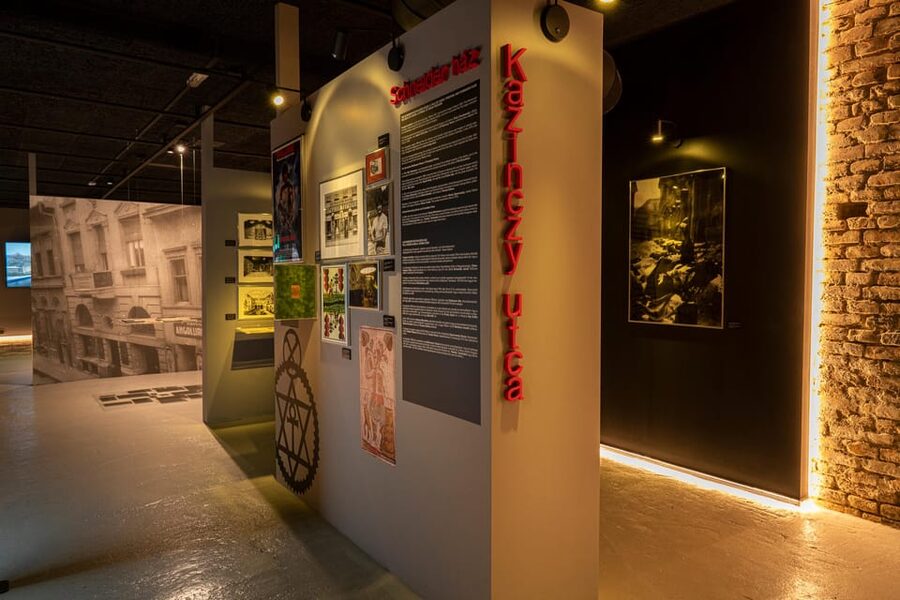
Inside, you’re not looking at one main gallery and calling it a day. The museum’s space is about 140 square meters, but it’s treated like a sequence of chapters. You’ll move through an atmosphere built for storytelling, covering the period from the late 19th century into the years between the two world wars.
I also like the “small but intentional” setup. This place isn’t trying to overwhelm you with scale. Instead, it focuses on how a specific street and specific buildings carried layers of European power politics, local life, and everyday culture. That’s why it feels memorable even when you’re done quickly.
A few more Budapest tours and experiences worth a look



Kazinczy Street stories you’ll recognize in real life
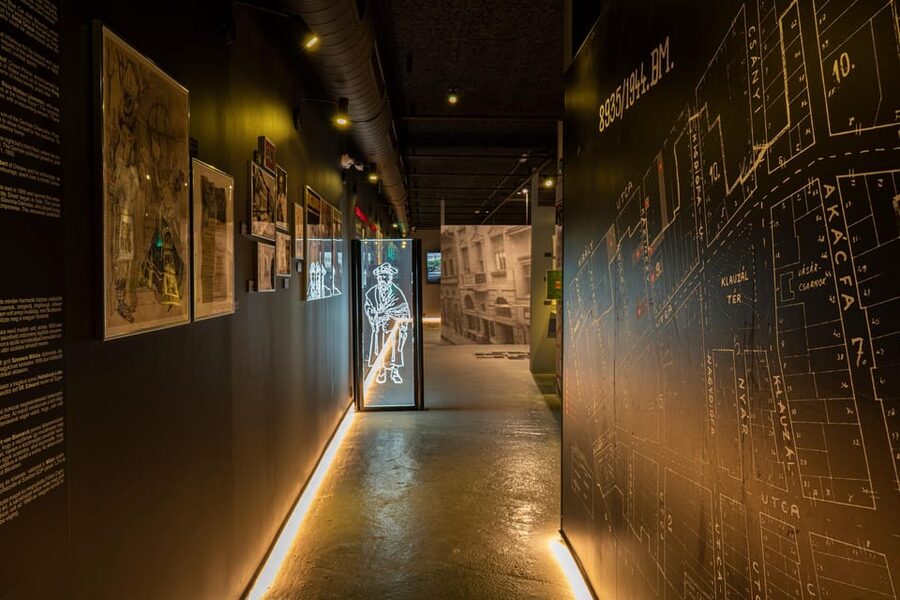
The museum’s biggest trick is how it connects its own house to the wider Kazinczy Street area. You’re not just learning about a building; you’re learning why this corner of Budapest mattered. The exhibits bring in surrounding buildings and the bigger events around them, so you understand the district in a more personal way when you step back outside.
Some of the names and connections are the kind you’d expect from a much larger museum. You’ll see references to King Edward VII of the UK, German statesman Otto von Bismarck, and Milan I of Serbia. The point isn’t memorizing dates. It’s getting a sense that this street sat inside the same historical currents that shaped Europe.
Then come the pop-culture curveballs that make the museum fun to revisit in your head later. The museum covers a surprising connection involving Sylvester Stallone and Arnold Schwarzenegger tied to a tiny house on Kazinczy Street. It also links cinematic history here to Michael Curtiz, the Oscar-winning director of Casablanca, whose film career began at this spot with Hungary’s first cinema.
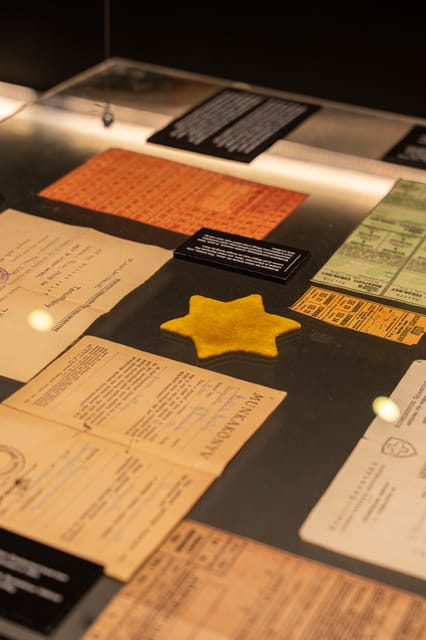
And if you want a darker thread, it’s also part of the story. You can expect material about the Budapest Ghetto, and the museum doesn’t treat it like a side note. It’s worked into the broader picture of how communities lived, interacted, and were affected by the pressures around them.
Cabaret, cinema, and the Blue Cat era
One of the most atmospheric parts of the museum experience is how it recreates entertainment culture from a much earlier Budapest. The museum highlights Europe’s most famous cabaret, the Blue Cat, and it places you in the orbit of the kind of nightlife that made certain streets famous.
It also covers a crucial media milestone: Hungary’s first cinema opening right here. That detail matters because it connects the district to the beginnings of filmmaking in the region. And then the story jumps forward to Michael Curtiz, connecting your museum stop to a director many people already know from classic cinema.
If you’re a film fan, this is where the museum becomes more than history. The exhibits give you context for how places shaped creative careers. If you’re not a film fan, it still works, because the underlying theme is the same: culture was happening here, not somewhere abstract and far away.
A first Hungarian hotel museum—and why that matters
This isn’t just a collection of objects behind glass. The museum describes itself as the first Hungarian hotel museum, and that focus changes the feel. Hotels are where travelers, locals, and international visitors collide. In a street like this one, that collision becomes history on display.
That’s also why the museum’s “district energy” comes through even when you’re indoors. You’ll learn how the area evolved across different eras, including a connection to an earlier first steam bath that used to sit right in front of the museum area. Today, that steam-bath building story is tied into the fact that the site has been turned into a hotel.
One more practical reason you’ll care: the museum’s setting matches its theme. It’s part of the local heritage hotel atmosphere, and the onsite food and drink options make it feel like a place you could return to, not a one-off ticket.
The audio guide system: your phone becomes the guide
This is a self-guided museum experience, and the magic ingredient is the audio. There’s no museum guide or tour guide included. Instead, you’ll be greeted and given a museum flyer, with a brief explanation of what you can discover.
From there, you use your own device. The audio is accessible on your mobile, and you’ll listen chapter by chapter. The museum includes voiceovers and voice effects, so it’s not just flat narration. You’re meant to follow along as you look at installations and written narratives in the space.
A key practical point: bring a charged smartphone. You’ll want enough battery to scan and listen comfortably. Also, the good news is you don’t have to hunt for a network—Wi‑Fi is free.
Language coverage is another strong value add. The museum provides audio in 8 languages, which is especially helpful if you’re traveling with mixed-language needs. It also means you won’t feel stuck decoding things that were clearly written for a different audience.
You can also read our reviews of more museum experiences in Budapest





What you’ll see in the exhibits (without getting lost)
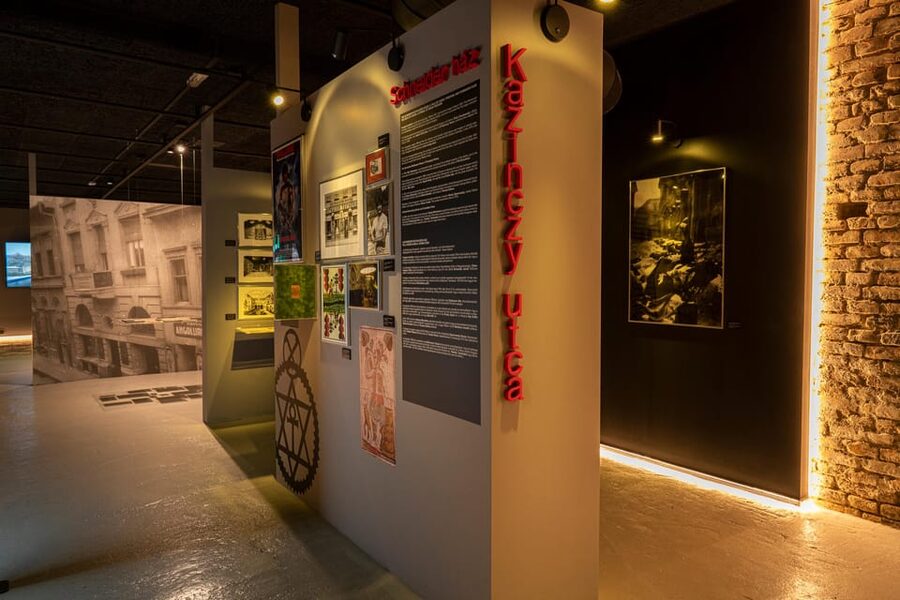
The museum is designed around a compressed timeline. Expect an experience that moves through eras—from late 19th century life into the period between the world wars—with a focus on iconic buildings, pivotal events, and the spirit of the time.
You’ll also notice a curatorial emphasis on communities living in Hungary. The museum works to highlight the role of different ethnic communities, so the story isn’t only told through one narrow lens. That makes it easier to connect, especially if you’ve come to Budapest hoping to understand the city as a meeting point of cultures rather than just a list of monuments.
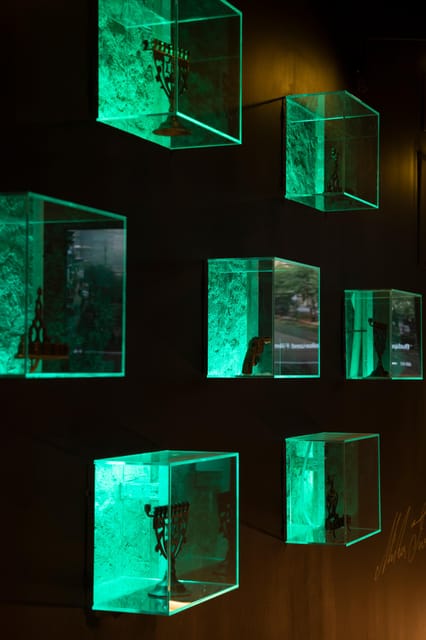
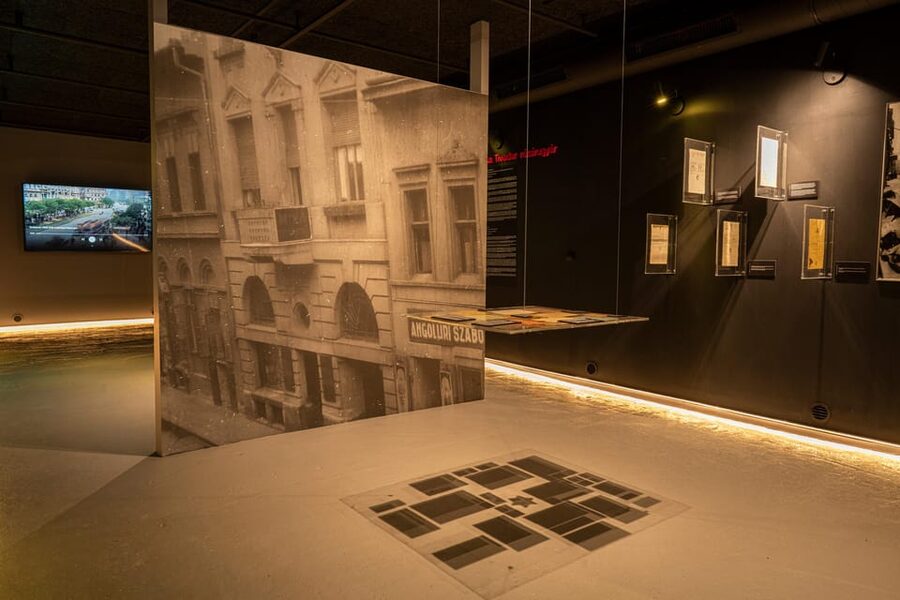
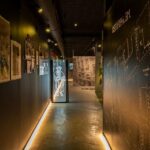
The museum also uses authentic materials and storytelling techniques—installations, photographs, and written narratives—to make the past feel connected to real places. In a small space like this, the exhibits can move quickly, so it helps to go in with a “listen first, look second” approach. Start with the audio, then pause on the details it points you to.
Onsite cocktail bar and restaurant: museum + night plan in one
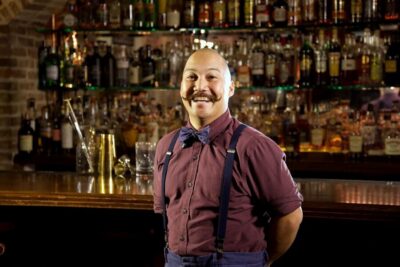
The museum doesn’t end when you finish your last audio chapter. The onsite cocktail bar and restaurant lets you keep the mood going. That matters in Budapest, where District VII is full of evening options but can be chaotic when you’re hungry or deciding where to sit.
The museum setting makes it feel natural to stay. You’re in a local heritage hotel environment, and the bar gives you a built-in reason to linger nearby without having to plan a separate venue. One review even highlights that you can enjoy a cocktail while exploring, which fits the way this place is set up.
If you want a practical tip: treat the museum as your “culture starter,” not your final stop. Then finish with a drink or a bite so you get two different experiences from one ticket and one location.
Price and value: why $5 can feel like more
At $5 per person, this is priced like a small add-on. But the value comes from three places.
First, you’re paying for audio content across multiple languages. That means the ticket works for you even if you don’t read every wall text quickly.
Second, the museum’s compact size keeps it efficient. You’re not spending hours figuring out whether you care. You get a clear time box and a focused set of stories—easy to fit into a day that already includes baths, churches, markets, and river views.
Third, you get atmosphere. The onsite cocktail bar and restaurant means you’re not just buying admission; you’re buying a location where you can turn the visit into a short evening plan.
The main “value catch” is the same as the main “format catch”: there’s no live guide. If you enjoy asking questions and getting off-script answers, you might prefer a guided option elsewhere. If you’re happy with audio storytelling, the museum’s setup is exactly what you want.
Meeting point: Hotel Mika Dowtown Reception
You’ll meet at the Hotel Mika Dowtown Reception. That’s useful because it keeps the experience simple. You don’t have to decode an address and then guess which door is correct.
From the reception, you’ll get a short explanation and then be set up for the audio experience on your phone. Since the museum also uses QR-based chapter audio, having your phone ready before you start is a good move.
Who should book this ticket (and who should skip)
This is a great fit if you like history that feels tied to specific street corners. It’s also a strong choice if you prefer a self-guided pace. You’ll decide how long to spend reading and where to pause for the stories tied to the district.
It also works well for smaller groups or solo travelers. The audio system in 8 languages reduces the need to coordinate someone else’s pace or interpretation.
You may want to skip it if mobility access matters. The museum is not suitable for wheelchair users, so plan an alternative if that’s part of your travel needs.
Also, if you want a guide to explain context and answer questions in real time, this is not that format. No museum guide is included. You’ll get a quick welcome, but after that, it’s all you and your phone audio.
Should you book the Mika Tivadar Secret Museum ticket?
Book it if you want a low-cost, high-story stop in Budapest that connects Kazinczy Street to major figures, entertainment culture, and the layered life of Hungary across dramatic decades. At around $5, you’re not taking a big financial risk, and the time commitment stays tight.
Skip it if you strongly prefer guided tours, or if accessibility needs make this venue a mismatch. And if you hate phone-based audio experiences, be aware that this museum is built around your mobile device.
If you’re the kind of traveler who enjoys short, focused stops where you leave with a few surprising facts (Bismarck and Edward VII in the same story as cabaret and cinema beginnings), this one is easy to justify.
FAQ
How long does the Budapest Mika Tivadar Secret Museum visit take?
The experience is listed as lasting about 30 minutes. You’ll want to check available start times when booking.
How much is the ticket?
The price is listed as $5 per person.
Where do I meet for the museum?
You meet at the Hotel Mika Dowtown Reception.
Is a museum guide included with the ticket?
No. There’s no museum guide or tour guide included. You’re greeted, given a museum flyer, and the audio guide chapters run on your mobile.
Do I need to bring anything?
Yes—bring a charged smartphone, since the audioguides are accessed on your own device.
How many languages are available for the audio guide?
The audio guide is available in 8 languages.
Is Wi‑Fi available inside?
Yes, Wi‑Fi is free.
Is the museum wheelchair accessible?
No, it is not suitable for wheelchair users.