REVIEW · BUDAPEST
Budapest: Light Art Museum – Immersive New Media Experience
Book on GetYourGuide →Operated by Intersputnik Kft · Bookable on GetYourGuide
The light show starts before you even notice. This Budapest stop turns a historic market space into a hands-on playground of light art and new media with optical tricks and projection-style effects. I especially like the airlock dome experience and the way the museum spotlights major light-art names like László Moholy-Nagy and Victor Vasarely. One possible drawback: it’s timed at about two hours, so if you like slow museum wandering, you may feel it ends quickly.
You’ll spend those two hours moving through rooms packed with color, shadow, and interactive installations, including site-specific pieces in a hall that used to be a popular farmers’ market. The museum also has a reputation for keeping entry counts controlled, which helps the experience feel more personal than chaotic. If you’re sensitive to visual stimulation, go in with a plan to take short breaks and pace yourself.
In This Review
- Key Things to Know Before You Go
- Budapest’s Light Market Hall: What You’re Really Walking Into
- Your 2-Hour Game Plan in the Light Art Museum
- Projection Mapping, Optical Illusions, and the Airlock Dome
- Moholy-Nagy and Vasarely: Artists Behind the Light Tricks
- Photo Tips and Sensory Notes That Actually Matter
- Price and Skip-the-Line Value for $18
- Crowd Levels, Closed Rooms, and When Timing Helps
- Who Should Go, and Who Might Want a Different Plan
- Should You Book This Light Art Museum Ticket?
- FAQ
- How long do I spend inside the Light Art Museum?
- What’s the price per person?
- Is there a skip-the-line option?
- Do I need a tour guide for this?
- What languages are available on-site?
- Is the ticket valid for one day?
- Is the experience suitable for families?
- Can I cancel for a refund?
- Are all installations guaranteed to be open?
Key Things to Know Before You Go
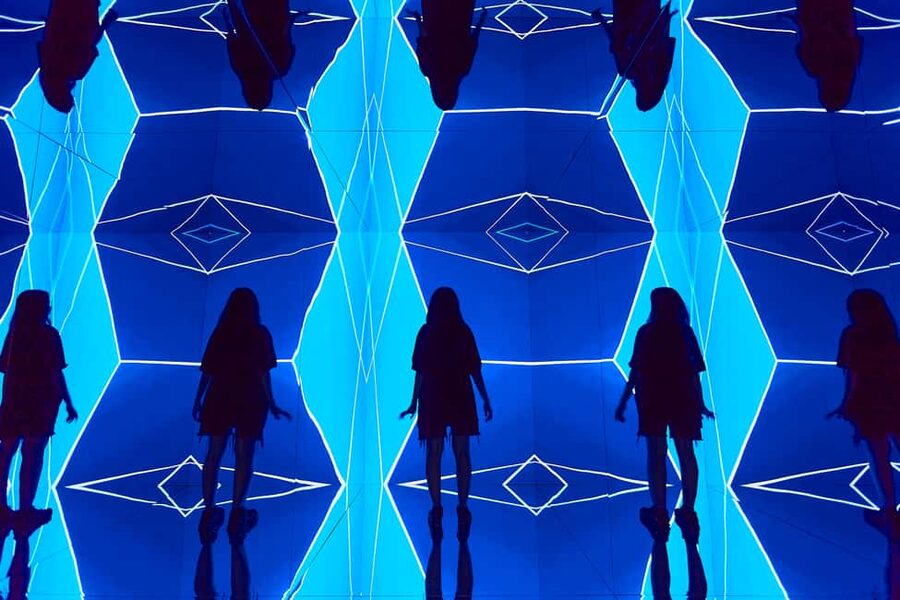
- Former farmers’ market, now a light-and-art lab: The building setting makes the whole experience feel different from a typical white-box museum.
- Two hours is the sweet spot: Plan to actually read and pause, or you’ll skim past your favorite rooms.
- Airlock dome is the headliner: It’s one of the most memorable spaces, and you’ll get more out of it if you lie down.
- Artists you can look for: Keep an eye out for László Moholy-Nagy and Victor Vasarely references in the light works.
- Family-friendly, with a twist: There’s a section noted as over 18, so check your timing if you’re visiting with kids.
Budapest’s Light Market Hall: What You’re Really Walking Into
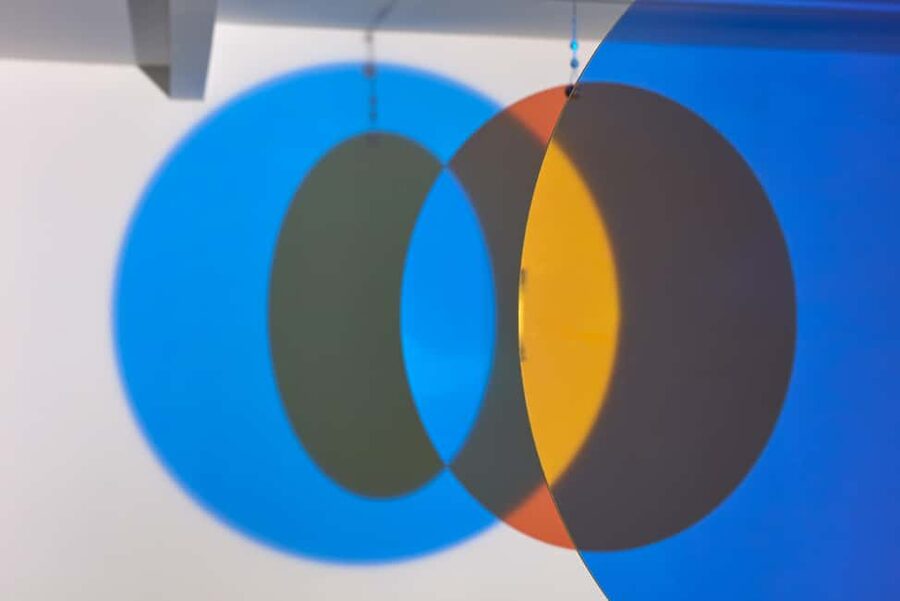
Budapest’s Light Art Museum is built around a simple idea: light isn’t just decoration. It’s a material. The museum uses it to create optical illusions, shaped atmospheres, and science-meets-art moments you can actually interact with.
The setting matters. You’re not in a generic gallery. The experience happens in a hall that was once a popular farmers’ market, and that old-market scale makes the light installations feel larger than life. Even if you mostly care about the visuals, the architecture gives you that sense of stepping into a whole new kind of space.
This is also a good choice if you want something contemporary without the pressure of a formal art history museum. You’ll still see artwork by local and international artists, but the museum leans hard into seeing, moving, and experiencing.
You can also read our reviews of more museum experiences in Budapest



Your 2-Hour Game Plan in the Light Art Museum
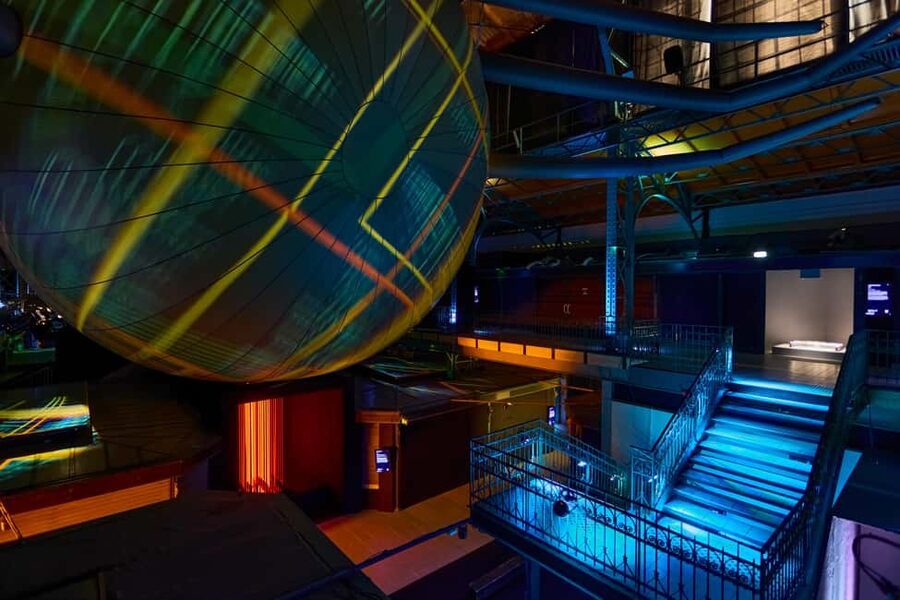
Your ticket gives you admission plus about 2 hours of exploration in the world of light, art, and new media. That time budget is short enough that you’ll want to move with intention, but long enough to enjoy the details if you pause.
Here’s a practical way to pace it:
- Go in ready to spend time in the rooms that grab you, even if that means skipping the parts that don’t click fast.
- Plan for breaks. The light effects and changing visuals can add up if you’re doing this back-to-back with other sightseeing.
- Use the information displays as you go, but don’t get stuck trying to read everything. Some screens can switch languages, so you might lose your place.
Also, there’s no tour guide included. Instead, you’ll have a host/greeter (English or Hungarian) to help you at the start, and then you explore on your own. That’s a big plus if you don’t want a group schedule steering you away from the rooms you care about.
Projection Mapping, Optical Illusions, and the Airlock Dome
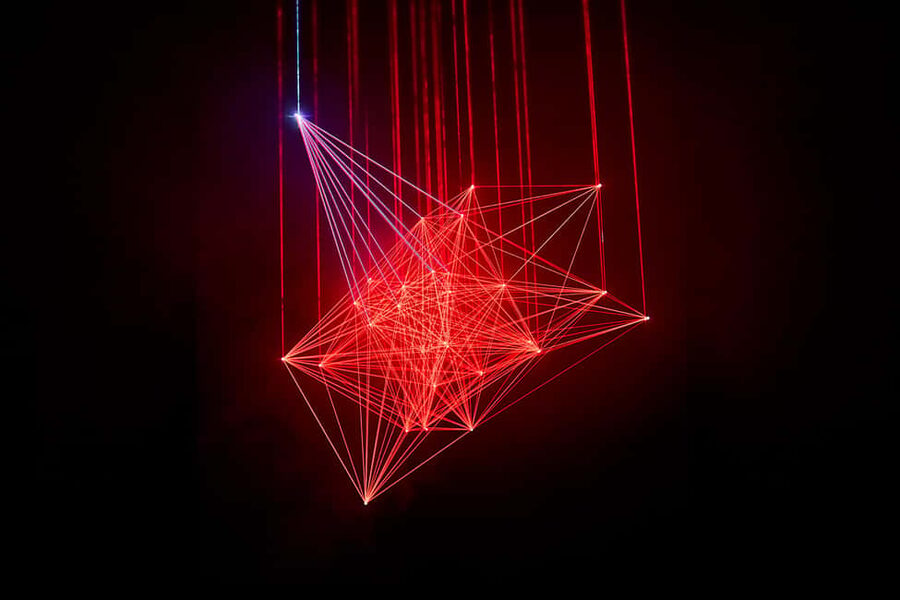
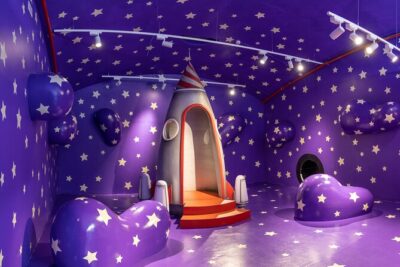
The museum’s core is the light itself: bright colors, shadow patterns, and optical effects that can trick your brain in a good way. Expect lots of contemporary installation-style work, including projection mapping and spaces designed for you to stand inside rather than just look at from one spot.
The star moment for many people is the airlocked dome in the middle. If you want the best view, plan to spend time there and actually use the space. A big tip: lie down to experience it at its best. That small move changes the whole feel, because you’re letting the light effects play across your field of view instead of just at eye level.
Some installations can be closed on the day you go. That can shorten your walk-through time. It doesn’t ruin the experience, but it does mean you should treat it like a fun, flexible route rather than a guaranteed checklist of every single artwork.
Moholy-Nagy and Vasarely: Artists Behind the Light Tricks
One reason this museum works for more than just casual picture takers is that it nods to real names in the history of light-based art and optical studies.
You can look for references to László Moholy-Nagy and Victor Vasarely. Moholy-Nagy is tied to the world of light and visual experiments, while Vasarely is known for op-art style thinking. You don’t have to be an art expert to get value here. The key is that the museum builds modern experiences that connect to those ideas: perception, geometry, and how light can behave like a tool.
If you like figuring out why something looks the way it does, spend extra minutes reading the explanations near the installations you enjoy. Even if the visuals do most of the talking, the small context pieces help you understand what you’re seeing beyond just wow.
Photo Tips and Sensory Notes That Actually Matter
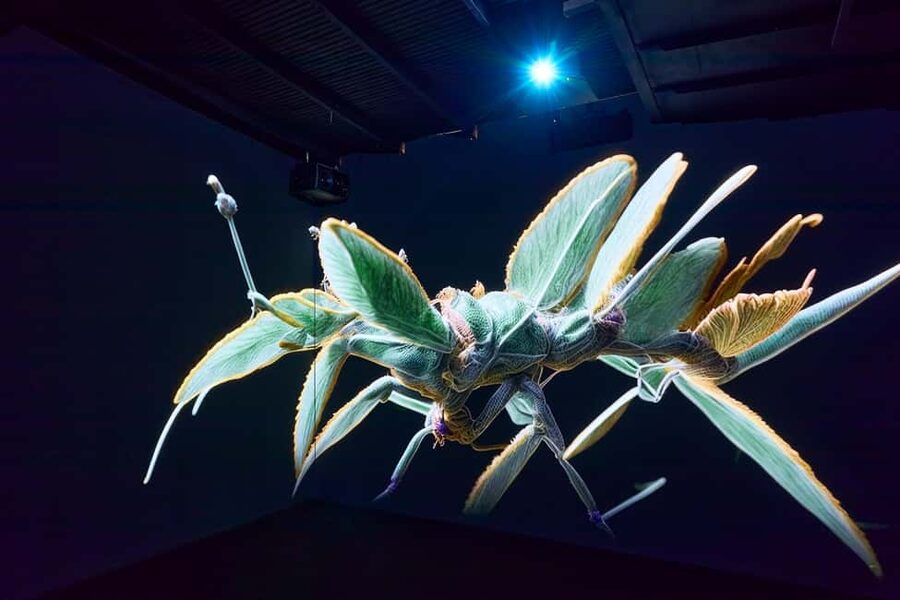
This is a museum where photos make sense. The installations are designed for the camera, and the light effects give you striking results fast.
A few photo-minded tips:
- Start with wide shots, then go for close-ups. The museum’s installations can look different depending on how much of the scene you frame.
- If there’s a dome or enclosed space, slow down. That’s often where the effect is strongest and where people rush past the best angles.
- Keep an eye on the information screens. They can flip between languages, which can be annoying if you’re trying to read everything word-for-word.
Sensory note: it’s all very visual. If you’re planning this with kids or someone who gets overwhelmed by bright, moving light, build in breaks between rooms. The experience is best when you can actually pause and react, not when you’re sprinting through to finish.




Price and Skip-the-Line Value for $18
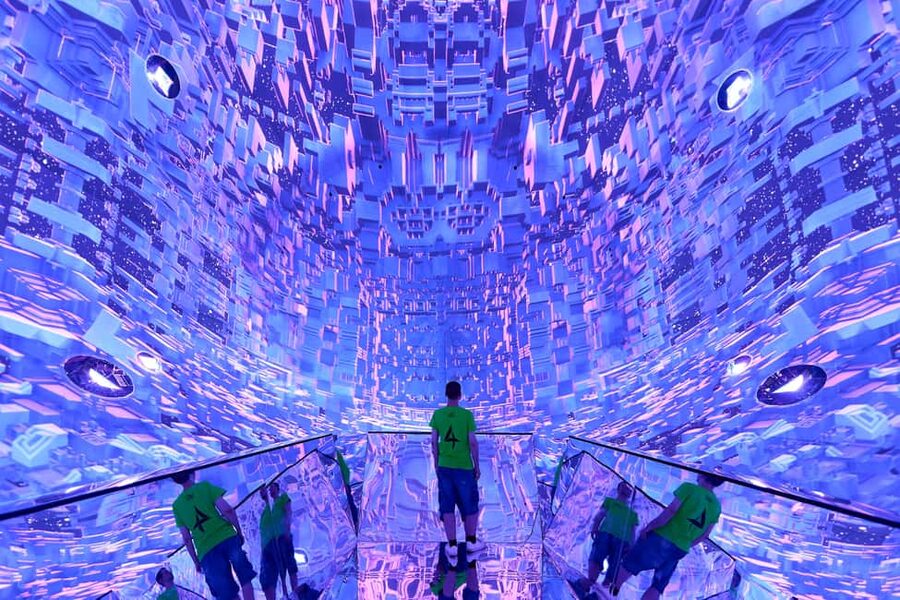
At about $18 per person, this ticket is priced like an activity, not a long-form museum day. The value depends on what you want out of Budapest.
If you’re chasing a unique, modern experience that you can finish in a short window, it’s good value. The ticket includes admission and the two-hour exploration time, and the skip-the-line option helps you start sooner. That matters because line time is wasted sightseeing time, and you already have a short time block in the museum.
Also, the entry approach seems to limit crowding. People talk about the museum letting in a limited number of visitors, so the rooms don’t turn into a jam-packed crush. That’s a real value factor for light-based art, because you need space for both looking and taking photos.
Crowd Levels, Closed Rooms, and When Timing Helps
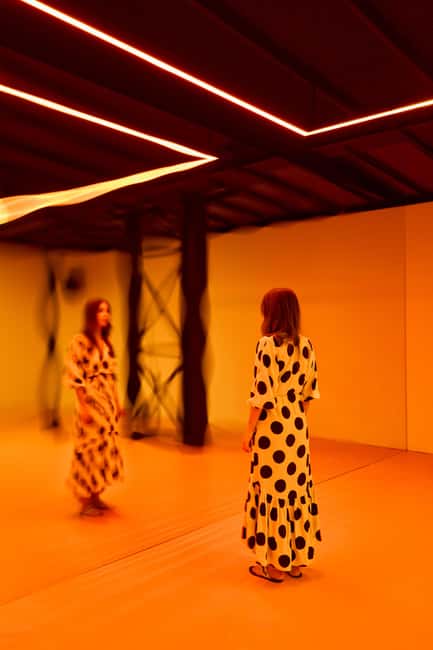
Even with a controlled entry feel, timing can change how you experience a light show. Go early and you’re more likely to have a calmer flow, which makes it easier to take in the installations and spend time where you want.
Still, remember: some artworks can be closed for the day. That means you could walk through faster than expected, especially if a few key pieces are offline. If you want the most certainty, aim for a time slot where you’re not rushing to catch another timed activity right after.
One more small caution: there’s a section specifically noted as over 18. If you’re bringing younger kids, that can affect where you spend your time and what you can access comfortably. Plan your museum route with that in mind, especially if your group includes mixed ages.
Who Should Go, and Who Might Want a Different Plan
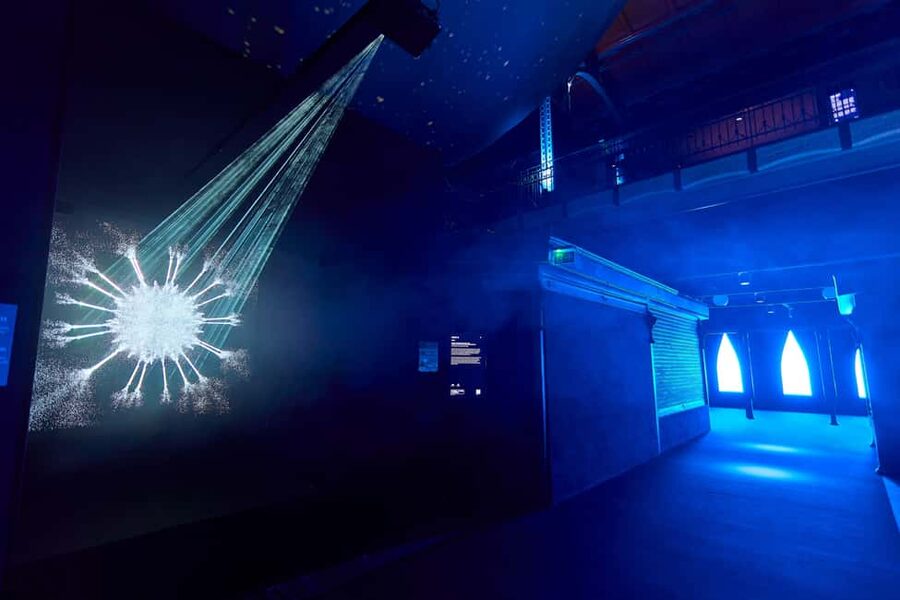
This museum is a strong fit for:
- Families who want something visual and interactive
- People who like modern art but don’t want a purely academic, slow experience
- Anyone who enjoys sci-fi-ish vibes from light, projections, and optical illusions
It’s less ideal if you want a classic, comprehensive museum with hours of quiet galleries. You’re getting a compact, designed experience. If your idea of museum fun is reading every label for two hours straight, you may leave wanting more space and time.
For younger children, it can still work well because the experience is kid-friendly and very hands-on. But do not ignore the over 18 section note. It’s the kind of detail that changes the day for a family, so it’s smart to plan around it instead of hoping it won’t matter.
Should You Book This Light Art Museum Ticket?
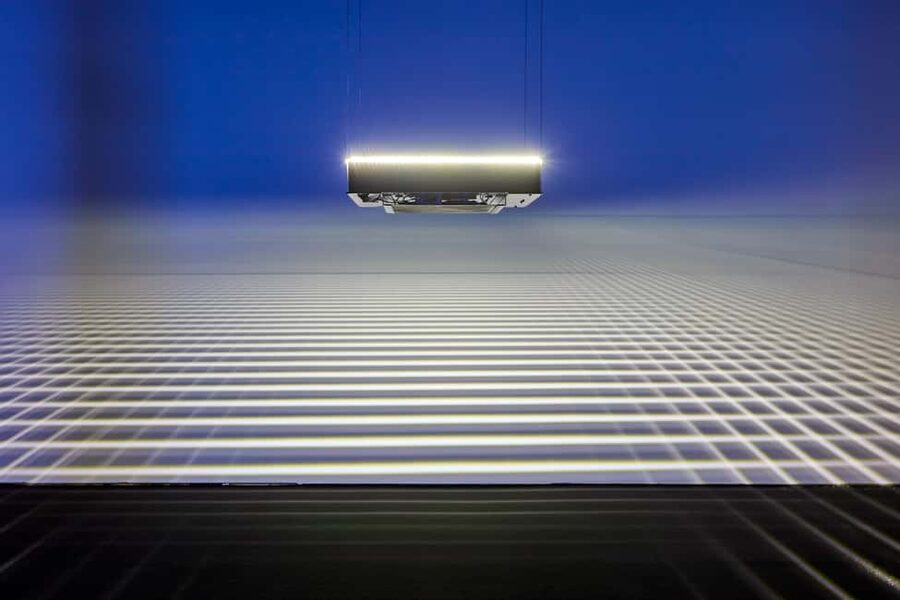
Book it if you want an unusual, photo-friendly Budapest activity that mixes art and visual science in a space built for wonder. The 2-hour time limit is a feature if you like focused outings, and the skip-the-line option is worth it when your day is packed.
Skip it (or reconsider) if you’re the type who needs a long museum day, or if bright, changing light might overwhelm you. Also think carefully before going with kids if your group includes anyone who will struggle with the over 18 area.
If you’re doing Budapest for the big sights and you want one modern, offbeat stop that doesn’t require art credentials, this is a solid pick.
FAQ
How long do I spend inside the Light Art Museum?
Your ticket includes about 2 hours of exploration in the light art and new media experience.
What’s the price per person?
The price is listed as $18 per person.
Is there a skip-the-line option?
Yes. Your admission ticket includes a skip-the-line option, and you should let the hosts know if you want to skip the line.
Do I need a tour guide for this?
No tour guide is included. You’ll have a host/greeter, but the museum is designed for you to explore yourself.
What languages are available on-site?
English and Hungarian.
Is the ticket valid for one day?
Yes, it’s valid 1 day. You’ll need to check availability to see starting times.
Is the experience suitable for families?
It’s described as kid-friendly, and you can bring the whole family. However, there is also a section specifically for over 18, which can matter if you have younger children.
Can I cancel for a refund?
Yes. Free cancellation is available up to 24 hours in advance for a full refund.
Are all installations guaranteed to be open?
No. Some artworks may be closed on the day you visit, so your walk-through time could be shorter than expected.