REVIEW · BUDAPEST
Budapest: Cat Museum Budapest Entry Ticket
Book on GetYourGuide →Operated by Cat Museum Budapest · Bookable on GetYourGuide
A museum where cats set the pace. Cat Museum Budapest turns feline curiosity into a relaxed indoor outing: you’ll wander through cat-inspired art, snap photos at themed walls, and then spend unhurried time with the resident cats.
I especially like the two-level exhibition style—downstairs leans into cat re-imaginings and world themes, and upstairs shifts into a porcelain-focused gallery. I also like that the experience feels genuinely cat-first, with clear interaction rules and a calm setup designed around nap-time and personal space.
One heads-up: cat energy is unpredictable. If several cats are napping (they often are during the day), your playful lap-cat moments may be shorter than you’d hope, even though they’re friendly and social by nature.
In This Review
- Key things that make this museum different
- What you’re really paying for: art, audio, and cat time
- Your 90-minute flow: lower level, upstairs galleries, Jungle Room
- Cats in the World: playful art that keeps you looking
- Porcelain galleries and the recognizable Hungarian names
- Jungle Room cat biology: facts you can actually use
- Photo walls, a selfie stand, and props that don’t feel forced
- Time for the kids: coloring corner plus cat-friendly rules
- Meeting the resident cats: the rules make it better
- Staff and atmosphere: warm welcome, calm music, and limited pressure
- Who should book this, and who might want a different plan
- Should you book Cat Museum Budapest?
- FAQ
- How long is the Cat Museum Budapest visit?
- What’s included with the ticket?
- How much does the entry ticket cost?
- What’s the minimum age for entry?
- Do I need to remove my shoes?
- Are flash photos, strollers, or dogs allowed?
- Can I cancel and get a refund?
- Is the museum suitable for wheelchair users?
Key things that make this museum different
- Egyptian and Japanese Photo Walls: photo props and a selfie stand make it easy to get souvenir shots without feeling rushed.
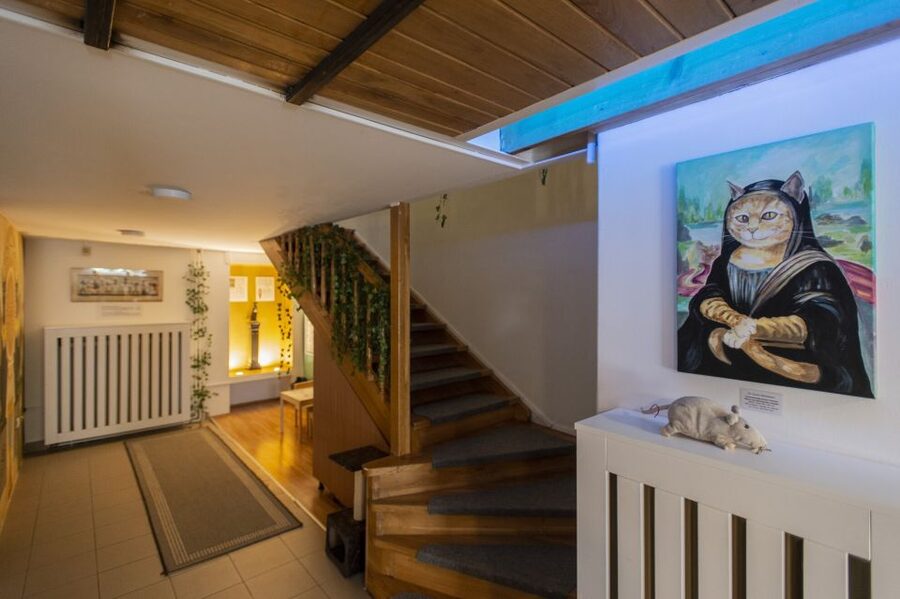
- Cats in the World on the lower level: cat-centered reworkings of famous paintings plus antique and modern depictions.
- Porcelain spotlight upstairs: works featuring makers like Zsolnay, Herendi, and Hollóházy, with some international pieces too.
- The Jungle Room for cat biology: traits, breeds, and short learning stops that don’t feel like a lecture.
- Resident cats with clear interaction rules: you’ll disinfect hands before petting and the cats can choose when to engage.
What you’re really paying for: art, audio, and cat time

For about $14 per person, you get a ticket that’s built around three things: the art exhibition, a complimentary audio-guided visit, and time in the cat areas where the residents are the main attraction. At 1.5 hours, it’s short enough to fit into a busy Budapest day, but long enough that you don’t feel like you’re sprinting from one room to the next.
Value is strong because the ticket includes a hot drink or refresher as you explore. In practice, that matters. It turns the museum from a quick look-then-go stop into something you can slow down with—especially if you want a quieter indoor break from the city.
There’s also a clear ethical angle: the cats are resident animals, supported by an adoption program, and adoption is only offered to residents of Hungary. You’re not just buying access to a themed space; you’re supporting a place that treats the cats’ wellbeing as the foundation of the visit.
A few more Budapest tours and experiences worth a look


Your 90-minute flow: lower level, upstairs galleries, Jungle Room
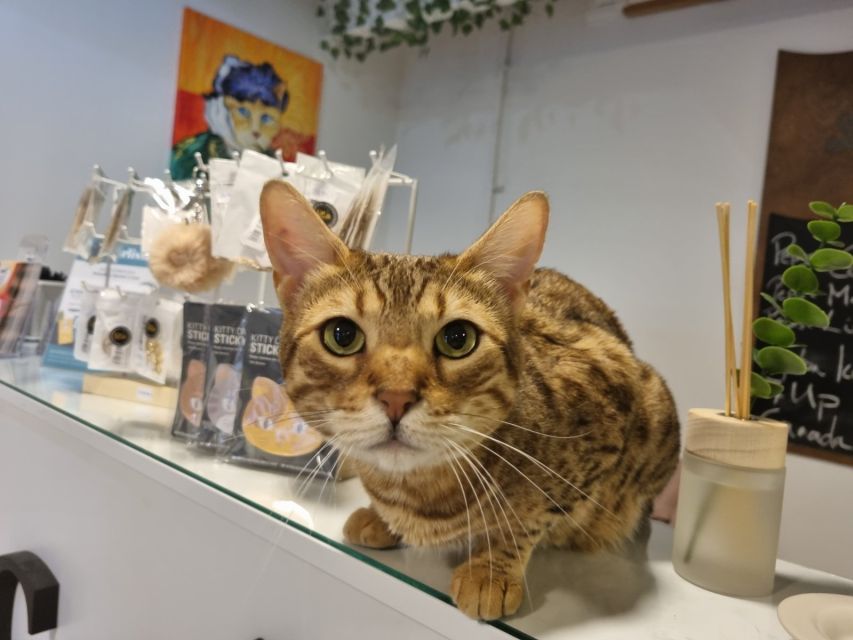
When you enter, you typically start by grabbing your drink and then heading to the lower level. This is where the museum introduces its main idea: cats as characters across time and cultures.
As you move through the exhibition, you’ll notice the pace is designed to be unhurried. The visit is structured so you can spend real time with the rooms and then switch gears to the cats without feeling like you’re being herded.
Then you go upstairs for a porcelain collection with notable names—Zsolnay, Herendi, and Hollóházy—plus some international works. It’s an interesting contrast to the downstairs section. One feels more playful and world-themed; the other feels more refined and design-focused.
Finally, the Jungle Room shifts to learning. This is where you can read and interact with information about cat biology and breeds. It’s also where the experience gives you a reason to pause besides just enjoying the cats.
In the middle of all this, you may catch short movie screenings and a tablet quiz about cats. If you score high enough, you can choose a souvenir from the gift shop.
Cats in the World: playful art that keeps you looking
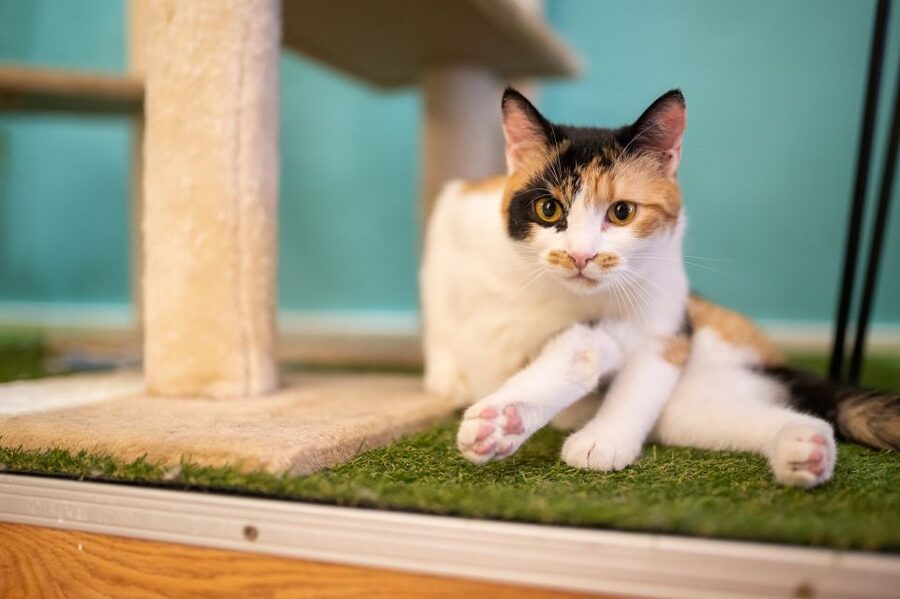
Downstairs is all about the idea that cats show up everywhere—in art, symbolism, and culture. Expect cat-centered re-imaginings of familiar paintings, mixed with both antique and contemporary depictions.
What I like about this section is that it balances charm with variety. You’ll get enough humor and visual surprises to keep your attention, but you’re also exposed to different eras and styles. That’s a nice change from museums where you’re mostly reading labels and admiring “important” objects from a distance.
This is also the part of the visit where your drink fits naturally. You don’t need it to enjoy the art, but having something warm or refreshing makes it feel like a proper sit-and-stroll experience rather than an on/off attraction.
Porcelain galleries and the recognizable Hungarian names
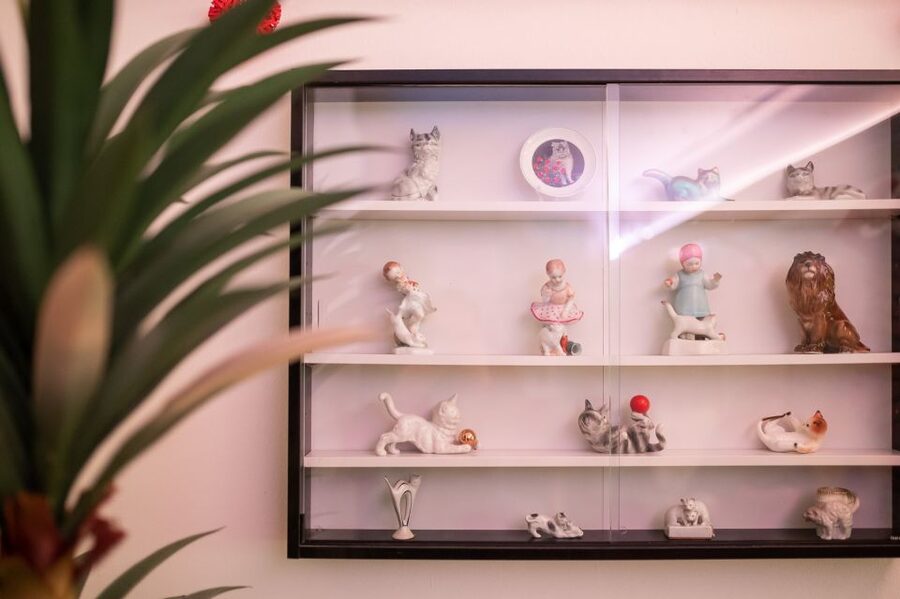
Upstairs is where the museum leans into craftsmanship. You’ll see a porcelain collection associated with Zsolnay, Herendi, and Hollóházy, plus some international pieces.
If you’re the kind of person who likes seeing design traditions up close, you’ll probably enjoy this part most. It’s not just “cats on stuff.” It’s cats shown through a medium that’s tied to Hungarian decorative arts, which gives the whole visit more texture.
A practical plus: upstairs tends to feel visually clean and calm. That matters when you’re also sharing the space with cats. A quieter gallery lets you take photos without feeling like you’re constantly dodging elbows—though you should remember flash photography is not allowed.
Jungle Room cat biology: facts you can actually use
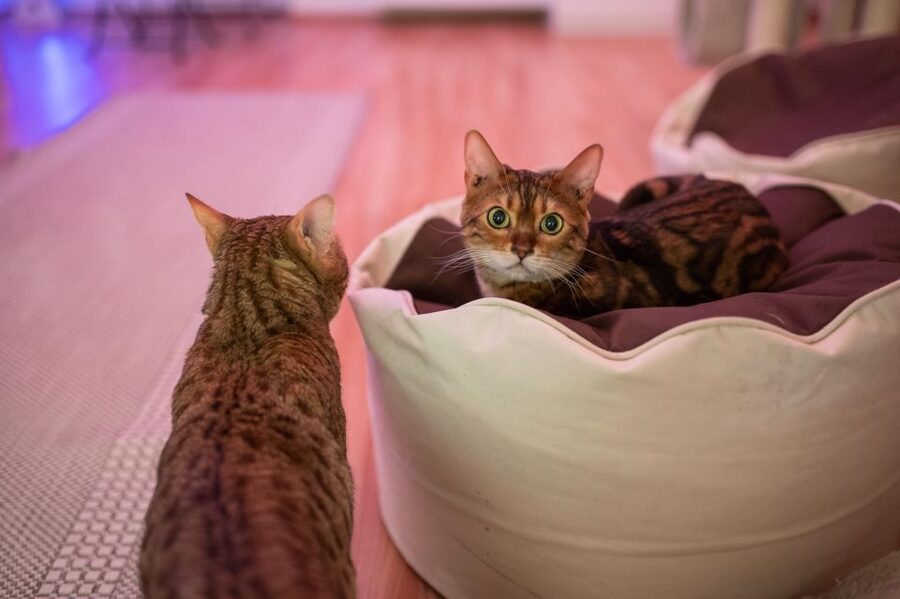
The Jungle Room is where the museum tries to answer the question: why are cats like this?
You’ll find information on cat biological traits and various breeds, presented in an interactive way. It’s not a textbook. It’s more like short stops that give you something to notice while you’re watching the resident cats.
If you like learning, you’ll likely enjoy the tablet quiz too. It’s a playful way to test yourself, and it leads to a small reward if you do well—so you end up finishing the experience feeling like you gained something, not just looked at art.
You can also read our reviews of more museum experiences in Budapest




Photo walls, a selfie stand, and props that don’t feel forced
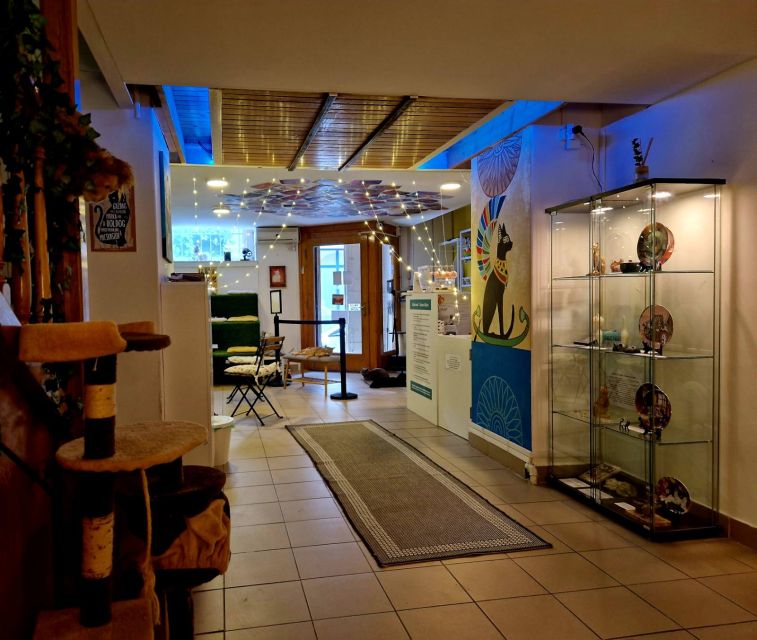
Yes, there are photo moments built into the experience—and they’re actually fun.
Two themed areas are called out clearly: the Egyptian Photo Wall and the Japanese Photo Wall. Each includes photo props, and there’s also a selfie stand designed for quick souvenir-style shots.
This is one of those places where you don’t have to force a “cute” pose. The set dressing does the work for you. And since the museum encourages calm pacing, photos don’t feel like you’re fighting for space or time.
Quick reminder: flash photography is not allowed, so plan for natural lighting in your shots. If you’re traveling with a phone camera that struggles in low light, you might want to keep your expectations realistic.
Time for the kids: coloring corner plus cat-friendly rules
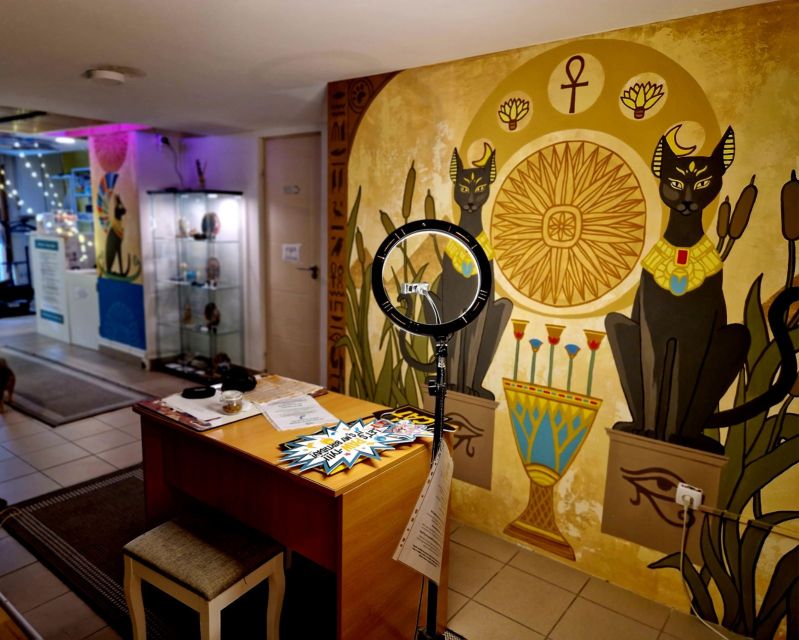
There’s a Children’s Corner with coloring materials where kids can draw and create cat-inspired art.
But there’s an important boundary: children under 8 are not allowed, and the minimum age for entry is 8. So if you’re visiting with younger kids, you’ll need to plan something else.
If you’re traveling with a kid who is 8+ and loves cats, this section can add a nice middle segment between the art rooms and the resident cat time. It gives them a role in the visit beyond just watching.
Meeting the resident cats: the rules make it better
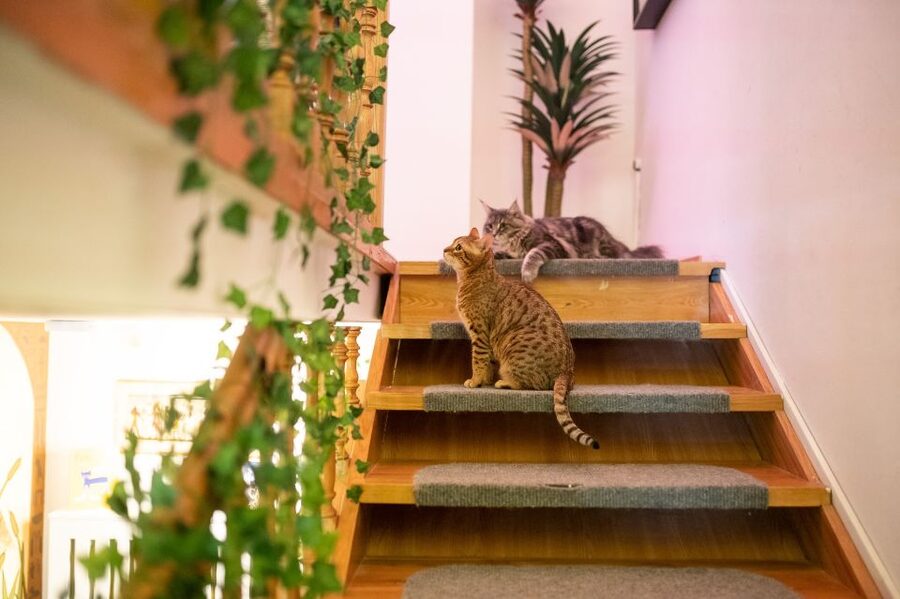
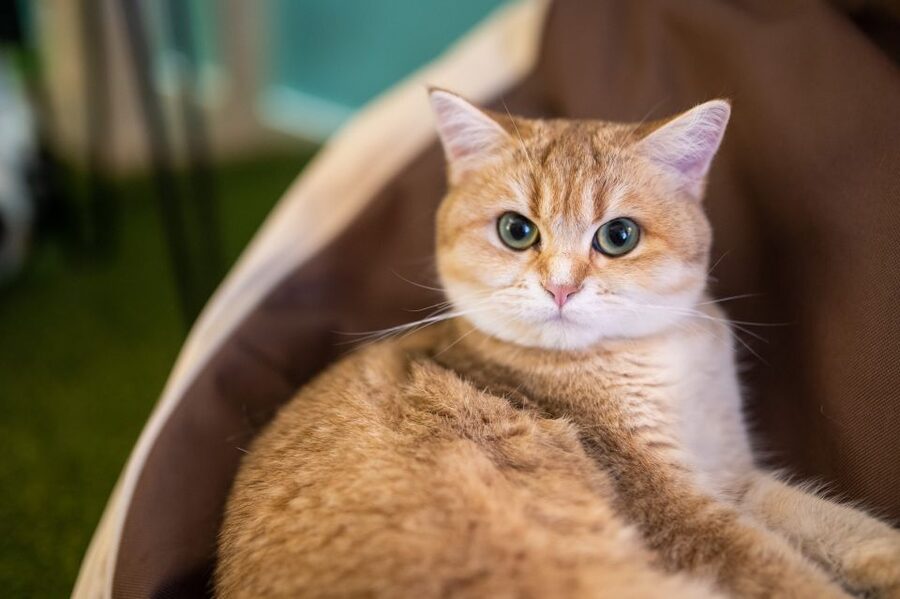
The cats are the reason most people come, and the museum is set up to make sure that time feels calm for them too.
A few key rules shape the experience:
- You’ll need to remove your shoes for the cats’ health. Indoor slippers are available at the entrance.
- Hand disinfection is mandatory before petting. Disinfectant is available at the counter.
- You can’t smoke indoors, and you need to keep noise low.
- Dogs are not allowed.
In other words, the museum isn’t built like a chaotic cat café where everyone rushes in and grabs whatever cat is closest. The approach is more like: cats decide, humans follow.
That said, cat behavior is still cat behavior. Cats naturally like to nap during the day, and the museum can’t predict when each cat will be active. So the best mindset is simple: plan to enjoy the atmosphere and the art, and treat the playful moments as a bonus.
One thing I love in the setup is that cats appear to have space to choose privacy. In a few areas, you can observe without constant interaction, which makes it feel respectful—and often more enjoyable for you too.
Staff and atmosphere: warm welcome, calm music, and limited pressure
The human side matters here, and it shows.
You’ll find staff who are friendly and ready to answer questions, and the overall vibe is relaxing rather than loud. Several people highlight a chilled atmosphere, clean rooms, and a sense that the cats are protected and well cared for.
A small but memorable detail: people frequently mention free drinks like coffee or hot chocolate, which makes the visit feel thoughtful rather than transaction-only.
Also, the museum uses time slots / limited visitor capacity, which helps prevent overcrowding. That’s a big deal when you’re sharing space with animals. You get more elbow room, calmer movement, and a better chance to enjoy cats at your pace.
One guide name that pops up in praise is Rocky—so if you hear a guide introducing the experience under that name, it’s worth listening. But even when staff changes, the consistent theme is clear: kind, helpful, and focused on the cats’ comfort first.
Who should book this, and who might want a different plan
This museum fits best if:
- You’re a cat lover who wants a relaxed indoor visit.
- You enjoy art with a theme rather than just one style or one artist.
- You want a calm break day in Budapest—something you can do without standing in long outdoor lines.
It may be less ideal if:
- You need lots of nonstop cat action. Cats nap, and you can’t force play.
- You’re bringing very young kids. Under 8 isn’t allowed.
- You use a wheelchair. Wheelchair users are not suitable for this visit.
Also, a practical note: strollers are not allowed, and flash photography is prohibited. If you’re traveling light (or can move easily without a stroller), you’ll find it smoother.
If your goal is purely academic cat study, this might feel more like a cat-first experience than a deep learning course. Still, the biology section, movies, and quiz add enough structure to keep it from being only “cute cats on demand.”
Should you book Cat Museum Budapest?
Yes, you should book if you want a genuinely calm, cat-centered break that also gives you something to look at—art, photo walls, and a few kid-friendly activities. The combination of resident cats + interactive exhibition + included audio guide + drink is good value, and the rules (hand disinfection, shoes off, limited crowd flow) help keep the experience respectful.
Before you go, set your expectations the right way:
- Think “quality time and atmosphere,” not guaranteed zoomies.
- Plan for cats that may be sleeping, especially earlier in the day.
- Remember the practical constraints: slippers instead of shoes, no flash, and keep noise down.
If that sounds like your kind of day, Cat Museum Budapest is an easy yes.
FAQ
How long is the Cat Museum Budapest visit?
The duration is listed as 1.5 hours, so plan on about an hour and a half to see the exhibition and spend time with the resident cats.
What’s included with the ticket?
The ticket includes entry to the Cat Museum Budapest and an audio-guided visit.
How much does the entry ticket cost?
The price is listed as $14 per person.
What’s the minimum age for entry?
Children under age 8 are not allowed, so the minimum age required is 8 years old.
Do I need to remove my shoes?
Yes. For the cats’ health, you must remove your shoes. Indoor slippers are available at the entrance.
Are flash photos, strollers, or dogs allowed?
Flash photography is not allowed. Baby strollers are not allowed, and dogs are not allowed inside.
Can I cancel and get a refund?
Yes. There is free cancellation up to 24 hours in advance for a full refund.
Is the museum suitable for wheelchair users?
No. Wheelchair users are not suitable for this activity.