REVIEW · AMSTERDAM
Amsterdam: Canal House Museum ‘Van Loon’ Entry Ticket
Book on GetYourGuide →Operated by Museum van Loon · Bookable on GetYourGuide
A canal mansion tells you how power lived. Museum Van Loon lets you walk through a 17th-century canal house on Keizersgracht, built in 1672, with a portrait gallery and rooms that explain the family and the city in one steady visit.
I really like how the house feels designed for real living: you can picture where people received visitors, where they stored everyday things, and how the home connected to Amsterdam beyond the front door.
My second big favorite is the slow, restful break of the inner garden and the coach house side of the property. The one drawback: if you want lots of modern, hands-on context or heavy guidance, some rooms can feel a little light on explanation and best enjoyed by taking your time to look closely.
In This Review
- Key things I’d focus on
- Finding the Van Loon canal house at Keizersgracht 672
- What a mansion built in 1672 still shows you
- Portrait gallery: why the Van Loon story lands fast
- Everyday life: paintings, furniture, and objects you can picture
- Inner garden and coach house: the calmer half of the visit
- Temporary exhibits and how to pace a 1-day ticket
- Price and value: is $21 worth it?
- Who should book Museum Van Loon (and who might not)
- Should you book Museum Van Loon?
- FAQ
- Where is Museum Van Loon located?
- What’s the ticket price?
- How long does the visit take?
- What are the opening hours?
- What will I see inside the museum?
- Is food or drinks included?
- Is the site suitable for wheelchair users?
- Is the ticket valid for more than one day?
- Can I cancel for a refund?
- Is there a reserve now, pay later option?
Key things I’d focus on
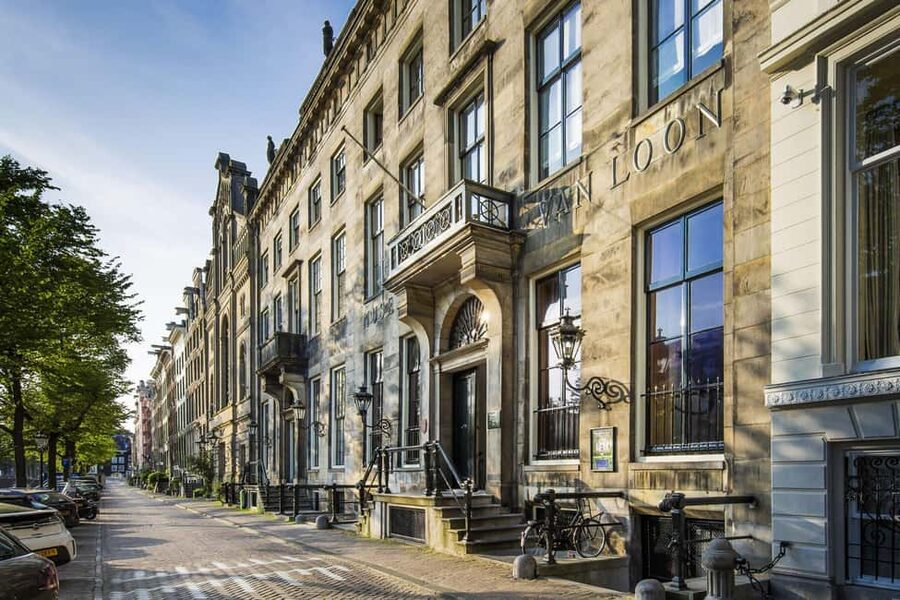
- Keizersgracht setting: You’re on the Amsterdam canal belt right where a wealthy family lived
- House history on the walls: Built in 1672, opened to the public in 1973
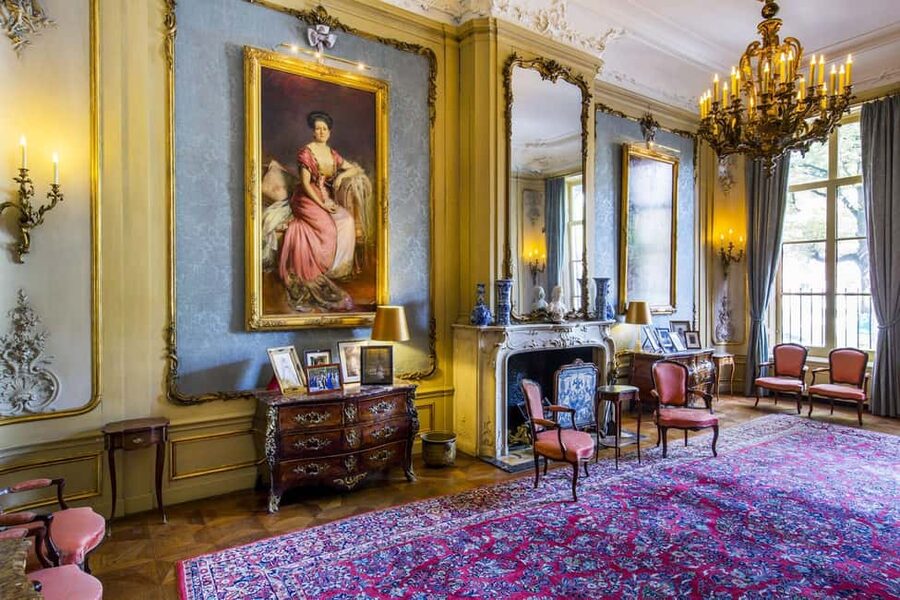
- Portrait gallery: A strong visual way to connect the Van Loon story to the era
- Everyday collections: Paintings, furniture, and utensils that help you imagine daily life
- Garden + coach house: A quieter pace after the main rooms
Finding the Van Loon canal house at Keizersgracht 672
If you want Amsterdam history that still looks like a lived-in home, start with the address: Keizersgracht 672. This museum sits right on the canal belt, in that classic neighborhood stretch where houses face the water and the street feels built for long strolls.
Plan to arrive a bit before your timed entry (the ticket covers a 1-day visit, with starting times subject to availability). Once you’re there, you’ll get an easy orientation: you’re basically stepping from the canal street into a carefully preserved private mansion. It’s the kind of place where the location matters, because the house design and the neighborhood were part of the same system of wealth, trade, and status.
Also note the practical reality: Museum Van Loon isn’t listed as suitable for mobility impairments or wheelchair users, so plan for stairs and uneven historic areas.
A few more Amsterdam tours and experiences worth a look



What a mansion built in 1672 still shows you
You’ll walk into a home constructed in 1672—and it opened to the public in 1973. That timeline matters. It’s not just a pretty historic shell; it’s a structure that has had a long life, and the museum lets you see how the building worked for the people inside it.
A key thread here is the sense of continuity in who occupied the house over time. You’ll learn about the first tenant, painter Ferdinand Bol, before the Van Loon family comes into focus. That “first tenant” detail gives you a strong anchor: the building isn’t treated like a random backdrop. It’s a real property with a real artistic and social context.
Inside, expect to move through historic rooms at your own pace. The value isn’t speed. This is the kind of place where looking at surfaces—woodwork, layout, and how rooms relate to each other—helps you understand what living well meant in 17th-century Amsterdam.
The rooms also connect you to the city. The museum’s approach is not just about architecture; it’s about how a household participated in Amsterdam’s wider world. You’ll come away with a better sense of how these homes fit the city’s story, not just the family’s story.
Portrait gallery: why the Van Loon story lands fast
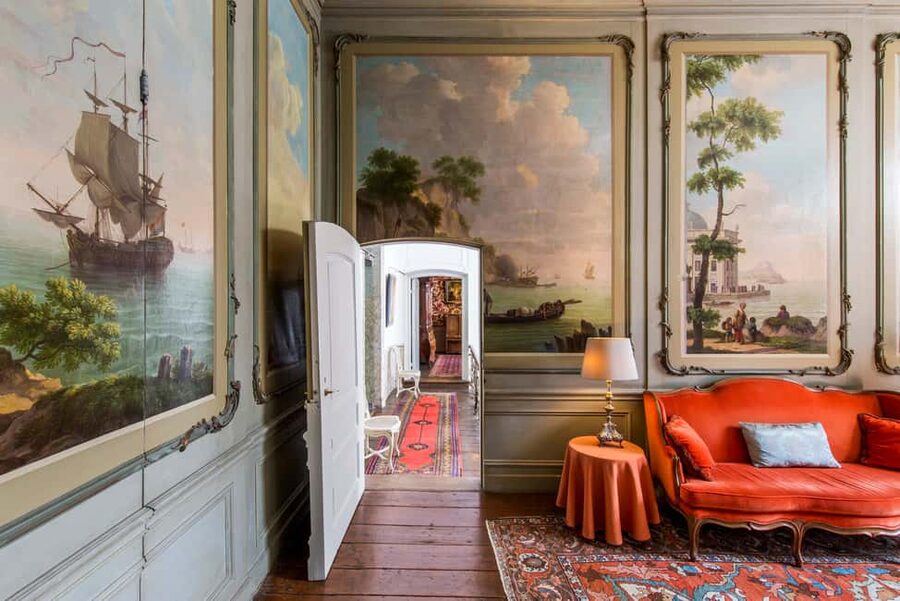
One of the most impressive elements is the portrait gallery. It’s a big, visual way to learn who lived here and how the family presented themselves. If you’re the kind of person who likes history you can actually see, this section works.
Portraits in houses like this weren’t only decoration. They were identity. They helped define status, family connections, and reputation. In a museum setting, those portraits become a shortcut for understanding the family’s role in Amsterdam society.
You’ll also pick up how the Van Loon era intersects with bigger Dutch developments. The house’s interpretation ties family history to the Netherlands at the time of major international trade activity—exactly the kind of context that makes Amsterdam feel bigger than canal views. Even if you only know the city from maps and paintings, this gives you a more grounded explanation for why canal houses look the way they do and why interiors were built to signal power.
Everyday life: paintings, furniture, and objects you can picture
I love museums where you don’t just learn names and dates—you learn habits. Museum Van Loon leans into that. You’ll browse an extensive collection that includes paintings, furniture, and utensils for everyday use.
This is where your imagination does the heavy lifting. When you see real furniture and household items preserved in the rooms they belonged to, it’s easier to understand the choreography of daily life: where objects would have sat, how rooms might have been used for receiving people, and what mattered enough to keep and display.
The museum also uses ancient items and room context to explain how the inhabitants connected to the city and to the world. For you, that means the history isn’t floating in the abstract. It’s tied to material things you can visually process.
If you’re short on time, focus on the rooms that feel most “human” to you: the ones that show daily furnishings and storage. Those are the places where you’ll get the clearest sense of what living in a canal house meant day to day.
Inner garden and coach house: the calmer half of the visit
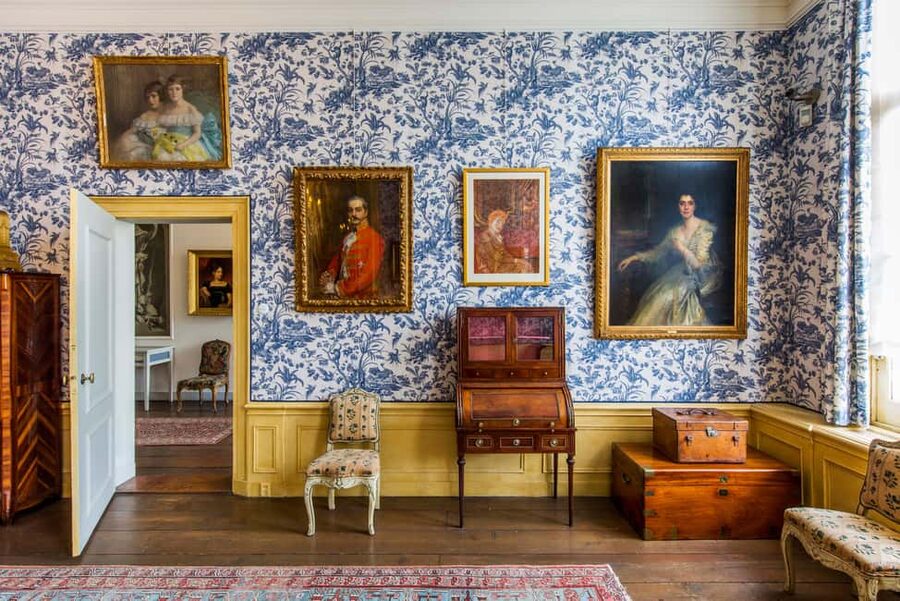
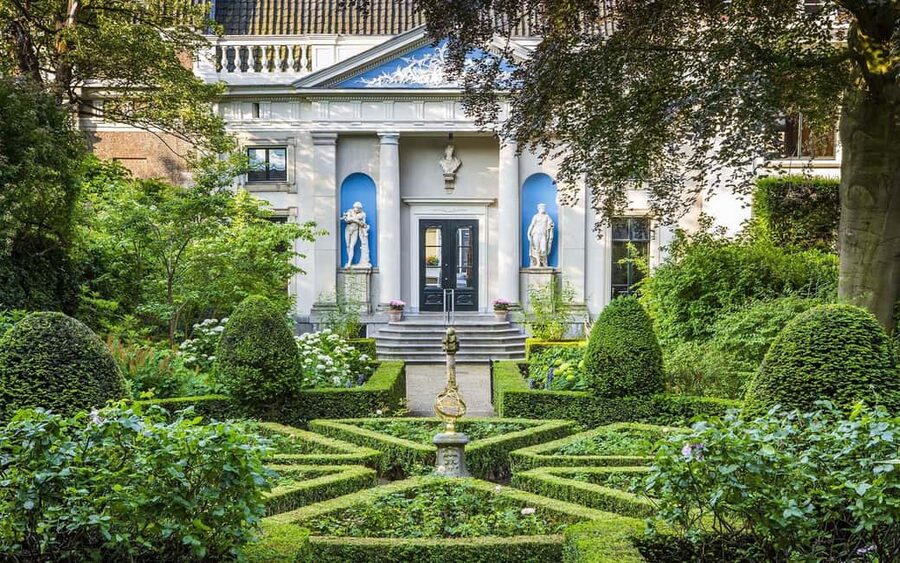
After you’ve absorbed the main rooms, the property shifts into a quieter rhythm. Don’t rush past the splendid inner garden. Gardens in big canal houses weren’t just for looks; they were part of the household’s mood—space to breathe, to slow down, and to mark changing seasons even in a dense city.
The museum highlights the passing of the seasons here. That detail is useful. It changes your perspective from “this is a historic set” to “this is how people experienced time.” Even in a one-day visit, you’ll feel the difference between interiors made for ceremony and an outside space made for reflection.
Then there’s the coach house, which is a great contrast to the refined rooms inside. It helps you understand how transportation and household operations worked. In a museum like this, that outbuilding is the reminder that a wealthy home wasn’t just people and portraits. It was logistics, staff life, and the practical side of status.
If you like places that give you a visual break, this section is a strong reason to book even if you’re not a museum superfan.
You can also read our reviews of more museum experiences in Amsterdam






Temporary exhibits and how to pace a 1-day ticket
Your ticket is valid for 1 day, and you’ll want to plan your time around the museum’s hours: open 7 days a week from 10:00 AM to 5:00 PM.
Since this is essentially a self-paced house visit, pacing is the whole game. I suggest you start with the main rooms long enough to build context, then shift into portraits and the more “story” areas before you move to the garden and coach house. That way, the visit feels like a full arc: public identity first, then daily life, then a slower outdoor pace.
Also keep an eye out for occasional temporary exhibits. The museum itself can be the star, but temporary displays can add fresh angles. If one is on view, give it a fair look, but don’t let it steal time from the rooms and garden—those are the core experience.
Price and value: is $21 worth it?
At around $21 per person, Museum Van Loon isn’t the cheapest activity in Amsterdam. It’s also not priced like a mass attraction. To me, the value makes sense if you like the kind of history where the house is the curriculum.
Here’s what you’re really paying for:
- Access to a 17th-century canal house with rooms preserved and explained
- A strong focus on the Van Loon family and how they connected to broader Dutch life
- Additional space beyond the main interior: inner garden and coach house
- Time flexibility within the day, since you can explore at your own pace
If you’re expecting a loud, showy museum with constant action, $21 might feel steep. If you enjoy interiors, portraits, and household objects, it can feel like an efficient way to get “real Amsterdam history” without doing a long multi-stop tour.
One more practical thought: there’s at least one report of the museum not being open as expected based on ticket information. It’s not enough to write it off, but it is a reason to check the day-of opening status and give yourself a little buffer if your schedule is tight.
Who should book Museum Van Loon (and who might not)
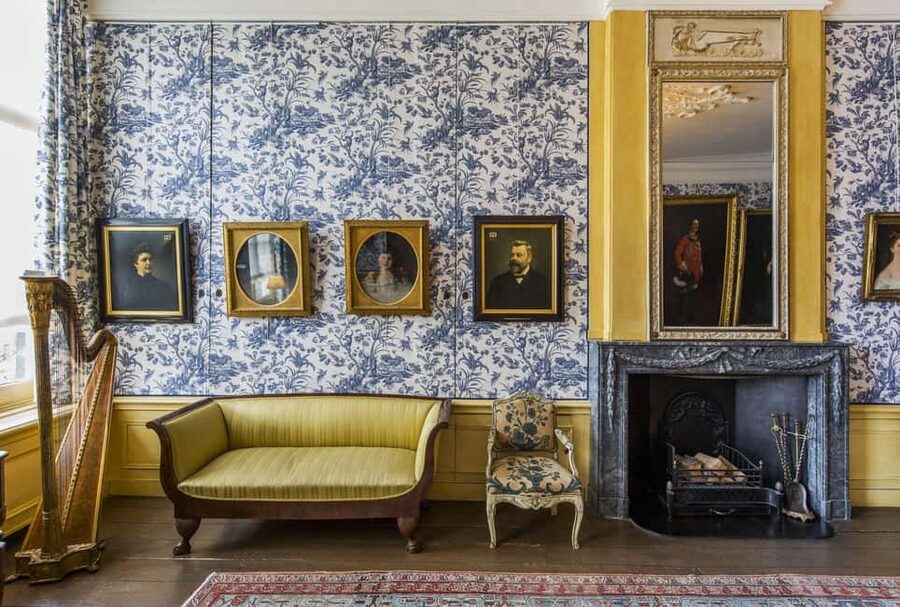
This visit suits you best if:
- You love canal houses and want one you can walk through properly
- You enjoy history connected to real objects, rooms, and portraits
- You want a quieter, more personal Amsterdam experience than the typical city rush
It may not suit you if:
- You need full accessibility for mobility impairments or wheelchair access, since it’s not suitable
- You want constant interpretation and very structured guidance in every room
- You’re visiting with limited time and only want the biggest highlights in minutes
If you’re traveling with older kids, the portrait gallery and room layouts can work well, but the experience is still very “house-focused,” so it’s best for families that like looking and reading.
If you’re traveling solo, you’ll probably appreciate the self-paced nature. Couples often like it too because it feels like walking through a story rather than racing through exhibits.
Should you book Museum Van Loon?
Yes, you should book it if you want a 17th-century Amsterdam canal house experience with a coherent family story and a peaceful garden finish. The combination of historic rooms, the portrait gallery, and the garden/coach house adds up to more than a quick photo stop.
Skip or reconsider if accessibility is a concern for your group or if you only like museums with lots of hands-on activities and heavy narration. Also, if you’re working on a tight schedule, check opening status that day, because there have been reports of entry not matching expectations.
In short: this is a strong choice when your goal is to understand how Amsterdam wealth lived inside these walls.
FAQ
Where is Museum Van Loon located?
Museum Van Loon is located on the canal at Keizersgracht 672 in Amsterdam.
What’s the ticket price?
The entry ticket is listed at $21 per person.
How long does the visit take?
The experience is planned for 1 day (with time spent at your own pace inside).
What are the opening hours?
Museum Van Loon is open 7 days a week from 10:00 AM to 5:00 PM.
What will I see inside the museum?
You can explore the 17th-century canal house interior, a portrait gallery, collections of paintings and everyday items, the inner garden, and the coach house. There may also be occasional temporary exhibits.
Is food or drinks included?
No. Food and drinks are not included.
Is the site suitable for wheelchair users?
No. It is not suitable for wheelchair users and people with mobility impairments.
Is the ticket valid for more than one day?
No. The ticket is valid for 1 day.
Can I cancel for a refund?
Yes. Free cancellation is available if you cancel up to 24 hours in advance for a full refund.
Is there a reserve now, pay later option?
Yes. The booking includes reserve now & pay later to keep your plans flexible.
If you tell me your travel month and whether you want a morning or afternoon slot, I can suggest a simple way to pair this visit with nearby canal-walk time.