REVIEW · AMSTERDAM
Amsterdam: Van Gogh Museum Guided Tour with Entry Ticket
Book on GetYourGuide →Operated by Orange Adventures · Bookable on GetYourGuide
Van Gogh feels clearer when someone points to the why. This 2-hour guided visit turns the Van Gogh Museum into a story you can follow, from his struggles to the paintings you’ll recognize in a heartbeat. I love that the tour focuses on the man behind the art, especially through his correspondence with Theo. I also like the practical payoff: you’ll leave knowing what to look for, not just what you saw.
One thing to consider: the tour is small, and the exact group size can vary by date (up to 2 participants, and in some cases a maximum of 4 at the indicated time). If you’re hoping for a bigger-group vibe, you might find the pace more intimate than you expect.
In This Review
- Key highlights at a glance
- Van Gogh Museum in 2 hours: what this guided tour really gives you
- Finding your guide under the Bathtub building (and staying calm)
- Express security and timed entry: saving your energy for the art
- The tour flow: life story first, then paintings that finally make sense
- Theo’s letters: the emotional thread behind the brushstrokes
- Spotting the details: The Potato Eaters and Sunflowers that don’t scream at you
- Artwork techniques explained in plain language, not art-speak
- Small group math: up to 2 participants (and why that changes everything)
- Meeting major works efficiently: the value of not wandering
- Language, personality, and who the guide works best with
- Accessibility and comfort: planning around your needs
- Should you book this Van Gogh Museum guided tour?
- FAQ
- How long is the Van Gogh Museum guided tour?
- What’s included with the ticket?
- Is there a skip-the-line option?
- Where do we meet the guide?
- How big is the group?
- What languages are available?
- Is the tour wheelchair accessible?
- Is free cancellation available?
- Do I need to pay immediately?
Key highlights at a glance
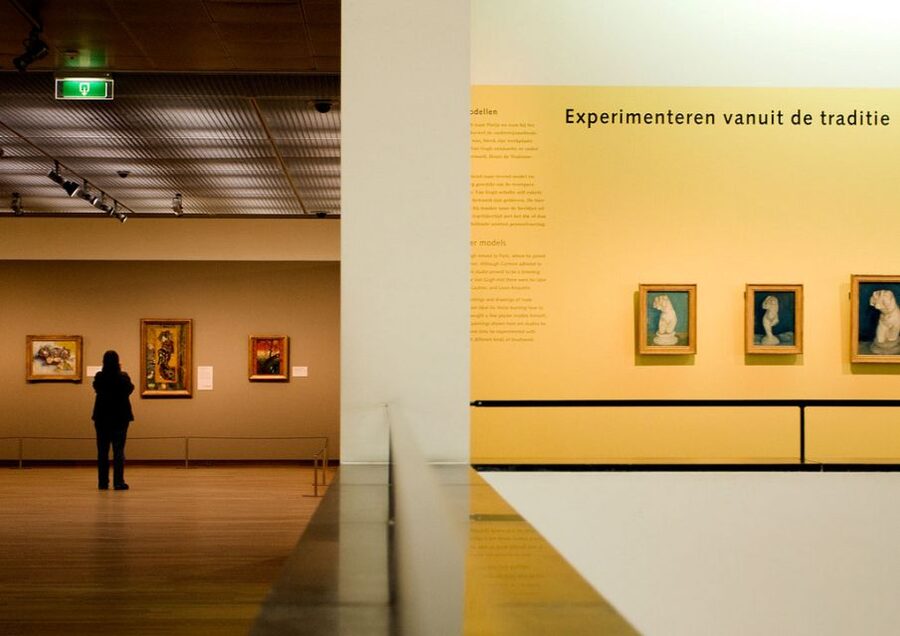
- Skip-the-line express security so you spend more time inside the museum
- Small group of up to 2 (sometimes up to 4 depending on the date) for a more personal pace
- Theo letters explained to help you connect the paintings to Van Gogh’s thinking and emotions
- Clear spotlight on major works like The Potato Eaters and Sunflowers
- Guides praised for personality and clarity (names like Rolf Schreuder, Evert van Eijk, and Bart show up in past tours)
Van Gogh Museum in 2 hours: what this guided tour really gives you
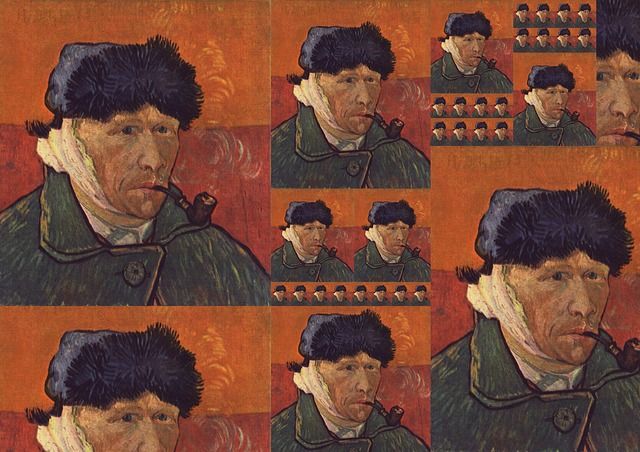
The Van Gogh Museum can feel like information overload if you walk in cold. Paintings are everywhere, the building is busy, and the hardest part is figuring out what matters first. This tour is designed to solve that problem fast.
In about two hours, you get a guided path through the museum’s highlights with an art-history guide who links the art to the artist’s life. You’re not just hearing dates and labels. You’re hearing how Vincent Van Gogh worked, what he was chasing, and why certain subjects hit him so hard—even when he wasn’t getting much recognition while he was alive. That contrast matters. It’s one of the big reasons his work sticks with people long after the visit.
Also, this tour is timed to art’s bigger story: it’s set up to mark the 125th anniversary of Van Gogh’s death, which adds extra context without turning the visit into a lecture. The goal is to make the works you already know feel more specific, and the ones you don’t recognize yet feel worth your time.
A few more Amsterdam tours and experiences worth a look



Finding your guide under the Bathtub building (and staying calm)
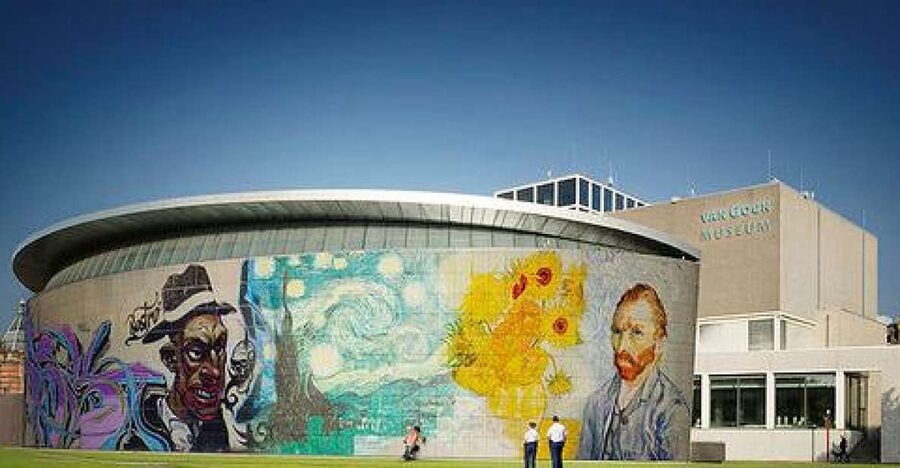
Your meeting point is simple, but it’s easy to misread if you’re arriving during peak hours. Meet your guide at the entrance to the Van Gogh Museum, and look for them across from the entrance under the oddly shaped building the museum area nicknames the Bathtub.
Here’s my practical tip: give yourself a buffer before your start time. The area around the entrance can get crowded, and you don’t want to be jogging in last-second. Once you find the guide, you’ll likely be pulled into the museum flow quickly thanks to the express security check included.
This is also where the “small group” part shows. You’re not chasing a large group through a bottleneck. You’re just moving with your guide, which makes the visit feel smoother right from the start.
Express security and timed entry: saving your energy for the art

The biggest day-to-day advantage here is the skip-the-line through an express security check. The Van Gogh Museum is one of those places where waiting can eat the best part of your energy—especially if you’re visiting in warmer months or on a popular day.
When you get through security faster, you can do two smart things:
- Start looking sooner, rather than spending your first 20 minutes mentally bargaining with the crowd.
- Stay in the same focus mode, because the guide’s story is built to land while your attention is still fresh.
And since you’re going for only two hours, this time-saver isn’t a luxury. It’s part of how the tour manages value.
The tour flow: life story first, then paintings that finally make sense
The core of this experience is narrative. Your guide frames Van Gogh’s life as you move through the museum highlights—so the paintings feel connected instead of random.
Expect the tour to move in a way that helps you notice patterns:
- how Van Gogh thought about his work
- how his struggles shaped his subject choices
- how his techniques developed over time
- how his confidence and frustration both show up on canvas
Guides are also encouraged to tailor the pacing to the group. In past tours, guides like Rolf Schreuder were specifically praised for being energetic, fun, and for keeping the visit grounded in real context. Others mentioned—such as Evert van Eijk and Bart—were highlighted for turning paintings into stories you could actually follow.
One more point I like: the tour is described as meaningful even if you have limited art knowledge. That doesn’t mean it’s watered down. It means the guide uses clear explanations and points out details you’d likely walk past.
Theo’s letters: the emotional thread behind the brushstrokes
If you only remember one element of this tour, make it the focus on Vincent’s letters to his brother, Theo.
This isn’t a generic “Theo was important” summary. The tour format emphasizes how the correspondence reveals:
- how Van Gogh thought about art
- how he worked toward his goals
- how he struggled emotionally and practically
- how his ideas evolved as his circumstances changed
Why this matters for you in the museum: letters give you an internal voice. Without them, you might read a painting as just a scene. With them, you start reading it as a decision—what Van Gogh chose to show, what he emphasized, and what he was trying to prove to himself.
It also adds something practical to your viewing. When you’re in front of a painting, you’ll have a better “question to ask,” like:
- What is he trying to communicate here?
- What part of the subject is personal to him?
- What technique is serving the message?
This is the difference between looking at art and actually understanding the push-pull behind it.
You can also read our reviews of more guided tours in Amsterdam



Spotting the details: The Potato Eaters and Sunflowers that don’t scream at you
Two works are specifically called out: The Potato Eaters and Sunflowers. That’s a helpful clue. These are paintings people often rush through because they already feel familiar.
The guide helps you slow down and notice what you’d miss on your own—details in composition, color choices, and how Van Gogh built texture and mood.
In the case of The Potato Eaters, the story framing tends to help you see it as more than a rustic scene. You get a sense of the emotional weight and the seriousness behind the subject. For Sunflowers, the guide’s explanation is often what turns the painting from “pretty flowers” into a window on Van Gogh’s ambitions.
Also, keep this in mind: the museum is popular, and crowds can make you skim. A good guide helps you spend time where it pays off and move past sections that won’t reward your attention as much.
Past feedback repeatedly praised guides for pointing out easy-to-miss details and doing it in a way that feels clear, not complicated.
Artwork techniques explained in plain language, not art-speak
People book Van Gogh tours for different reasons. Some want biography. Some want masterpieces. This one has both, but it also focuses on craft—how he painted and why it looked the way it did.
Your guide should explain:
- the painting techniques used by Van Gogh
- what he was trying to achieve visually
- how his approach connects back to his life and mindset
- anecdotes that make the process feel human, not mythical
What I like about this approach for you: it respects your time. You don’t need to become an art critic. You just need to know what to notice. Once you know the “what to look for,” the museum becomes easier and more fun.
And yes, the guide is multilingual. The tour includes Dutch, English, and German, which makes it easier to match your comfort level. In reviews, English-speaking performance got singled out for being fluent and for keeping conversations lively.
Small group math: up to 2 participants (and why that changes everything)
This tour is built as a small group experience. It’s limited to 2 participants, and in some cases the maximum can be 4 pax max at the indicated time (it varies by day).
That matters more than it sounds. With a tiny group:
- You get quicker answers to questions.
- Your guide can slow down if something clicks for you—or speed up if you’re ready to move.
- Crowd pressure doesn’t force a rigid pace.
It also makes the guide role feel less like a lecture and more like a guided conversation. Reviews frequently mention the guide managing the museum crowd effectively and keeping time well, which is exactly what you want when you only have two hours to work with.
If you’re traveling with a partner or small family, this is also a nice “everyone gets a moment” format.
Meeting major works efficiently: the value of not wandering
The Van Gogh Museum is a big draw. If you go solo, you’ll likely do some mix of:
- following your instincts,
- scanning labels,
- and hoping you find the good stuff before the next queue crush hits.
This tour is different. It organizes your visit around the most meaningful parts—what’s most representative and what’s most teachable in context.
You’ll see the museum’s highlights and major works, and you’ll get the added value of interpretation: how paintings connect to the letters, the struggles, and the techniques. That’s why many people come out feeling like they learned the “why” rather than just collecting photos.
Price-wise, think of this as paying for two things at once:
- an entry ticket you’d otherwise buy
- a live expert who helps you read the art faster and deeper in a short window
At $230 per person for a 2-hour visit, it’s not a budget pick. But it can be good value if you care about understanding what you’re seeing and you don’t want to gamble with your time inside a crowded museum.
Language, personality, and who the guide works best with
The tour includes live guides who speak Dutch, English, or German, and reviews show a pattern: the guides tend to be friendly, upbeat, and good at making the paintings feel alive.
Names that come up in past experiences include Rolf Schreuder (repeated praise for expertise and enthusiasm), Evert van Eijk (praised for refinement, humor, and deep knowledge), and Bart (praised for thoroughness and anecdotes). The common thread isn’t just facts. It’s presentation.
This is a good fit if:
- you want a guided story through the museum highlights
- you like art that comes with context, not only descriptions
- you’re visiting on limited time and want the best return per minute
It can also work if you’re not an art person. The tour is positioned to be accessible, and the letter-and-technique approach helps even beginners understand what’s happening.
Accessibility and comfort: planning around your needs
This experience is listed as wheelchair accessible, which is a big practical point if you need barrier-aware planning. Since the group is small and the tour moves through the museum with a guide, it can be easier to navigate than a solo push through crowds.
One more practical note: because the group is tiny, you’ll be less likely to get separated or lost. You still want to communicate any needs ahead of time when you book, but the tour format is generally built for smoother movement.
Should you book this Van Gogh Museum guided tour?
I’d book it if you want the Van Gogh Museum to feel like a story with direction—especially if you only have about two hours. The combination of skip-the-line entry, small group size, and a guide who connects paintings to Theo’s letters is the winning formula here.
You might skip this tour if:
- you’d rather wander at your own pace with no structured path
- you’re visiting with very limited interest in context and technique
- you’re trying to keep costs ultra-low (because $230 is a premium)
My decision checklist:
- If you want to understand the art fast, choose this.
- If you’re okay paying for guidance that saves time and adds meaning, choose this.
- If you prefer self-guided exploration and budget matters most, audio + a careful plan may suit better.
FAQ
How long is the Van Gogh Museum guided tour?
The tour runs for 2 hours.
What’s included with the ticket?
You get a guided tour plus an entry ticket to the Van Gogh Museum.
Is there a skip-the-line option?
Yes. The experience includes an express security check so you can skip the regular line.
Where do we meet the guide?
Meet your guide at the museum entrance. Look for them across from the entrance underneath the building nicknamed the Bathtub.
How big is the group?
It’s small group format, limited to 2 participants. The max can be 4 pax depending on ticket availability for your selected time.
What languages are available?
The live guide is available in Dutch, English, and German.
Is the tour wheelchair accessible?
Yes, it’s listed as wheelchair accessible.
Is free cancellation available?
Yes. You can cancel up to 24 hours in advance for a full refund.
Do I need to pay immediately?
You can reserve now & pay later, meaning you can book without paying right away.