REVIEW · NEW YORK CITY
NYC: Metropolitan Museum of Art (MET) Guided Museum Tour
Book on GetYourGuide →Operated by Babylon Tours NYC · Bookable on GetYourGuide
A Met tour in 2.5 hours works. I like how an expert guide turns the museum into a clear path, starting in the Great Hall and moving room-to-room without wasting your time. I also like the tour style: less lecture, more back-and-forth, with guides such as Robin or Katherine reported to tailor explanations to different ages. One possible drawback: you cover highlights, not the whole museum, so if you want to linger for hours, this won’t feel like enough.
If you’re willing to walk a bit, this is a smart way to see major works and learn how the building and collections fit together. You’ll pass through standout zones like the Medieval Europe galleries and the American wing, with stories that connect objects to people and their power struggles. The tour runs daily and keeps groups small (max 10), but the exact meeting point and route can shift depending on crowds and national celebrations.
In This Review
- Key things that make this Met tour worth your time
- Why a guided Met tour beats wandering with no plan
- The 2.5-hour route: what you actually see and why it’s chosen
- 1) Great Hall orientation: your fastest way to stop feeling lost
- 2) Medieval Europe: Studiolo drama and Henry VIII’s armory
- 3) The American wing: a staircase with financial history
- 4) Washington crossing the Delaware: icon + context
- 5) European wings: painters with real personal stakes
- The guide is the product: how the best tours keep you talking
- Skip the ticket line, manage the crowds, and still feel like you won’t miss things
- Building history: why the Met’s layout changes how you read the art
- Logistics you should plan for before you go
- Price and value: what $126 buys you (and what it doesn’t)
- Who should book this Met tour
- Should you book it?
Key things that make this Met tour worth your time
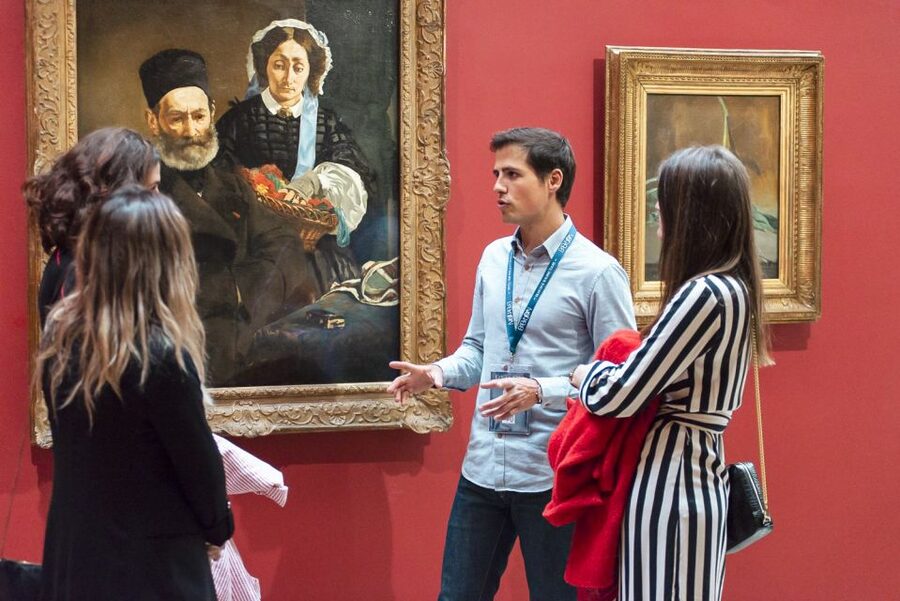
- Great Hall start: You get oriented fast in the Met’s main hub before heading into major galleries.
- Stories tied to objects: From Henry VIII’s armory to Washington crossing the Delaware, details get explained in plain language.
- Small-group pacing (up to 10): Questions actually fit into the visit, and the guide can manage crowds.
- A highlight route that makes sense: You don’t just bounce around; the stops build a guided understanding of the collections.
- American wing context: You’ll hear how the US-side galleries grew differently than older European models.
- Guides who answer you: Multiple guides highlighted for strong communication and handling a packed museum environment.
Why a guided Met tour beats wandering with no plan
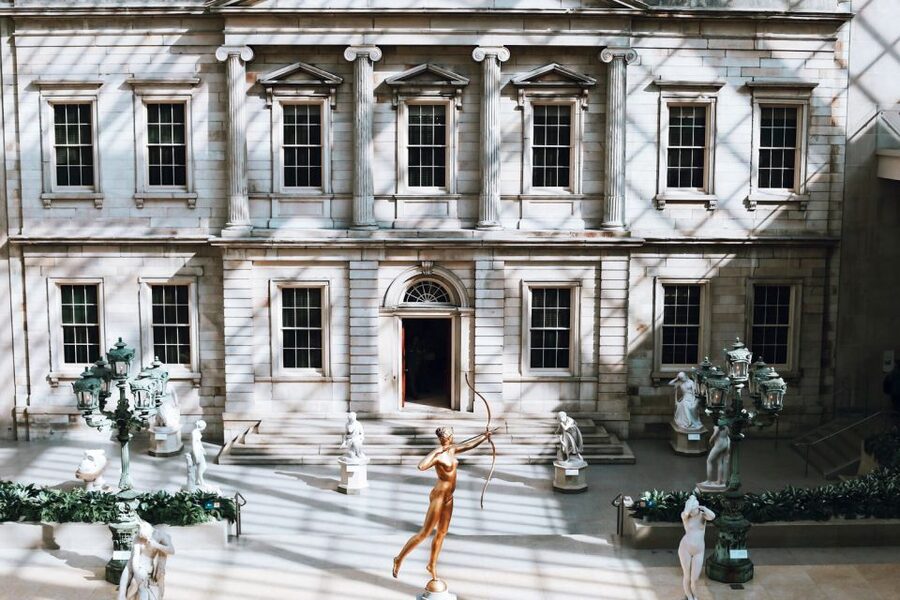
The Met can feel like New York in museum form: huge, exciting, and easy to get turned around. This guided tour is built for people who want momentum. You start in the Great Hall, then move to a sequence of “you can’t miss this” areas that connect across eras—Ancient worlds, European classics, and American highlights—without requiring you to map it all yourself.
The guide role matters here. You’re not paying for someone to read labels. You’re paying for a person who can turn a room full of art into a story with shape. Guides reported to be especially strong at making the museum navigable—dodging congestion and guiding you through the layout—help you feel like you’re getting somewhere, not just ticking off paintings at random.
And because groups are capped at 10, the experience stays human. You can ask questions and get answers that fit your interests. That kind of interactive approach is a big deal at the Met, where self-guided visits can turn into silence because you’re not sure what to notice first.
One practical note: this tour includes the main highlights, not every wing. If your idea of a perfect museum day is slow wandering and long museum naps, you’ll likely want a different plan. If your goal is to see a lot, learn quickly, and leave with a mental map, this hits the sweet spot.
You can also read our reviews of more guided tours in New York City


The 2.5-hour route: what you actually see and why it’s chosen
This tour lasts about 2.5 hours, and it runs daily. That time window forces smart decisions: you’ll focus on areas that represent major periods and key themes, plus a few “wow” objects that help you understand what the Met is doing as a museum.
Here’s the flow you can expect—plus what makes each stop useful (and what might feel like a trade-off).
1) Great Hall orientation: your fastest way to stop feeling lost
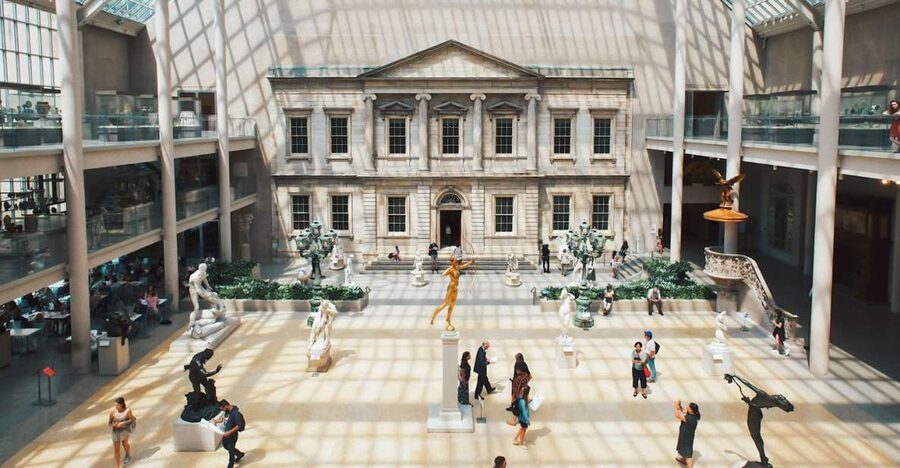
The visit begins in the Met’s Great Hall, which is the perfect starting point because it resets your orientation. Think of it as where you learn how the museum connects before you start sprinting between galleries.
What I like about starting here: it reduces the mental load. Once you know what you’re looking at and how the building’s organized, the rest of the tour feels less like running errands and more like following a story.
Drawback to keep in mind: in a big museum, the opening minutes can be crowd-heavy. The guide’s job is to manage that and keep you moving.
2) Medieval Europe: Studiolo drama and Henry VIII’s armory
Next up is Medieval Europe, where you’ll hear about the Studiolo from the Ducal Palace and the armory worn by Henry VIII. This is one of the tour’s clever stops because it breaks your idea of medieval art out of “old stuff” mode.
You’re shown how objects link to power, status, and private life. A studiolo isn’t just furniture or decoration—it’s a window into what rulers collected and how they wanted to be seen. And armory connected to Henry VIII brings history closer because it’s tied to a very specific person and moment.
Possible trade-off: medieval collections can be dense. The guide’s pacing matters, and the point is not to memorize every detail. Instead, you learn what to look for once you’re back in the museum on your own.
3) The American wing: a staircase with financial history
Then you move into the American wing, and the stops here are unusually practical. You’ll see the staircase from the Chicago Stock Exchange, which is a reminder that art institutions also collect and display architectural pieces and the social world around them.
That staircase adds a different kind of meaning: it connects visual culture to commerce and modern life, not just painting and sculpture. It’s the kind of object that helps you understand the Met’s scope without needing a museum degree.
You can also read our reviews of more museum experiences in New York City






4) Washington crossing the Delaware: icon + context
In the American highlights, you’ll also see the iconic portrait of Washington crossing the Delaware River. This is a familiar subject for many people, but the tour’s value is how context changes the experience.
Instead of treating it like a poster everyone knows, your guide can place it into how national images get made and why certain scenes become cultural shorthand. It’s a strong moment for first-time visitors because it gives you a reference point you can carry home.
5) European wings: painters with real personal stakes
The tour rounds through the European wings with attention to the stories of major painters such as Vermeer, Seurat, and Van Gogh. The best part of this section is that it’s not only about styles; it’s about human life—what these artists were up against, what influenced their choices, and why their work became meaningful.
If you’ve ever felt painting is hard to “enter,” this segment is designed to help you connect. You’ll come away with a few simple ideas to use next time you see a work in a gallery: look for how the artist builds mood, attention, and meaning.
Trade-off: famous artists are famous for a reason, but that also means they can be crowded. The guide is there to keep you moving and to help you focus on the most important takeaways during your limited time.
The guide is the product: how the best tours keep you talking
This is not the type of tour where you stand quietly and hope labels sink in. Multiple guides are described as art historian–level communicators who can explain art through different periods with patience and passion. The key phrase in practice is dialogue: you can ask questions, and you’ll get answers instead of a rigid lecture.
That matters because the Met’s scale makes it easy to misunderstand what you’re seeing. A good guide does two things fast:
- Gives you a lens so the objects make sense
- Connects dots between rooms so your visit feels like one story, not separate stops
Several named guides show up in feedback patterns. Rob is described as original and thoughtful in approach. Robin and Katherine are praised for strong communication and for navigating crowds and complex layouts effectively. Mark stands out in the write-ups for turning even reluctant art fans into believers. Cheri is described as helpful and knowledgeable with a fast highlight route. Charlie gets mentioned as making both historical and artistic significance click for a kid.
You might not get the same guide, but the consistent theme is clear: the guides are chosen for how they teach, not only for what they know.
Skip the ticket line, manage the crowds, and still feel like you won’t miss things
A “skip the ticket line” feature is more valuable than it sounds at the Met. The museum is popular, and waiting can eat into your best hours.
On a timed tour, time is part of the experience. When you’re only there for 2.5 hours, losing 20 minutes to queues can feel like you’re paying for time you didn’t get.
This tour also aims to help you feel confident in a complicated building. Guides are described as skilled at making the Met manageable and navigating it like they know the place well. That’s the difference between seeing highlights and actually understanding where you are and why each stop matters.
Building history: why the Met’s layout changes how you read the art
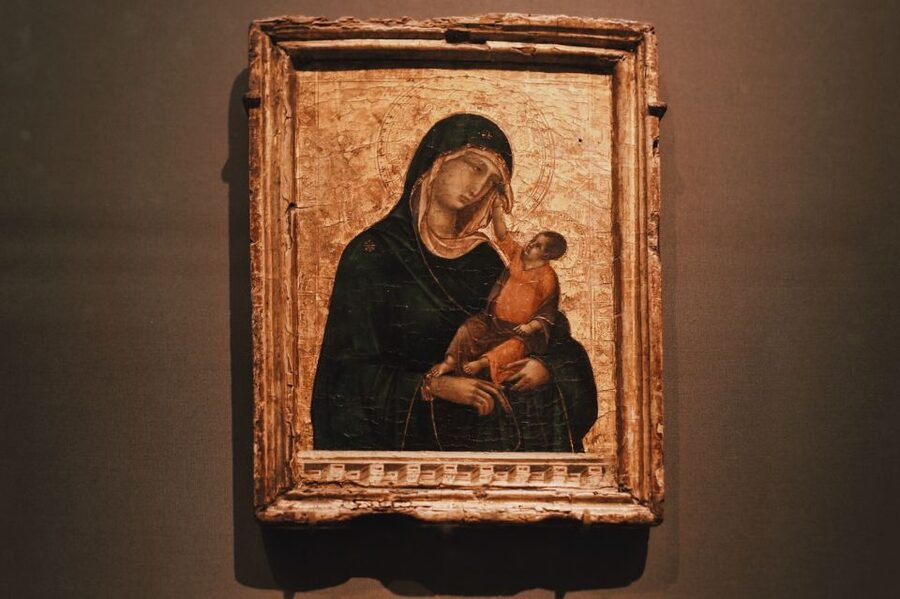
One of the less obvious strengths is the way the guide addresses the history of the building and how the galleries connect to the museum’s bigger story.
The American wing, in particular, gets highlighted as different from older European counterparts. The tour notes that it began before the United States was even 100 years old, which is a useful way to frame why American presentation can feel distinct—how curators shaped a new cultural identity in a museum setting.
Even if you don’t care about architecture, this context helps your brain. When you understand that the museum is designed to tell certain kinds of stories—periods, cultures, themes—it becomes easier to read why an object is displayed where it is.
Practical tip: wear comfortable shoes and expect moderate walking. Some routes can be affected by national celebrations, and the tour may swap to an alternative route while still aiming to see all highlights. That’s worth keeping in mind if you’re planning photos at specific locations.
Logistics you should plan for before you go
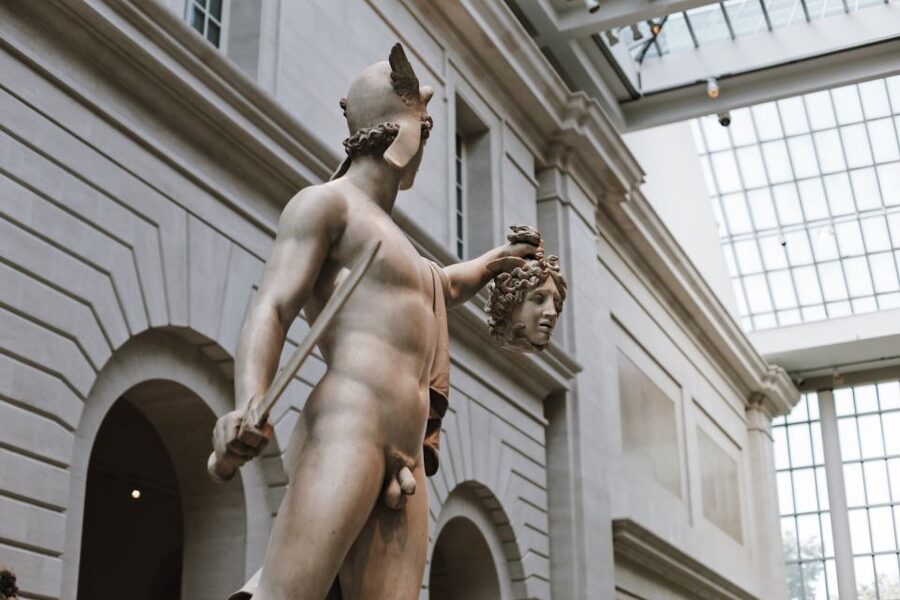
This tour is built for real-life museum constraints.
- Duration: about 2.5 hours.
- Group size: up to 10 people.
- Language: English.
- Entrance fees: included.
- Skip the ticket line: included.
- Not included: food and drinks, pickup/drop-off, and temporary exhibits.
- Bags: no luggage or large bags allowed.
- Weather: operates in all weather conditions.
There’s also a “know before you go” reality check: some attractions may not be visited from inside due to security measures. That’s not the tour being incomplete—it’s how major sites sometimes operate. The good part is you’re still guided through the highlights you came for.
If you’re bringing a kid or two, this tour can work well because guides are described as able to adjust for different ages, even making the visit enjoyable for a 13-year-old.
If you use a wheelchair, note the guidance given here: wheelchair-friendly tours are only available in the private option. The general tour info also flags that it isn’t suitable for wheelchair users, so if mobility access is central, book accordingly.
Price and value: what $126 buys you (and what it doesn’t)

At $126 per person for 2.5 hours, the big question is value: are you paying for convenience or for real expertise?
Here’s what’s included that supports the price:
- Entrance fees
- A professional art historian–type guide
- The guided highlight route with a focus on major areas
- Skip-the-ticket-line feature
- Private and semi-private options (when selected)
What you don’t get:
- Food and drinks
- Pickup/drop-off services
- Temporary exhibits
So the value equation is simple. If you’ll spend time wrestling with the Met’s scale, or if you want someone to interpret what you’re seeing, the guide justifies the cost quickly. If you’re the type who loves museums as a solo DIY and you’re happy spending half a day deciding where to go, you can get by without this.
But for most first-timers, $126 is a reasonable way to buy back mental energy. You’re not just paying to enter—you’re paying for a path, pacing, and a human explanation that helps the museum click.
Who should book this Met tour

This tour is a strong match if:
- You want a structured highlight route rather than an all-day mission.
- You like learning through conversation and questions.
- You want help navigating the Met’s size fast.
- You’re visiting with family and want a guide who can keep a range of interests engaged.
It may be a weaker fit if:
- You plan to spend your day on temporary exhibits and want flexibility to linger anywhere.
- You need wheel-chair-friendly access unless you choose the private option.
- You bring large luggage—this tour doesn’t allow it.
Should you book it?
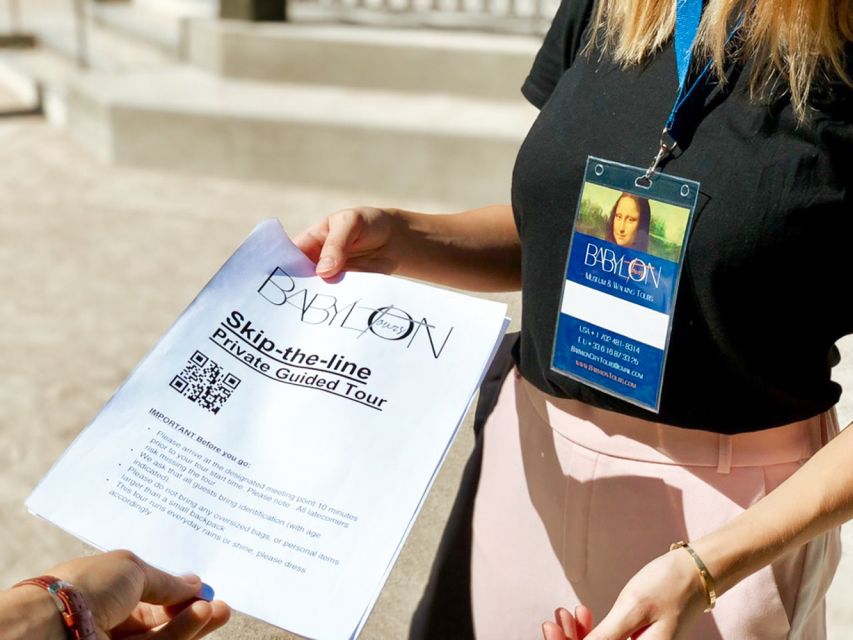
Yes, if your goal is to leave with a clear sense of what the Met is, why it matters, and what to look for next time. The biggest reasons I’d recommend booking are the small-group size, the guided focus on major galleries, and the way guides are described as strong at explaining art through stories while still letting you ask questions.
Book it with confidence if 2.5 hours fits your schedule and you want a smart, guided start—especially if you’re not sure how to tackle the museum on your own.
If you’re planning a long, unhurried museum day, this isn’t that experience. But if you want a fast, human, highlights-first visit that helps you get your bearings fast, this is a solid choice.