
REVIEW · MUSEE D ORSAY
Paris: Musée d’Orsay Guided Tour with Skip-the-Line Tickets
Book on GetYourGuide →Operated by GetYourGuide France · Bookable on GetYourGuide
Impressionist art in a former train-station shell. This skip-the-line guided visit lets you hit the museum’s biggest highlights without getting stuck in the worst of the queues. It also adds the setting itself—Orsay’s clockwork station drama—so the paintings feel part of Paris’s industrial story.
I especially like the way the tour gives you guided focus in a huge museum. You move room to room with a licensed English guide and audio devices, so you’re not wandering and missing the key works. Guides such as Merve, Thibeault, Gabriella, Erlon, Laetitia, and Isabelle are repeatedly praised for keeping the pace lively and tying artworks to technique and context.
The main drawback is time pressure: you get about 1.5 hours total, and once you exit you can’t go back in. If you’re the type who wants to linger for a long, slow stare at a dozen paintings, you’ll need to manage expectations.
In This Review
- Key Takeaways Before You Go
- Skip-the-Line Orsay: Why the Former Station Matters
- Meeting at the Horse Statue and Getting Set for Headsets
- Orsay’s Impressionist Highlights: Monet, Van Gogh, and Friends
- What You Learn From the Station Story (Clock Views Included)
- The 1.5-Hour Pace: Great for Highlights, Not for Deep Lingering
- Optional Afternoon Add-On: Louvre With a 2-Hour Guided Plan
- What’s Included (and What You’ll Need to Handle Yourself)
- Price and Value: Is $55 a Smart Move?
- Who This Tour Suits Best
- Should You Book This Musée d’Orsay Guided Tour?
- FAQ
- How long is the Musée d’Orsay tour inside the museum?
- Is this tour good if I want to see temporary exhibitions?
- Where do I meet the guide?
- Is there a skip-the-line entrance?
- Is there a place to store bags?
- Is this tour suitable for wheelchair users?
Key Takeaways Before You Go
- Skip-the-line entry through a separate entrance saves real time at Orsay
- Audio headsets help you hear the guide in crowded galleries
- Former station atmosphere adds story, including views through an old clock
- Highlights-only route means you’ll see major Impressionist and Post‑Impressionist works, not everything
- Optional Louvre combo works well if you want a second museum day win
Skip-the-Line Orsay: Why the Former Station Matters

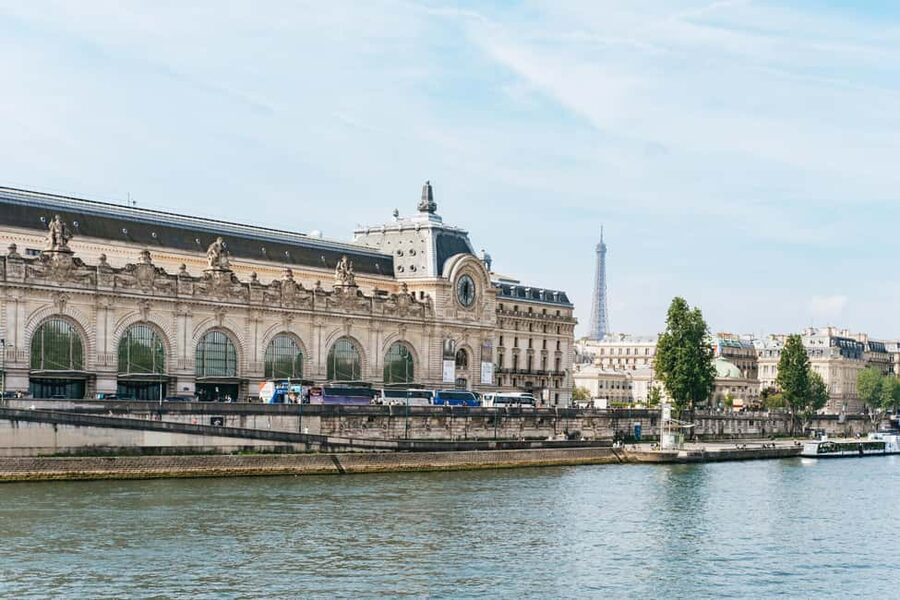
The Musée d’Orsay is one of those rare museums where the building is half the experience. It’s a converted train station, and that matters because the art here is about modern life—factories, industry, new cities, and changing tastes. When you see the gallery design and clock details, the Impressionists start to feel like a response to the same Paris you’d see outside.
This tour also gives you a clean advantage: skip-the-line tickets. That’s not just convenience. In Paris, museum lines can chew up half your sightseeing block, and Orsay’s security checks can add more time on top. With timed entry and a separate entrance, you spend your energy looking at paintings, not studying crowds.
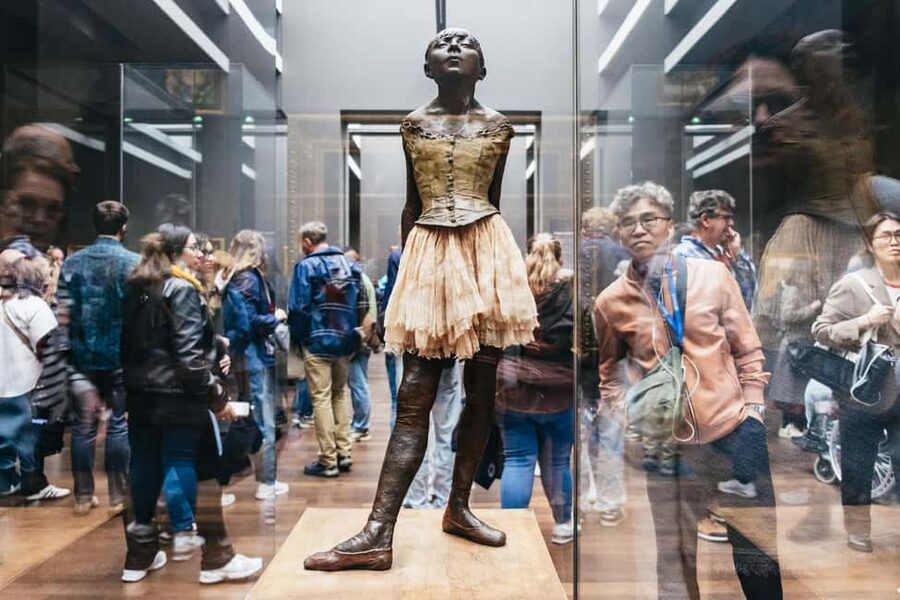
The biggest value is how the guide steers you toward the works that anchor the whole collection. The museum is famous for its Impressionist holdings, and a highlights path is often the smartest use of 1.5 hours.
A few more Musee D Orsay tours and experiences worth a look
Meeting at the Horse Statue and Getting Set for Headsets

You meet your guide at the time booked, next to the Musée d’Orsay entrance—specifically next to the horse statue. That matters because Orsay’s front area can be confusing if you arrive without a plan, especially during busy hours.
Plan on a little setup time. The tour includes about 30 minutes for organization, which covers entering the museum and getting your audio device/headsets. The actual guided museum portion is listed as about 1 hour 30 minutes, so the “tour length” on the schedule doesn’t mean you’ll spend the full 1.5 hours inside freely.
Security can add friction. There may be a wait of up to 15 minutes at the security check, so arriving a bit early is your best move. And if you’re late, the group booking rules mean you won’t be handed individual tickets after the fact.
Orsay’s Impressionist Highlights: Monet, Van Gogh, and Friends
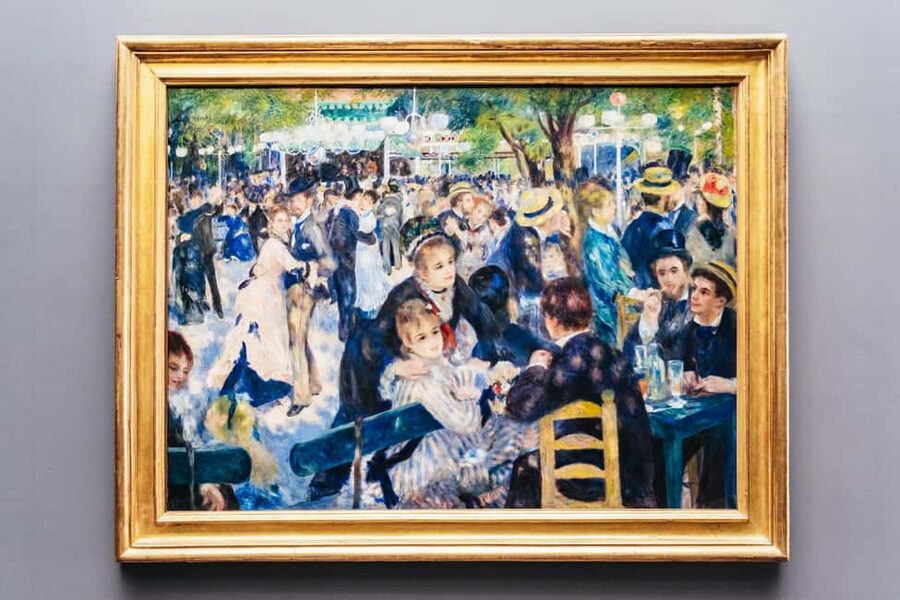
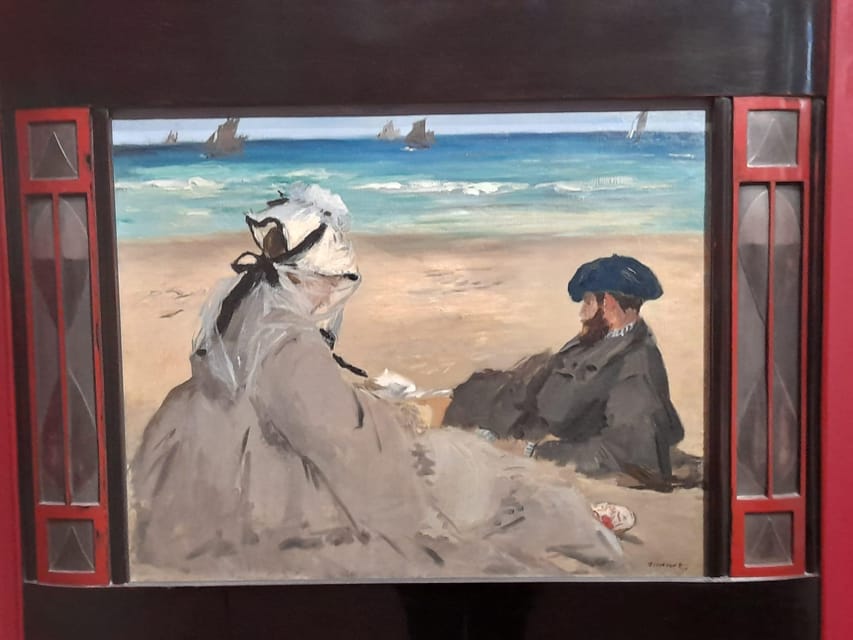
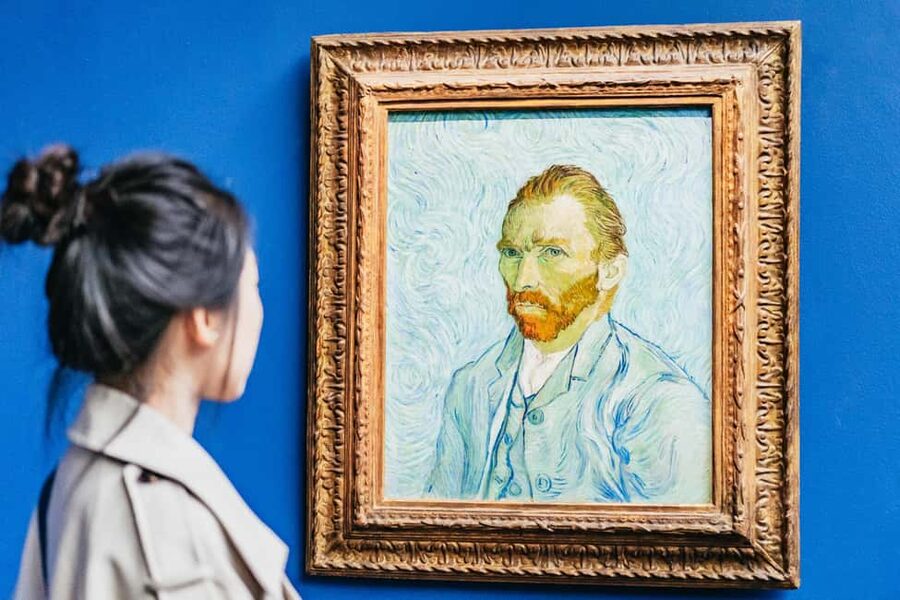
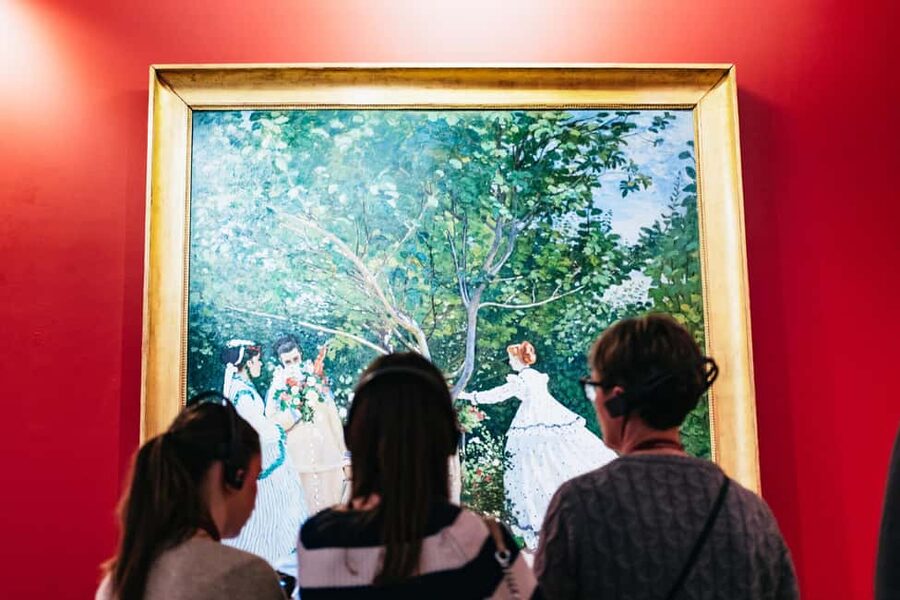
Inside, the tour is built around the heart of the collection: Impressionism, plus related Post‑Impressionist work. You’ll see major artists named up front—Monet, Manet, Renoir, Van Gogh, and Cézanne—and the guide connects the movement through multiple rooms.
What I like about this structure is that you don’t just get a checklist of famous names. The guide-led storytelling helps you notice what’s different about the painters’ approaches—how the look of light and modern life becomes the subject. In reviews, guides like Merve and Gabriella are praised for explaining artists and the techniques behind the effects you see on canvas.
You also get more than Paris. The tour description points to how these artists range from industrial city scenes to countryside views, and even to places and moods that feel far away. Cézanne and Van Gogh, for instance, get positioned as artists who take the movement beyond a single street corner.
One more thing: this is not an “every painting, every room” plan. Some people love that. Others will find 1.5 hours feels fast. Either way, it’s a strong primer if your goal is to understand what Orsay is about before you choose what to explore on your own later.
What You Learn From the Station Story (Clock Views Included)
Orsay’s big trick is blending art history with architecture and city history. As you tour, you hear the transformation story—this was a train station, then a museum, and that change didn’t happen quietly. You’re also told about the scandals and social shockwaves of Paris as it handled the Industrial Revolution.
That background helps you read the paintings with fresh eyes. When a guide ties an artwork’s mood to the era’s shifts—new industry, new city rhythms—it changes what you notice. It’s one of the reasons certain guides receive extra praise, like Thibeault for building history, and Isabelle for making connections between paintings.
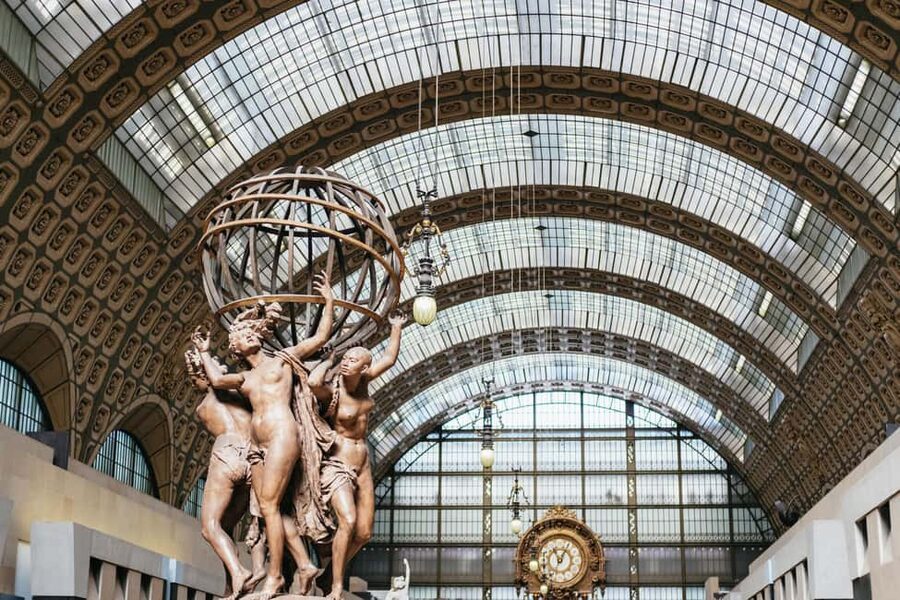
There’s also a very practical, visual payoff: views of Paris through one of the station’s clocks. It’s a small moment, but it’s memorable because it reminds you that this museum isn’t an isolated box. You’re inside a landmark that originally belonged to travel, movement, and the modern world.
The 1.5-Hour Pace: Great for Highlights, Not for Deep Lingering
The tour is designed for an efficient route: museum time is 1 hour 30 minutes, with the rest spent on getting set up. That’s a real plus if your schedule is packed, because you still get a guided experience without turning Orsay into an all-day commitment.
Still, the pace can vary by guide and group flow. A couple of reviews mention that the tour can feel rushed, while others say the timing and room stops felt just right. The truth is that Orsay is crowded, and crowd patterns can force the group to move faster than ideal.
Here’s how to make it work for you:
- Pick your “must-sees” in advance so you can calibrate your attention when the route moves on
- Use the headsets early and keep them on; crowded rooms swallow details fast
- Don’t plan to come back later inside—the rules say once you exit, you can’t re-enter
If you’re the type who wants to spend 10–20 minutes per work, you may feel boxed in. If you want a smart tour that makes Orsay click quickly, this format is strong.
Optional Afternoon Add-On: Louvre With a 2-Hour Guided Plan
If you choose the combo option, you add a guided tour of the Louvre in the afternoon, listed as a 2-hour experience. That’s a common pairing because the two museums cover different corners of Western art: Orsay for modern painting (Impressionism and beyond) and the Louvre for classical and iconic masterpieces.
The Louvre portion is described as including famous works such as the Mona Lisa, Venus de Milo, and Winged Victory of Samothrace, plus other lesser-known stops. In practice, that means you’ll get a guided highlights route rather than a full museum sweep.
This add-on can be a great value if you’re doing Paris in a limited number of days and want two big art hits without doing two separate days of planning. It can also be a lot of museum density in one day, so if you’re art-fatigued, consider splitting your museum time across days.
What’s Included (and What You’ll Need to Handle Yourself)
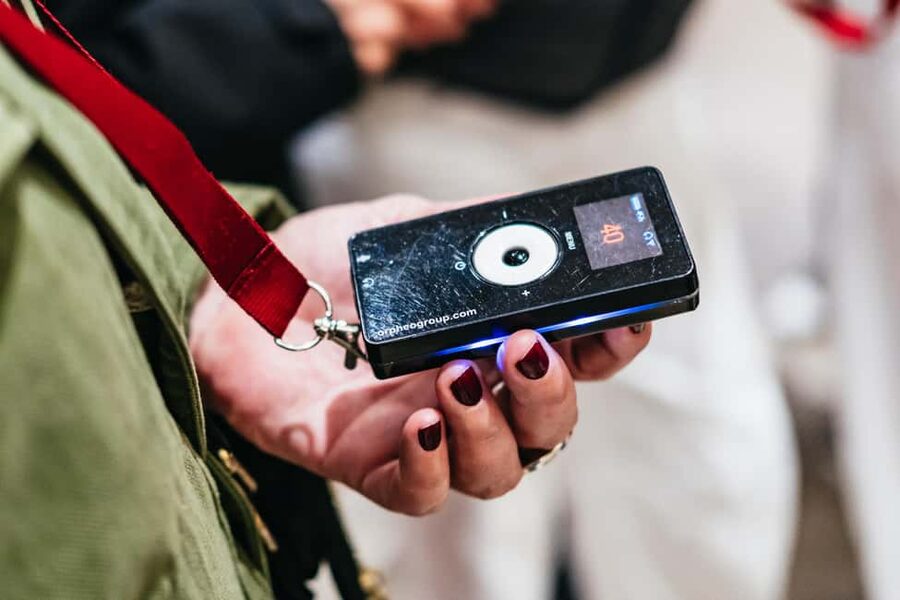
Your ticket includes a licensed live guide, a skip-the-line ticket, and audio devices so you can hear instructions clearly. There’s also cloakroom service for small bags and clothes, which is helpful if you’re carrying a day bag or light outer layer.
Not included is lunch, so you’ll want to plan food separately. In a museum day, that choice matters: you’ll move faster when you aren’t hunting for something to eat mid-tour.
You should also note what’s not allowed. Luggage or large bags aren’t permitted, and you can’t bring selfie sticks or tripods. These rules are worth taking seriously because the security check is one of the spots where time can slip away.
Price and Value: Is $55 a Smart Move?
At $55 per person for an English-guided, skip-the-line experience, you’re paying for three main things: time savings, expert guidance, and comfort/logistics. The skip-the-line ticket is the easy win. In a big museum with security checks, that can protect your day.
The guide matters because Orsay can be overwhelming. If you show up cold, you can walk past key themes without realizing they’re the whole point of the collection. Reviews highlight that several guides bring energy and make the art easier to understand—Merve, Gabriella, Laetitia, and Erlon come up often for storytelling and clarity.
The audio devices and cloakroom service also add real value. They reduce stress in the moments that usually ruin a museum outing—where to put your bag, how to hear the guide, and how to keep moving through crowds.
If you add the Louvre combo, the value usually gets even better because you’re stacking two guided museum experiences into one ticket day. Just keep an eye on how tired you’ll be by the afternoon.
Who This Tour Suits Best
This tour is a great match if:
- You want the big Impressionist names and want them explained in context
- You have limited time and want the museum’s “what matters” route
- You like a lively guide who connects technique, story, and the era
It’s not a match if:
- You need wheelchair access or mobility assistance, since it’s listed as not suitable for mobility impairments and wheelchair users
- You plan to revisit rooms on your own later during the same visit, because once you exit you can’t re-enter
- You specifically want temporary exhibitions, since the tour does not provide access to them
Should You Book This Musée d’Orsay Guided Tour?
Book it if you want a smart, time-efficient way to understand Orsay and make the paintings land. The combination of skip-the-line entry, licensed guide, and audio devices makes it one of the easier ways to enjoy this museum without turning your trip into a navigation exercise.
Skip it if your priority is slow, deep museum wandering or if accessibility needs are part of your plan. For everyone else, especially if this is your first Orsay visit, this is a high-value way to see the collection’s core and walk out with a clearer sense of how Impressionism took shape in Paris.
FAQ
How long is the Musée d’Orsay tour inside the museum?
The tour includes about 30 minutes for organization (entering and getting headsets), and the time inside the museum is listed as 1 hour 30 minutes.
Is this tour good if I want to see temporary exhibitions?
No. The tour does not provide access to temporary exhibitions.
Where do I meet the guide?
Meet your guide at the time booked next to the entrance of the Musée d’Orsay, next to the horse statue.
Is there a skip-the-line entrance?
Yes. Tickets include skip-the-line entry through a separate entrance.
Is there a place to store bags?
Luggage or large bags are not allowed. There is cloakroom service included for small bags and clothes.
Is this tour suitable for wheelchair users?
No. It is listed as not suitable for people with mobility impairments and wheelchair users.