REVIEW · ETTERBEEK
Brussels: Museum Art & History Entry Ticket
Book on GetYourGuide →Operated by Royal Museums of Art and History · Bookable on GetYourGuide
One museum, a world tour. The Royal Museums of Art and History at Parc du Cinquantenaire take you from early humanity to early 20th-century styles, with standout rooms like the model of Roma and the Egyptian mummies.
What I like most is how the collections are organized so you can follow a timeline without feeling lost. I also like the mix of Belgium and Europe with strong sections from outside Europe, including Asian religious art with Asian Buddhas.
One thing to plan for: this is big. If you try to see every room, you’ll spend more time moving than looking, and the entrance is not by Autoworld, so give yourself a few extra minutes to find it.
In This Review
- Key things that make this ticket worth your time
- A one-day time machine at Parc du Cinquantenaire
- Getting in fast: entrance location and transit basics
- How the museum sets up your timeline (from prehistory to the early 20th century)
- Ancient Rome and the model of Roma: a standout start
- Egypt’s mummies and the drama of antiquity
- European decorative arts: from the Middle Ages to Belgian and European design
- Non-European civilizations: Islamic world, India, China, and beyond
- Art nouveau and art deco: a finish that looks like the future
- How I’d pace a 1-day ticket so you don’t feel rushed
- Value at about $11: what you get for the price
- End with a Cinquantenaire Park picnic
- Who this fits best
- Should you book this Museum Art & History entry ticket?
- FAQ
- What’s the nearest metro station?
- Where is the entrance compared to Autoworld?
- Which train stations are closest?
- How long is the ticket valid?
- Is flash photography allowed inside?
- What’s included with the entry ticket?
- Does it skip the ticket line?
- Can I cancel and get a full refund?
Key things that make this ticket worth your time
- A museum built around clear “time and place” groupings, from prehistory to art nouveau and art deco
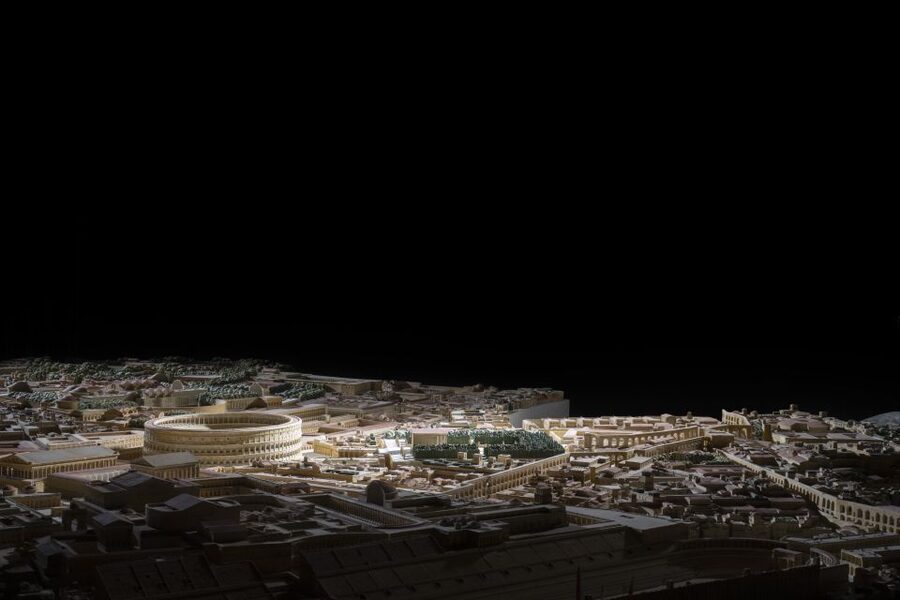
- The model of Roma gives you an instant sense of how ancient Rome could look in scale
- Egyptian mummies add a dramatic, easy-to-spot highlight for both adults and kids
- Non-European galleries include Islamic world, India, and China, alongside European collections
- Asian Buddhas help the visit feel like a real world tour, not just a Europe-only stop
- Cinquantenaire Park is right there, perfect for a low-key picnic finish
A one-day time machine at Parc du Cinquantenaire
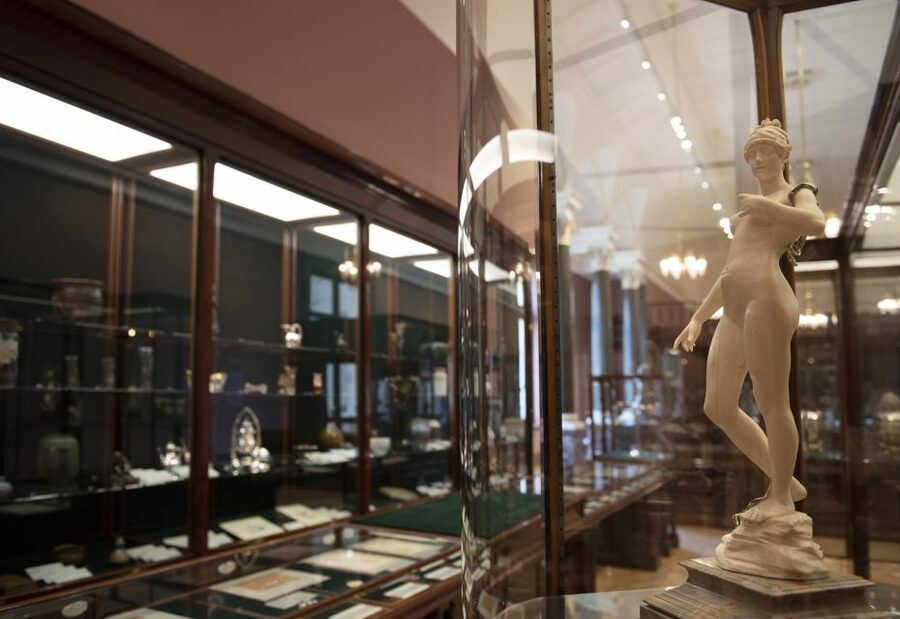
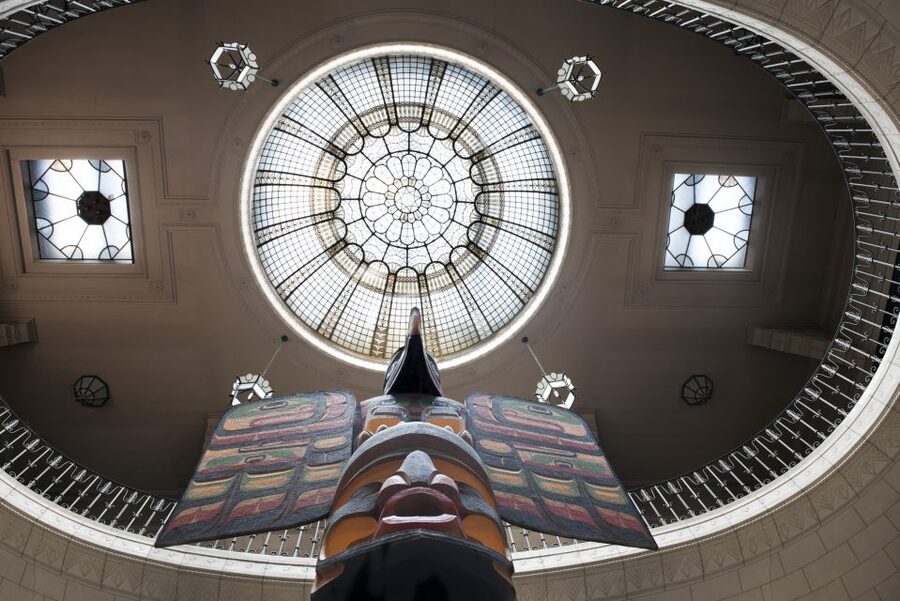
This is the kind of museum visit where you can walk into one room and feel like you’ve stepped into a different era. The Royal Museums of Art and History is one of the largest museums in Belgium, housed in a classic building at Parc du Cinquantenaire, so your visit starts in a place that already feels “serious” and grand.
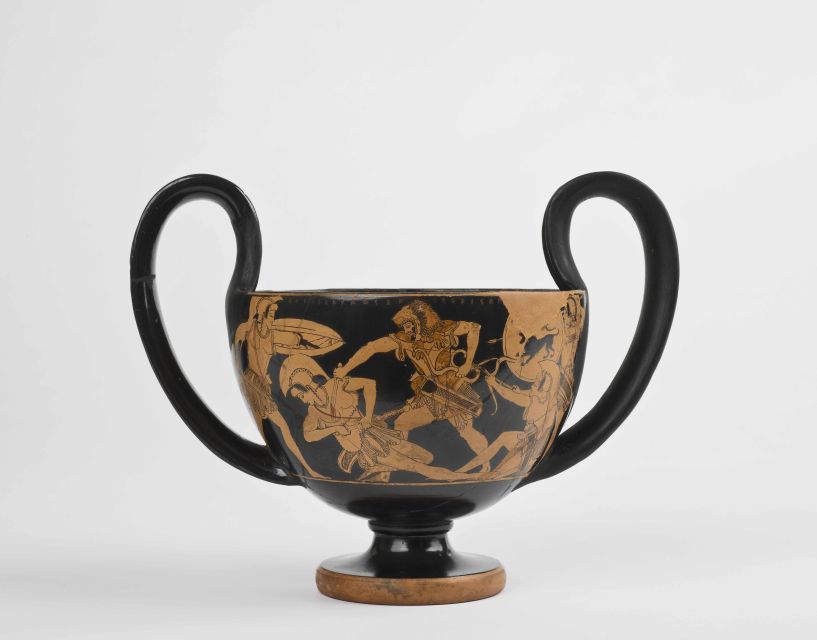
The big advantage here is that the museum isn’t just a random pile of artifacts. The collections are organized into major groups that help you build a mental map quickly. You start with the earliest archaeological discoveries related to the birth of mankind, then you move through ancient Egypt, Greece, and Rome. After that come the medieval period and later European centuries (think 16th to 18th), and the museum brings you to the early 20th century with art nouveau and art deco.
I like that the museum includes both Belgium/Europe and treasures from farther afield. That means you’re not just doing a “Belgium history” stop. You’re seeing how different civilizations expressed power, spirituality, daily life, and design—often in ways that look strikingly connected, even when the cultures are very different.
Getting in fast: entrance location and transit basics

This ticket is straightforward: you’re buying entry, and it includes skip-the-ticket-line access. In practice, that helps a lot at a big museum because queues can form quickly.
Do note the meeting-point detail: the entrance is not next to Autoworld. You’ll need to walk around the corner and follow the signs to the entrance. Give yourself a little buffer so you don’t waste your day circling the block.
Transit options are solid and walkable. The nearest stations are Merode and Schuman (both within walking distance), and Central Station works if you use a metro connection to the Art & History Museum. If you’re using the metro, the nearest station is Schuman. Buses that stop near the area include 22, 27, 80 (stop at Galliërs) and 61 (stop at Merode). Trams 81 and 82 also stop at Merode.
One small rule to remember: flash photography isn’t allowed. Plan to rely on your eyes and normal lighting—most people find the indoor lighting is designed for slow looking anyway.
How the museum sets up your timeline (from prehistory to the early 20th century)
You’ll get the best experience if you treat this as a “route” rather than an attempt to see everything. The museum lays it out so you can follow eras in sequence:
- Archaeological discoveries connected to the birth of mankind
- Ancient Egypt, then Greece and Rome
- The Middle Ages
- European centuries from the 16th to the 18th
- Art nouveau and art deco of the early 20th century
This structure matters because it helps you avoid the most common museum problem: wandering room-to-room without knowing why one room exists. Here, you can glance at the major groupings and decide what you want to spend time on.
Also, the museum’s size can be intimidating at first. A good strategy is to pick one “anchor” highlight you really want to see—then fill in around it. If you’re the type who likes to read everything, you’ll probably want more than one day. If you like to skim labels and focus on key objects, one day is doable with a smart plan.
Ancient Rome and the model of Roma: a standout start
One of the most memorable elements is the model of Roma. It’s the kind of exhibit that turns abstract history into something you can understand fast. Even if you don’t read every caption, the model helps you get a sense of city scale—how places connect, where big structures might sit, and why ancient Rome felt like a world center.
It also works well as an “on-ramp” for your visit. Rome is a familiar name, so it’s easy to build excitement immediately, then let the next rooms make the timeline feel logical rather than random.
If you’re visiting with kids, this is a useful anchor. The model gives them something concrete to point at and react to. And if you’re visiting solo, it helps you orient your attention so you don’t drift.
The possible drawback: if you race through the model and skip the nearby context, you may miss the bigger story the museum is trying to connect back to ancient Rome as a whole.
Egypt’s mummies and the drama of antiquity
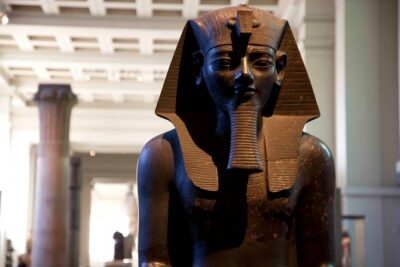
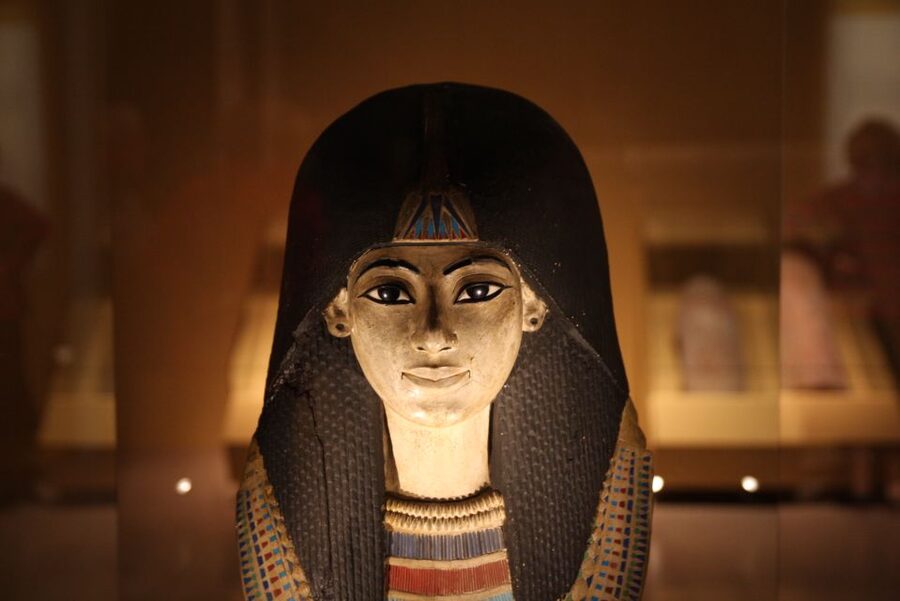
Next, the museum brings you straight into Egyptian mummies. This is one of those highlights that doesn’t need much explanation. Egyptian funerary culture is famous, and the museum makes it accessible by putting it in a clear ancient history pathway.
Why this matters for your day: “mummies” are often a one-sentence word people know. Here, you can actually place them in a broader sequence—so they don’t feel like a standalone spooky object. They become part of a larger pattern of how ancient civilizations understood death, the body, and what comes after.
In a museum this large, that kind of context is what turns a quick visit into a satisfying one. If you’re tempted to rush, slow down for this section. It’s one of the highest-impact stops you can make in a limited day.
European decorative arts: from the Middle Ages to Belgian and European design
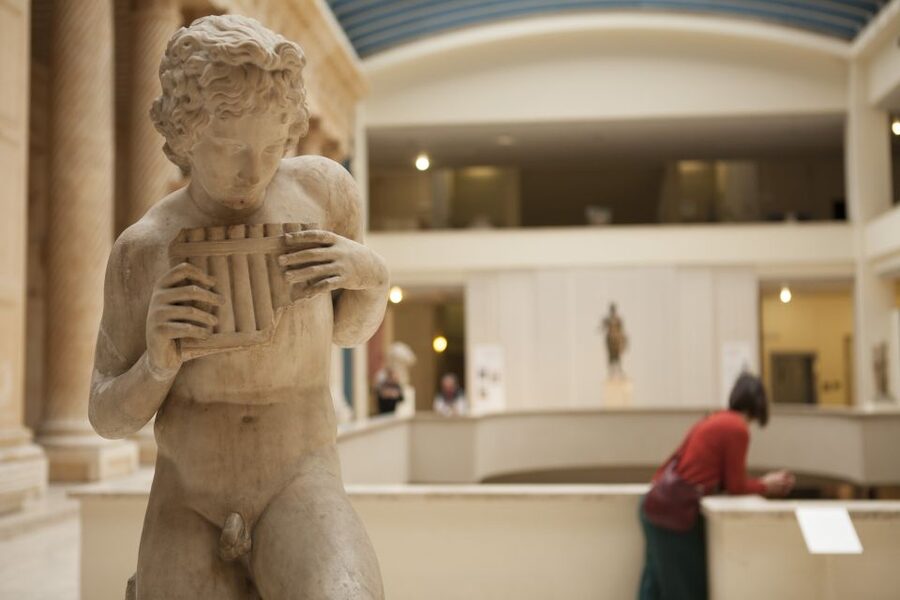
After the ancient world, the museum moves through medieval times and into later European centuries, including the 16th to the 18th. Then you transition into European decorative arts spanning the 10th through the 20th century.
This part is great when you like objects, materials, and design details—things you can spot visually even if you don’t plan to read every label. Look for how styles change over time and how Europe’s artistic language shifts with era, fashion, and technique.
One practical tip: in this museum, it’s easy to get “object fatigue” because the rooms are full. If you start to feel that, reset your brain by focusing on one theme at a time: materials, symbolism, or the way ornament changes between centuries.
Non-European civilizations: Islamic world, India, China, and beyond
A major strength of the museum is that it does not treat outside-Europe cultures as an afterthought. The collections include non-European civilisations from the Islamic world, India, and China.
This is especially valuable because it breaks the common “only Europe” museum pattern. You get to compare approaches to art-making across regions while still staying inside one museum building, which keeps the experience efficient for a 1-day visit.
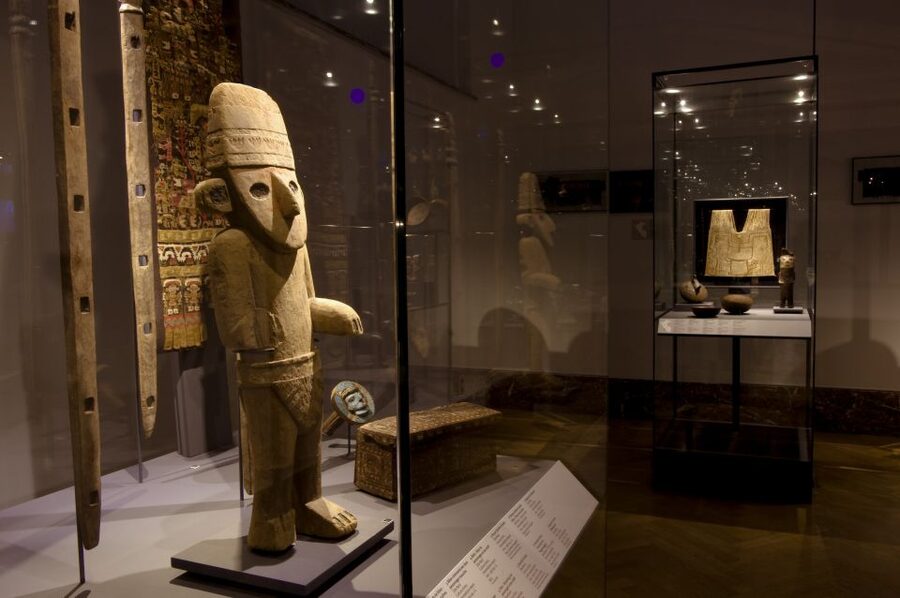
If you’re specifically curious about religious art, don’t miss the section with Asian religious figures, including Asian Buddhas. Passing through those galleries can shift your mindset quickly. You’re not just learning history in the abstract—you’re seeing how belief systems show up in form, iconography, and artistic style.
The only consideration: these rooms may feel visually different from the Western collections around them, so if you tend to read slowly and want to compare deeply, you’ll need to budget extra time.
Art nouveau and art deco: a finish that looks like the future
By the time you reach the early 20th century, the museum’s style shifts. You’ll see art nouveau and art deco, two movements that people often know by name but don’t always experience as a “whole room” visual world.
This is a great way to end because it connects earlier craftsmanship and European decorative traditions to something that feels modern. It’s also a satisfying contrast after centuries of older objects and materials.
If you’re short on time, this is the section I’d prioritize over “filler rooms.” It tends to be the easiest to enjoy quickly because the style change is immediate, and it’s a fun way to remind yourself that art is not only about the past. It keeps moving.
How I’d pace a 1-day ticket so you don’t feel rushed

A full museum day can feel like trying to drink from a fire hose. So I recommend a simple pacing plan:
Pick 2 anchor highlights and commit to them. For many people, those anchors are the model of Roma and the Egyptian mummies. Then choose one “world culture” stop (like the Islamic world/India/China galleries and the section with Asian Buddhas) and one “design highlight” (art nouveau/art deco).
During the rest of the time, scan for objects that catch your eye and stay with them longer than you think you should. This museum rewards slow looking more than frantic checking.
If you’re visiting with kids, keep the day flexible. Let them lead with what they’re excited about. The museum’s variety is a real advantage here—people often find it interesting across ages because the highlights are visual and varied, not just text-heavy.
Value at about $11: what you get for the price
At around $11 per person, this ticket feels like good value for a big, multi-civilization museum. You’re paying for entry to one of the country’s largest museums, and that price works best when you treat it as a “highlight day” rather than a “see everything” day.
One more pricing reality check: if you already have any museum pass or another way to access the collection, double-check you aren’t paying twice. There’s at least one indication from recent feedback that some people felt the cost didn’t match what they expected based on other options.
The good news is that the experience is not a flimsy add-on. With so many major categories—ancient history, European decorative arts, and non-European civilizations—you have enough material to justify the cost even if you don’t read every label.
End with a Cinquantenaire Park picnic
The museum is right next to Cinquantenaire Park, which makes it easy to turn your visit into a low-stress day. After you finish the last galleries (especially the art nouveau and art deco rooms), you can step outside and reset.
I like the idea of an impromptu picnic here because it turns your museum visit into something more relaxed. You’re not rushing to another attraction right away. You’re letting the day land.
If you’re traveling with family or friends, this also gives everyone a shared moment that isn’t tied to reading, translations, or museum pacing.
Who this fits best
This ticket is a strong fit if you want:
- A single-day art and history experience in one place
- Easy-to-love highlights like the model of Roma and Egyptian mummies
- A museum that mixes European collections with Islamic world, India, and China
- A day that works for both adults and kids (the variety helps)
It’s also a good option if you’re visiting Brussels with limited time. The location at Parc du Cinquantenaire is convenient for a full cultural morning and a pleasant afternoon break.
Should you book this Museum Art & History entry ticket?
If you’re choosing between “a quick museum” and “a real day of objects and cultures,” I’d book this. The price is reasonable for the museum size, and the highlights are clear enough that you’ll feel satisfaction even if you don’t see every room.
Book it if you want a structured timeline (ancient to medieval to 20th century) plus world-civilization collections like Islamic world, India, and China. Skip it only if you’re determined to see everything slowly and in depth, because one day can feel tight in a museum this large.
FAQ
What’s the nearest metro station?
The nearest metro station is Schuman.
Where is the entrance compared to Autoworld?
The entrance is not located next to Autoworld. You’ll need to walk around the corner and follow the signs to the entrance.
Which train stations are closest?
The nearest stations are Merode and Schuman, both within walking distance of the museum. Central Station also works with a metro connection to the Art & History Museum.
How long is the ticket valid?
The ticket is valid for 1 day.
Is flash photography allowed inside?
No, flash photography isn’t allowed.
What’s included with the entry ticket?
The entry tickets are included.
Does it skip the ticket line?
Yes, it includes skip-the-ticket-line access.
Can I cancel and get a full refund?
Yes. You can cancel up to 24 hours in advance for a full refund.
If you want, tell me your travel dates and whether you’re going with kids, and I’ll suggest a tight “must-see” route for a one-day visit.