REVIEW · LANZAROTE
Museo Atlántico: Scuba Dive Lesson for Non-Certified Divers
Book on GetYourGuide →Operated by Dive College Lanzarote · Bookable on GetYourGuide
The underwater art here is a real show. You’ll get scuba basics and then swim among sculptures by Jason deCaires Taylor at Museo Atlántico. It’s a rare mix of beginner training and genuine wow-factor.
What I like most is how they build comfort in stages, starting with safety rules and skill practice before you go deeper. I also love that the day is built around a great story: you’ll learn the meaning behind the works before you see them underwater. One thing to consider: this isn’t for everyone, and after the session you’ll need to wait at least 18 hours before flying.
In This Review
- Key Points You’ll Care About
- Why Museo Atlántico Is Different for First-Timers
- Getting Picked Up in Playa Blanca and Settling In
- The Safety Lesson That Sets the Tone
- Gear Up and Build Confidence Before Going Under
- That First Underwater Session: Up to 6 Meters for About 35 Minutes
- Pool Skills After the Sea: Making the Basics Stick
- Learning the Sculpture Meaning Before You See It
- Speedboat Ride to the Museum: Part Transportation, Part Anticipation
- The Museum Water Time: Up to 12 Meters Among Jason deCaires Taylor’s Works
- Instructors and Communication: A Real Confidence Boost
- Gear and What’s Provided (and What Isn’t)
- Price and Value: Why $187 Can Be a Good Deal
- Timing and Practical Considerations That Affect Your Day
- Who This Experience Suits Best (and Who Should Skip It)
- Should You Book This Museo Atlántico Scuba Lesson?
- FAQ
- How long is the Museo Atlántico scuba lesson?
- What depths will I reach during the experience?
- Is this suitable for non-certified divers?
- What scuba equipment is included?
- Do I need to bring anything?
- Is food included in the price?
- Can I fly right after the experience?
- What languages are available for the instructor?
Key Points You’ll Care About
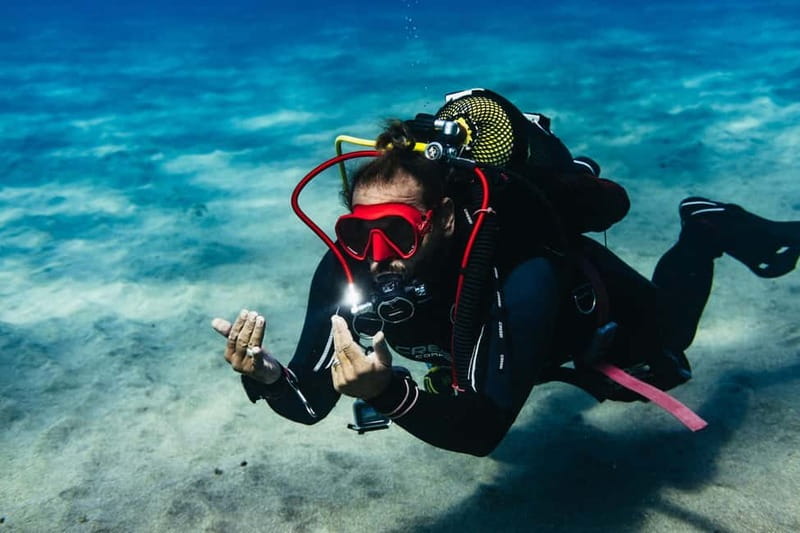
- Beginner-friendly format with an instructor-led rules lesson and hands-on practice
- Two underwater levels: about 35 minutes down to around 6 meters first, then up to 12 meters at the museum
- Speedboat transfer to Museo Atlántico, so the outing feels like an excursion, not a quick stop
- All scuba gear included plus a certified instructor for your safety and confidence
- Sculpture context before you swim, so the museum feels more like art than just sightseeing
Why Museo Atlántico Is Different for First-Timers
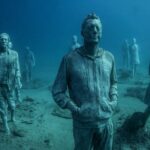
Most snorkeling tours show you what’s already there. This experience adds instruction first, then gives you a payoff that only works underwater: sculptures installed underwater at Museo Atlántico by Jason deCaires Taylor.
That matters for your enjoyment. When you understand how to handle your gear and breathing, the art becomes the main event instead of you constantly thinking about staying calm. It also means you’re not just looking at pretty shapes—you’re learning how the museum and its works connect to the sea.
You can also read our reviews of more tours and experiences in Lanzarote.
Getting Picked Up in Playa Blanca and Settling In
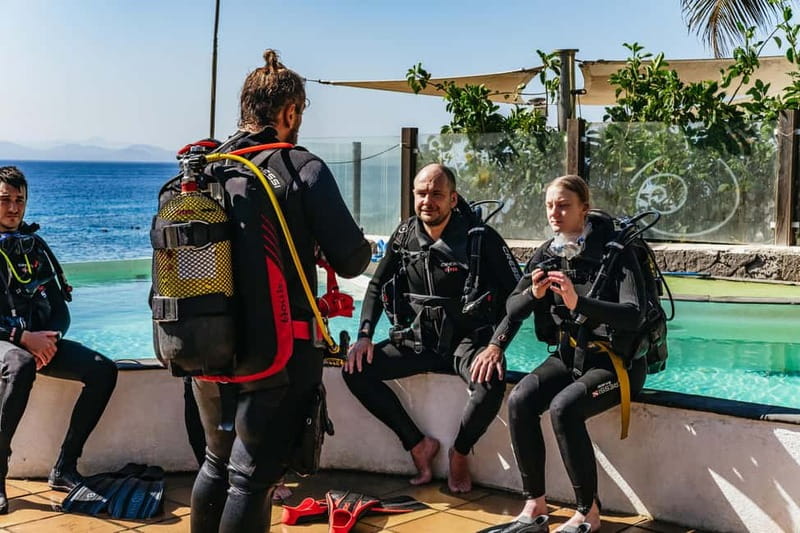
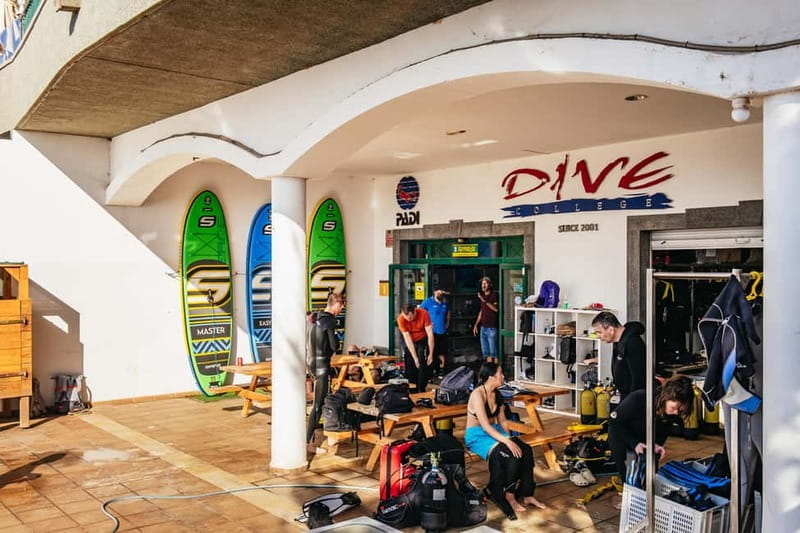
You start with pickup from Playa Blanca. The meeting point is on the sea front, and the day is run by Dive College Lanzarote staff. You’ll be with a certified instructor (and the team can communicate in multiple languages), and the schedule is designed to move at a beginner pace.
Plan to keep things simple: wear your swimwear, and don’t count on food being part of the package. This is the kind of morning that runs on gear checks, briefings, and calm repetition—not rushing.
The Safety Lesson That Sets the Tone
Before any serious water time, you get a focused intro to scuba safety rules. Expect around a 20-minute lesson on the essentials, delivered in a way that’s meant for non-certified participants.
This portion is more useful than it sounds. If you’ve never used scuba equipment before, your brain needs a small map: what you do, what you don’t do, and how your instructor expects you to respond. That’s also where you’ll get your first chance to ask questions and clear up confusion early.
Gear Up and Build Confidence Before Going Under
After the rules lesson, you gear up with the equipment provided. You’re not expected to bring your own scuba setup, which is a big value point—figuring out rental logistics alone would make many similar outings annoying.
Then you start with the first “test run” in the water, kept intentionally controlled. The goal is comfort first, not bragging rights.
That First Underwater Session: Up to 6 Meters for About 35 Minutes
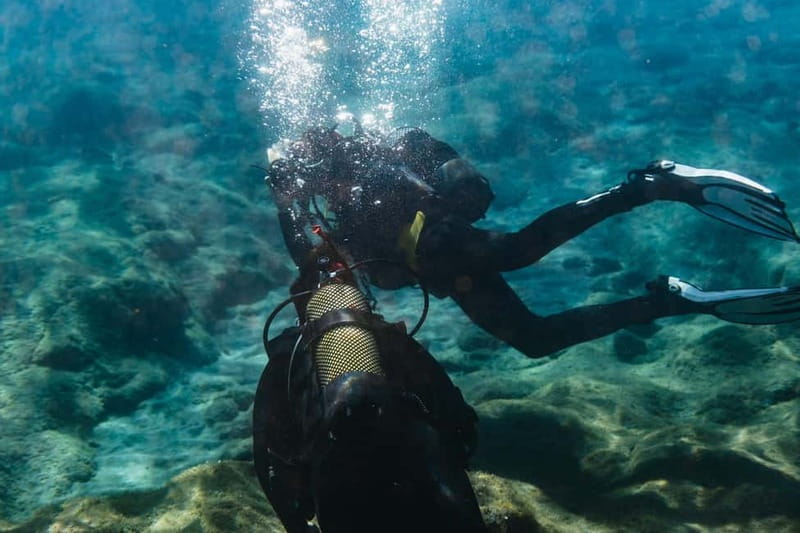
Your first underwater portion is about 35 minutes, with a maximum depth around 6 meters. This is the training leg where you’ll practice what you just learned, under watchful eyes.
For non-certified participants, staying shallower early on helps a lot. It gives you time to focus on basic control and breathing without turning the experience into a full-time survival project. You’ll finish this stage with a better sense of how the equipment feels and how the water changes your pace.
Pool Skills After the Sea: Making the Basics Stick
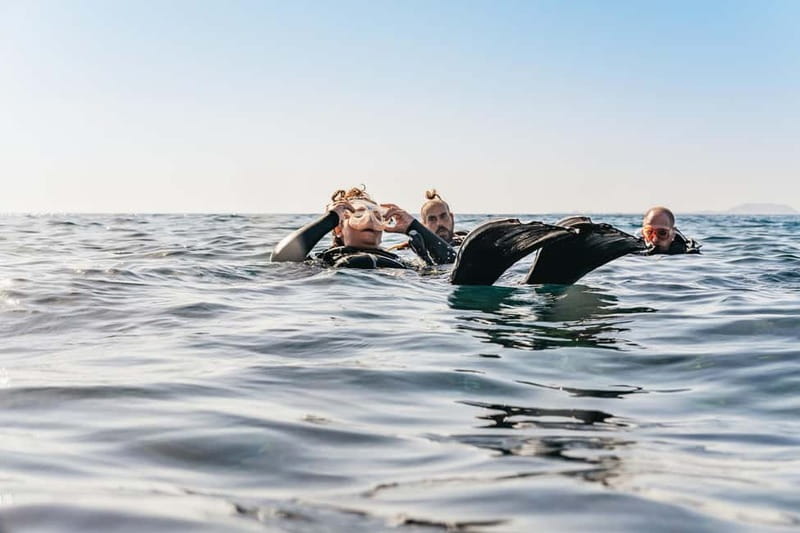
Right after the first water session, you go back for about 20 minutes of basic skill practice in a pool. This is a smart design choice: it lets you repeat the fundamentals where conditions are simpler.
Think of it like grammar practice. The ocean is the conversation, but the pool is where you get your structure right. By the time you move to the museum, your confidence should be noticeably steadier.
Learning the Sculpture Meaning Before You See It
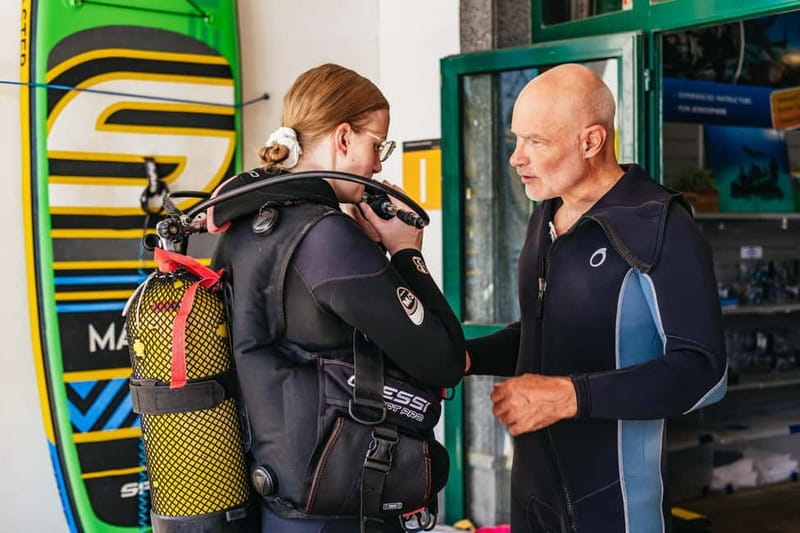
Before you go to Museo Atlántico, you’ll hear about the meaning behind the underwater sculptures you’re about to encounter. This is one of the best “soft” inclusions on the schedule because it changes what you notice.
Without context, underwater statues can feel like random figures. With context, you’re more likely to read the work like art—how it’s shaped, what it represents, and how it interacts with its environment. It’s the difference between seeing and actually understanding.
Speedboat Ride to the Museum: Part Transportation, Part Anticipation
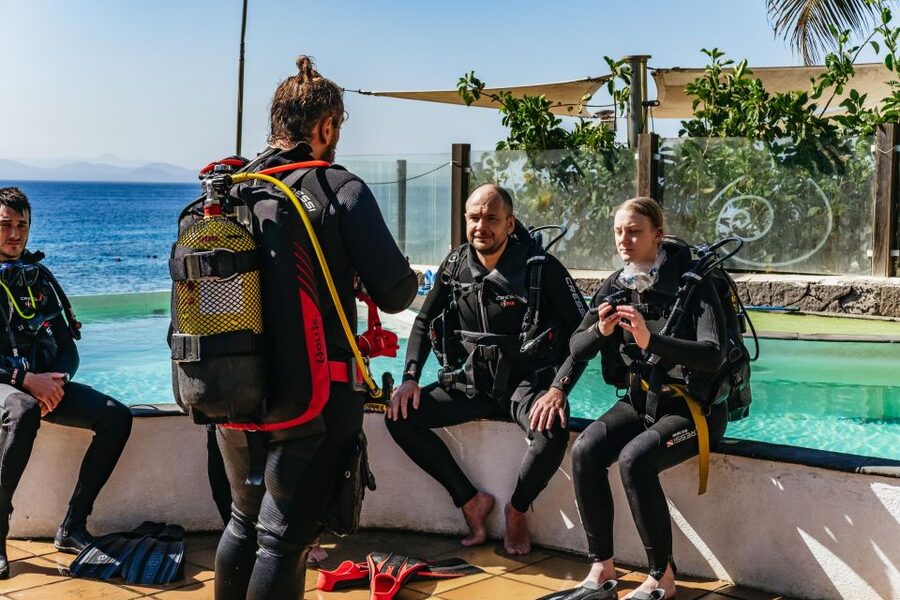
You travel to the museum area by speedboat, and the ride takes about 20 minutes. This does two things for you: it reduces downtime and it raises the excitement level.
Plus, it helps separate the morning training from the afternoon museum experience. You’re not just continuing the same routine—you’re moving to a different setting, with a different mindset.
The Museum Water Time: Up to 12 Meters Among Jason deCaires Taylor’s Works
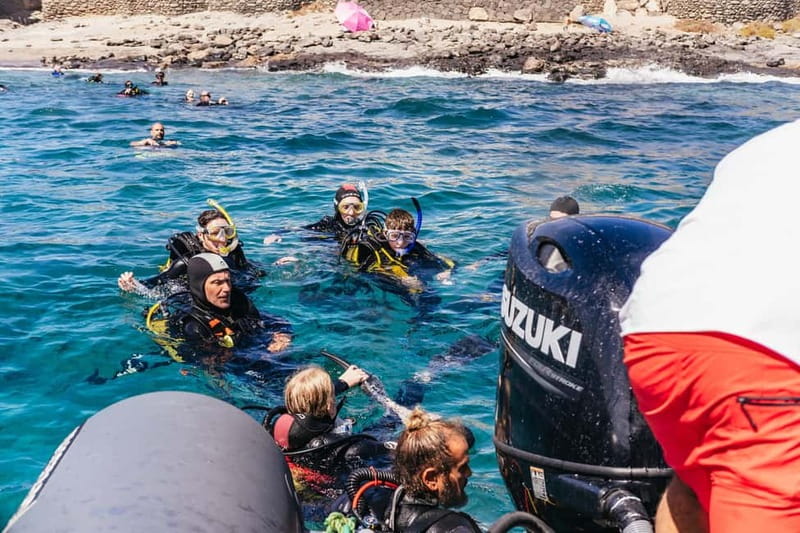
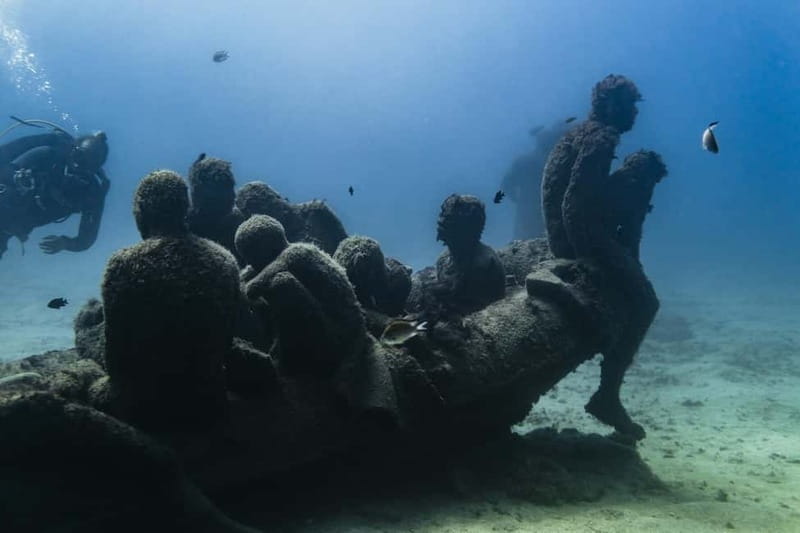
At Museo Atlántico, you’ll get your main underwater visit, including time to explore the sculptures. The experience is designed for a maximum depth up to 12 meters, with about 40 minutes of museum water time.
This is where the day clicks. Training gives you the ability to move with control, and the museum gives you the payoff: an underwater gallery made of art.
If you’re worried about depth as a beginner, remember the earlier leg is there to prepare you. By the time you reach the museum stage, you’ve already done the shallower practice, you’ve handled the equipment before, and you’ve had time to refine basics in the pool. That’s the real safety net—skill building, not just rule recitals.
Instructors and Communication: A Real Confidence Boost
The experience is run with a certified instructor, and the team can work in multiple languages such as Dutch, Italian, French, German, Spanish, and English. Even if you’re not fluent, clear instruction matters most here.
One review specifically mentioned reassurance and lots of time for questions with an instructor named Steve. That lines up with what you want from a first-timer scuba program: not a rushed script, but a pace that lets you feel steady.
In plain terms: when the instructor explains things well and answers questions patiently, your body stops fighting your brain. That’s when the water starts feeling normal.
Gear and What’s Provided (and What Isn’t)
Included:
- All scuba equipment
- Certified instructor
- Pickup and drop-off from Playa Blanca
- Speedboat transfers to and from Museo Atlántico
Not included:
- Food and drinks
This affects how you plan your day. Since you’re not getting meals, you’ll want to handle snacks and water on your own outside the tour. And because you’re dealing with equipment and outdoor time, you’ll likely appreciate having a simple plan for when breaks happen.
Price and Value: Why $187 Can Be a Good Deal
At about $187 per person, this isn’t a budget bargain—but it can be good value if you look at what’s bundled.
You’re paying for:
- trained instruction for non-certified participants
- a certified instructor
- full equipment
- speedboat transport to a real underwater museum setting
- structured time in controlled conditions (shallower training, pool practice, then museum depth)
A standalone scuba rental plus instruction in a tourist area often adds up fast. Here, the experience is built as a complete package with transport and the museum-centered payoff. If your goal is to experience the art underwater (not just try scuba once in open water), this format makes financial sense.
Timing and Practical Considerations That Affect Your Day
The total duration is listed at about 5 hours, with check availability for starting times. That helps if you’re only planning a half-day activity in Lanzarote.
One more practical note is important: after the program, you can’t fly for a minimum of 18 hours. If you’re juggling tight travel connections, this rule should drive your schedule. Build in a comfortable buffer so you’re not forced into risky timing.
Also note that the session involves water time, equipment, and basic training. If you’re low on fitness or feel unsteady in water, you’ll want to think twice.
Who This Experience Suits Best (and Who Should Skip It)
This is explicitly for non-certified divers, and it’s best for adults who want a structured first scuba experience with a built-in destination.
It’s not suitable for:
- Children under 12
- Pregnant women
- Wheelchair users
- People with respiratory issues
- People with pre-existing medical conditions
- People with high blood pressure
- People with low level of fitness
So if you’re generally healthy and you want an instructor-led path into scuba, this program fits well. If you’re managing a medical condition or have physical limitations, don’t gamble—choose a different type of underwater experience designed for your situation.
Should You Book This Museo Atlántico Scuba Lesson?
I’d book it if you want more than a standard beach activity. The combination of beginner training plus the chance to see Jason deCaires Taylor’s underwater sculptures at Museo Atlántico is exactly the kind of “why didn’t I think of that?” travel moment that justifies time and cost.
I wouldn’t book it if flying timing is tight, if you’re not able to meet the health restrictions, or if you’re looking for a low-effort swim with no instruction. This is hands-on training, and it’s meant to be taken seriously—even when it feels fun and adventurous.
If you’re a first-timer and you want a safe, guided introduction with a memorable art destination, this one is worth serious consideration.
FAQ
How long is the Museo Atlántico scuba lesson?
The total duration is about 5 hours. Starting times vary, so you’ll need to check availability.
What depths will I reach during the experience?
You start with a first underwater portion up to around 6 meters. At Museo Atlántico, the experience goes deeper, up to a maximum of 12 meters.
Is this suitable for non-certified divers?
Yes. The experience is specifically for non-certified participants, with a certified instructor guiding the session.
What scuba equipment is included?
All scuba diving equipment is included, along with guidance from a certified instructor.
Do I need to bring anything?
You only need to bring swimwear.
Is food included in the price?
No. Food and drinks are not included.
Can I fly right after the experience?
No. You can’t take a flight for a minimum of 18 hours after the program.
What languages are available for the instructor?
The instructor can communicate in Dutch, Italian, French, German, Spanish, and English.
If you tell me your travel dates and whether you’re comfortable in open water, I can help you judge if the timing and depth progression sounds like a fit.