REVIEW · ROME
Skip-the-Line Vatican Museum, Sistine Chapel & Basilica Tour
Book on GetYourGuide →Operated by the tour guy · Bookable on GetYourGuide
The Vatican feels big until you get a plan. This guided 3-hour tour uses skip-the-line access so you can focus on the art instead of getting stuck in ticket chaos. You’ll move room to room through the Museums, the Raphael Rooms, then into the Sistine Chapel and St. Peter’s Basilica.
I especially like two things: the art stops are chosen with purpose, from the Gallery of Maps (with Ignazio Danti’s painted geography of Italy) to Raphael’s School of Athens. I also like the reserved path to St. Peter’s Basilica via Scala Regia, which cuts down the worst exterior bottlenecks.
The main drawback is simple: you’ll be walking a lot and climbing stairs in a short time. If you tire easily or hate crowds, this may feel like a fast sprint rather than a slow wander.
In This Review
- Key things you’ll notice on this Vatican highlights tour
- Why skip-the-line at the Vatican actually changes your day
- Meeting point: how to find your guide without stress
- Vatican Museums highlights: from Cortile del Belvedere to Museo Pio Clementino
- Gallery of the Candelabra: what to look for when you only have minutes
- Gallery of Maps and the Ignazio Danti detail that sticks
- Gallery of Tapestries: why the guide matters here
- Raphael Rooms and School of Athens: the Renaissance in one place
- Sistine Chapel timing: 15 minutes, silence, and big ceilings
- St. Peter’s Basilica via Scala Regia: the royal stair shortcut
- Walking, stairs, and where this tour really fits
- Price and value: is $109 worth it
- Practical tips before you go (so you don’t waste time at the door)
- Should you book this Vatican Museums, Sistine Chapel, and Basilica tour
- FAQ
- How long is the tour?
- Where is the meeting point?
- Does the tour include skip-the-line entry?
- Are the Sistine Chapel and Raphael Rooms included?
- Is St. Peter’s Basilica always visited?
- What if the Sistine Chapel is closed?
- What is Scala Regia?
- What do I need to bring?
- What should I wear?
- Is the tour wheelchair accessible?
- Does the tour have headsets?
Key things you’ll notice on this Vatican highlights tour
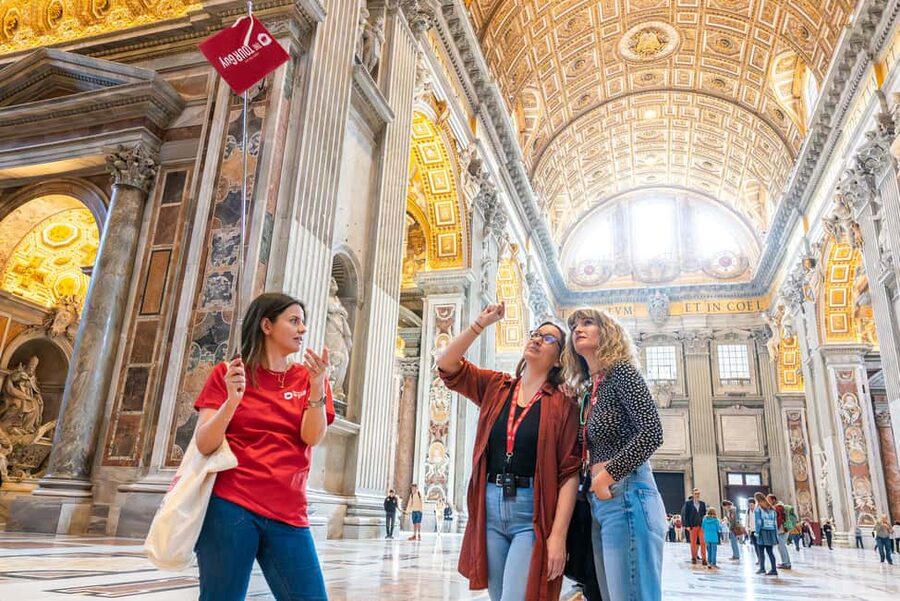
- Skip-the-line entry that gets you past the worst ticket bottlenecks and into the Museums faster
- Belvedere to Pio Clementino flow, so you get context for what you’re seeing as you go
- Gallery of Maps, Candelabra, and Tapestries, with a guide pointing out what to look for
- Raphael Rooms + School of Athens, one of the fastest ways to understand Renaissance ideals
- Sistine Chapel in about 15 minutes, timed for the key fresco moments without dragging
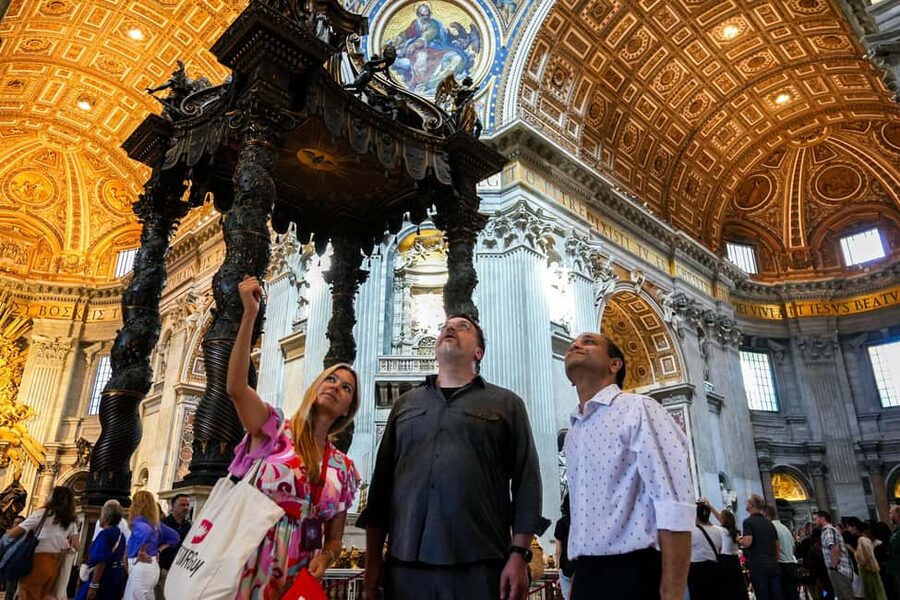
- Scala Regia reserved entrance into St. Peter’s Basilica, including famous works like La Pietà and Bernini’s Baldacchino
Why skip-the-line at the Vatican actually changes your day
The Vatican Museums are huge, and crowds turn good plans into long waits fast. Even with tickets, you still have to deal with strict entry checks and security, but skip-the-line gets you into the experience with far less dead time.
The biggest value here is not just speed. It’s mental bandwidth. When you start moving right away, you can pay attention to what you see—style, stories, symbolism—instead of burning energy in lines you can’t control.
Expect airport-style security on site, and during high season the wait at security may be up to 30 minutes. That’s real. The good news is the tour still helps reduce the rest of the friction.
You can also read our reviews of more museum experiences in Rome
Meeting point: how to find your guide without stress
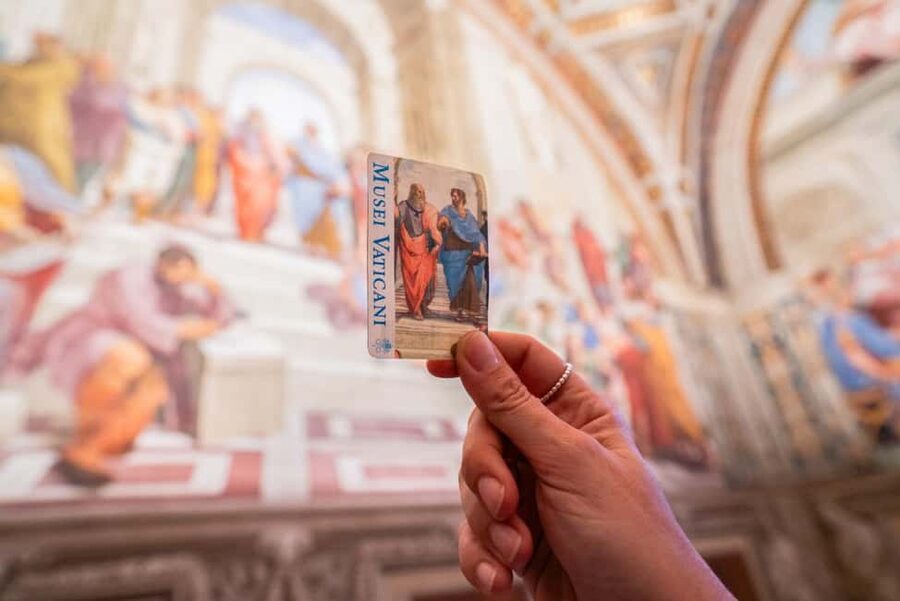
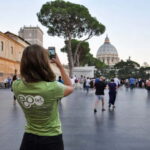
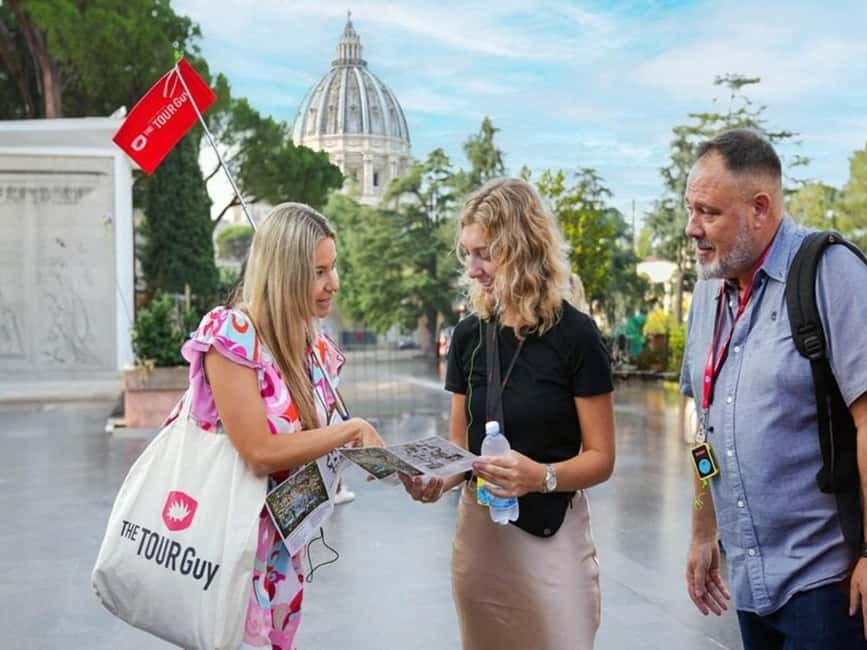
You meet at the top of the big staircase between Tmark Hotel Vaticano and Caffé Vaticano. Your guide (or a representative) holds a sign reading The Tour Guy.
The tour also lists Viale Vaticano, 100 as the starting location. Practically, that means build in a few minutes to walk there, then get yourself lined up early. You want to arrive calm because the Vatican punishes late starts with faster lines.
Once you’re in the group, follow the leader closely. These sites are confusing even when you know them from photos, and the timing matters.
Vatican Museums highlights: from Cortile del Belvedere to Museo Pio Clementino
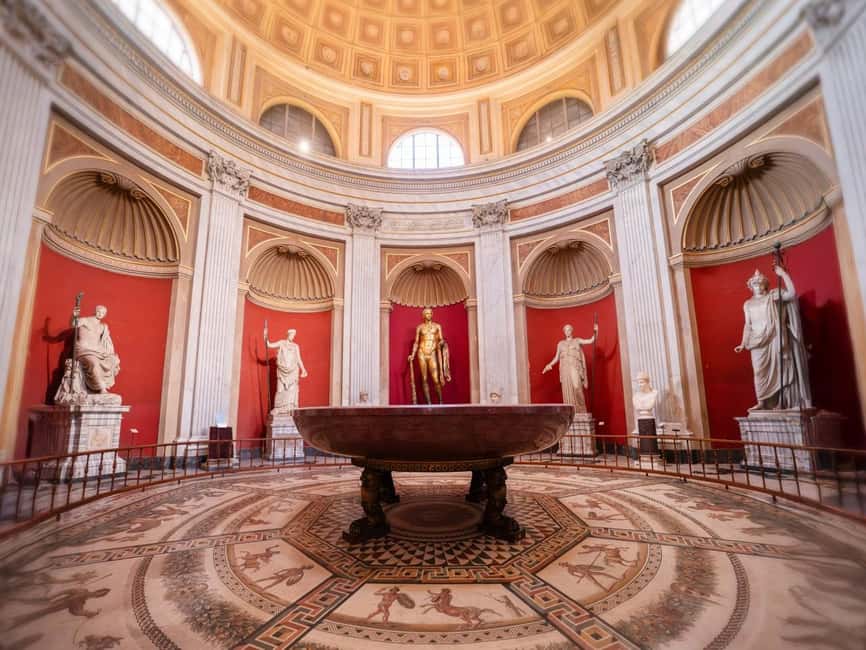
Your guided time focuses on the most meaningful Museum spaces instead of trying to cover everything. The route commonly starts at Cortile del Belvedere—a courtyard that helps you orient yourself in Vatican space before you dive into galleries.
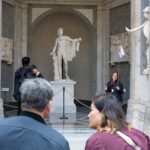
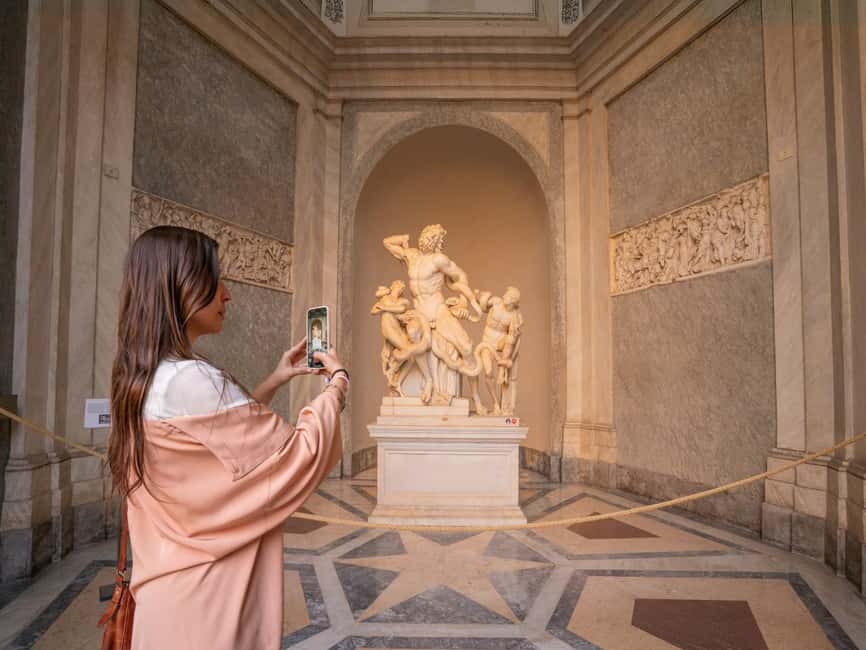
From there you move into Museo Pio Clementino, one of the great sculpture collections tied to the Vatican’s collecting history. This is where the tour’s guided format matters: a guide can point out what to notice in sculpture that otherwise blends together when you’re only scanning.
The advantage of a structured route is that you’re not just “looking at marble.” You’re learning what kind of classical forms the Vatican prized, and why certain pieces mattered to later artists and patrons.
Gallery of the Candelabra: what to look for when you only have minutes
The Gallery of the Candelabra is famous for its dramatic setting and repeating sculptural forms. On a quick self-guided visit, it can feel like one more long hall. With a guide, it becomes easier to read the room.
Think of this stop as a reset for your eyes. You’re training yourself to notice how the Vatican stages art as a sequence: ceiling rhythms, light, and visual patterns that guide where your attention lands next.
If you’re the type who forgets everything after ten minutes in a museum, this is the kind of hall that benefits from someone calling out the key details.
Gallery of Maps and the Ignazio Danti detail that sticks
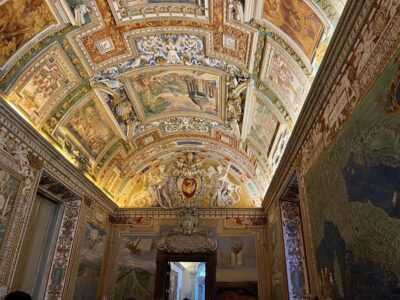
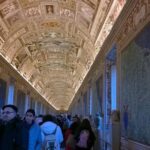
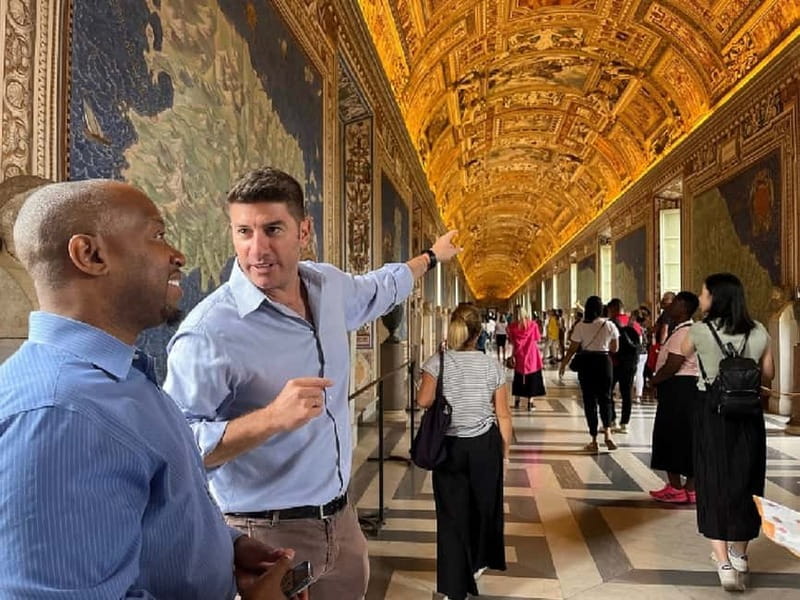
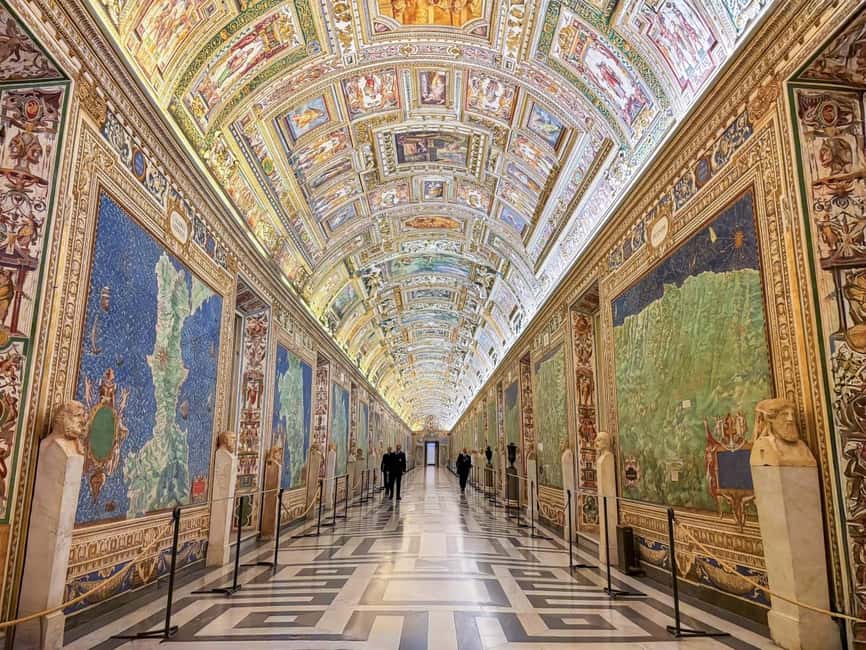
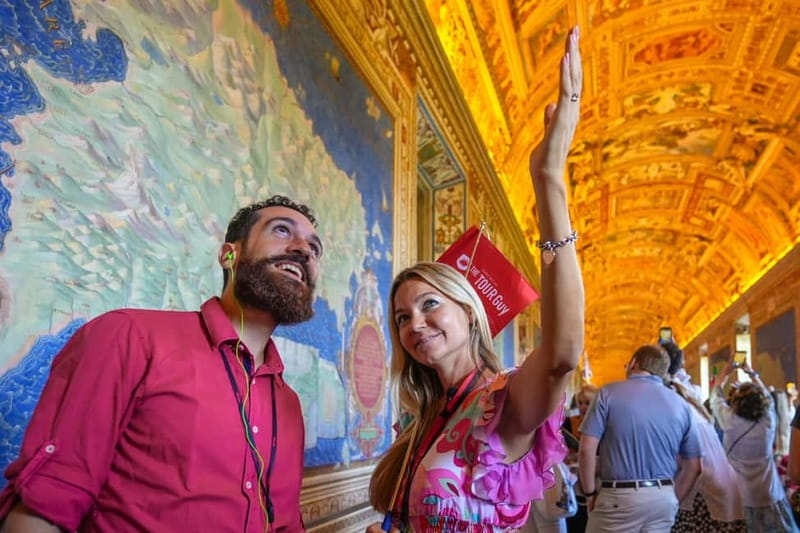
The Gallery of Maps is one of the most memorable moments on this itinerary, because it’s not just “paintings on a wall.” It features painted topographical maps of Italy by Dominican friar Ignazio Danti.
This is a smart inclusion for a short tour. It connects art to how people in Renaissance-era Italy pictured their world. You see how geography, power, and education all showed up in visual form.
When you get to this gallery, slow down even if the group is moving. You’ll appreciate it more when you give your eyes a chance to connect real places to what you’re seeing on the walls.
A few more Rome tours and experiences worth a look
Gallery of Tapestries: why the guide matters here
The Gallery of Tapestries is where the tour’s “small group with an expert guide” promise becomes practical. Tapestries are detailed, and without direction it’s easy to miss the threads of meaning—how images are organized, what’s emphasized, and why certain scenes were chosen.
Even if you don’t care about textiles specifically, this room helps you understand how the Vatican used visual storytelling to project ideas. That context makes later art stops feel less random.
This is also a good place to ask quick questions. If your guide mentions what each panel is trying to communicate, you’ll get more than just “pretty art” out of it.
Raphael Rooms and School of Athens: the Renaissance in one place
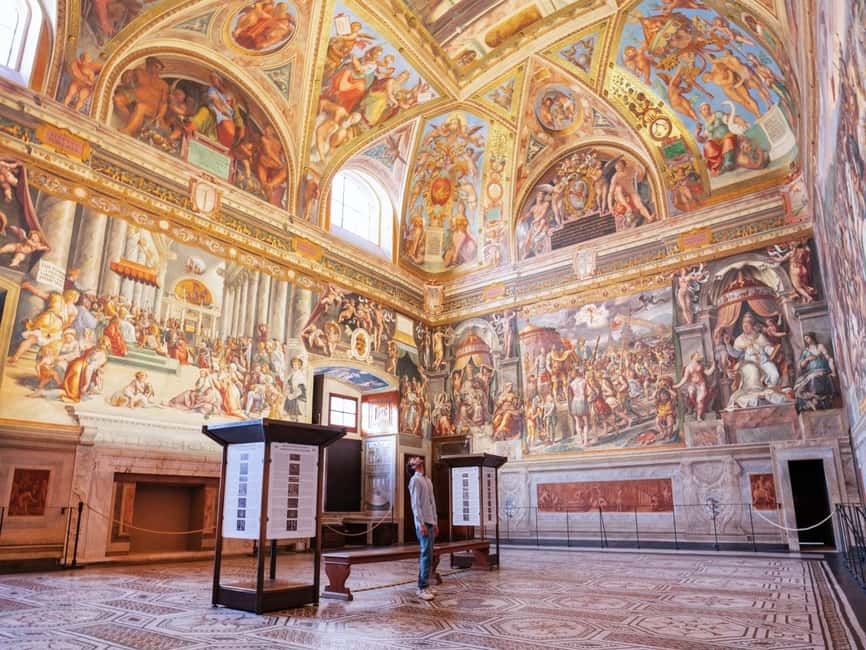
Next you enter the Raphael Rooms, built for fresco storytelling across themes of classical thought and Renaissance ideals. The highlight here is Raphael’s School of Athens.
This is the part of the tour that many people say clicks. It’s not only because the fresco is famous. It’s because a guide can connect what you’re seeing to what the Renaissance valued: philosophy, science, politics, and how artists used images to argue ideas.
You’ll likely find yourself pausing more here than earlier rooms. That’s normal. The paintings reward you for looking longer than you expect.
Also, keep your posture mindful. These rooms encourage steady looking, but you’ll be in a crowd. Give yourself room to see without bumping shoulders with the person behind you.
Sistine Chapel timing: 15 minutes, silence, and big ceilings
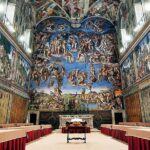
The tour’s Sistine Chapel visit is about 15 minutes. That’s short enough to keep the flow efficient, but long enough to take in the key moments when you focus.
Here’s what helps: arrive ready to look upward. The chapel experience is about scale and composition, and once you see how the space is built, the frescoes make more sense.
Be prepared for rules. The Sistine Chapel is a place of reverence, and photography can be restricted. One useful tip from the guide style on this tour: you’ll be reminded to keep a respectful pace so you don’t end up fighting the crowd for a clear view.
One real risk is closure. The tour notes the Sistine Chapel can be subject to unforeseen closure for religious or political events. If that happens, your route can change.
St. Peter’s Basilica via Scala Regia: the royal stair shortcut
After the Sistine Chapel, you continue to St. Peter’s Basilica using a reserved entrance called Scala Regia, Latin for Royal Staircase. This is specifically aimed at helping you avoid the long lines that often form to enter the Basilica.
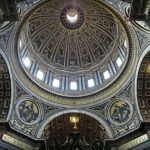
Once inside, the tour focuses on top works. You’ll see major highlights including Michelangelo’s La Pietà and Bernini’s dramatic Il Baldacchino altarpiece.
This entrance detail matters because St. Peter’s is its own maze. When the group flows through the right corridors, you get more time in the spaces that matter and less time recalculating where you are.
There’s also a schedule caveat: on Wednesdays, the tour says it is unable to visit St Peter’s Church due to mass, and the guide makes up by visiting more sites inside the Vatican Museums.
So if St. Peter’s is your #1 goal, consider choosing your day carefully.
Walking, stairs, and where this tour really fits
This tour runs for 3 hours with a lot packed in. The Museums are big, and the Vatican is built for crowds, not for quick detours. You’ll move between rooms and sit nowhere long, so comfort shoes are non-negotiable.
It also isn’t listed as accessible for wheelchairs, strollers, or baby carriages. That doesn’t mean families can’t go—it means the experience is structured around walking and crowd flow.
One practical takeaway from people who’ve done it: if you’re traveling with kids or someone who moves slowly, the group pace can become the limiter. One guide can manage the group well, but you still have to respect what the itinerary promises and what the crowds allow.
If you want a relaxed, slow museum day, this tour may feel too compressed. If you want maximum Vatican highlights in a short window, it’s the right speed.
Price and value: is $109 worth it
At $109 per person, you’re paying for three big things: skip-the-line access, an English-speaking guide, and a timed route that helps you avoid wasting hours figuring things out on your own.
Yes, it’s not cheap. But consider what your money buys. The Vatican Museums alone can swallow a whole day, and without a guide you’re likely to miss what you’re looking at. With this tour, the guide steers you toward the major rooms—Pio Clementino, Candelabra, Maps, Tapestries, Raphael Rooms—and explains the connections so you leave with more than photos.
Also, there’s a communication upgrade: headsets are provided from 6+ participants. That matters in the Vatican, where crowd noise can drown out your guide.
The only strong value warning is the potential for closures or reroutes. The tour already flags that the Sistine Chapel can close unexpectedly, and St. Peter’s access can be affected on Wednesdays. If you’re booking solely for a single altar or fresco, factor in that day-of changes can happen.
Practical tips before you go (so you don’t waste time at the door)
Dress code is required. You’ll need knees and shoulders covered for both men and women. That means no shorts, no short skirts, and no sleeveless shirts.
On top of that, the tour says oversize luggage and large bags aren’t allowed. Pack light so you don’t spend precious energy at bag checks.
Bring a passport or ID card. The tour also lists a student card as something to have, in case your travel setup involves it.
Finally, security can mean waiting. Plan your arrival with buffer time, then use that time to get comfortable standing for a while. This is a “look up, walk a lot, and keep moving” day.
Should you book this Vatican Museums, Sistine Chapel, and Basilica tour
Book it if you want a short, well-paced route that hits the big masterpieces without spending your day in lines. The reserved Scala Regia entrance and the skip-the-line Museum access are the kind of perks that feel worth it fast.
Don’t book it if you’re sensitive to crowds, struggle with walking and stairs, or need a fully accessible experience. Also think twice if your schedule is flexible enough that you can choose a day that doesn’t trigger Wednesday rerouting.
My rule of thumb: if you want the Vatican’s art to make sense in context, and you’re okay moving quickly, this tour is a strong fit. If you prefer slow wandering and deep museum time on your own, you’ll likely enjoy a different style of visit more.
FAQ
How long is the tour?
It lasts about 3 hours.
Where is the meeting point?
You meet at the top of the big staircase between Tmark Hotel Vaticano and Caffé Vaticano, with a representative holding a sign that says The Tour Guy.
Does the tour include skip-the-line entry?
It includes skip-the-line tickets for the Vatican Museums if that option is selected. It also includes skip-the-line entry through Scala Regia if that option is selected.
Are the Sistine Chapel and Raphael Rooms included?
The tour includes entry to the Sistine Chapel and visits to the Raphael Rooms and Pinecone Courtyard if those options are selected.
Is St. Peter’s Basilica always visited?
Not always. On Wednesdays, the tour notes it is unable to visit St Peter’s Church due to mass, and the guide replaces it with more sites inside the Vatican Museums.
What if the Sistine Chapel is closed?
The tour notes the Sistine Chapel can be subject to unforeseen closure for religious or political events.
What is Scala Regia?
Scala Regia is a reserved entrance called the Holy Staircase, Latin for Royal Staircase, designed to help you skip long lines into St. Peter’s Basilica.
What do I need to bring?
The tour lists a student card and a passport or ID card.
What should I wear?
You must follow a dress code: cover knees and shoulders. The tour also lists that shorts, short skirts, and sleeveless shirts aren’t allowed.
Is the tour wheelchair accessible?
No. The tour is not accessible for wheelchairs, strollers, or baby carriages.
Does the tour have headsets?
Headsets are provided from 6+ participants.