REVIEW · KOH SAMUI
Koh Samui Elephant Home Sanctuary and the first Elephant Museum
Book on Viator →Operated by Samui Elephant Home · Bookable on Viator
Elephants have a way of changing your mood fast. This tour mixes Samui’s Elephant Museum with a hands-on seed bomb conservation activity, and it all ends with a calm jungle walk to watch elephants act like elephants. I love the ethics and care here, and I love that the museum explains what changed over time, not just what you can pose beside. A possible drawback: you may feel like you spend a chunk of the day at the site itself, since the museum portion can take a while and there can be some driving to get there.
Guides like Katie and Angie keep the tone friendly and practical, with lots of time for questions. The group size stays small (maximum 20), so you’re not stuck in a crowd while you’re learning. I also appreciate the little comfort wins: cool water on hand and very clean toilets, which matters when your day is mostly outdoors.
In This Review
- Key highlights you’ll actually feel
- Entering Samui Elephant Home: what this place is trying to do
- Stop 1: Seed bombs and the practical side of conservation
- Stop 2: Koh Samui’s first Elephant Museum (and why the theme works)
- Stop 3: The jungle walk—watching elephants do their own thing
- The guide makes a difference: Katie and Angie’s Q&A energy
- Time, logistics, and the comfort details that matter on-site
- Price and value: why $65.18 can make sense
- Who this tour suits best (and who might want to skip)
- Should you book Koh Samui’s Elephant Museum and Sanctuary walk?
- FAQ
- FAQ
- How long is the Koh Samui Elephant Home and Elephant Museum tour?
- How much does it cost per person?
- Does the tour include pickup?
- Is there a mobile ticket?
- What’s included in the stops?
- Is there a group size limit?
- Where does the tour start and end?
- What is the cancellation policy?
- When will I get confirmation after booking?
Key highlights you’ll actually feel
- Koh Samui’s first Elephant Museum with a clear theme: The Elephant’s Legacy, Traces of Time, Steps of Change
- Hands-on seed bomb building with clay and native seeds, then launching them with a slingshot
- A jungle walk focused on behavior, including how elephants cool off by playing in mud
- A small group cap (20) for a calmer pace and better guide attention
- Ethical sanctuary approach, caring for elephants rescued from circus, logging, and being ridden
- Comfort extras like plenty of cold water and very clean restrooms
Entering Samui Elephant Home: what this place is trying to do
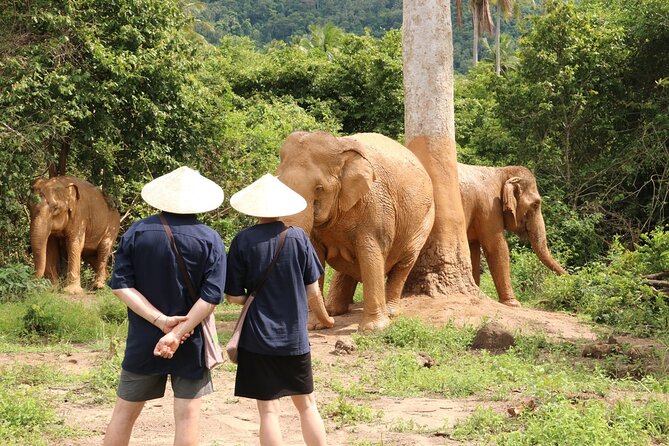
If you care about where your animal encounters come from, this stop is a big part of the appeal. The sanctuary experience starts with an orientation at Samui Elephant Home, where you get the basics on how the elephants are kept and why the whole approach is about welfare first. It’s not a rush-through. You settle in, then you get moving into the day’s main activities.
From the start, I liked how the tour frames elephants as part of Thai culture, not as props. The museum portion later makes the point more explicitly, but even at this early stage, the message is consistent: you’re here to learn and to support care, not to collect a quick photo.
You’ll also be doing something immediately. About halfway through this first block, you switch from listening to doing. You make seed bombs from clay and native seeds, which the tour describes as food planted for elephants in the future. That hands-on moment matters, because it turns your concern into action. It also gives you a quick break from pure observation.
Stop 1: Seed bombs and the practical side of conservation
This first segment is about 30 minutes, and it works for two reasons. First, it sets the ethics and context before you ever step into the elephant area. Second, it keeps your hands busy, so the experience doesn’t feel passive.
You form seed bombs using clay mixed with native seeds. Then you connect the dots: those seeds are not just for show. The tour ends up with you launching them into the forest using a slingshot, to help restore habitat. The idea is simple, and that simplicity is good. You’re not asked to pretend you’re an environmental scientist. You’re contributing to a practical step in habitat support.
One small thing to consider: if you’re not thrilled by messy activities, this part can get a little tactile. That said, the tour gives you what you need, and it’s short enough that you won’t feel stuck.
Stop 2: Koh Samui’s first Elephant Museum (and why the theme works)

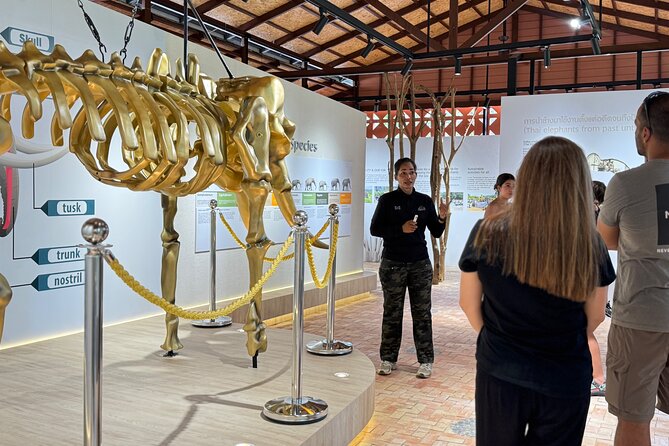
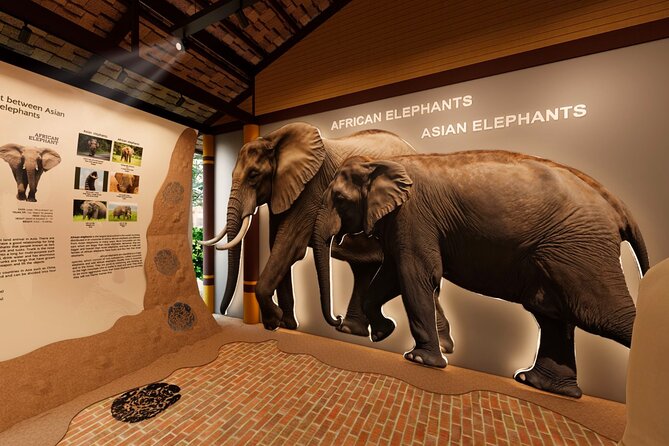
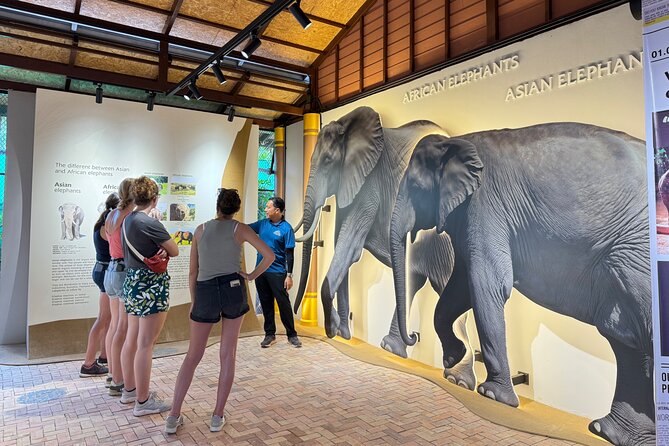
Next comes the museum, also around 30 minutes. This is Samui’s first and only Elephant Museum, and it has a clear concept: The Elephant’s Legacy, Traces of Time, Steps of Change. That theme helps you understand the elephants as a story—how humans used them, how that use shifted, and what that means for modern care.
What I like about the museum format is that it’s built for learning, not just walls and labels. You get interactive elements and historical-style displays that connect elephant life to Thai culture. It’s a good pace for families too, because you can keep moving through the space without feeling like you’re stuck in a classroom.
Also, museum time can sometimes feel like filler on animal tours. Here, it doesn’t. The later jungle walk is much more meaningful if you’ve already heard the basic background on elephant behavior and their relationship to people.
A practical note: a short museum plus outdoor time is an easy mix, but the museum itself can feel long if you’re expecting instant elephant action. If you’re sensitive to downtime, go in with the right expectations. Treat it like the educational engine of the day.
Stop 3: The jungle walk—watching elephants do their own thing
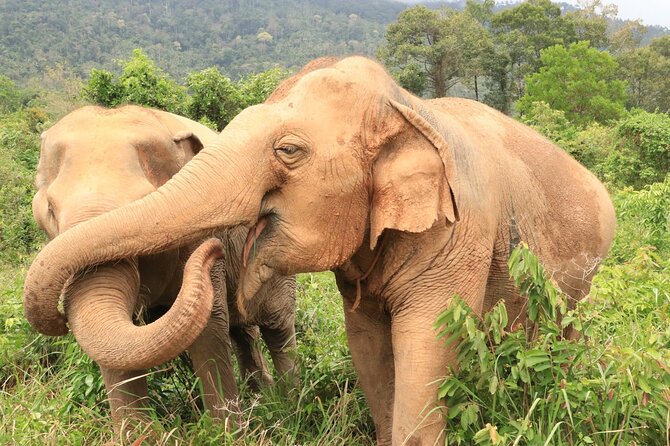
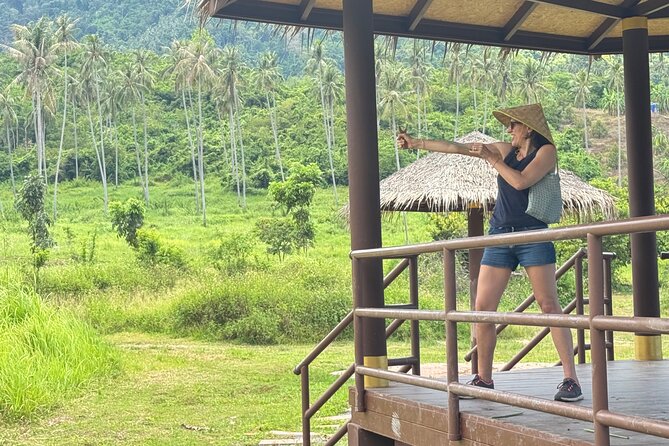
The final main segment is the jungle walk, about 1 hour. This is where the day turns quiet and observational in the best way. You walk alongside free-roaming elephants, and the tour focuses on real habitat behavior rather than showmanship.
The highlights are the normal behaviors you don’t get in entertainment-style settings. You’ll observe how elephants play mud to cool down. You’ll also get the chance to watch the rhythm of movement—how they pause, explore, and interact with the environment as the day unfolds around them.
This is also where the earlier museum and orientation pay off. When you already know what you’re looking for, you spend less time wondering and more time noticing. And because the group stays capped at 20, you’re less likely to feel crowded, which helps you keep your attention on the elephants instead of your surroundings.
Then comes the conservation action. After the observation time, you launch your seed bombs into the forest using a slingshot. It’s a hands-on finale that turns learning into something tangible. You’re not just told to care—you do a small part of habitat support in a way that feels memorable.
The guide makes a difference: Katie and Angie’s Q&A energy
A big reason this tour scores so highly is the human side. Guides such as Katie and Angie are described as friendly, funny, and very good with questions. That matters because elephant tours can raise lots of natural concerns: welfare, daily routines, why these elephants are here, and what ethical sanctuary care really looks like.
When a guide takes your questions seriously, you leave with more than a nice morning. You leave with a clearer view of why the choices here are ethical and how the sanctuary supports the elephants in retirement.
If you want to make the most of the day, use that. Ask what the museum exhibits are pointing to, and ask what the elephants’ behavior in the jungle is telling you. The tour is set up for conversation, not just watching.
Time, logistics, and the comfort details that matter on-site
The tour runs about 2 hours 30 minutes. That’s long enough to include the museum and a real walk, but short enough that you don’t need a full day commitment.
Pickup is offered, and you’ll use a mobile ticket. If you’re optimizing your Koh Samui schedule, that’s handy. It also means you can plan around other activities without building in extra transport buffer time.
The meeting point is Samui Elephant Home on Na Mueang (address listed by the operator), and the activity ends back at the meeting point. Near public transportation, and most travelers can participate. If you’re traveling with family, the experience is designed to be educational and family-friendly, and the pace supports that.
On the comfort side, I really appreciate that there’s lots of cold water and very clean toilets. Elephant days are outdoors and warm, so you want basics handled well. These are the details that make ethical experiences feel easier to enjoy.
Price and value: why $65.18 can make sense

At $65.18 per person, this isn’t a budget activity. But it doesn’t feel overpriced for what you get. You’re paying for three things that most cheap animal outings don’t bundle together:
1) Museum education tied to elephant culture and change over time
2) Hands-on conservation work (seed bombs and slingshot planting)
3) A guided jungle walk focused on welfare and behavior
You’re also paying for a small-group setup, with a max of 20 travelers. That matters for quality. When someone’s learning and helping with conservation, you want time for questions and a calmer atmosphere.
If you’re choosing between a quick elephant encounter and something that teaches and contributes, this fits better. You’re leaving with a story you understand, not just a moment you remember.
Who this tour suits best (and who might want to skip)
This is a great fit if:
- you want an ethical sanctuary experience focused on conservation
- you enjoy learning, especially when it connects culture and animal behavior
- you like hands-on activities more than passive observation
- you travel with kids and want an educational outing that still feels special
It might be less ideal if:
- you hate waiting around for indoor sections, since the museum portion can take time
- you’re very sensitive to any driving and prefer activities close to where you’re staying (there can be a long drive to reach the site, depending on your base)
Either way, if you care about doing the right thing with elephants, this tour is built around that.
Should you book Koh Samui’s Elephant Museum and Sanctuary walk?
I’d book it if your priority is ethical treatment plus real education. The museum gives you context, the jungle walk gives you behavior to watch, and the seed-bomb conservation activity gives you a clear way to help. Add in the small group size, helpful guides like Katie and Angie, and the practical comfort touches (cold water and clean toilets), and you’ve got a strong value package.
I’d think twice only if your schedule is tight and you can’t afford time on-site, or if you’re mainly chasing immediate elephant interaction with minimal waiting. Otherwise, this is the kind of experience that makes your compassion feel grounded in action.
FAQ
FAQ
How long is the Koh Samui Elephant Home and Elephant Museum tour?
It runs for about 2 hours 30 minutes.
How much does it cost per person?
The price is $65.18 per person.
Does the tour include pickup?
Pickup is offered.
Is there a mobile ticket?
Yes, a mobile ticket is included.
What’s included in the stops?
Admission tickets are included for the museum and the experience parts at Samui Elephant Home.
Is there a group size limit?
Yes. The activity has a maximum of 20 travelers.
Where does the tour start and end?
It starts at Samui Elephant Home (11 8, Tambon Na Mueang, Amphoe Ko Samui, Chang Wat Surat Thani 84140, Thailand) and ends back at the meeting point.
What is the cancellation policy?
You can cancel for free up to 24 hours in advance for a full refund.
When will I get confirmation after booking?
Confirmation is received at the time of booking.