REVIEW · RIO DE JANEIRO
Rio: Olympic Boulevard, Museum of Tomorrow & History Tour
Book on GetYourGuide →Operated by C2RIO TOURS & TRAVEL · Bookable on GetYourGuide
Rio’s Downtown tells two stories fast. It mixes African heritage, Olympic-era modern art, and sci-fi architecture in one tight 4-hour loop. You start at Valongo Wharf, then move through the city’s public art and end at Confeitaria Colombo for classic Brazilian treats.
Two things I like: first, the itinerary connects big themes (migration, future tech, Baroque faith) without making it feel like a textbook. Second, the pace is manageable for a walking tour, and you get time at the Museum of Tomorrow to take it in on your own.
One drawback to plan for: it’s a moderate walk and it’s rain or shine, so comfortable shoes matter. Also, good guides can make or break the day—pick a meeting point with confidence and keep your eye on the group schedule.
In This Review
- Key highlights worth your attention
- Valongo Wharf: start in Downtown with the African influence story
- Eduardo Kobra’s massive mural: street art that reads like history
- Olympic Boulevard to Museum of Tomorrow: sci-fi architecture with real questions
- Monastery of Saint Benedict: Baroque gold after modern tech
- Rio 2016 Olympic Cauldron and Praça XV: modern sport meets empire-era streets
- Confeitaria Colombo finish: art nouveau dining and classic Brazilian snacks
- Price and Logistics: what $67 buys you in real time
- Who this Downtown Rio tour suits best (and who should skip)
- Should you book this Rio: Olympic Boulevard, Museum of Tomorrow & History Tour?
- FAQ
- How long is the Rio Olympic Boulevard, Museum of Tomorrow & History Tour?
- How much does the tour cost?
- What’s included in the price?
- Are food and drinks included?
- Where does pickup happen?
- What time does pickup start?
- How many people are in the group?
- Is the tour only indoors?
- Does it run in bad weather?
- Is Confeitaria Colombo open every day?
- Are minors allowed?
Key highlights worth your attention
- Valongo Wharf sets the historical tone, tied to African influence in Brazil
- Eduardo Kobra’s mural adds scale and color with five ethnic groups in geometric form
- Museum of Tomorrow pairs you with modern science ideas and gives room to explore your way
- Monastery of Saint Benedict switches mood hard, from clean lines to Baroque gold
- Confeitaria Colombo finishes with art nouveau glamour and classic bites like coxinha and brigadeiro
Valongo Wharf: start in Downtown with the African influence story
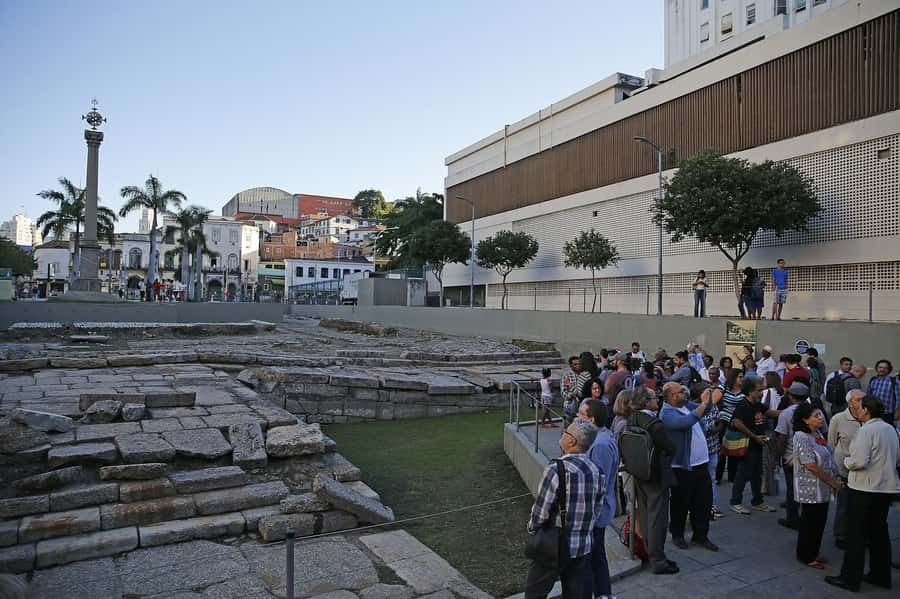
The tour starts by picking you up in Rio’s South Zone (Copacabana, Ipanema, Leblon, and Leme). Then you head straight into the Downtown setting, where the history feels present—not dusty. Your first stop is Valongo Wharf, the latest UNESCO World Heritage site in the city.
Here’s what I find useful: this is one of those places where the guide can explain how African influence shaped Brazil, not just as a vague “culture thing,” but as a real, historical force tied to Rio’s development. You’ll walk in the area and get context before you move on to street art and futuristic architecture. It makes the rest of the tour land better.
If you’re the type who likes connecting dots—who, how, and why—this opening is a strong move. You’re not just collecting photo stops; you’re building a story in the order Rio presents it.
You can also read our reviews of more historical tours in Rio De Janeiro

Eduardo Kobra’s massive mural: street art that reads like history
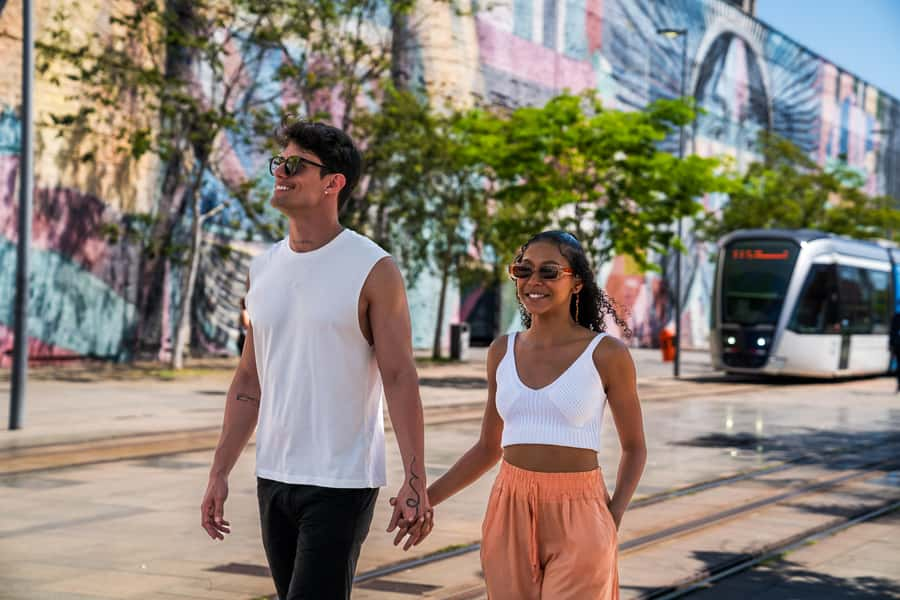
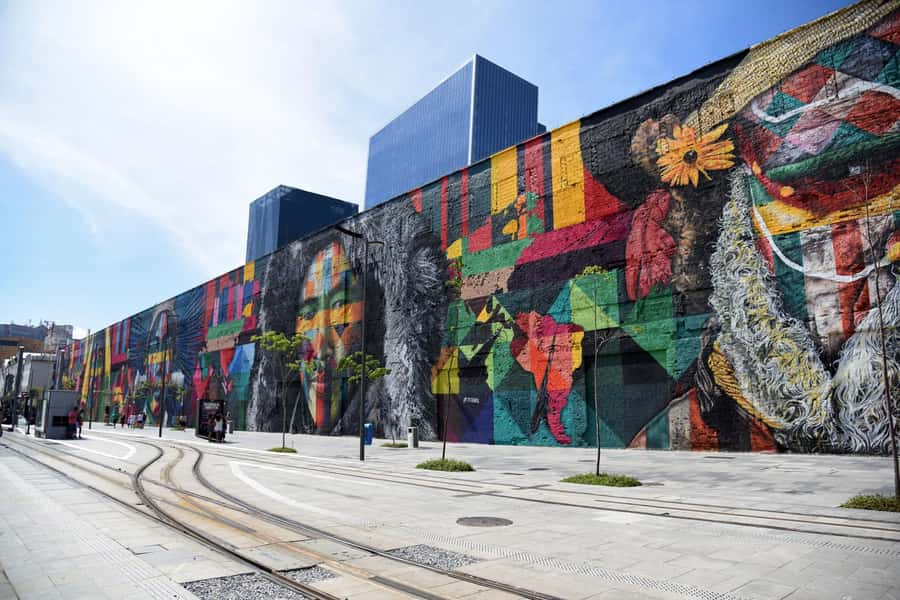
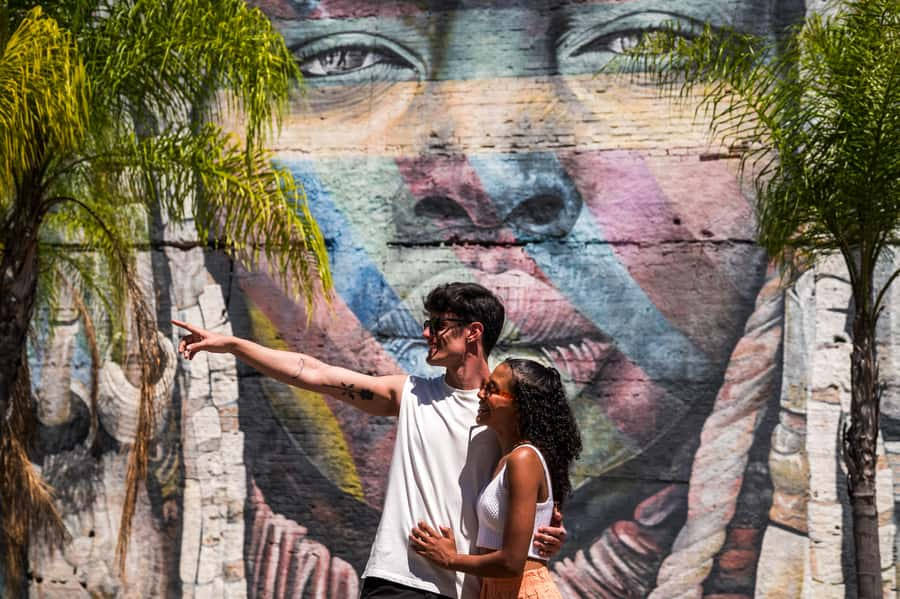
Next, you’ll go to the Eduardo Kobra mural, one of the largest graffiti murals in the world. It uses a colorful geometric background and portrays five ethnic groups, so it isn’t just “wow, big wall.” The whole design is built for recognition and meaning.
This stop is especially good if you’re traveling with people who usually skip street art. Kobra’s style is bold enough that even non-art fans tend to pause for longer than planned. And because it’s outdoors, it’s also a great energy reset after the museum-focused schedule.
Practical tip: bring your phone and set yourself up for photos quickly. This is the kind of mural that looks great from several distances, so quick test shots can save you time later.
Olympic Boulevard to Museum of Tomorrow: sci-fi architecture with real questions
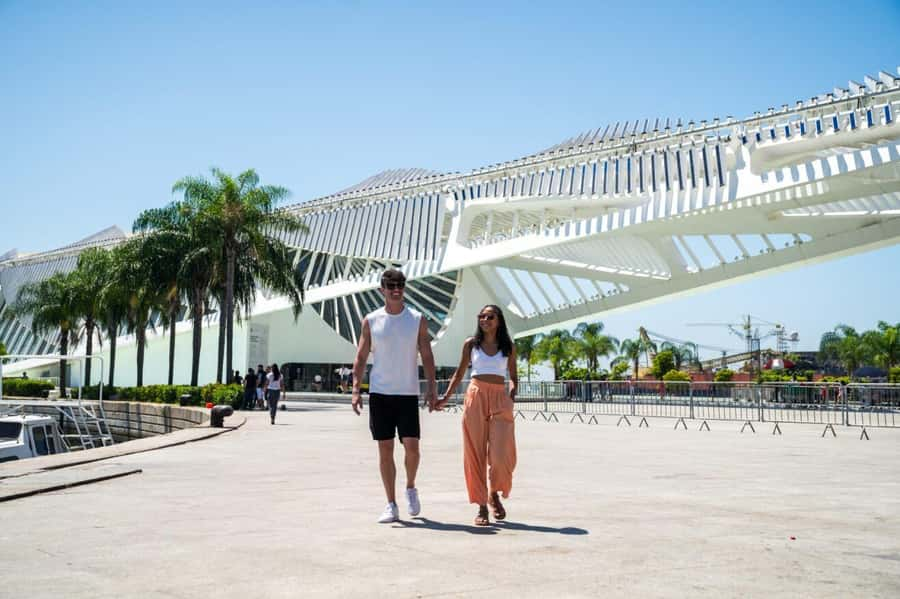
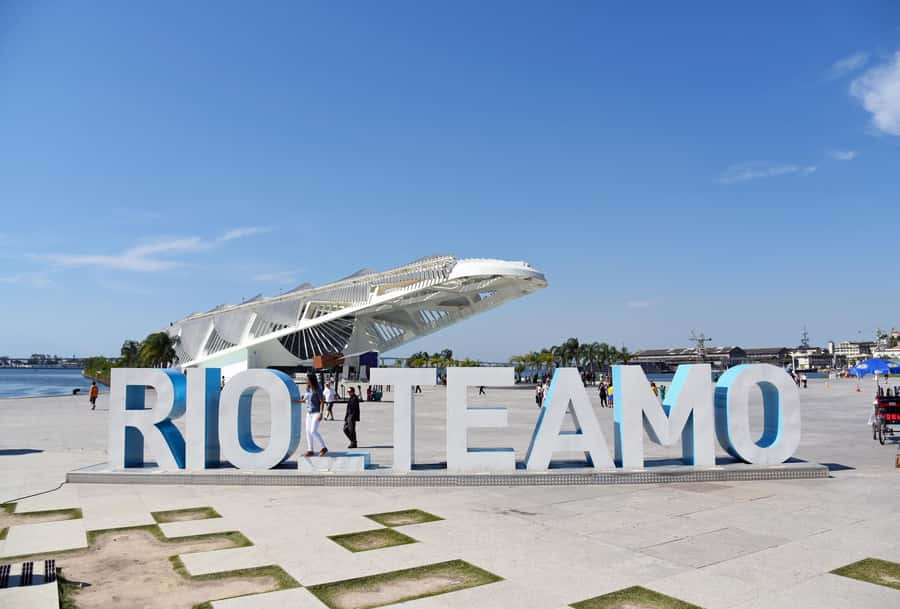
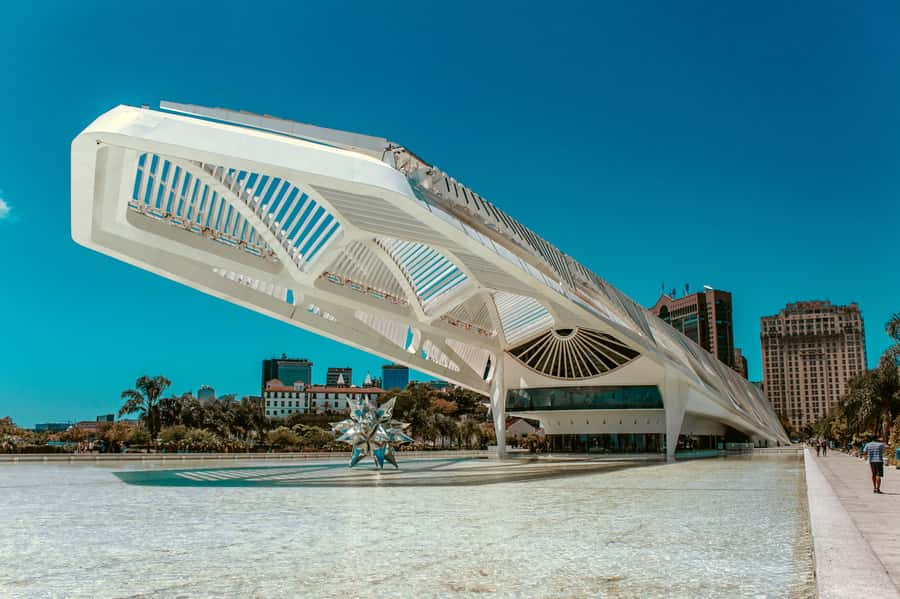
After the mural, you walk along Olympic Boulevard toward one of Rio’s most important “future-thinking” stops: the Museum of Tomorrow. The building itself does a lot of the work. It’s modern, technological, and designed so you can feel the museum is about how people imagine the planet’s future.
One of the best things about this museum stop is the freedom to explore. In the better guide experiences I saw highlighted, the group was able to visit at their own pace inside, rather than being yanked along every minute. That matters here, because you’ll want time to read, watch, and decide what to linger on.
What I like about the Museum of Tomorrow is its focus on questions—how we build the future of the planet and mankind. It’s a science museum, but it doesn’t feel like a school field trip. It’s more about thinking through consequences and choices.
You should budget enough attention here that you don’t rush your way through. The outside is the fast wow; the inside is the slow meaning.
Monastery of Saint Benedict: Baroque gold after modern tech
Then the tour flips tone. You’ll visit the Monastery of Saint Benedict, where the façade is simple, but the interior is covered in gold ornaments from the Baroque period.
This contrast is the kind of detail that turns a standard “sightseeing day” into something memorable. You’ll walk from futuristic science into a religious interior that’s all about craftsmanship and visual impact. It also helps you understand Rio’s mix of eras without feeling like you’re changing cities.
If you’re worried the museum will be too much “science talk,” this stop is the emotional palate cleanser. It’s still cultural and interpretive, but the atmosphere is calmer and more reflective.
Wear shoes you can stand in comfortably. Interiors like this are best enjoyed slowly, not while bouncing on one foot to keep warm.
Rio 2016 Olympic Cauldron and Praça XV: modern sport meets empire-era streets
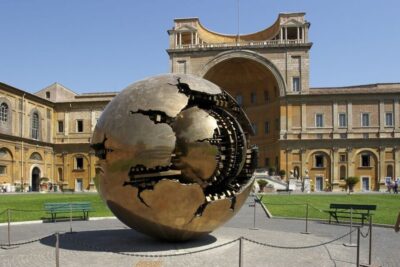
Before you move deeper into Rio’s historical streets, you’ll see the Rio 2016 Olympic Cauldron, created by American artist Anthony Howe. The reflective, kinetic, spherical structure is the reminder of the Games—but the guide’s job is to connect it to why this kind of modern landmark matters in a city with so much older built history.
After that, you’ll reach Praça XV, where you can see a former headquarters of the Brazilian empire and learn what important Brazilian history happened in this area. This part works well if you like learning why specific squares and streets became power centers.
I also appreciate that the tour doesn’t treat Downtown as one long march. You get stops that feel different from each other: art, science, religion, then public civic history. That variety helps the day stay interesting even if you’re not a museum person.
You can also read our reviews of more museum experiences in Rio De Janeiro



Confeitaria Colombo finish: art nouveau dining and classic Brazilian snacks
You’ll end at Confeitaria Colombo, one of the “must-see cafés” from around the world. The key detail here is the look: art nouveau décor, huge stained glass, and tiles plus mirrors imported from France, Portugal, and Belgium. It feels like stepping into a well-preserved European-style interior in the middle of Rio.
Food and drinks aren’t included, but the tour gives you a perfect reason to try local classics at the end. You can taste Brazilian traditional snacks like coxinha de frango and sweets such as brigadeiro.
Two practical notes:
- Confeitaria Colombo is closed on Sundays, so the experience on that day will depend on your tour’s schedule.
- Since this is a real café stop, plan to spend a little time there even if you’re not ordering a full meal. The interior is part of the attraction.
If you’re traveling with someone who thinks museums are enough, Colombo usually converts them. Even a quick glance becomes a longer stay once you’re inside.
Price and Logistics: what $67 buys you in real time
At $67 per person for about 4 hours, what you’re really paying for is not just admission—it’s the guide’s sequencing and the ticketing support for the Museum of Tomorrow. You also get hotel pickup and drop-off in Rio’s South Zone within a specific window, plus a comfortable air-conditioned van for the group of up to 19.
That van part matters. Downtown can feel like a web, and moving between stops on foot alone would take longer and be less relaxing. The tour is designed so you can handle the walk portion without turning it into a marathon.
Keep your expectations realistic: this is a walking tour, not a bus-only loop. You’ll do enough steps that comfortable shoes are a must, especially if it rains. The tour runs rain or shine, so bring a small plan for weather—an umbrella or light rain layer.
Also, since the vehicle may handle more than one group on busy days, it’s smart to confirm timing and pay attention to your pickup/drop-off instructions.
Who this Downtown Rio tour suits best (and who should skip)
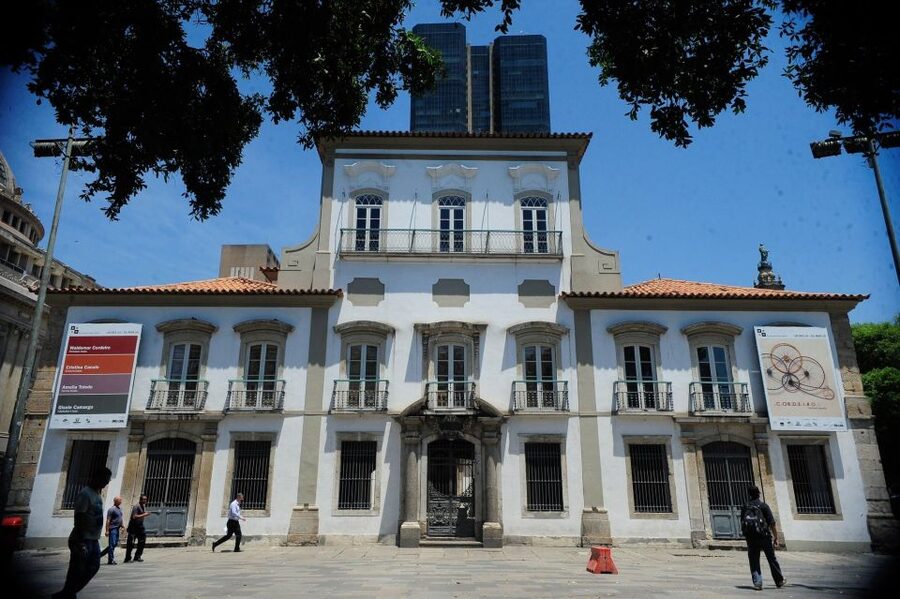
This tour fits you if you want a concentrated taste of Rio’s contrasts: African-rooted history at Valongo Wharf, bold public art at the Kobra mural, future tech at the Museum of Tomorrow, then a Baroque interior at Monastery of Saint Benedict, ending with a classic café experience.
It may not suit you if:
- you hate walking and long standing times (the itinerary includes moderate walking and an interior visit)
- you’re traveling with very young kids who can’t handle a structured group pace (unaccompanied minors aren’t allowed, and children must be with an adult)
If you’re a solo traveler or a couple, this is a nice way to get context fast without needing to plan a dozen separate tickets. With a maximum group size of 19, it generally stays personal.
And yes, the guide you get can influence the mood of the day. I saw examples of guides like Pedro, Emma, Emanuella, and others delivering strong explanations, while there were also clear cases where route confusion and rushed pacing made the experience worse. So it pays to arrive ready—be on time for pickup, listen at each transfer, and don’t assume you’ll be “caught up” later.
Should you book this Rio: Olympic Boulevard, Museum of Tomorrow & History Tour?
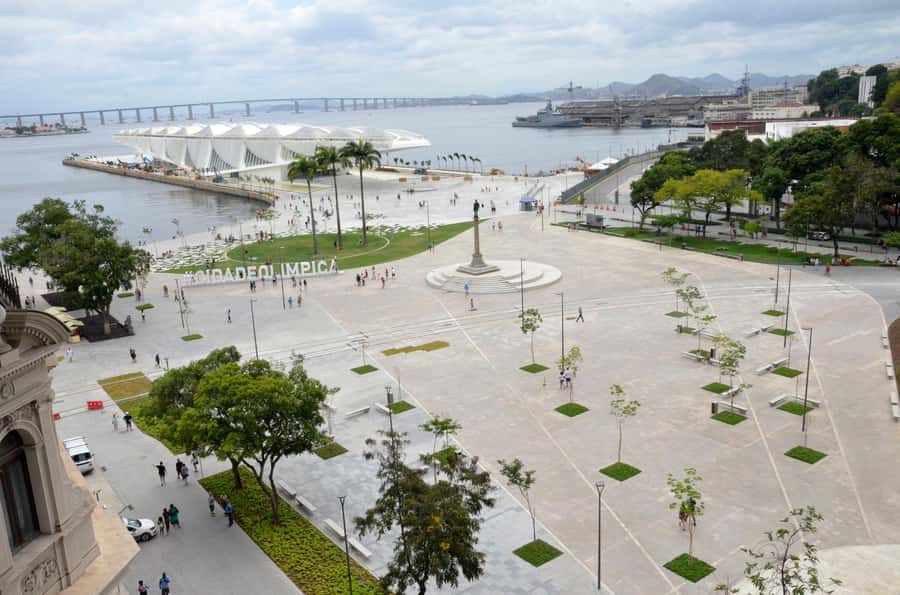
Yes, you should book if your goal is a high-value Downtown route that connects major Rio landmarks in a single half-day. For $67, you’re getting a guided plan, museum entry, and a logical story arc from African influence to future science to Baroque splendor and a proper café finish.
Skip it if you strongly prefer flexible, self-paced wandering with no group structure. This tour is built around set stops and guided commentary, so you’ll enjoy it most if you like learning as you walk.
If you’re on the fence, choose it for the mix: the Museum of Tomorrow plus the contrast of Monastery of Saint Benedict, then the photo-friendly stop at Kobra, ending in a place where you’ll actually want to sit down and try local food.
FAQ
How long is the Rio Olympic Boulevard, Museum of Tomorrow & History Tour?
It lasts about 4 hours.
How much does the tour cost?
The price is $67 per person.
What’s included in the price?
You get a guided half-day walking tour in Downtown Rio, all taxes and fees, Museum of Tomorrow tickets, a professional live guide (English/Spanish/Portuguese), and hotel pickup and drop-off from hotels in the South Zone.
Are food and drinks included?
No. Food and drinks are available for purchase at Confeitaria Colombo.
Where does pickup happen?
Pickup is available from hotels in Rio’s South Zone: Copacabana, Ipanema, Leblon, and Leme.
What time does pickup start?
Pickup is between 8:10 AM and 8:55 AM (you’ll be told the exact time for your hotel).
How many people are in the group?
There’s a maximum group size of 19 passengers.
Is the tour only indoors?
No. It’s a Downtown walking tour with multiple outdoor and indoor stops.
Does it run in bad weather?
Yes. The tour operates rain or shine.
Is Confeitaria Colombo open every day?
No. Confeitaria Colombo is closed on Sundays.
Are minors allowed?
Unaccompanied minors are not allowed, and children must be accompanied by an adult.