REVIEW · RIO DE JANEIRO
Museum of Tomorrow Guided Tour, Admission & Transfer
Book on Viator →Operated by Rio Carioca Tour Ltda · Bookable on Viator
Rio’s Museum of Tomorrow feels like the future, in steel. This guided tour combines guided time inside the museum with smart photo stops around Porto Maravilha, and it’s a great way to understand how science, art, technology, culture, and the environment connect. I like that you get organized transportation plus admission, so you don’t burn time figuring out logistics; I also like the museum’s hands-on, forward-looking exhibits that make sustainability feel personal. One thing to consider: if pickup is delayed, your in-museum time can shrink, so protect your schedule and keep an eye on your phone.
The group size is capped (small minivan with up to 19), which usually helps the experience feel human-scale rather than rushed. You’ll spend most of your time at the museum (about 3 hours), then enjoy quick but worthwhile stops for big-bay views and Olympic-era street art.
In This Review
- Key highlights to look for on this tour
- Museum of Tomorrow: the spaceship museum built for hard questions
- Why the Porto Maravilha setting makes the museum better
- Entering the exhibits: what you’ll experience inside
- Museum time plan: how to avoid feeling rushed
- Mauá Square: quick bay views and the Barão de Mauá story
- Boulevard Olímpico: Olympic-era street art and the Mural das Etnias by Kobra
- Transfers, timing, and group size: how the logistics shape your day
- Guides: what makes or breaks a museum tour
- Price and value: what your $58 includes and what it doesn’t
- Who this tour is best for
- Should you book it?
- FAQ
- How long is the Museum of Tomorrow guided tour?
- What’s included in the $58 price?
- Do I need to buy tickets separately for the museum?
- Is food or drinks included?
- Where do you meet for pickup?
- Is there an extra cost for pickup in Barra or Recreio?
- What if I need to show ID?
Key highlights to look for on this tour
- Museum of Tomorrow inside: interactive exhibits about how human choices shape the planet’s future
- Calatrava’s spaceship design: architecture you can spot from the waterfront area
- Porto Maravilha context: you see how the museum fits into Rio’s neighborhood renewal
- Guanabara Bay viewpoints at Mauá Square: plus the story behind Barão de Mauá
- Boulevard Olímpico street art stop: including the Mural das Etnias by Kobra
Museum of Tomorrow: the spaceship museum built for hard questions
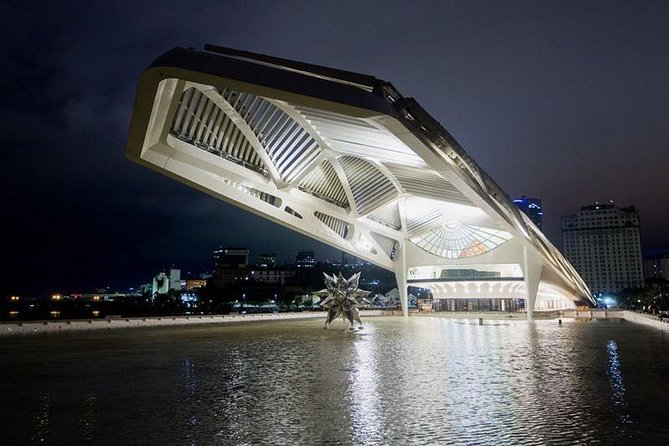
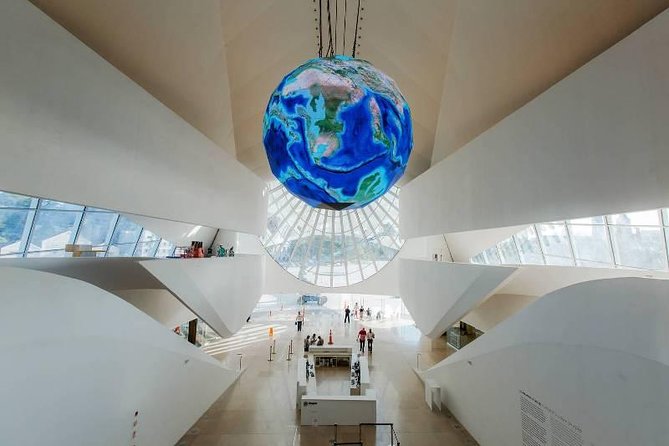
The star of this experience is Rio’s Museum of Tomorrow, a new, spaceship-like building designed by architect Santiago Calatrava. Even before you enter, the structure signals what the museum is trying to do: make you feel like you’re stepping into the next chapter of how people think about life on Earth.
Inside, the focus is on sustainability and the future of human existence. What I like about the exhibit style is that it doesn’t treat climate and environment as distant topics. The museum uses interactive elements to encourage you to connect causes and outcomes. You’re not just watching; you’re prompted to think through scenarios and trade-offs.
A strong theme is the way the museum blends disciplines. Science is there, but so are art and technology, tied back to culture and the environment. That matters because sustainability isn’t only a lab question. It’s a human decisions question, and the museum’s design pushes you to see it that way.
You can also expect a lot of visual and media-based storytelling. One review described how the museum uses technology to quantify risks tied to oceanic, political, and environmental threats, then compares those to today’s values. That kind of format is especially useful if you want facts without losing emotional impact.
How long should you plan for the museum? The tour allots about 3 hours inside, which gives you enough time to move at a steady pace and still stop for photos and slower exhibit reading. If you naturally skim, you might do it in less time, but don’t count on “rush mode” if you’re the type who likes to actually interact with displays.
You can also read our reviews of more tours and experiences in Rio de Janeiro.



Why the Porto Maravilha setting makes the museum better
This tour isn’t only about one building. It’s also about seeing Rio’s Porto Maravilha area, which is part of a wider regeneration project. That’s a big deal for understanding the museum’s role. You’re walking through a neighborhood story, not just dropping into a standalone attraction.
The museum is described as a centerpiece for Porto Maravilha, and the tour approach helps you get oriented. You’ll learn the area is still developing, and that context makes the museum feel less like a one-off and more like a statement: Rio is investing in future-facing public culture.
One practical benefit: once you’re in this part of town, you can also hit viewpoint stops and street art without the hassle of hopping between far-apart areas. The itinerary is built around that logic.
Entering the exhibits: what you’ll experience inside
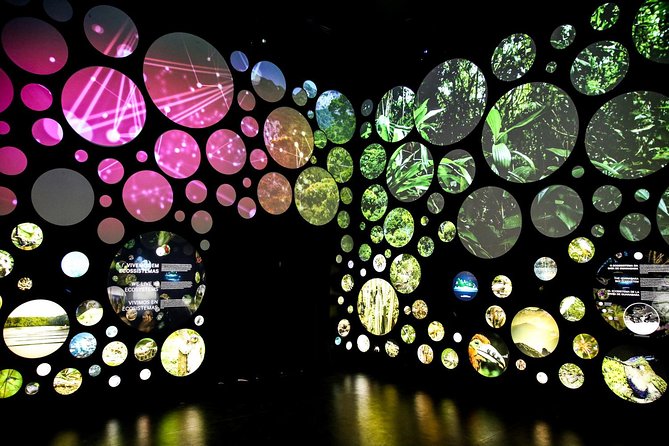
When you arrive at the museum, you’ll be doing it with a guide, which changes the experience. The guided format helps you connect what you’re seeing to the bigger message: human activity and decisions directly shape the planet’s future.
You’ll likely encounter exhibit zones that use interactive technology and media to present potential futures. In plain terms, the museum pushes you to ask: what happens if we keep going in the same direction? And what changes if we choose differently?
I also like that the museum doesn’t frame sustainability as only environmental damage. It brings in political and societal angles too, which is one reason the “human existence” wording fits. If you care about the “why should I pay attention?” question, this museum is built to answer it.
There’s also a practical side to the design. One review noted that the museum uses designs intended to assist with crowd control. That means you can often move through without getting stuck in the kind of bottleneck that turns a museum visit into a shuffle.
Museum time plan: how to avoid feeling rushed
You get about 3 hours at the museum, but your enjoyment depends on how you pace yourself.
Here’s a simple rhythm I recommend:
- Spend your first part of the visit getting your bearings and trying a few interactive sections early.
- Save your slower, media-heavy areas for mid-visit when you’re warmed up.
- Leave enough time at the end for any exhibit you want to revisit, plus photos.
If you’re traveling with mobility concerns, do it smart: wear comfortable shoes, and use the guided time to ask your guide for the easiest path through exhibits. At least one guide on this tour has been described as accommodating to mobility issues, which suggests your guide may help if you flag needs early.
Mauá Square: quick bay views and the Barão de Mauá story
After the museum, the tour shifts to short outdoor stops that give you a different angle on Rio.
At Mauá Square, you’ll look out toward Guanabara Bay. This is one of those “stop-and-breathe” moments where the city suddenly feels bigger and calmer. It’s also a good spot for photos because the bay gives you depth beyond Rio’s streets.
You’ll also learn about the statue of Barão de Mauá—the person behind the square’s name. That little layer matters because it turns a quick photo stop into a place with context. Instead of just seeing a monument, you understand why it’s there.
You can also read our reviews of more museum experiences in Rio de Janeiro

Boulevard Olímpico: Olympic-era street art and the Mural das Etnias by Kobra
Next comes Boulevard Olímpico, created for the 2016 Olympic Games. The important part here isn’t the Olympics itself; it’s what the space became afterward. The boulevard has attracted graffiti artists from around the world, so you’re seeing street art as an ongoing public conversation.
One highlight is the Mural das Etnias by Kobra. If you like big-scale murals, this stop is worth the effort. It’s also a nice contrast after the museum. Indoors, you’re thinking about future systems; outdoors, you’re seeing creative expression in the present.
The tour gives you about 30 minutes here. That’s not a lot of time, so it’s best for quick discovery and photos rather than studying every corner.
Transfers, timing, and group size: how the logistics shape your day
This is a transfer-included tour with an air-conditioned vehicle. Starting from Hotel Rio Othon Palace in Copacabana (Av. Atlântica, 3264), the day is designed so you can spend your energy on seeing things, not figuring out transit.
A few logistics points that affect your experience:
- Your group is capped at up to 19 travelers per minivan, which keeps the guide-and-questions dynamic more manageable.
- There’s also a maximum total capacity for the activity, but you’ll be in a small-vehicle group.
- For pickup in Barra or Recreio, there’s an additional USD 10 per person paid directly to the guide. If your hotel is in those areas, factor that into your budget before you go.
Timing matters. One review complained about late pickup that cut museum time short, which tells me you should watch the pickup window and keep your phone available. The operator says they’ll contact you to provide the proper pickup time, so treat email and cell checks as part of your prep.
Also, the tour requires good weather. If conditions are poor, you may get a different date or a full refund. Since this includes outdoor stops at Mauá Square and Boulevard Olímpico, weather can affect how comfortable those segments feel.
Guides: what makes or breaks a museum tour
With this kind of museum, the guide can turn the visit from interesting to memorable. The positive feedback you’ll see for this tour often centers on guides who explain clearly and organize the time well.
Some guide names that appear in past experiences include Jaqueline, Renato, Marcos, and Christian. If you get one of these guides, you can reasonably expect a friendly, information-forward approach, and possibly a more custom-feeling visit.
There’s also a useful caution. One experience noted weaker English and said the guide felt more like a caretaker than a full explainer. If language is a must for you, it’s smart to message the provider in advance and ask about guide language options for your specific departure. That’s the simplest way to protect your investment.
Price and value: what your $58 includes and what it doesn’t
At $58 per person, this tour isn’t just a museum ticket. You’re paying for:
- Admission to the Museum of Tomorrow
- Air-conditioned vehicle transportation
- Guided time tied together with stops at Mauá Square and Boulevard Olímpico
Food and drinks are not included, so budget for a snack or meal before or after. For a 4-hour tour, it’s easy to underestimate how quickly you’ll want water, especially if you’re doing outdoor photo stops.
Is $58 good value? For me, it is when you factor in that you’re getting a guided museum visit plus coordinated transfer. If you’re traveling without a plan, this kind of structure saves time and stress. If you already know the area well and plan to go independently, you might find cheaper options, but you’d be trading off the guided connections between exhibits and the extra stops that make the day feel like a mini Rio orientation.
Finally, this tour tends to book ahead (about 49 days on average). If you’re traveling during peak times, don’t leave it to the last minute.
Who this tour is best for
I’d point this tour toward you if:
- You want a guided approach to a modern, interactive museum that tackles sustainability
- You like pairing indoor culture with outdoor “sense of place” stops
- You appreciate clear structure: museum first, then quick viewpoints and street art
It’s also a good option for first-timers to Rio who want to see more than the usual postcard areas, because Porto Maravilha adds a newer side of the city.
If you already spend a lot of time in tech-forward museums and want a very long, self-paced museum day, you might prefer independent entry. But if you want the museum plus context plus a couple of smart stops without the transit headaches, this tour fits well.
Should you book it?
Book this guided Museum of Tomorrow tour with transfer if you want a time-saving, structured way to understand the museum’s message and you’d rather spend less energy on logistics. The biggest reasons to say yes are the guided connections inside the museum and the way the stops at Mauá Square and Boulevard Olímpico add variety.
Skip it or reassess if you’re extremely schedule-sensitive and you know you can’t handle a rushed museum visit. Also, if you rely heavily on English narration, do a quick check on guide language before you go.
If you fit the middle, this is a solid buy for Rio: a standout modern museum, a Calatrava-designed building you’ll remember, and a quick route through bay views and street art.
FAQ
How long is the Museum of Tomorrow guided tour?
It lasts about 4 hours total.
What’s included in the $58 price?
Admission to the Museum of Tomorrow and transportation in an air-conditioned vehicle are included.
Do I need to buy tickets separately for the museum?
No. Museum admission is included with the tour price.
Is food or drinks included?
No. Food and drinks are not included.
Where do you meet for pickup?
The meeting point is Hotel Rio Othon Palace, Av. Atlântica, 3264, Copacabana, Rio de Janeiro.
Is there an extra cost for pickup in Barra or Recreio?
Yes. Pickup in Barra or Recreio costs an additional USD 10 per person, paid directly to the guide.
What if I need to show ID?
If requested, you must present a copy of your ID.