REVIEW · SEVILLE
Seville: Museum of Flamenco Dance Admission Ticket
Book on GetYourGuide →Operated by Museo del Baile Flamenco · Bookable on GetYourGuide
Flamenco makes more sense here. The Flamenco Dance Museum turns rhythm into something you can see, read, and even click through with interactive displays. I like how it focuses on flamenco as a living art, not just a performance you watch once.
Two things I really appreciate are the museum’s interactive style sections and the chance to study historic costumes and props close up. The one drawback to consider: this ticket is for the museum only, not a flamenco show, so if you’re hoping for an evening-style performance, you’ll need a separate ticket.
In This Review
- Key Highlights You’ll Actually Feel While Visiting
- Getting to the Flamenco Dance Museum: Near the Cathedral and Giralda
- A 1-Hour Ticket That Feels Flexible (and How to Use It)
- What You’ll Learn First: Flamenco as a Living Culture
- Flamenco Styles on the Route: Alegría, Soleá, Seguiríya, and More
- Costumes, Props, and Artwork: The Details You Usually Miss
- Cristina Hoyos: Why the Founder Changes the Feel of the Place
- Best Time to Go: Fit It Between Big Landmarks
- Price and Value: $7 for Flamenco Context (Not a Show)
- Who This Museum Is For (and Who Should Skip It)
- Practical Walkthrough: How to Get the Most From Your Visit
- Should You Book the Seville Flamenco Dance Museum Ticket?
- FAQ
- Where is the Flamenco Dance Museum ticket office?
- How much does the admission ticket cost?
- How long is the museum visit?
- What are the museum opening hours for ticketed entry?
- Is there a special opening schedule for certain dates?
- Is a flamenco show included with the ticket?
- Can I choose what time to enter during the day?
- Is the museum wheelchair accessible?
- What is the cancellation policy?
- What if I want to pay later?
Key Highlights You’ll Actually Feel While Visiting
- Cristina Hoyos’s vision: the museum was founded by one of flamenco’s biggest names, giving the place extra credibility.
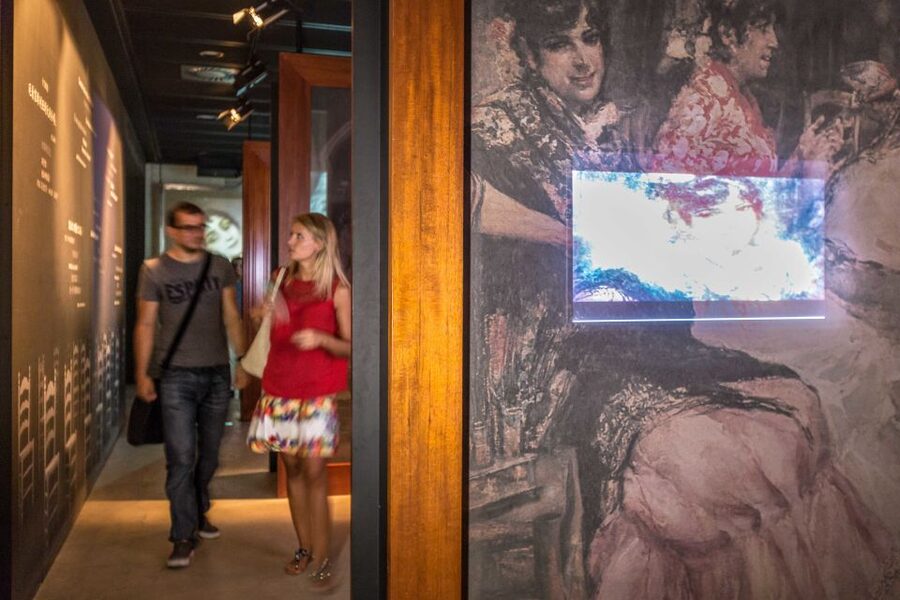
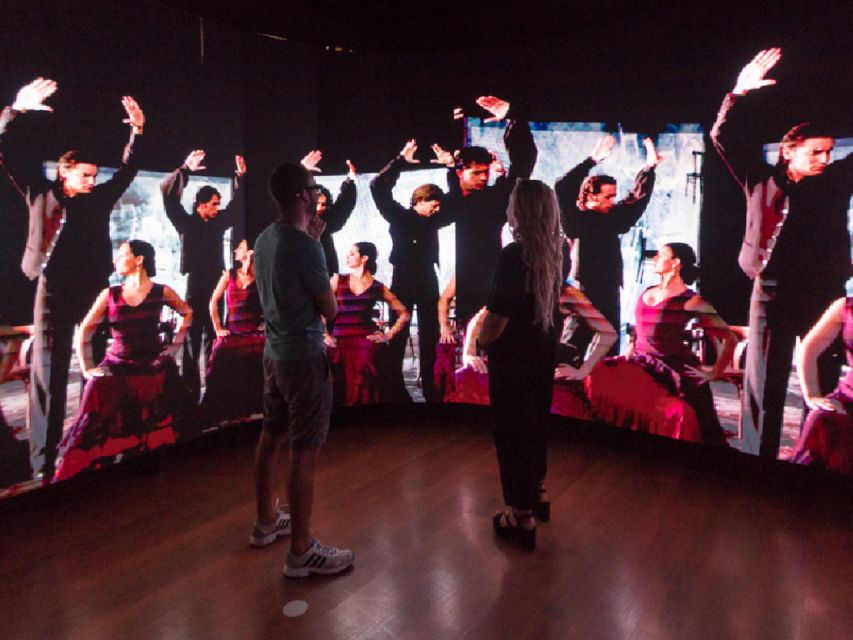
- Interactive learning: screens help you connect songs, movements, and mood instead of treating flamenco like museum glass.
- Multiple flamenco styles: Alegría, Soleá, Seguiríya, Taranto, Tangos, and Guajira are all covered.
- Costumes and props: you get to see how dress and stage objects support the dance’s look and energy.
- Old Town location: it’s walkable from Seville’s Cathedral and the Giralda, so it fits neatly into a sightseeing day.
Getting to the Flamenco Dance Museum: Near the Cathedral and Giralda
The Flamenco Dance Museum is in Seville’s Old Town, a short walk from the Cathedral and the Giralda—about five minutes on foot. The meeting point is the ticket office at Calle Manuel Rojas Marcos, 3, 41004 Sevilla.
This location matters more than it sounds. Seville can run late—lines at major sights, slow lunches, sudden detours. Having a museum right near the biggest landmarks means you can slip in before things get hectic, or after you finish the morning sightseeing wave.
If you’re planning your day around the Cathedral, consider this museum as your “second act.” The Cathedral gives you architecture and scale. The museum gives you movement, style, and why flamenco is tied to Andalusia’s identity.
A few more Seville tours and experiences worth a look

A 1-Hour Ticket That Feels Flexible (and How to Use It)
Your ticket is listed as 1 hour, with visits allowed between 11:00 and 18:00 (last entry at 18:00). You can choose the time slot during that window, so you don’t have to rush.
But here’s the smart way to think about the hour: treat it as a minimum. The museum is built around learning—style sections, interactive screens, and displays you’ll want to pause at. One review-style insight that fits the museum’s design: people tend to linger in certain rooms because the explanations and audio-type learning elements make you stop and listen longer than you planned.
So my practical advice is this: plan for 60 minutes, but give yourself a cushion. If you go right from a busy landmark visit, you might feel short on time. If you come a bit earlier or slightly later than rush hour, you’ll enjoy the museum more.
What You’ll Learn First: Flamenco as a Living Culture
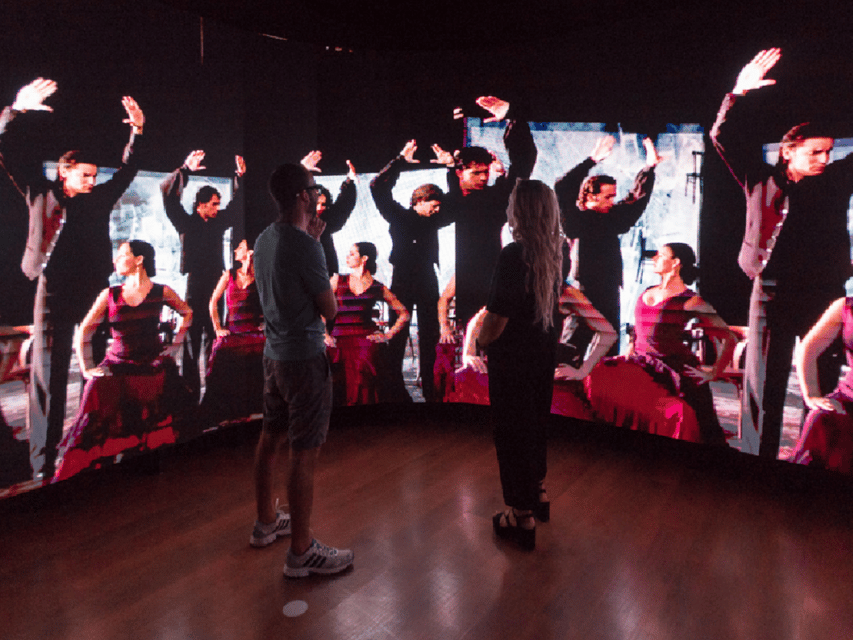
The Flamenco Dance Museum is interactive, and that’s not just marketing fluff. It’s meant to answer basic questions that many first-time visitors have, like where flamenco came from and how it changed over time.
You start with the idea of flamenco as Spain’s national dance and as an Andalusian birthright. From there, the museum connects evolution to what you’re seeing: costumes, props, and stage choices don’t stay frozen—they shift as flamenco moves from popular folk expression toward a cultural institution.
That “evolution” focus is one of the best reasons to go. A lot of flamenco discussions online can turn into arguments about origins or authenticity. This museum keeps things practical: it shows what changed, and it shows how those changes still shape what you see on stage today.
Flamenco Styles on the Route: Alegría, Soleá, Seguiríya, and More
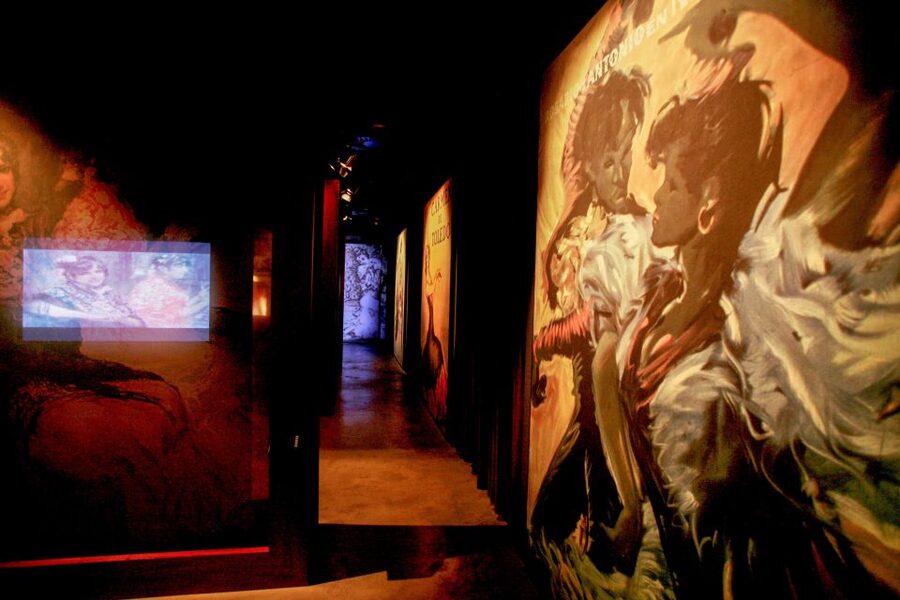
One of the most useful things about this museum is that it doesn’t talk about flamenco as one thing. It breaks the experience into specific styles, so you can walk out with vocabulary instead of only emotion.
In the museum, you’ll encounter the styles:
- Alegría
- Soleá
- Seguiríya
- Taranto
- Tangos
- Guajira
Why this matters for your trip: flamenco can feel overwhelming if you only know it by reputation. When you learn a few core styles here, the next performance you see in Seville won’t be a blur. You’ll be able to pay attention to differences in rhythm, mood, and how dancers shape the music.
Also, when you see dresses from different epochs alongside style explanations, it becomes easier to understand how flamenco’s look and feel shifted with time. It’s not just “pretty outfits.” It’s part of how the dance communicates character and energy.
Costumes, Props, and Artwork: The Details You Usually Miss
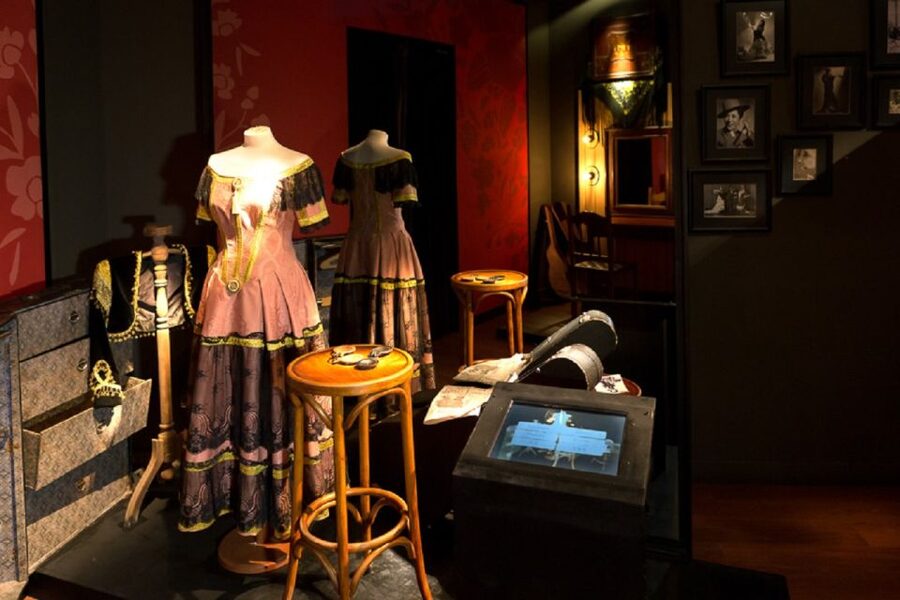
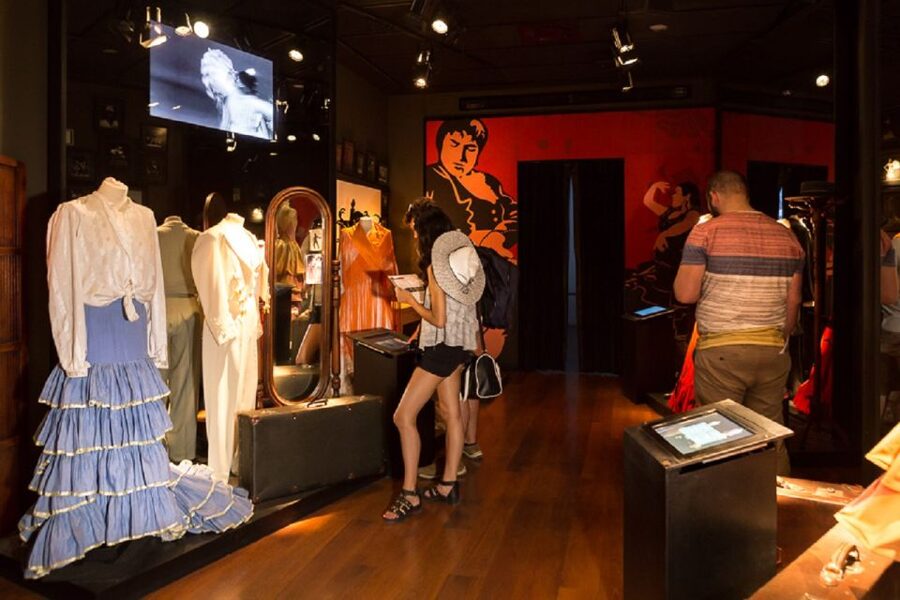
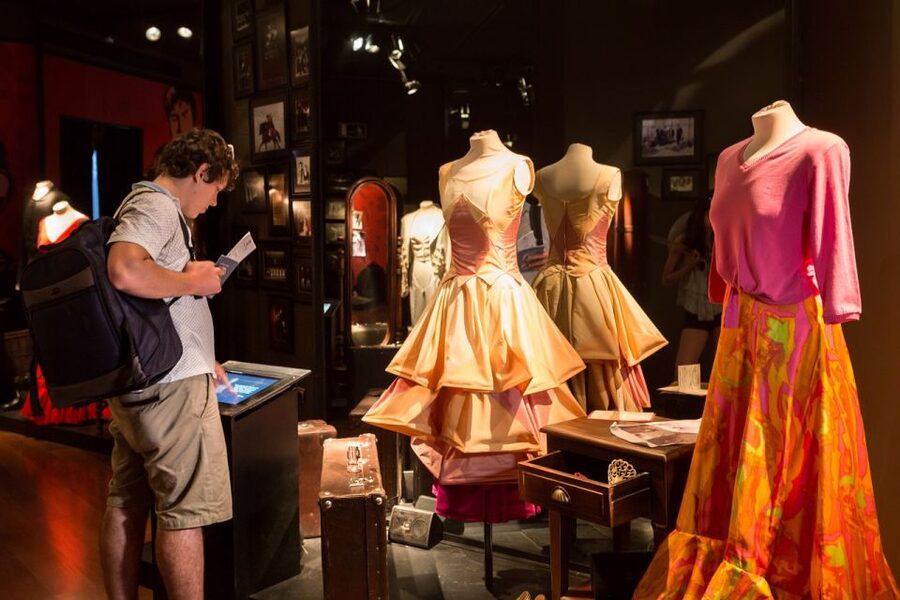
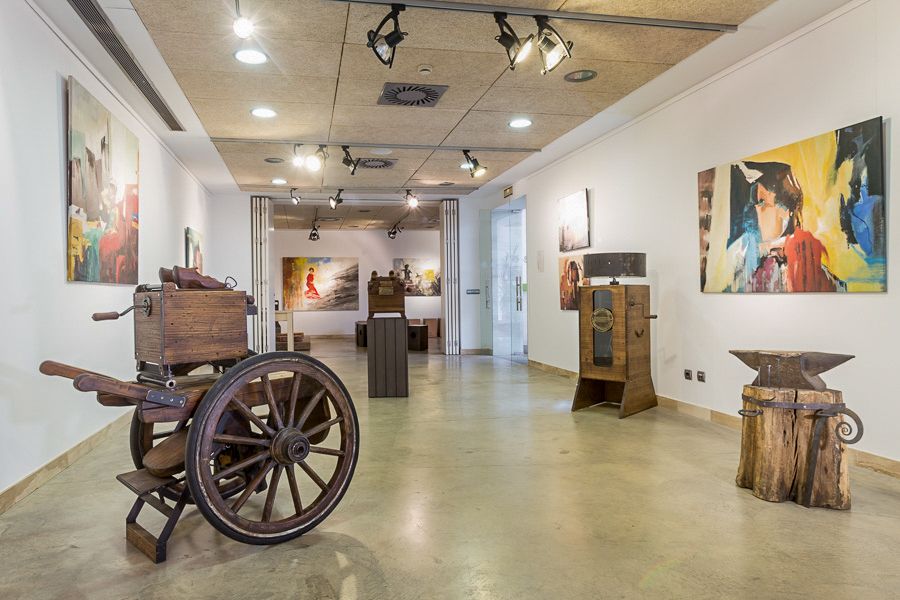
If you love visuals—especially the kind you can study without being jostled by a crowd—this museum is a good match. Historic displays include costumes and stage-related props, plus works of art connected to flamenco dance.
This is where you slow down. The museum is set up so you can notice details: how garments fall, how traditional elements signal a style, and how costumes help frame the dancer’s lines. Even if you’re not a dance expert, you’ll start seeing flamenco as design as well as music.
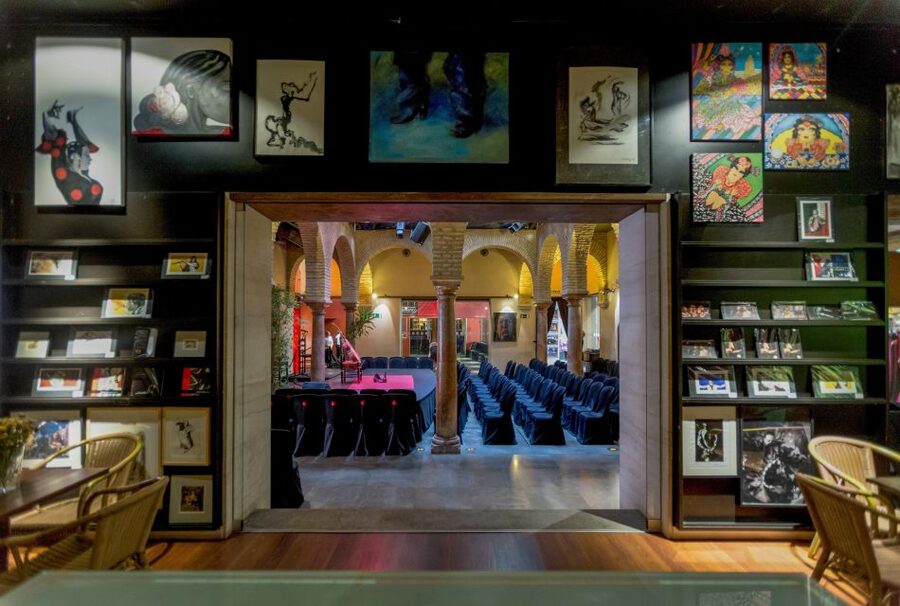
And because the museum includes artwork tied to flamenco, it gives context beyond the stage. Flamenco isn’t treated like a one-night show. It’s presented as something people expressed in multiple ways—through performance, illustration, and craft.
You can also read our reviews of more museum experiences in Seville


Cristina Hoyos: Why the Founder Changes the Feel of the Place
The museum was founded by Cristina Hoyos, described as one of the most famous dancers and choreographers in flamenco history. That connection matters because it signals the museum’s tone: it’s not just an art display; it’s a learning space shaped by someone who lived the craft.
When a museum is founded by a performer/choreographer, the details tend to be less abstract. You feel that in how the displays focus on styles, movement, and how flamenco evolved into an institutionalized cultural form. Instead of treating flamenco like a relic, it treats it like a discipline with technique and history.
If you’re the kind of person who likes to understand where ideas come from, this museum gives you a strong anchor: a real name, not just generic “flamenco lore.”
Best Time to Go: Fit It Between Big Landmarks
Because the museum opens from 11:00 to 18:00 (with a last entry at 18:00), it works well on either side of Cathedral-and-Giralda time. If you’re touring early, go after the main landmark rush. If you’re touring late, don’t cut it close—enter by 18:00.
One scheduling detail that’s worth remembering: the museum opens at 4:00 p.m. on the first Monday of each month. If your dates land on that day, plan accordingly or you’ll arrive to a closed door.
Here’s an easy rhythm that works in Seville:
- Morning: Cathedral/Giralda time
- Lunch + walking buffer
- Early afternoon: Flamenco museum before you’re too tired for more sightseeing
Price and Value: $7 for Flamenco Context (Not a Show)
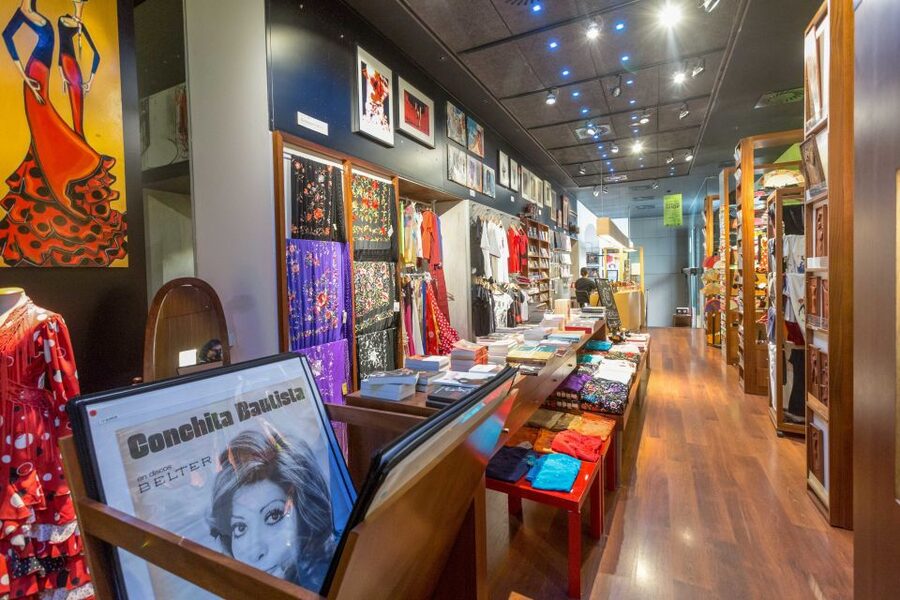
At $7 per person, this is a low-cost way to add depth to your Seville trip. For that price, you’re buying more than a room of displays—you’re buying an organized intro to flamenco styles, plus costumes, props, and artwork, plus interactive screens.
But be honest with your goal. This ticket includes museum entry only. It does not include a flamenco show. If what you want most is the emotional impact of live performance, the museum alone might feel educational but incomplete.
So the value equation looks like this:
- If you’re curious and want context first, the $7 ticket is excellent value.
- If you’re already committed to seeing flamenco live, use this as a warm-up (or skip it if you’re pressed for time).
Who This Museum Is For (and Who Should Skip It)
This museum is a great match for you if:
- you enjoy museums but prefer interactive learning
- you want a flamenco “starter kit” with style names you can recognize
- you like costume and visual detail as much as performance
- you want something compact that fits into a busy Old Town day
You might want to skip or rethink it if:
- you came to Seville mainly for a live flamenco show and don’t want a museum experience
- you expect a performance here (this ticket is not the show)
- you’re short on time and only want one flamenco-related activity
That last point is key. Seville is packed with cultural options. If you only have time for one flamenco moment, go where you’ll get the experience you crave—performance or museum learning. This ticket is for learning.
Practical Walkthrough: How to Get the Most From Your Visit
Even without a printed route, you can make your hour work like a guided path:
- Start with the style sections so you have names and emotional cues before you examine costumes and props.
- Spend time on interactive screens where you connect rhythm and meaning. This is often the part that turns flamenco from vague to specific.
- Move into costume/prop displays and treat them like clues—look for how each style supports a particular look and energy.
- Use the artwork as a closing layer, helping you understand flamenco beyond the stage.
If you find yourself getting tired, don’t fight it. This museum rewards pauses. Sit when you can. Read what you’re interested in. If a room makes you stop, let it.
Should You Book the Seville Flamenco Dance Museum Ticket?
Yes—if you want a smart, affordable way to understand flamenco in Andalusia’s birthplace. For $7, the museum delivers interactive style learning, plus historic costumes and stage-related visuals, all in a prime Old Town location near the Cathedral and the Giralda.
Skip or limit your expectations if your main goal is a live show, because the ticket here is for the museum only. If you’re planning to see flamenco performed during your trip, this museum is a great “prep stop” that helps you watch with better attention afterward.
If you’re the type who likes to go into a performance with a little context, book it. If you’re craving only the thrill of dancing and singing, consider putting your money into the show instead.
FAQ
Where is the Flamenco Dance Museum ticket office?
Meet at the Flamenco Dance Museum ticket office at Calle Manuel Rojas Marcos, 3, 41004 Sevilla, España.
How much does the admission ticket cost?
The price is listed as $7 per person.
How long is the museum visit?
The experience duration is listed as 1 hour.
What are the museum opening hours for ticketed entry?
Visits can be made any time between 11:00 and 18:00, with last entry at 18:00.
Is there a special opening schedule for certain dates?
Yes. On the first Monday of each month, the museum opens at 4:00 p.m.
Is a flamenco show included with the ticket?
No. The ticket includes museum admission only; it does not include a flamenco show.
Can I choose what time to enter during the day?
Yes. You can visit at any time that’s within the times stated on your ticket (11:00 to 18:00, last entry at 18:00).
Is the museum wheelchair accessible?
Yes, the museum is wheelchair accessible.
What is the cancellation policy?
You can cancel up to 24 hours in advance for a full refund.
What if I want to pay later?
You can reserve now and pay later, keeping your travel plans flexible.