REVIEW · SEVILLE
Espacio Exploraterra: Nao Victoria 500 Replica and Museum
Book on GetYourGuide →Operated by FUNDACION NAO VICTORIA · Bookable on GetYourGuide
A ship-sized story in a city you can walk around. Espacio Exploraterra pairs a focused museum exhibit with a life-sized Nao Victoria 500 replica, so the history of the first circumnavigation feels physical, not just read. I love the audio-guided storytelling that follows the voyage step by step, and I love that you can move from explanations to the scale of the ship itself. One possible drawback: you’ll want to bring your own headphones, and the visit isn’t set up for wheelchair access.
The setup is simple. You arrive at the Espacio Primera Vuelta al Mundo, get your audio guide (Spanish, English, French), and then you experience the journey as the Nao tells it. If you’re bringing kids, this is also one of those rare history stops that works because you get both the story and the setting.
In This Review
- Key things you’ll notice right away
- Why Sevilla’s Nao Victoria Story Works in 1 Day
- Finding the meeting point and getting your bearings
- Museum galleries: historical sources and audiovisual storytelling
- The Nao Victoria 500 replica: walking into the problem sailors faced
- Magellan and Elcano: how the story connects to consequences
- Audio guide tips that make your visit smoother
- Practical value: $11, one day, and what you actually get
- Who should book this Nao Victoria experience
- Final verdict: should you book Espacio Exploraterra and the Nao Victoria 500 Replica?
Key things you’ll notice right away
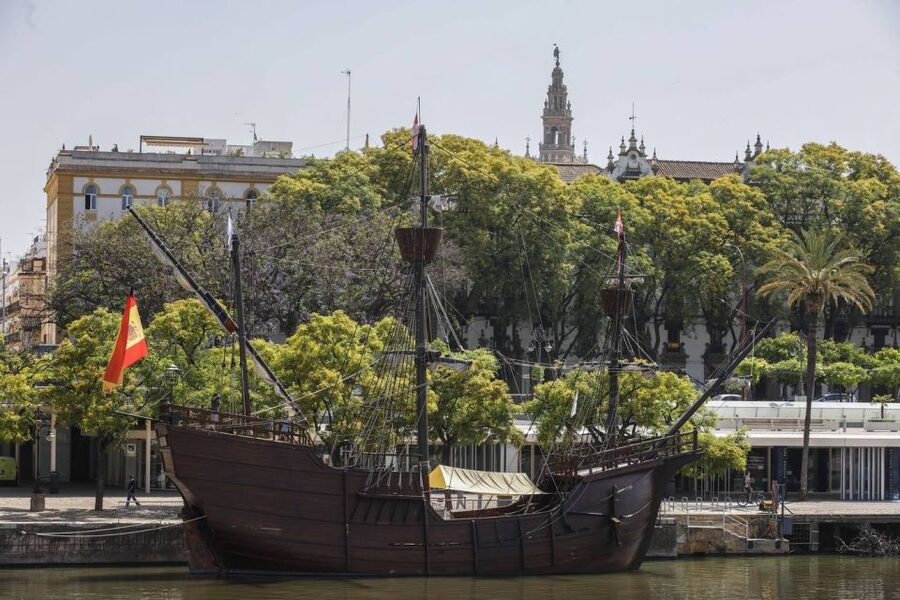
- The Nao narrates the story: the exhibit follows the voyage from preparations to consequences.
- Life-sized ship experience: you walk onto a replica that’s meant to help you picture cramped, difficult conditions.
- You’ll use an audio guide: it mixes historical sources with audiovisual materials for a smoother visit.
- Museum-first makes sense: learn the context first, then the replica hits harder.
- Language support is built in: Spanish, English, and French are available through the included audio guide.
- Great value for 1 day: a ticket that covers both the museum and the replica for about $11.
Why Sevilla’s Nao Victoria Story Works in 1 Day

This is a history experience designed for short attention spans and curious brains. You’re not just looking at facts. You’re walking through the story of the first around-the-world circumnavigation as a continuing experience—prep, voyage, dangers, hardship, and what it changed afterward.
What makes it click in one day is the “two-step” design. First, the museum gives you the frame: why the trip mattered, what happened, and what sailors faced. Then you step onto the Nao Victoria 500 replica, which helps you translate what you learned into real space. If you’ve ever read about old maritime travel and thought, Sure, but what did it feel like, this is aimed directly at that question.
You can also read our reviews of more museum experiences in Seville

Finding the meeting point and getting your bearings
You’ll meet at Espacio Primera Vuelta al Mundo in Seville, at Paseo Alcalde Marqués del Contadero, 2, 41001 Sevilla, Spain. Plan to arrive a bit early so you can settle in before you start.
Before you go in, do yourself a favor: bring headphones. The audio guide is included, but you still need the device to listen. That single practical detail can make the difference between a smooth start and standing around trying to borrow something.
If you’re visiting with kids, keep expectations realistic. This isn’t a huge mega-museum. It’s focused. That’s part of the appeal: you can finish, understand what you saw, and still have energy to keep exploring Seville.
Museum galleries: historical sources and audiovisual storytelling
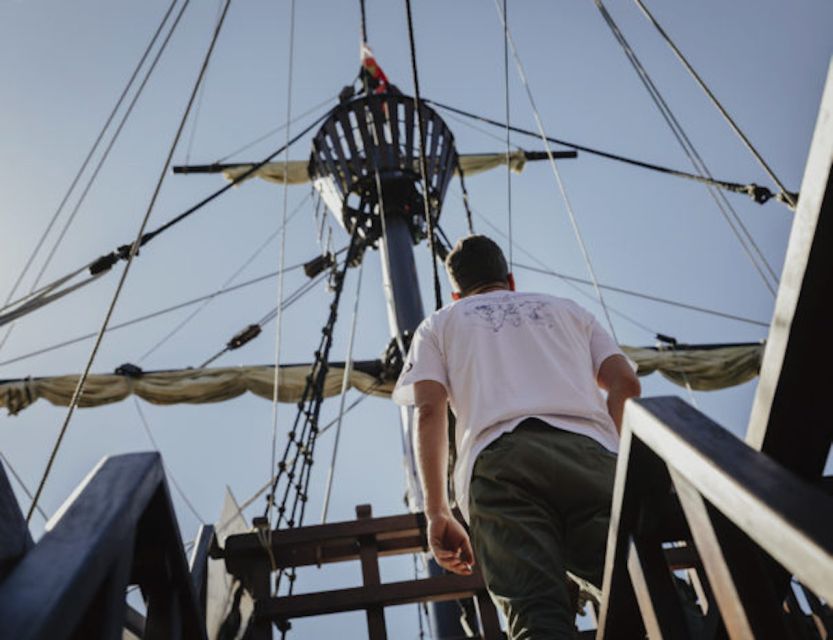
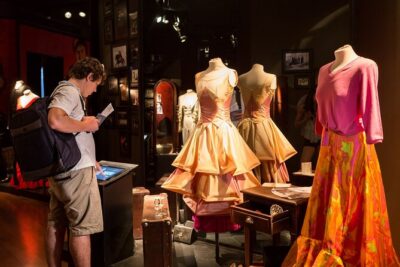
The museum experience is built around the voyage, told through the protagonist ship, the Nao Victoria. Instead of presenting the journey as disconnected highlights, the exhibit guides you through preparation and the scale of the undertaking. It also covers events, dangers faced at sea, and the hardship of day-to-day life onboard.
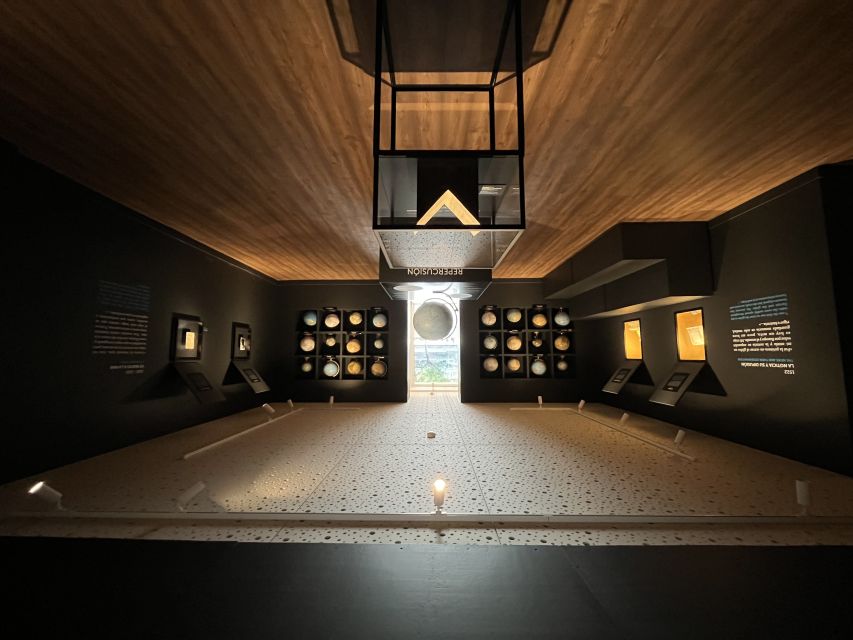
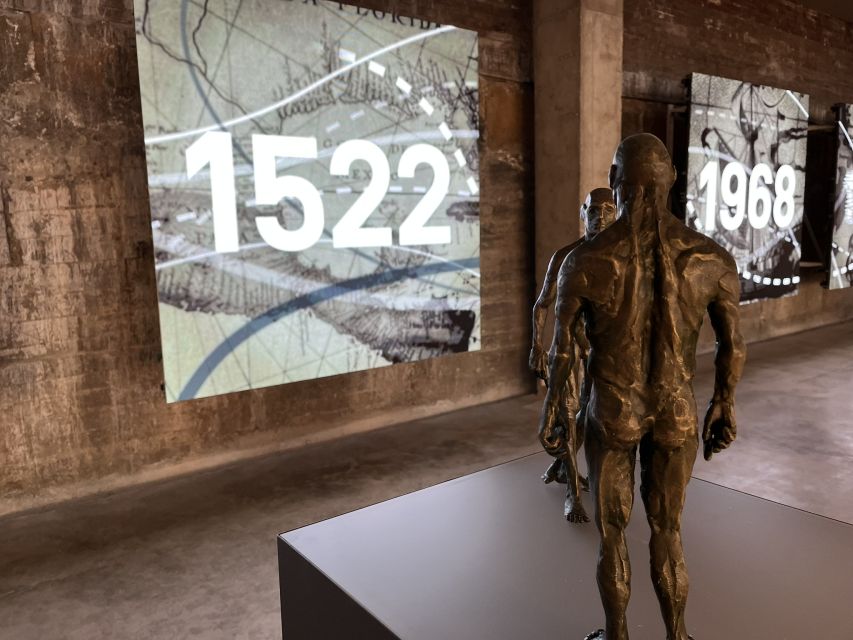
As you move through the galleries, you’ll encounter historical sources and audiovisual media. That mix matters. Pure text can feel like homework. Pure video can feel like entertainment with no anchor. Here, you get both: context you can trust plus media that makes the story easier to follow.
One practical tip: do the museum first, even if you’re tempted to jump straight to the ship. Learning the basics before you walk onto the replica makes the ship feel less like a prop and more like a place where real choices and real problems happened.
And if your Spanish is rusty, you’re still fine. The experience runs in Spanish, English, and French, and the staff are ready to help. I especially appreciate that the human side is there if you get stuck.
The Nao Victoria 500 replica: walking into the problem sailors faced
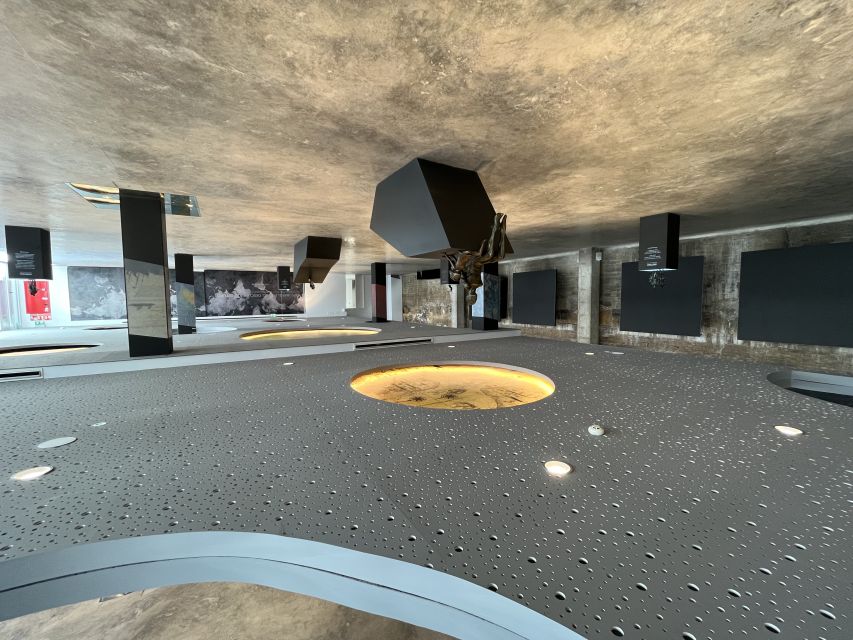
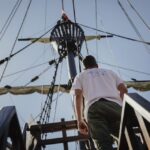
After the museum, you board the Nao Victoria 500 replica, a life-sized stand-in for the ship that completed the first circumnavigation. This is the part where your brain stops treating “1700s travel” as an idea and starts treating it as a physical constraint.
The replica is still a replica, of course. You won’t get a time machine. But the point isn’t authenticity through guesswork—it’s authenticity through scale and structure. When the exhibit describes tight, hard living conditions, the ship helps you visualize how limited space would shape everything: movement, routine, and even how people coped.
This is also where the story’s emotional weight lands. The museum sets up dangers and hardship. On the ship, you feel the closeness of it all. You get a sense of how sailors could turn insurmountable seas into bridges between continents, cultures, and civilizations—because the ship isn’t abstract anymore.
If you’re traveling with kids, this is the anchor. The museum gives the background; the ship gives the “wow, I can see where they were” moment. That combination is why this experience tends to work well for families.
Magellan and Elcano: how the story connects to consequences
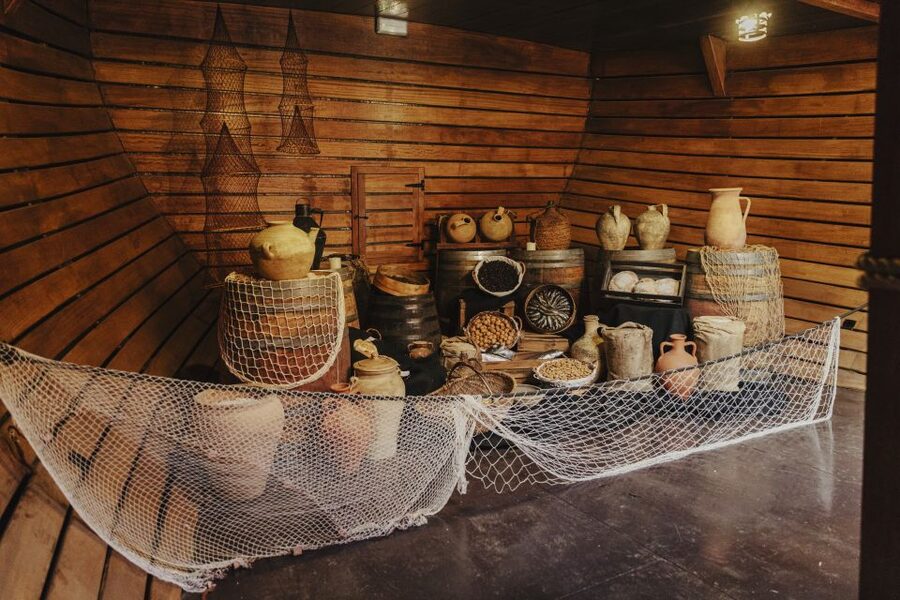
The exhibit isn’t just about the famous names. It’s about the arc of the expedition—who drove it forward, what went wrong in the messy middle, and how the journey’s end reshaped the world.
You’ll learn about the first around-the-world trip, and you’ll also see why Magellan and Elcano are linked to that achievement. Even if you know the headline already, the way the story is told helps you understand the role of decision-making under pressure and why maritime exploration wasn’t just bravado—it was risk management with winds.
The key value here is the “so what.” The exhibit makes sure the trip’s consequences aren’t an afterthought. It frames the feat as a historic maritime turning point, connecting the voyage to broader cultural and civilizational contact. That’s often the missing piece in quick museum stops: you leave knowing what happened, but not why it mattered. Here, you leave with both.

Audio guide tips that make your visit smoother
The audio guide is included, and it’s available in Spanish, English, and French. To get the most out of it, don’t treat the audio as background noise. Use it like a narrated tour.
Here’s how I’d run it:
- Start the museum with the audio on so the story gives you structure.
- If you notice a section that seems important—something about preparations, dangers, or life onboard—slow down and listen all the way through.
- After that, when you’re on the ship replica, let the audio bring the museum details into the physical space.
Also: bring your own headphones so you don’t lose time. And if you want to move at a calm pace, leave yourself room to switch between “reading the room” (the ship) and “reading the story” (the museum audio).
Practical value: $11, one day, and what you actually get
At about $11 per person, this is strong value for a ticket that covers both the museum and the ship replica. You’re not paying just for a building or just for a single display. You’re paying for a guided narrative experience that uses museum media and then follows through with the physical set piece.
It’s also a good fit for travelers who don’t want to spend half a day trapped in a giant building. This is a 1-day activity. It’s designed to feel complete without demanding a full day’s attention.
Still, there’s one consideration to keep in mind: the visit is not suitable for wheelchair users. If mobility is part of your planning, this one will require alternatives.
Who should book this Nao Victoria experience
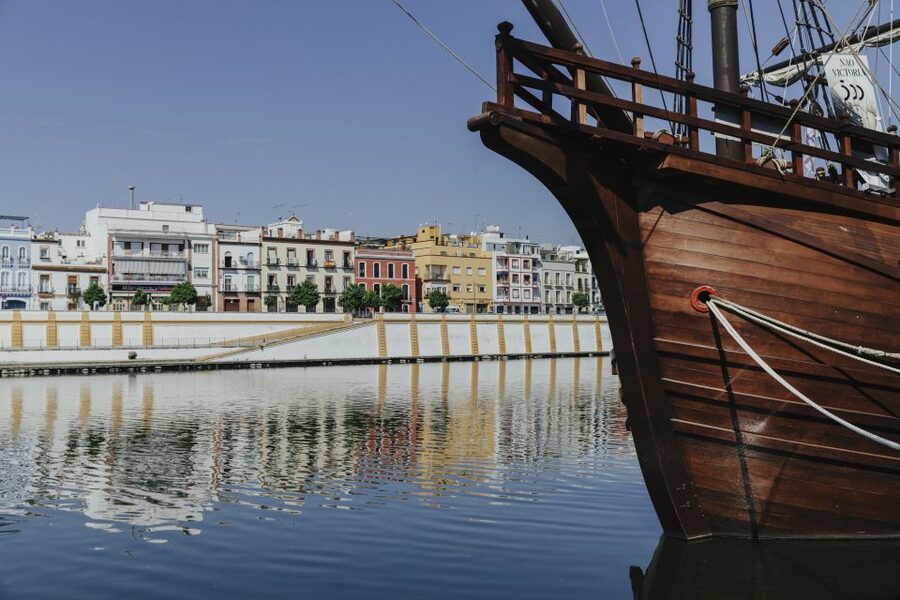
I’d point you here if you like maritime history, ship imagery, or story-driven museums. It’s especially good if you want a small, focused visit that doesn’t feel like a chore.
It also works well for families. The combination of explanation plus a ship to explore tends to keep kids engaged because they’re not only reading or watching—they’re walking around.
You’ll get the most out of it if:
- You’re interested in the first circumnavigation and the big names tied to it.
- You enjoy audio-guided experiences with a clear narrative.
- You like doing museum background first, then seeing the real-world setting.
If you’re the type who only wants massive collections or long-form galleries, you might find it smaller than you hoped. But if you want a clear story with a satisfying payoff, this does that job.
Final verdict: should you book Espacio Exploraterra and the Nao Victoria 500 Replica?
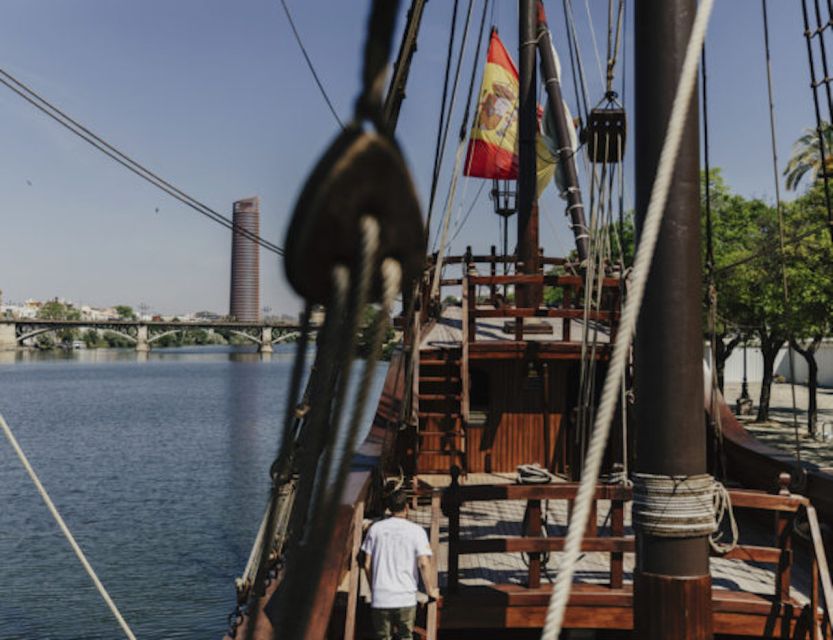
Yes, I think you should book it—especially if you’re in Seville for a limited time and want one stop that connects history to place. The museum-to-ship flow is the winning formula. You learn the voyage in a guided way, then you step onto a replica that helps you picture the constraints sailors lived with.
Do it museum-first for the best impact. Bring headphones. And if you can’t do the wheelchair limitation, plan a different day for accessibility-friendly options.
If this kind of story-driven, practical history appeals to you, you’ll likely feel like you spent your time well.