
REVIEW · BERLIN
Berlin: Samurai Museum – EMYA 2026 Nominated
Book on GetYourGuide →Operated by Samurai Museum Berlin · Bookable on GetYourGuide
Samurai history meets modern tech in Berlin. In Berlin-Mitte, the Samurai Museum Berlin pairs EMYA 2026 momentum with over 1,000 original Japanese artifacts and slick, interactive displays just off the Alexanderplatz area.
I love the chance to see real armor, katanas, helmets, masks, and rare pieces all tied to one major private collection. I also like that the museum sets you up with a short video lecture before you hit the artifact rooms.
One consideration: you may need breaks. It’s packed with visuals and tech, and you cannot bring food, drinks, or large bags inside.
In This Review
- Key highlights you will actually care about
- A Berlin-Mitte museum made for first-timers
- Skip-the-line entry and where you go
- The first move: the short Japan video setup
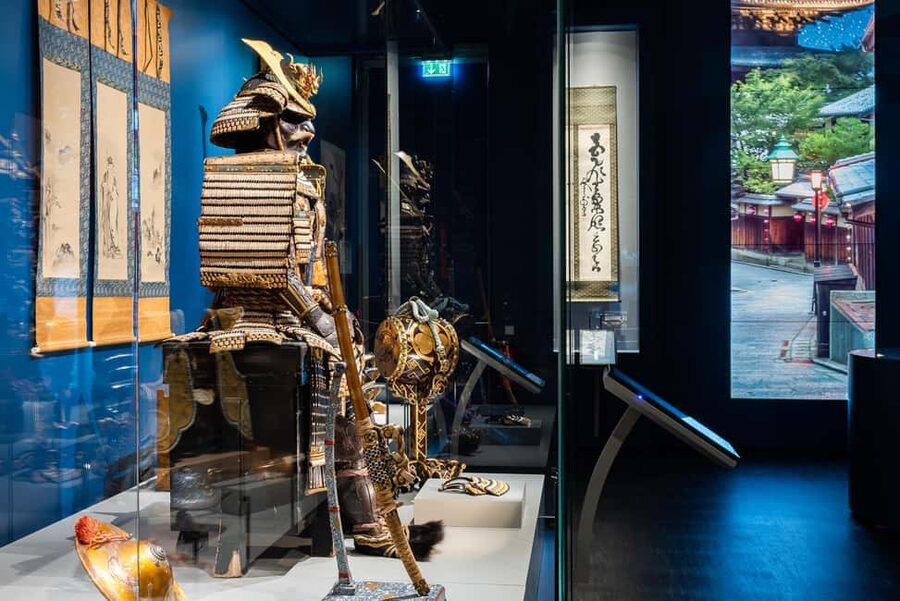
- Artifact rooms: armor, swords, helmets, masks, and rare pieces
- High-tech installations that explain without lecturing
- The AI fox guide and why it lands
- Samurai culture beyond fighting: honor, tea, myths, and aesthetics
- How long to plan: enough time to slow down
- Price and value: what $16 buys you
- Who should book this museum
- A few rules that shape your visit
- Should you book Samurai Museum Berlin?
- FAQ
- Where is the Samurai Museum Berlin located?
- How do I get there using public transport?
- Is skip-the-line entry included?
- How much time should I set aside?
- Is the ticket valid for different dates or times?
- Are pets allowed in the museum?
- Can I bring food, drinks, or large bags?
- Is the museum wheelchair accessible?
Key highlights you will actually care about
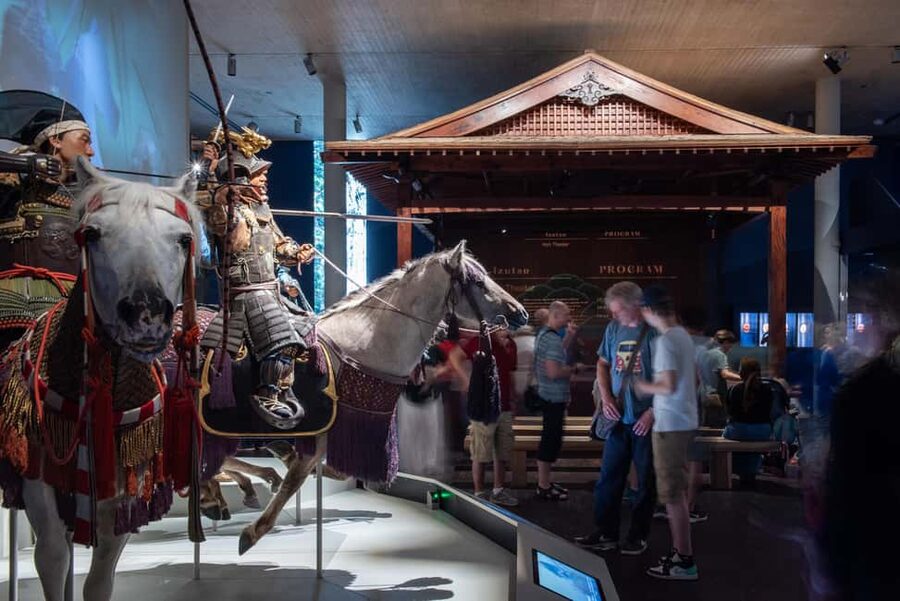
- EMYA 2026 nominated museum in the heart of Berlin-Mitte
- 1,000+ authentic Samurai artifacts from Japan in one focused collection
- Skip-the-line entry for direct admission (great for weekends)
- Tech-forward exhibits with projections and interactive stations
- AI fox guide inspired by the nine-tailed fox vibe from Naruto
- German and English-friendly explanations built into the experience
A Berlin-Mitte museum made for first-timers
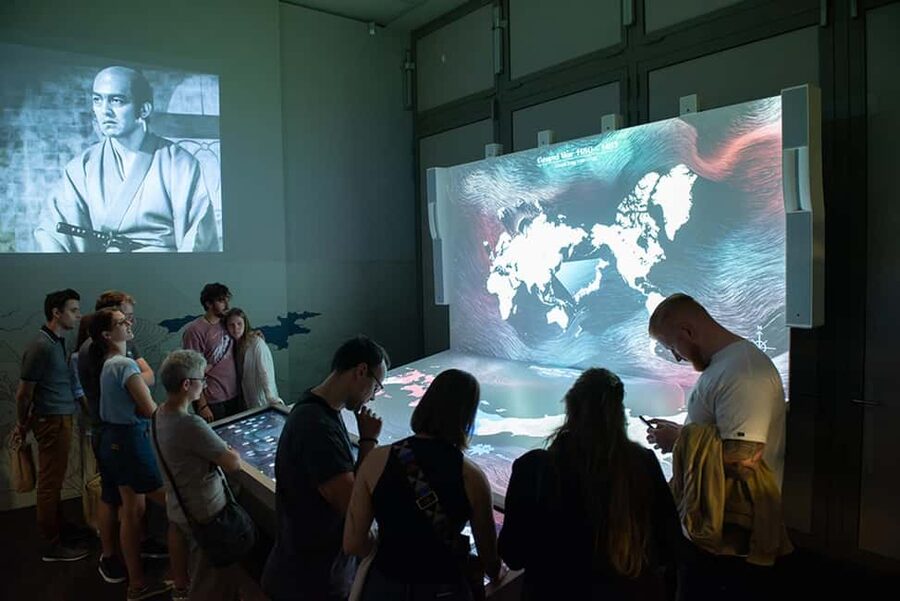
The Samurai Museum Berlin sits in Auguststaße in Mitte, a smart area to base yourself if you’re also planning sights around Alexanderplatz and Museum Island. If you like museums that don’t make you choose between story and spectacle, this one hits a nice balance.
The big selling point is simple: this isn’t a generic sword-and-shield stop. It’s built around a single private collection of over 1,000 original Samurai artifacts, so you keep seeing how pieces fit together, not just random objects pulled from different eras. At the same time, the museum uses modern media tech to explain the culture behind the weapons, armor, and symbols.
And yes, it’s nominated for the European Museum of the Year Award (EMYA) 2026, so the presentation clearly matters to the people running it.
You can also read our reviews of more museum experiences in Berlin



Skip-the-line entry and where you go
Your ticket includes direct entry, which sounds basic until you’re in a busy museum corridor and everyone else is waiting. This matters most on weekends and during peak season, when demand is higher and time feels shorter.
Meeting point / location
- Auguststaße, Mitte (Samurai Museum Berlin)
Public transport options
- U-Bahn: U6 Oranienburger Tor, U8 Rosenthaler Platz
- S-Bahn: S1, S2, S25, S26 Oranienburger Straße
- Tram: M1, M5 Oranienburger Straße, M8 Rosenthaler Platz
- Bus: 142 Tucholskystraße, M41 Abgeordnetenhaus
If you’re sightseeing in central Berlin, this is the kind of stop you can slot in without losing half a day. Plan to arrive with a little buffer anyway, because the museum is popular.
The first move: the short Japan video setup
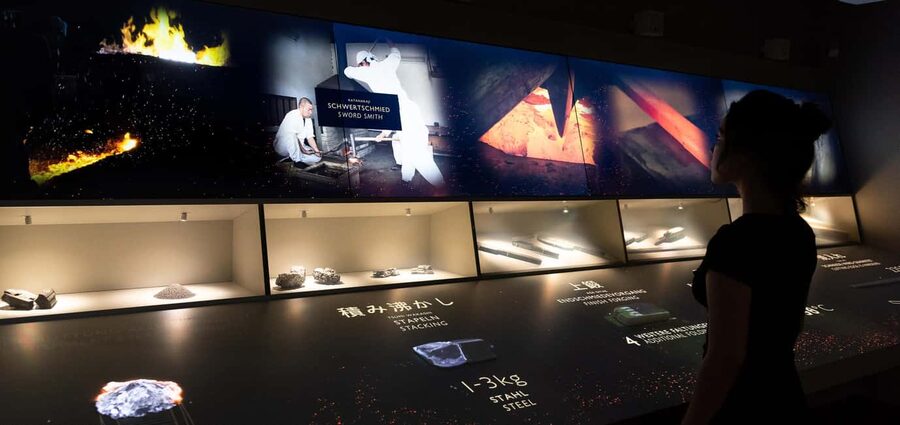
Before you start staring at armor and swords like a detective, the museum offers a short video lecture about Japan. One strong tip that shows up again and again: watch that quick video first, then move into the artifact rooms.
Here’s why it works: it gives you vocabulary for what you’re seeing. You’ll get more from the helmets, masks, and decorative details when you understand what the items meant in their time—honor, discipline, aesthetics, and cultural storytelling. Without that setup, you can still enjoy the visuals, but you’ll likely miss the deeper layer the museum is trying to show.
Artifact rooms: armor, swords, helmets, masks, and rare pieces
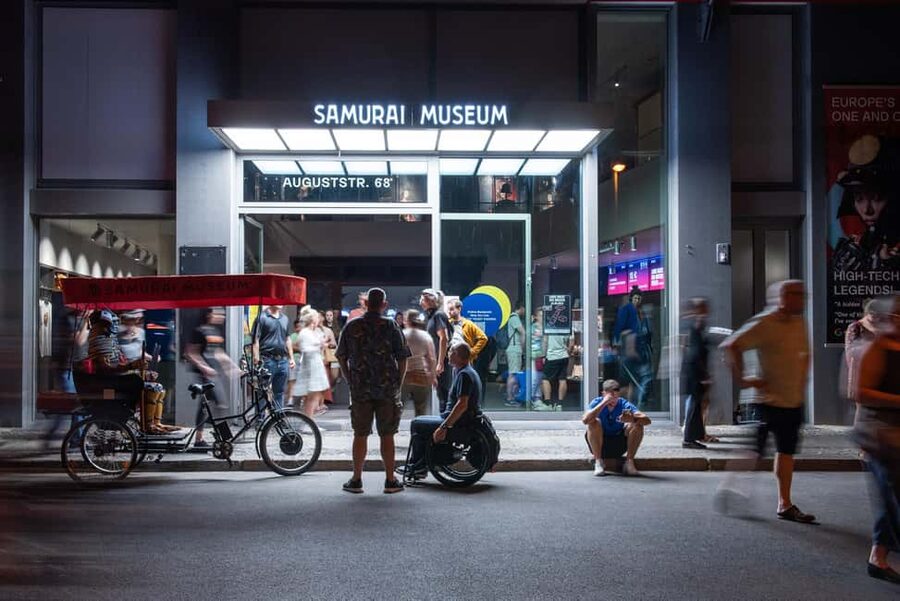
Once you’re into the collection, the tone changes from explanation to close-up attention. The museum focuses on original Samurai material, including:
- historic armor
- katanas (swords)
- helmets and masks
- ornaments and other finely crafted pieces
- rare art pieces connected to warrior culture
Because the museum holds more than 1,000 artifacts in one private collection, you’re not stuck scanning a couple display cases and moving on. You keep getting new angles and details as you progress.
Practical advice: don’t speed-run it. The tech can pull your eyes forward, but the objects reward slow looking—especially the parts of armor that aren’t just functional, like the design choices, textures, and decorative elements. If you’re the kind of person who likes to read labels and then look again, you will enjoy this.
And if you’re bringing kids or going as a family, the structure tends to work well because the museum mixes objects with interactive screens and playful tech moments.
High-tech installations that explain without lecturing
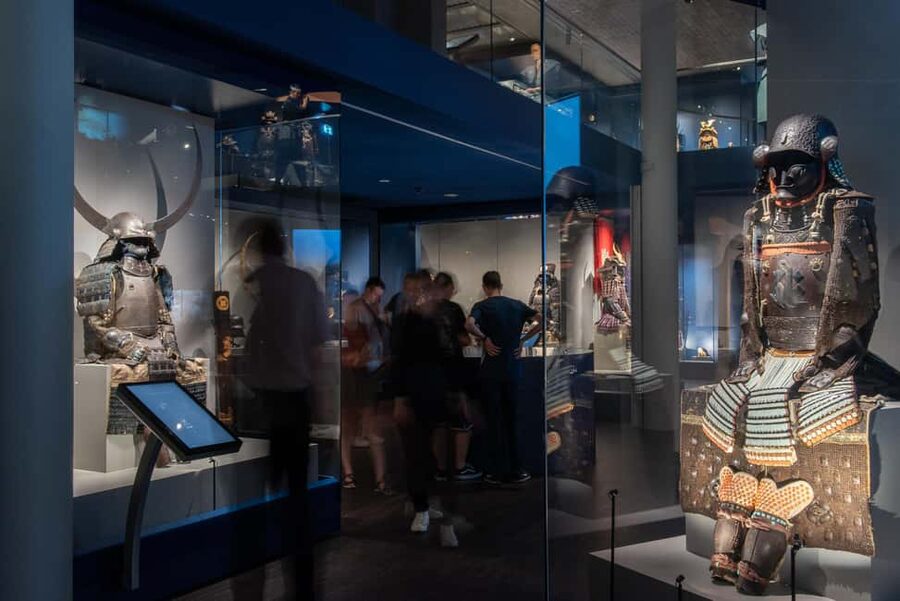
This museum is known for using state-of-the-art media technology—interactive projections, modern visuals, and engaging exhibit design that turns history into something you can follow step-by-step.
What I like about the approach is that the technology doesn’t replace the artifacts. It supports them. You’ll notice exhibits are designed so you understand why an item exists and what it communicates culturally, not just what it looks like.
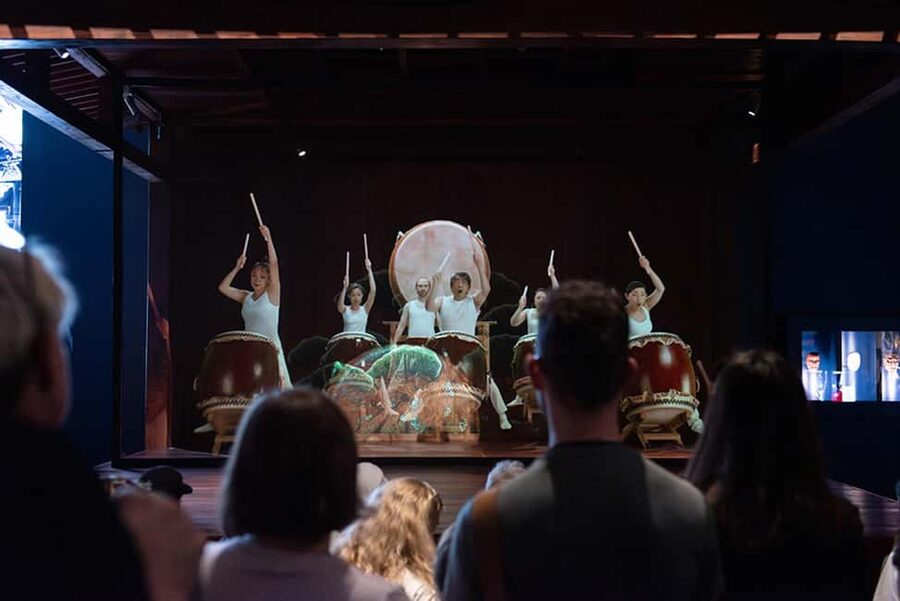
A good example from the on-site experience: there’s mention of holographic music performances, plus other interactive elements that add rhythm to your visit. That matters because otherwise a museum with this much material can feel heavy. Here, the pacing is part of the design.






The AI fox guide and why it lands

One of the most memorable tech touches is an AI fox guide. The interesting part is how it’s described: it gives off the nine-tailed fox Kurama from Naruto energy, which is a clever bridge for pop-culture fans.
Why this is useful: if you’re not already a Samurai-history person, a character-based guide can help you stay curious instead of overwhelmed. It also makes the experience feel current. You’re not only standing in front of objects; you’re getting prompts and context in a way that feels built for the way people actually learn today.
If you’re into anime or manga aesthetics, this is a fun extra layer. If you’re not, you can still treat the guide as a normal interpretive tool and focus on the artifacts.
Samurai culture beyond fighting: honor, tea, myths, and aesthetics
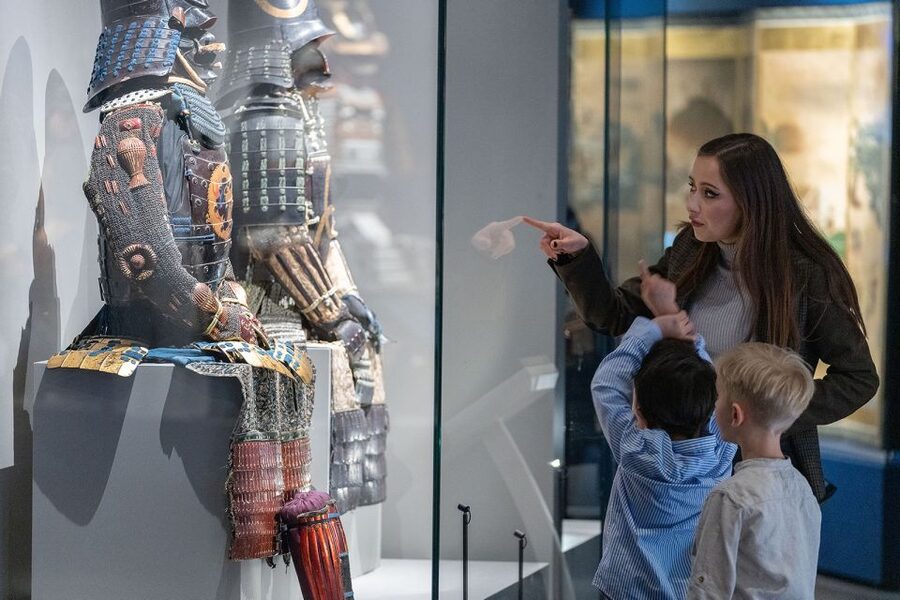
What makes this museum more than a weapons display is its emphasis on Samurai culture as a whole system: values, rituals, and the stories people told about warriors.
You’ll see themes like:
- honor and discipline
- aesthetics and craft
- cultural myths that continue to influence film and design
- references connected to tea ceremonies and cultural practices
This is the part where the museum becomes a cultural translator. It helps you connect why armor and weapons were not only tools, but also symbols. The design choices and decorative pieces aren’t random. They point toward social meaning.
If you’ve ever wondered why Samurai imagery keeps showing up in modern media, you’ll probably enjoy the museum’s way of connecting past and present.
How long to plan: enough time to slow down
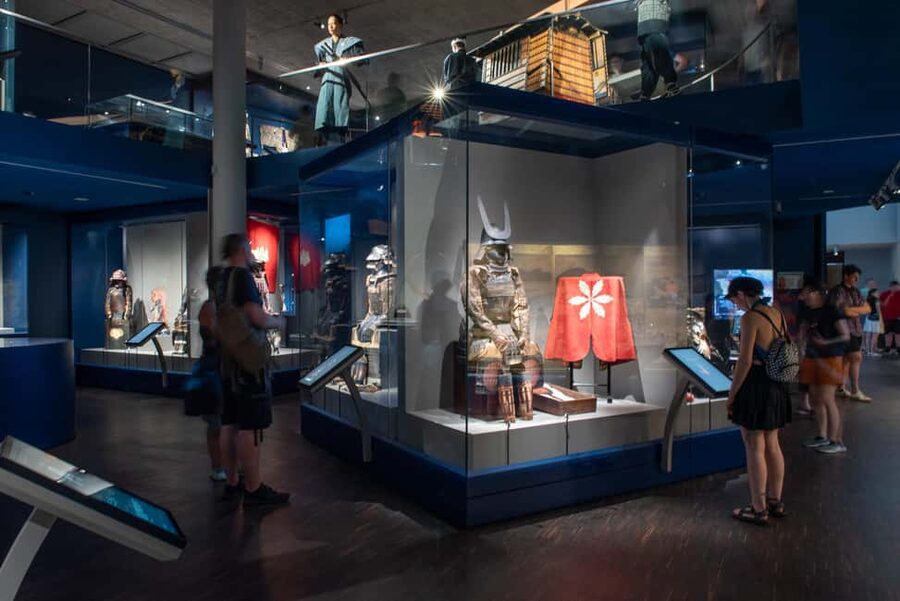
The museum is popular, and it moves at a good pace. One visitor described spending around 2.5 hours, and that feels realistic if you actually stop to read and watch the tech pieces rather than treat it like a checklist.
For planning:
- If you’re fast and curious, plan a solid couple of hours.
- If you want to take your time and really look at armor details, give yourself more room.
- If you’re energy-limited, prioritize: the video setup first, then the most visually rich artifact rooms.
A practical note: because there’s no food or drink allowed, plan a meal around your visit, not during it. If you’re using public transit from the Alexanderplatz area, build in time to walk and settle before entry.
Price and value: what $16 buys you
The entry price is $16 per person, which is fairly reasonable for a Berlin museum built around:
- 1,000+ original artifacts
- tech-heavy explanations
- skip-the-line direct admission
- a strong interpretive system for different interests
Berlin can be pricey, and many museums are either artifact-heavy with dry labels or tech-heavy with less to see. Here you get both, plus direct entry when queues form. If you’re paying attention to your time and want a high-quality central-city museum stop, the value proposition is strong.
Also, your ticket includes entry only. The exhibition catalog isn’t included, so if you like bringing something home, expect to purchase it separately.
Who should book this museum
This museum is a great fit if you want any of these:
- You’re curious about Samurai culture beyond movies and games
- You like artifacts and also want explanations that are easy to follow
- You want a central Berlin activity that you can reach quickly by transit
- You’re traveling with friends or family and want something that keeps different ages interested
It’s especially good for first-timers because the museum includes a short setup video and multiple layers of interpretation. If you already know a lot of history, you’ll still likely appreciate seeing a big collection concentrated in one place.
A few rules that shape your visit
The museum has clear restrictions:
- No pets
- No food and drinks
- No luggage or large bags
That last one matters. If you’re arriving from a train station with big gear, you’ll want to handle storage before you head over. The restrictions help keep the exhibit spaces clear, but they do require you to travel light.
Wheelchair accessibility is listed, so it’s designed with access in mind.
Should you book Samurai Museum Berlin?
If you’re deciding between this and another central Berlin activity, I’d book it if you want a museum that mixes real Samurai artifacts with modern, interactive interpretation. The skip-the-line entry is a real advantage, and the presentation seems built to keep attention without turning the visit into a sprint.
Skip it only if:
- you strongly dislike tech-based exhibits and prefer slow, traditional galleries
- you need to bring bulky items (since large bags and luggage are not allowed)
If you like culture, craft, and symbols as much as swords, this is the kind of museum you can finish feeling you learned something, not just watched screens.
FAQ
Where is the Samurai Museum Berlin located?
It’s located in Auguststaße in Berlin-Mitte.
How do I get there using public transport?
You can use the U-Bahn (U6 Oranienburger Tor or U8 Rosenthaler Platz), the S-Bahn (S1, S2, S25, S26 Oranienburger Straße), trams (M1, M5 Oranienburger Straße or M8 Rosenthaler Platz), or buses (142 Tucholskystraße or M41 Abgeordnetenhaus).
Is skip-the-line entry included?
Yes. Your ticket includes skip-the-ticket line / direct entry.
How much time should I set aside?
A couple of hours is a good target. One described visit lasted about 2.5 hours.
Is the ticket valid for different dates or times?
Yes. With the Samurai Flex Ticket, you can choose your visit day and time, and it’s valid for 1–14 days based on availability, and you can use it on your smartphone.
Are pets allowed in the museum?
No, pets are not allowed.
Can I bring food, drinks, or large bags?
No. Food and drinks are not allowed, and luggage or large bags are not allowed.
Is the museum wheelchair accessible?
Yes, the museum is listed as wheelchair accessible.