
REVIEW · MUSEO NAZIONALE SCIENZA E TECNOLOGIA LEONARDO DA VINCI
Milan: Science and Technology Leonardo da Vinci Museum Entry
Book on GetYourGuide →Operated by Science & Technology Museum Da Vinci · Bookable on GetYourGuide
One museum and it feels like three lifetimes of inventions. This ticket covers the Science and Technology Leonardo da Vinci Museum, with its biggest Da Vinci focus in the world plus transport and space exhibits in a historic setting.
I especially love the New Galleries—the place where Leonardo’s ideas turn into physical machines you can actually study. I also like the space area, including the only moon fragment visible in Italy, alongside real-looking space tech displays. One consideration: the museum is big enough that the floor plan can feel a bit confusing, so you’ll want a simple plan before you wander for hours.
In This Review
- Key points before you go
- What you’re really buying with this Milan museum entry
- New Galleries: Leonardo’s ideas in 3D, not just sketches
- Steam trains, catamarans, ships, and all the ways humans move
- The space area: moon fragment in Italy and a real rocket vibe
- How long to plan for: the museum is huge (and it’s easy to run out)
- Submarine and other “check the rules” moments
- Temporary exhibitions: science topics change, so check what’s on
- Price and value: entry ticket meaning you control the pace
- Logistics that actually matter: exchanging your voucher and entering smoothly
- Should you book this Leonardo da Vinci museum ticket?
- FAQ
- How much time do I need for the Leonardo da Vinci Museum?
- Where do I enter the museum?
- Do I need to exchange my voucher before entering?
- Does the ticket include a guided tour?
- Is the museum wheelchair accessible?
- Are pets allowed inside?
Key points before you go
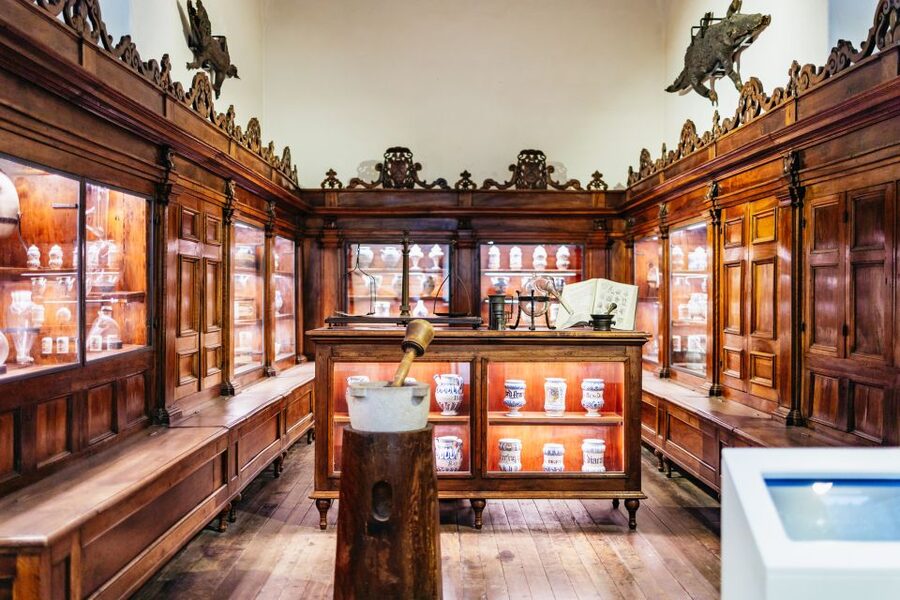
- New Galleries: 170 historical models plus artwork, ancient volumes, and immersive installations covering Da Vinci’s full life and works
- Transportation centerpieces: steam trains, the Luna Rossa AC72 catamaran, and multiple ships and vehicles
- Space area highlights: the only moon fragment visible in Italy plus the Vega space launcher
- Submarine access may need extra steps: interior access can require booking at the ticket office
- Expect more than Da Vinci: temporary exhibits can cover energy, materials, communication, transport, and particle physics
- Go in with time: many people end up staying far longer than they planned
What you’re really buying with this Milan museum entry
For about $15 per person, you’re getting a 1-day entry ticket to one of Europe’s biggest science and technology museums, anchored by Leonardo da Vinci. It’s not a quick stop. This is a “walk slow and look close” museum, with machines and models arranged like a learning trail through engineering, exploration, and the future.
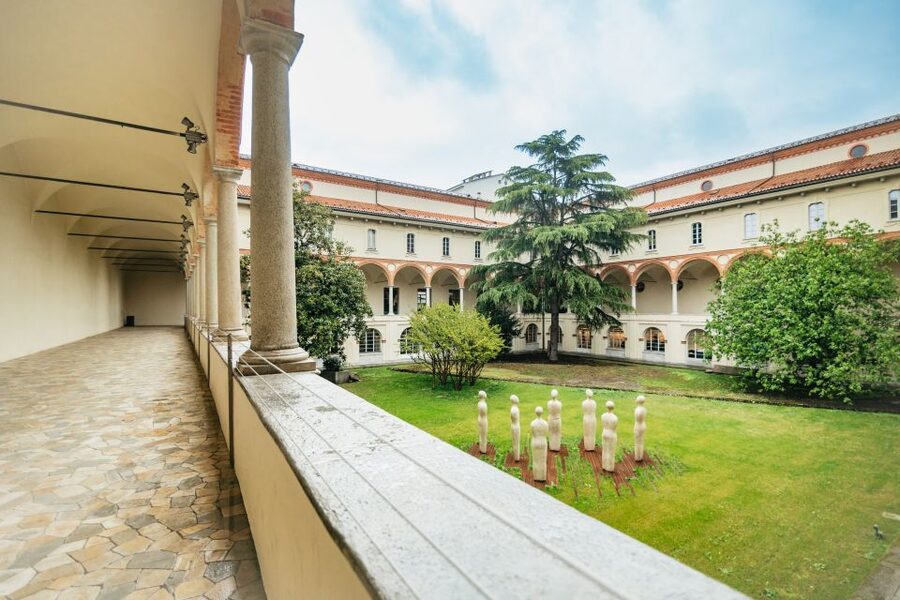
The setting helps too. The museum sits in the cloisters of a Renaissance monastery. So while you’re seeing rockets, ships, and trains, you’re also surrounded by a very old Milanese structure—one of those rare places where history and engineering sit in the same room without feeling forced.
Practical note: there’s no guided tour included. That can be great if you like freedom. It can also mean you’ll need to read signage and take your time, because the museum isn’t just there for pictures—it’s built to make you pause and understand.
New Galleries: Leonardo’s ideas in 3D, not just sketches
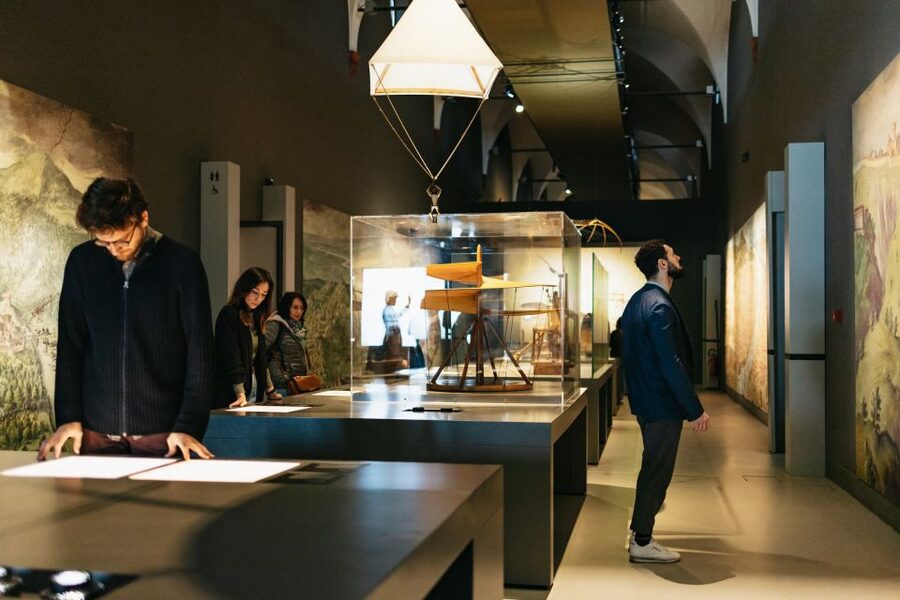
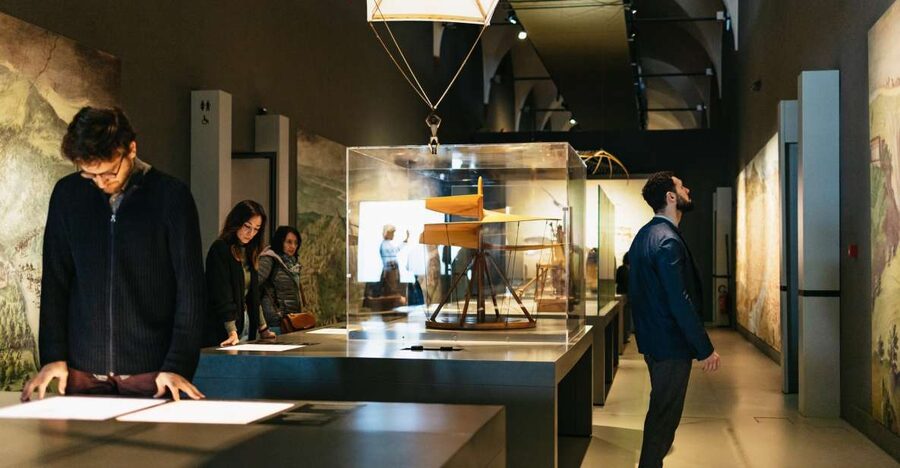
If you’re even mildly curious about how Leonardo thought, you’ll feel it most in the New Galleries. This is the centerpiece: the largest permanent exhibition dedicated to Leonardo da Vinci, built around a collection of 170 historical models. That matters, because Da Vinci isn’t only famous for drawings. He’s famous for engineering thinking—problems, mechanics, and systems.
Here’s what makes the New Galleries work for real visitors: the displays aren’t just a timeline. The models help you connect the dots between Leonardo’s sketches and how something would function as a machine. You’re also surrounded by works of art and ancient volumes, so the museum doesn’t treat science as cold and separate from culture.
You’ll likely move at different speeds through different sections. Some rooms read fast. Others are “stand here a while” rooms. Plan for that. Even people who think they’ll do two or three hours often end up extending the visit once they get into the modeling and installations.
One more thing to know: the Leonardo portion is not the whole museum. The New Galleries are the heart, but the museum’s “side quests”—transport, space, and underwater tech—can swallow your time in the best way.
Steam trains, catamarans, ships, and all the ways humans move
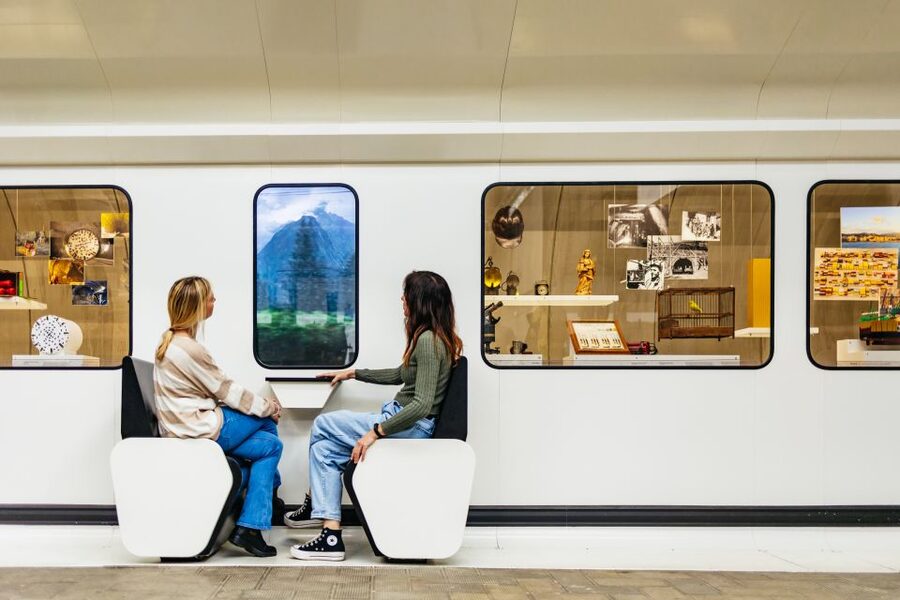
Beyond Da Vinci, the museum leans hard into transport and engineering. If you like machines that look like they could actually work, you’re in the right place.
Start with the steam trains. They’re the kind of exhibit that pulls you in even if you don’t consider yourself a rail fan. The museum places these alongside other historical objects so you can feel the progression of technology—how power, materials, and design goals shift over time.
Then comes the nautical and racing section. You can see the Luna Rossa AC72 catamaran and other impressive vessels such as the brigantine schooner Ebe and the transatlantic ship Conte Biancamano. The value here isn’t only the big-name objects. It’s the way the museum helps you compare designs and purpose. A sailing craft is one set of problems. A transatlantic crossing is another. Watching them together gives you a sense of engineering as a response to real constraints.
The museum also includes the kind of aircraft-and-space-adjacent displays you’d expect in a tech museum. Even if you mostly care about one topic, the exhibit layout encourages crossovers—one room makes the next room easier to understand.
Possible downside: some exterior or larger objects can be unavailable on certain days due to maintenance or renovations. If you care about a specific outdoor display (like the submarine or other large equipment), it’s worth checking signage on arrival so you don’t waste energy hunting for something that isn’t accessible that day.
The space area: moon fragment in Italy and a real rocket vibe
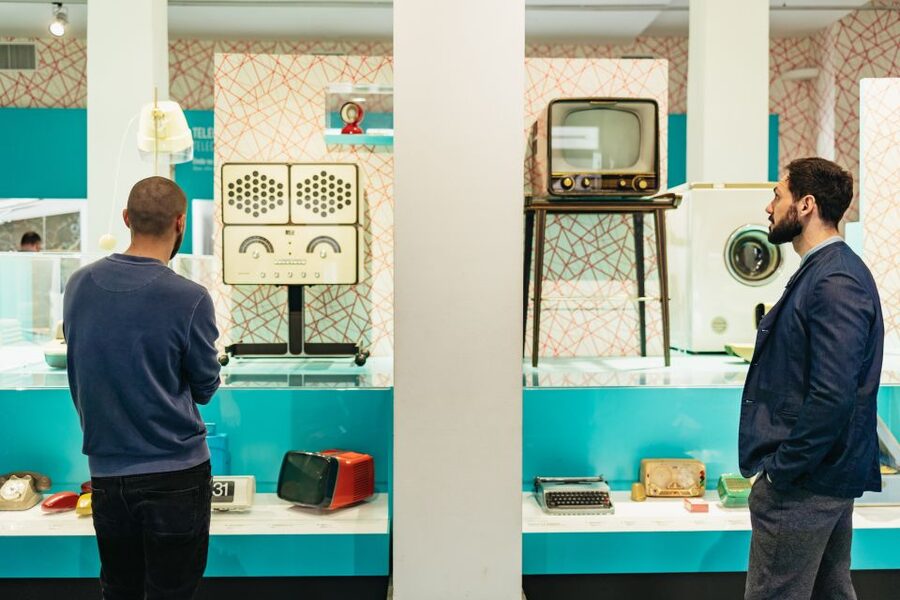
The space area is a strong reason to book this ticket instead of only doing a Leonardo-focused stop. It’s where the museum flips from “machines built for Earth” to “machines built for distance.”
The headline item is the only moon fragment visible in Italy. Seeing a physical fragment is the kind of detail that turns “space history” into something concrete. It’s also a natural hook for conversations about science: impact, exploration, and what it takes to get back from the unknown.
The space gallery also includes the Vega space launcher, which helps you connect the display to actual launch technology rather than treating space as pure fantasy. If you like hands-on learning, you might also enjoy the playful elements in the space/spatio area—there are references to puzzles that can work well for kids and adults who learn by doing.
If you’re visiting with mixed ages, this section often becomes the compromise room. Adults can read and think. Kids can move and interact. Everyone gets to point at something and ask why it’s shaped that way.
How long to plan for: the museum is huge (and it’s easy to run out)
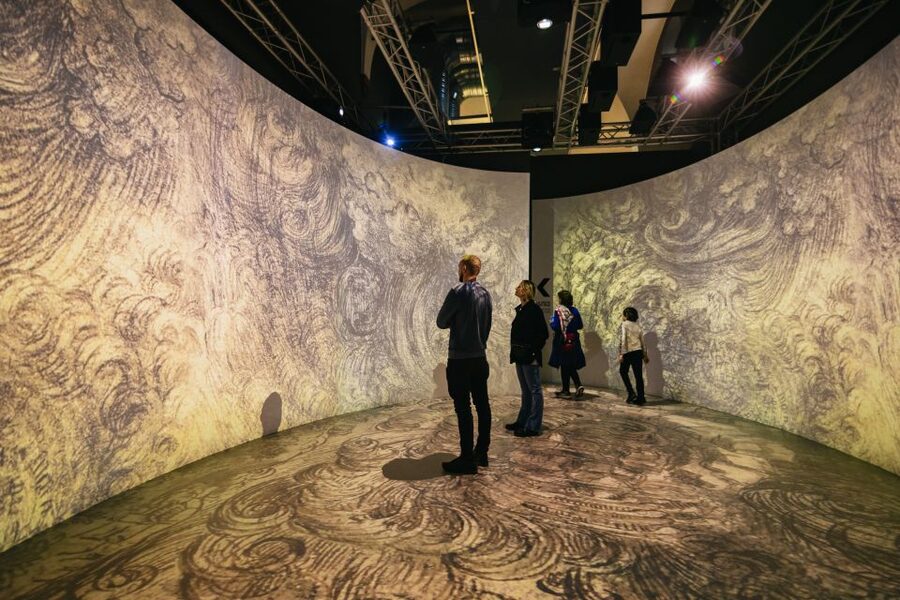
This museum can be a half-day visit only in the sense that you can leave whenever you decide to. In practice, the building is big and the collections are deep, so plan for a longer stay.
A helpful rule of thumb: if you’re the kind of person who actually reads labels, you’ll likely want 4 to 5 hours. If you love transport and space, even more time can disappear fast. Several people reported staying well over their expectations, and that lines up with what the exhibits suggest: you’re moving between major “worlds” within one museum—Leonardo, land transport, ships/air tech, space, and rotating science topics.
The other planning factor is navigation. The floor plan can feel confusing at times, especially if you start by chasing the biggest objects instead of following a simple order. A practical strategy: pick your must-sees first (New Galleries, space area, transport hall), then let everything else become bonus.
Submarine and other “check the rules” moments
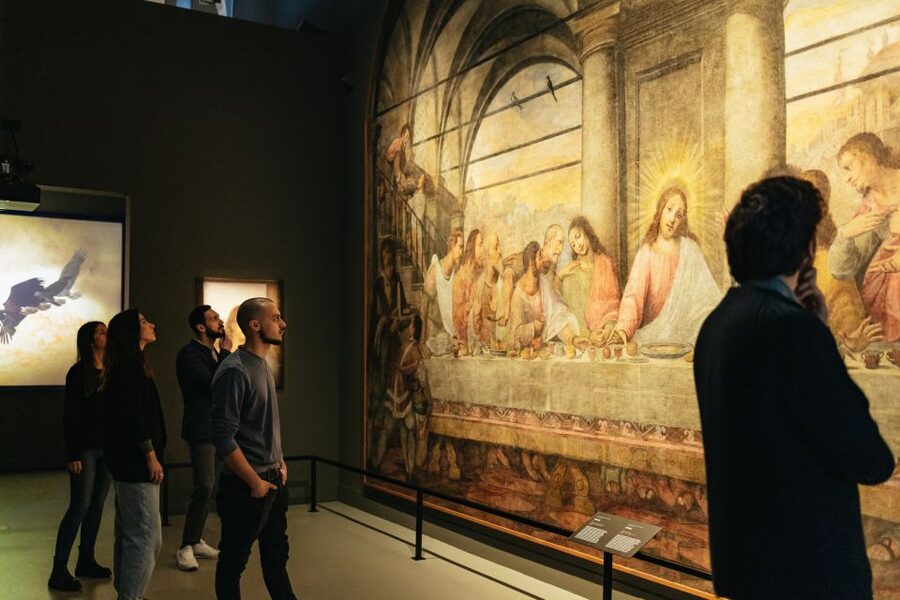
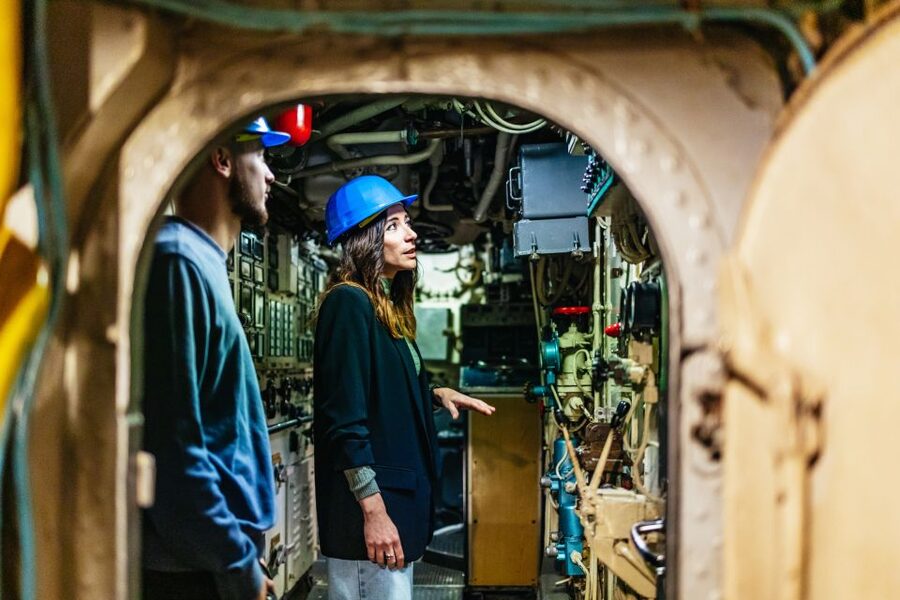
One of the best tech exhibits in the museum lineup is the Enrico Toti submarine. But here’s a real-world caution: interior access may require extra steps. One visitor noted the submarine is only visitable inside if you make a booking at the ticket office, and they weren’t told that up front.
So if you want the submarine interior, do this: when you exchange your voucher and pick up your entrance ticket, ask what access looks like for that day. It’s a small question that can save you from feeling like you missed the best part of the display.
Also remember this general museum rhythm: big objects often have the most lines for access, the most “maybe it’s available” caveats, or the most time needed to fully experience. Don’t schedule a tight transfer right after your entry time unless you’re okay walking out with a few goals still unfinished.
Temporary exhibitions: science topics change, so check what’s on
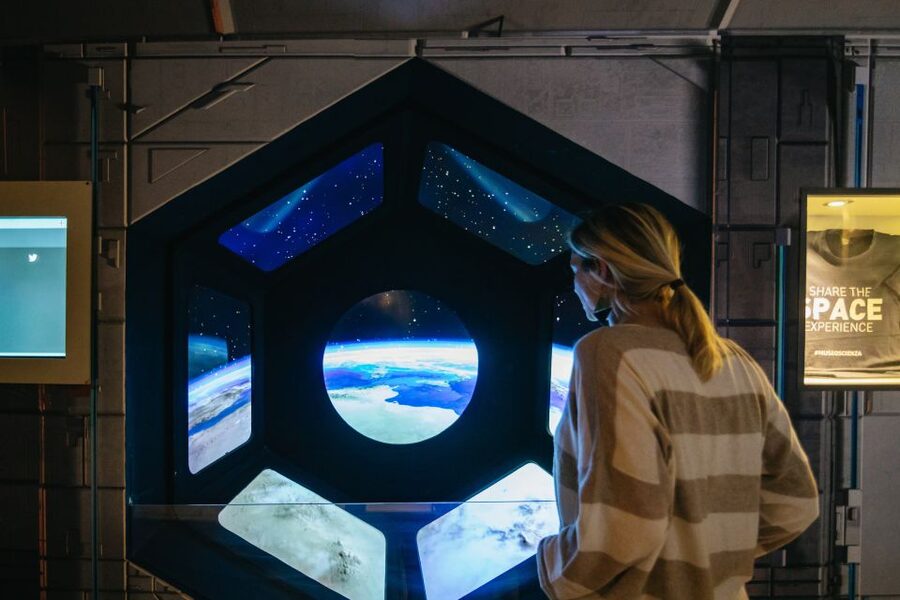
This museum isn’t stuck in one theme forever. Keep an eye out for temporary shows and exhibits that can cover energy, materials, communication, transport, and particle physics.
That’s valuable because it keeps the museum from feeling like a museum exhibit repeat. Even if you’re there for Leonardo, temporary science areas can broaden your perspective on how ideas move from workshop to lab to society.
If your schedule is flexible, this is also a reason to go at the start of your Milan stay rather than your last day. If something new is running, you’ll have enough time to adjust your route. If it’s the last day, you’re more likely to rush and miss the “less obvious” rooms that connect the whole concept.
Price and value: entry ticket meaning you control the pace
At $15 for a full-day museum entry, the value is strong, especially because you’re not only paying for one attraction. You’re getting transport engineering, space displays, historical modeling, and a Da Vinci-focused permanent exhibition all in one stop.
The tradeoff is that this ticket doesn’t include a guided tour. That can be totally fine if you like self-guided learning. The museum provides enough structure that you can keep moving room to room. But if you prefer explanations delivered out loud—especially with kids in tow—you may want to rely on your own questions and the signage, or pair the visit with a separate guide outside this entry.
One practical thought: bring a notepad or use your phone to track what you want to see next. Since the museum can be easy to wander around for hours, having a tiny list helps you feel like you accomplished your priorities instead of just surviving the museum.
Logistics that actually matter: exchanging your voucher and entering smoothly
Here’s the step you don’t want to skip. You’ll need to exchange your voucher at the ticket office to get the entrance ticket. Then you can enter at your scheduled time slot. The ticket lets you access the museum at any time within that time window.
Your entry point is Via San Vittore, 21. After you go through and the internal ticket time is over, you show your ticket again. It sounds a little procedural because it is. The good news is once you understand the exchange-first flow, the visit runs smoothly.
A couple of other practical notes from the visit rules:
- Pets are not allowed (assistance dogs are allowed)
- The museum is wheelchair accessible
- You’re visiting without a guided tour, so plan on self-paced movement
If you’re arriving by public transport, the museum is considered easy to reach, and it’s close to Milan’s metro network, which is handy when you’re juggling a busy day.
Should you book this Leonardo da Vinci museum ticket?
Book it if you want a day that mixes art, engineering, and big sci-tech visuals—without needing to commit to a formal tour. This is especially worth it if you care about how inventions get built, not just how famous they are.
Skip or reconsider if you truly only want a short Leonardo stop. The Da Vinci New Galleries are a highlight, but the museum is built around science and technology as a broad story, and that takes time. Also, if submarine interiors are a must for you, factor in the possibility of extra access steps at the ticket office.
If you like museums where you can wander, compare, and keep finding new details, this ticket is one of the best ways to spend a Milan day that isn’t just monuments and photos.
FAQ
How much time do I need for the Leonardo da Vinci Museum?
This is a full-day museum experience. You should plan on several hours because the building is large and the exhibitions cover many topics, not just Leonardo.
Where do I enter the museum?
Enter at Via San Vittore, 21. This is also listed as the meeting point for the museum entry.
Do I need to exchange my voucher before entering?
Yes. It is necessary to exchange the voucher at the ticket office to get the entrance ticket.
Does the ticket include a guided tour?
No. The entry ticket is included, but a guided tour is not included.
Is the museum wheelchair accessible?
Yes. The museum is wheelchair accessible.
Are pets allowed inside?
Pets are not allowed, but assistance dogs are allowed.