REVIEW · MUSEUM OF FINE ARTS SEVILLE
Seville: Museum of Fine Arts of Seville Guided Tour
Book on GetYourGuide →Operated by Naturanda Turismo Ambiental · Bookable on GetYourGuide
Art history moves fast here. A skip-the-line guided tour of the Seville Museum of Fine Arts turns a big building into a clear story, from the museum’s convent roots to the Baroque painters Seville is famous for.
Two things I really like: first, the guided approach makes the collection feel organized, not random. You’ll see key works across many periods (Romanesque through the 20th century), and the guide helps you notice what matters. Second, the museum’s setting adds extra flavor—the interior still echoes its former life as the old La Merced Convent, so the art lands with extra atmosphere. The one drawback to weigh is language: even if you book English, there’s a real chance a shared group could shift to Spanish depending on the mix of participants.
In This Review
- Key things to know before you go
- Inside the museum: art in rooms shaped by La Merced
- The 1.5-hour guided format: how it helps without tiring you out
- Seeing centuries, not chaos: Romanesque to the 20th century
- Seville’s Baroque glow: Zurbarán, Murillo, and Valdés Leal
- The quick Plaza del Museo stop: a small reset before the galleries
- Where it starts: Calle Alfonso XII and arriving on time
- Guide-led storytelling and the language reality
- Skip-the-line entry: when it’s worth paying for
- What to bring so the visit feels easy
- Is this tour for you?
- Should you book this Seville Museum of Fine Arts guided tour?
- FAQ
- How long is the Seville Museum of Fine Arts guided tour?
- What’s the price per person?
- Does the tour include skip-the-line entry?
- What languages are available for the tour and audio guide?
- Where do I meet the group?
- What do I need to bring?
- Is there an option for a private group?
Key things to know before you go
- Skip-the-line saves time so you can spend your energy inside the galleries, not waiting outside.
- A 1.5-hour plan keeps it focused, especially if you’re not trying to “power through” a full museum day.
- La Merced Convent setting gives the rooms a former-religious mood that fits the art well.
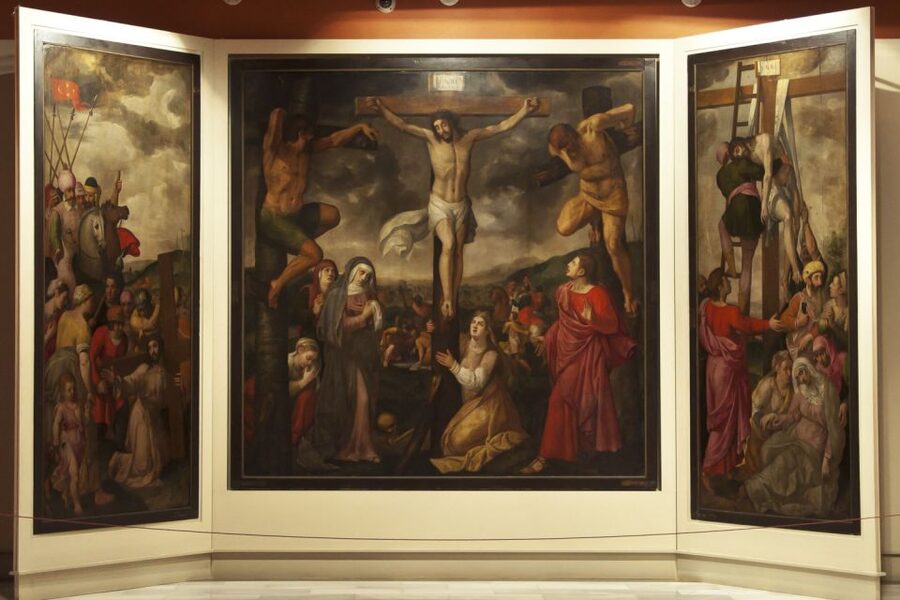
- The tour highlights Seville’s Baroque stars like Zurbarán, Murillo, and Valdés Leal.
- Guide quality can make or break it, and feedback names guides like Carmen, Miguel, and Adrián as standout voices.
- Language can be flexible in shared tours, so double-check expectations if English is essential.
Inside the museum: art in rooms shaped by La Merced
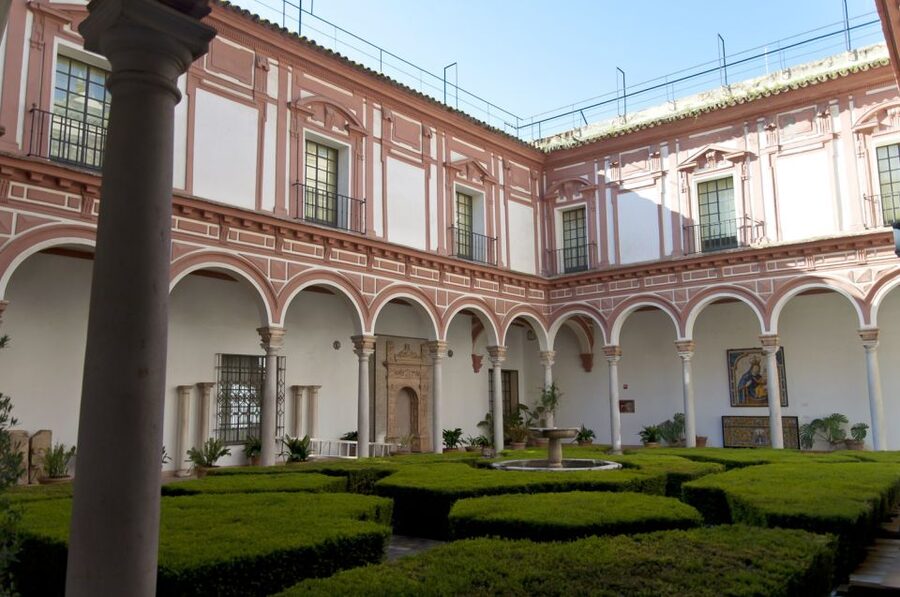
The Seville Museum of Fine Arts is not just a place where paintings hang. It’s a museum that still carries echoes of its past as the old La Merced Convent. That matters because it changes how the galleries feel. Even before the first big artwork, you’re surrounded by a layout that reminds you this space once served a religious purpose.
That context is especially helpful if you like your art with a bit of grounding. Seville’s greatest painters often worked in a world where religion, ceremony, and public emotion were tightly linked. When you’re standing in a building that still resembles those earlier functions, the themes behind many paintings make more sense right away.
Also, starting in a museum like this is a smart move for your first time in Seville’s art scene. You’re getting both the building and the collection in one shot, without having to figure out the “where do I even begin?” problem alone.
The 1.5-hour guided format: how it helps without tiring you out
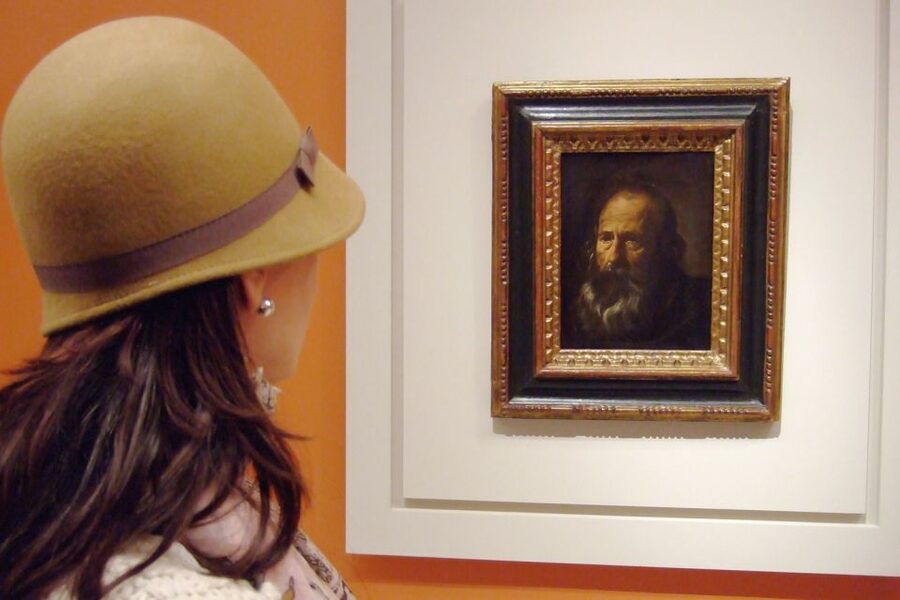
This isn’t a marathon tour. It’s designed to last about 1.5 hours (with roughly 105 minutes inside), which is a sweet spot if you want depth but still need your legs and attention to stay intact.
Here’s why the time box is actually valuable. The museum is big enough that a self-guided visit can turn into aimless wandering, or worse—accidental skipping of the works you came for. A guided tour gives you a route. It also means you’re not spending the best minutes trying to decode what you’re looking at.
You’ll also get a photo stop as part of the visit flow, and then a guided walk through the museum’s most outstanding pieces. That structure keeps things moving at a human pace. One of the best pieces of feedback is that it’s possible to learn and enjoy without getting exhausted—exactly what you want when you’re traveling and doing several activities in one day.
Seeing centuries, not chaos: Romanesque to the 20th century
One of the museum’s big claims to fame is how wide its timeline is. The collection spans from Romanesque times all the way to the 20th century. That’s a lot of art history in one building, and the only way it feels manageable is if someone points out what to look for and why.
During your guided time, the story typically moves across multiple periods. The point isn’t that you’ll memorize every label. The point is that you’ll learn how styles and subjects change over time—and how Sevillian painting fits into that larger European picture.
In practical terms, the guide is there to translate the obvious-but-confusing stuff: composition choices, religious or cultural cues, and the reasons certain works became famous. You’ll also pick up small curiosities—those details that make you stop and look again instead of just snapping a photo and moving on.
If you’ve ever visited a museum and felt like you were watching art through the glass of your own confusion, this kind of tour can fix that quickly.
Seville’s Baroque glow: Zurbarán, Murillo, and Valdés Leal
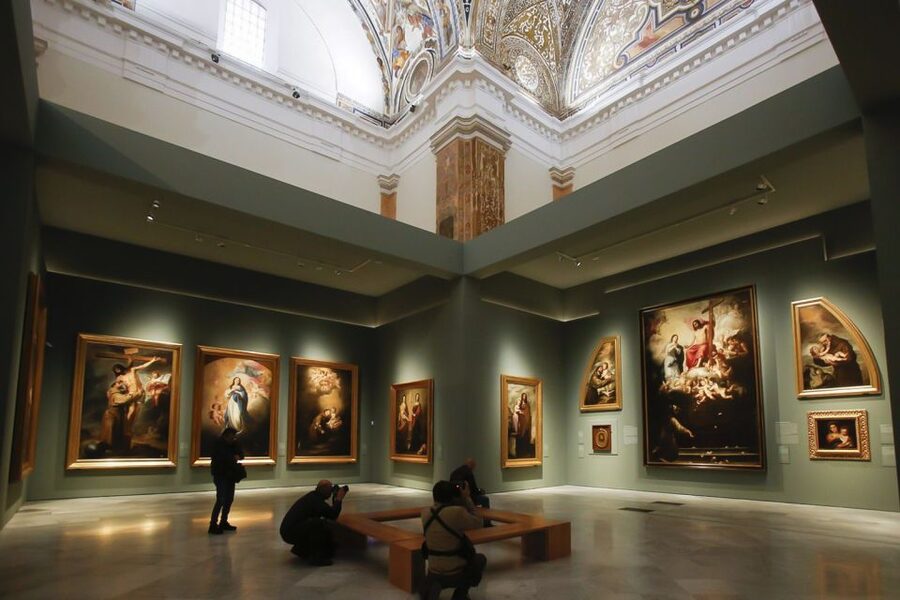
The heart of this tour experience is the museum’s strength in the 17th-century Golden Age of Sevillian painting. That’s where you’ll spend real time with the work of Francisco de Zurbarán, Bartolomé Esteban Murillo, and Juan de Valdés Leal.
Baroque art can feel emotionally intense. That’s not a complaint—it’s just the nature of the style. Many works lean into drama, strong contrasts, and religious storytelling designed to land with force. Without guidance, you can miss why a scene works, or you might feel like you’re stuck reading only the subject matter.
This is where a good guide earns their fee. Feedback highlights that guides can add humor and fun even when the subject matter is heavy. That matters because it keeps your brain awake while you’re learning what makes these painters special.
Also, Zurbarán, Murillo, and Valdés Leal each represent different flavors within the same general era. Even if you’re not an art-history expert, the tour format helps you compare what changes: mood, approach, and how the painter guides your eye.
The quick Plaza del Museo stop: a small reset before the galleries
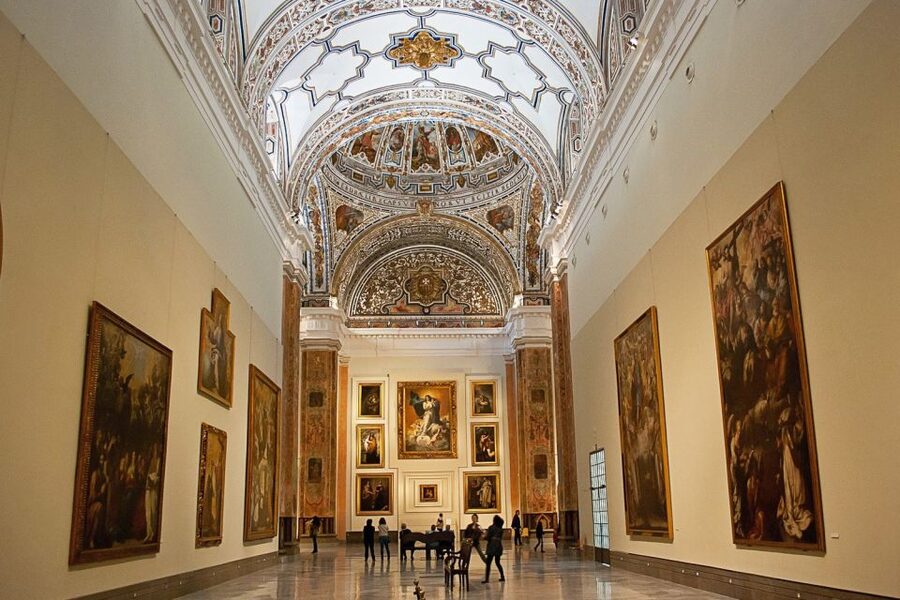
You’re not walking into the museum cold. The tour includes a short stop at Plaza del Museo, connected to the hop-on hop-off area, for about 10 minutes. You may use that moment to regroup, take a quick photo, and get your bearings before you enter the rooms.
This matters because many people arrive to Seville museums already tired. A short pause before the artwork begins helps you reset. You’ll also have an easier time understanding the flow of the visit once you’re inside, since you’ve already oriented yourself outside.
If you’re doing a busy itinerary in Seville, this kind of in-between buffer is underrated. It makes the guided part feel smoother instead of rushed.
Where it starts: Calle Alfonso XII and arriving on time
Meeting happens at the local partner’s tourist office at Calle Alfonso XII, 35, which is a short walk from the museum area. The tour also references a starting point connected with Trespies, but the key thing for you is this: show up at the meeting point early enough to avoid being late.
No refunds are offered for latecomers or no-shows, so don’t treat this meeting like a suggestion. In a city like Seville, one wrong turn can cost you more time than you think—especially if you’re trying to find the exact office entrance.
Practical tip: if you’re planning to see other sights the same day, build in extra travel time after your museum time ends too. Your brain will be in “art mode,” and you might not notice how fast the daylight is shifting.
Guide-led storytelling and the language reality
The tour includes a live guide, and languages available are Spanish and English. You also get an audio guide in Spanish and English. In theory, that gives you a strong safety net: if your live guide is speaking in one language and you need help, the audio can keep you from losing the thread.
Here’s the honest consideration: one review described an English booking that shifted to Spanish because the group included enough Spanish speakers, and there weren’t alternate English slots offered. That doesn’t mean it happens every time, but it’s enough of a risk that you should think about what you’ll do if English is not what you get.
So how should you plan?
- If you’re comfortable with Spanish basics, you’ll likely handle a switch more easily.
- If English is non-negotiable for understanding the details, you might want to choose the private group option when available, since it’s built to be more controlled.
On the positive side, the guided experience has strong signals of quality. People specifically name guides like Carmen, Miguel, and Adrián for clear information and strong delivery. One highlight was how Miguel brought energy and humor to a period that can feel heavy. Another was that Adrián helped keep the visit instructive without making it feel like homework.
That’s exactly what you want: accurate art talk with a human tone.
Skip-the-line entry: when it’s worth paying for
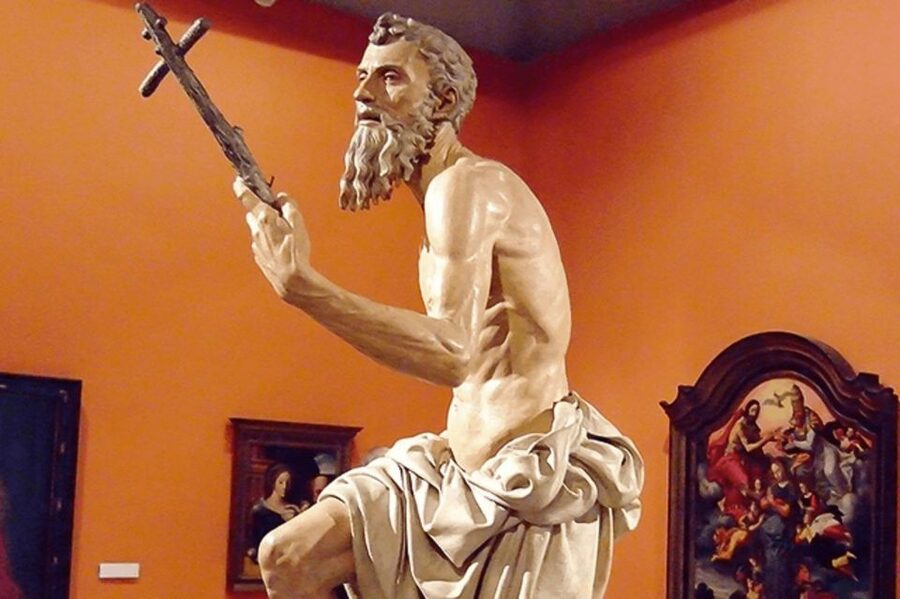
With museum visits, the biggest hidden cost is time. You can pay in money, or you pay in minutes. This tour pays in money so you don’t pay in waiting.
At $17 per person for a 1.5-hour guided experience, the “value math” looks pretty decent if you’re traveling during busy hours or you simply hate lines. You’re paying for:
- skip-the-line ticket entrance
- a professional guide
- a guided route inside the museum
- an audio guide included
If you were to visit alone, you could still enjoy the museum, but you’d likely spend time figuring out what to prioritize. And you’d lose the benefit of someone pointing out the most important details and curiosities.
Where the cost might feel less worth it is if you already know exactly which rooms and works you want, and you’re happy reading labels slowly on your own. But for most people, especially first-timers, a guide plus skip-the-line makes the experience feel efficient and intentional.
What to bring so the visit feels easy
You don’t need special gear, but do bring what the tour asks for:
- Passport or ID card
- Comfortable shoes
The shoes point is practical. Museums involve a lot of standing and short walking bursts, and art viewing is not the same as strolling a street. If your feet are angry, your attention drops, and then you miss the “small but important” details that guides tend to emphasize.
If you can, also wear something weather-friendly. Seville days can run hot, and by the time you enter the museum, you’ll want to feel comfortable enough to focus.
Is this tour for you?
Book this tour if you want a guided, time-efficient introduction to one of Seville’s key art collections, especially if you’re interested in 17th-century Sevillian painting. It’s a strong option when you value expert interpretation but don’t want a full day of museum fatigue.
Skip it or think twice if:
- you absolutely need the tour in English and want a guaranteed English-only experience for a shared group
- you prefer completely self-directed museum time and already know what you want to see
If you’re on the fence, the safest decision is to match your language needs with the tour type offered (shared vs private) so you don’t end up fighting your way through explanations.
Should you book this Seville Museum of Fine Arts guided tour?
Yes, I think it’s a good buy for most visitors. The skip-the-line entry plus a structured 1.5-hour route means you get to the heart of the collection without wasting your day. Add the museum’s convent setting, and the guide’s storytelling (including the humor and clarity praised for guides like Miguel and Adrián), and you’re set up for a visit that feels both meaningful and manageable.
If your English understanding is critical, plan carefully—language can vary in shared groups. Otherwise, this tour is one of the smarter ways to experience the Museum of Fine Arts without turning it into a solo scavenger hunt.
FAQ
How long is the Seville Museum of Fine Arts guided tour?
The tour lasts about 1.5 hours, with roughly 105 minutes inside the museum.
What’s the price per person?
It costs $17 per person.
Does the tour include skip-the-line entry?
Yes. Your ticket includes skip-the-line entrance.
What languages are available for the tour and audio guide?
The live guide is offered in Spanish and English, and an audio guide is also included in Spanish and English.
Where do I meet the group?
Meet at the local partner’s tourist office at Calle Alfonso XII, 35, a short walk from the museum.
What do I need to bring?
Bring a passport or ID card and wear comfortable shoes.
Is there an option for a private group?
Yes, private group tours are available.