REVIEW · DOLIANOVA
Olive Oil Museum: Extravirgin school – Food & wine tasting
Book on GetYourGuide →Operated by Francesco Locci · Bookable on GetYourGuide
Olive oil school in Sardinia beats a museum. You start at a working oil mill, tour the oil museum, then learn how to spot premium extra virgin olive oil with a real tasting session. It’s practical, sensory, and very Sardinian—less lecture, more hands-on.
I especially like the quality lesson with Francesco Locci, because you come away with a method you can use at home. I also love the food-and-drink pairing: cured meats, olives, carasau bread, and sparkling wine make the flavors feel obvious. One watch-out: it’s a one-hour experience, so if you want a long hang and lots of shopping time, plan to browse after the tasting.
In This Review
- Key Things You’ll Notice Right Away
- Entering Museo dell’olio Sa mola de su notariu: Where Oil Culture Feels Practical
- The Start at the Modern Oil Mill: See How Today’s Oil Is Made
- Sa mola de su notariu Museum: Old Equipment, Lamp Stories, and an Underground Cistern
- Francesco Locci and the Quality Class: Learn What Makes Extra Virgin Worth Buying
- Aromatized Oils and the Flavor Pairing Lesson: Limolio and Rogo del Tempio
- The Food-and-Wine Portion: Cured Meats, Olives, Carasau Bread, and Sparkling Wine
- Museum Admission and Discounts: How to Turn a Tasting Into Take-Home Value
- Price and Value: Is $60.35 Worth One Hour?
- Who This Experience Fits Best (and Who Might Skip It)
- Should You Book Olive Oil Museum: Extravirgin School?
- FAQ
- How long is the Olive Oil Museum: Extravirgin school food and wine tasting?
- How much does it cost per person?
- What languages are the guided tours available in?
- What’s included in the tasting?
- Is there parking at the museum?
- Are dogs allowed?
- Is the venue wheelchair accessible?
Key Things You’ll Notice Right Away
- A mill + a museum combo: modern milling videos plus an old-school museum setting for context.
- A real tasting skill: you learn what fruitiness, bitterness, and spiciness mean in the cup.
- Flavored oils with purpose: Limolio and Rogo del Tempio come with clear ways to use them.
- Sardinian food pairing: cured meats, natural olives, water, and carasau bread with sparkling wine.
- You get insider guidance: Francesco is hands-on and shares local direction beyond the class.
- You can park easily: free parking in a large lot; dogs are welcome too.
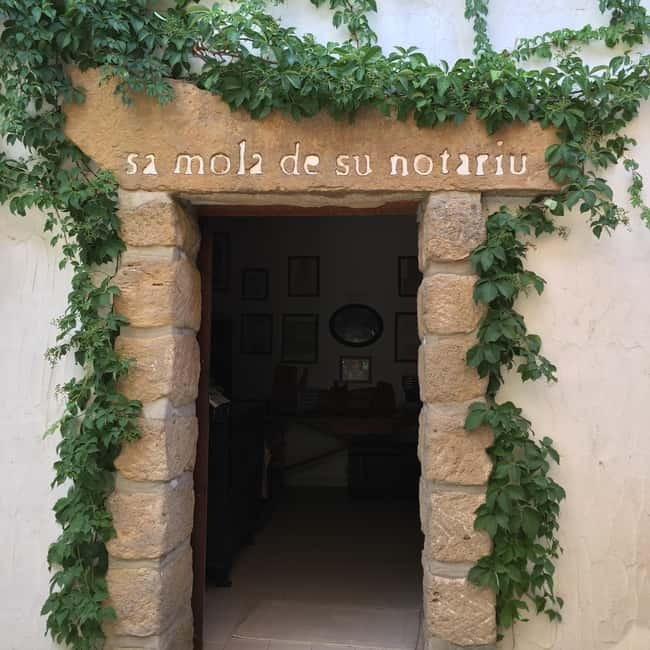
Entering Museo dell’olio Sa mola de su notariu: Where Oil Culture Feels Practical
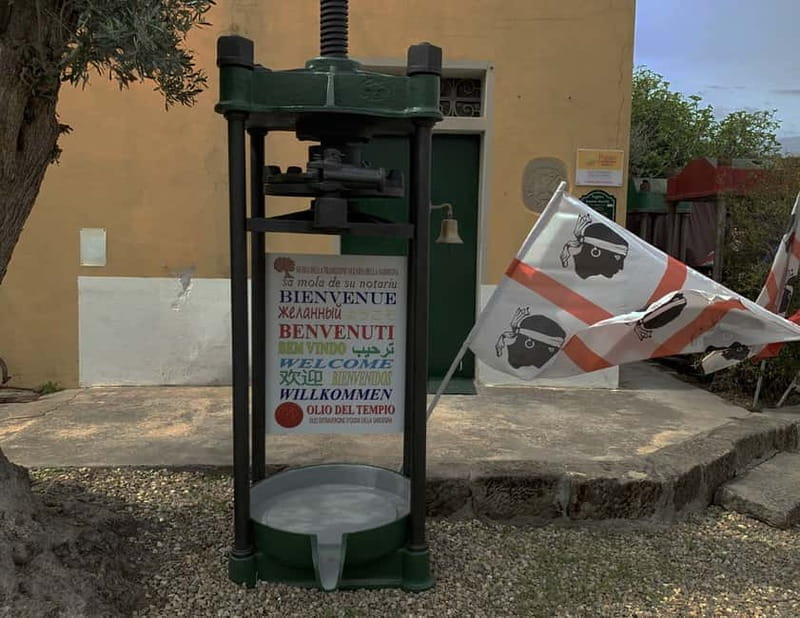
This experience is built around one idea: olive oil isn’t a background ingredient in Sardinia. It’s food, tradition, and a source of pride. The setting helps you feel that fast. You’re not just reading about oil—you’re moving through production space and then into a museum that explains why oil matters here.
Logistics are refreshingly simple. You can park your car in the museum parking lot, and the venue is set up for convenience. If you’re coming from Cagliari, there’s bus line 108 (about 54 minutes from the city center, based on the info provided). You’ll also find free WIFI, and the site is wheelchair accessible. If you travel with a dog, it’s dog-friendly, with a bowl of water ready.
The session itself is short—about one hour—which is great if you want something focused between longer sightseeing blocks. It also means the pacing is tight: you’ll taste, learn, and then you’ll have time to shop if you want bottles for home.
The Start at the Modern Oil Mill: See How Today’s Oil Is Made
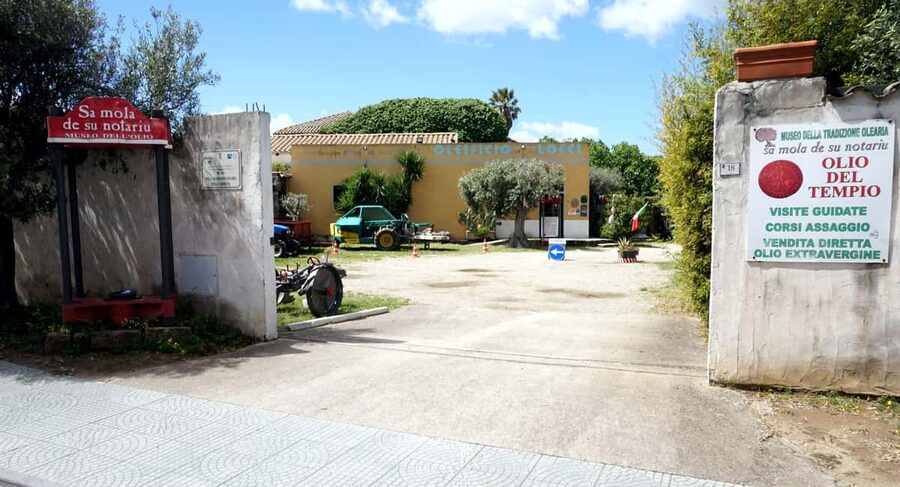
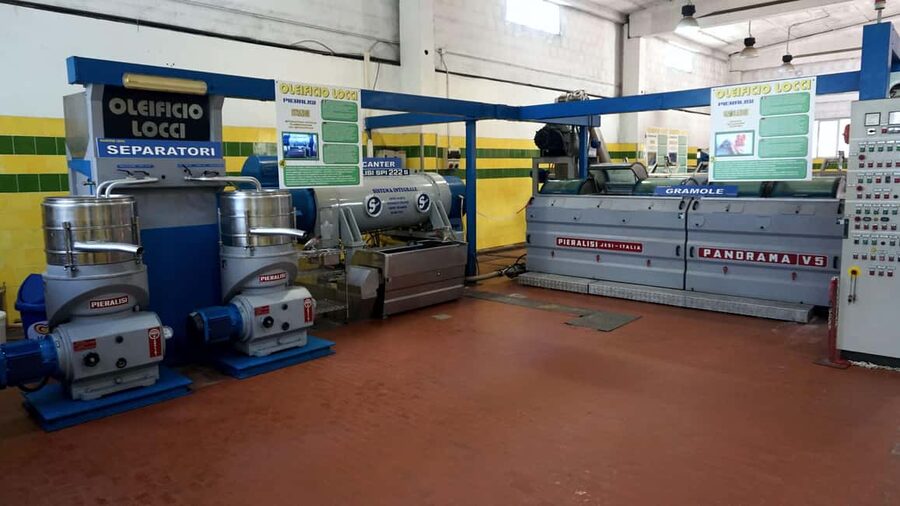
The tour kicks off at the state-of-the-art oil mill. This part matters, even if you don’t consider yourself a food nerd. The mill tour uses video presentations to show the stages of harvesting and processing, so you get a clear picture of how fruit becomes oil.
Why it’s valuable: a lot of tasting experiences stop at flavor. Here, you see how processing choices can affect what you taste later. Even at a high level, it helps you understand why two bottles can taste like they come from different worlds.
You’ll get a brief guided introduction (you’re not stuck for long in one room), then you move into the museum portion where the story broadens beyond machines.
Sa mola de su notariu Museum: Old Equipment, Lamp Stories, and an Underground Cistern
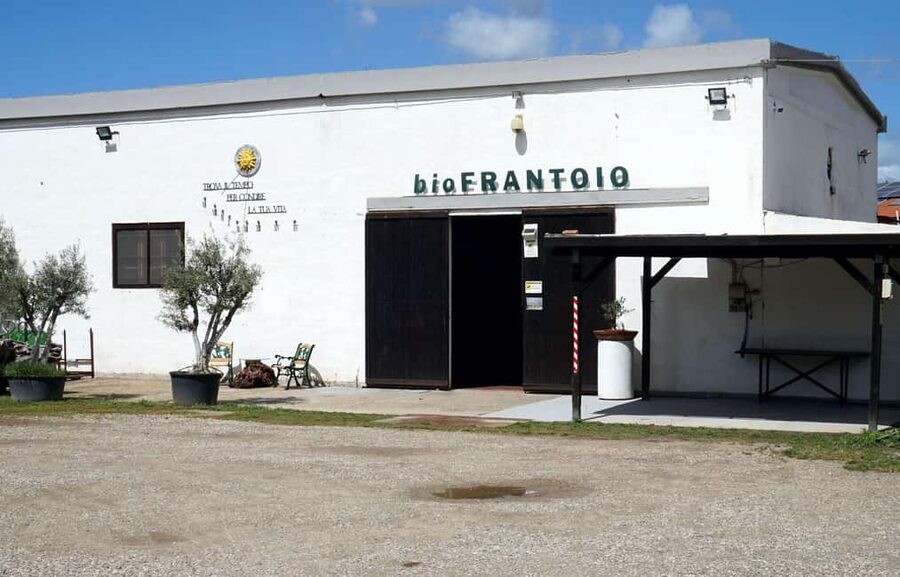
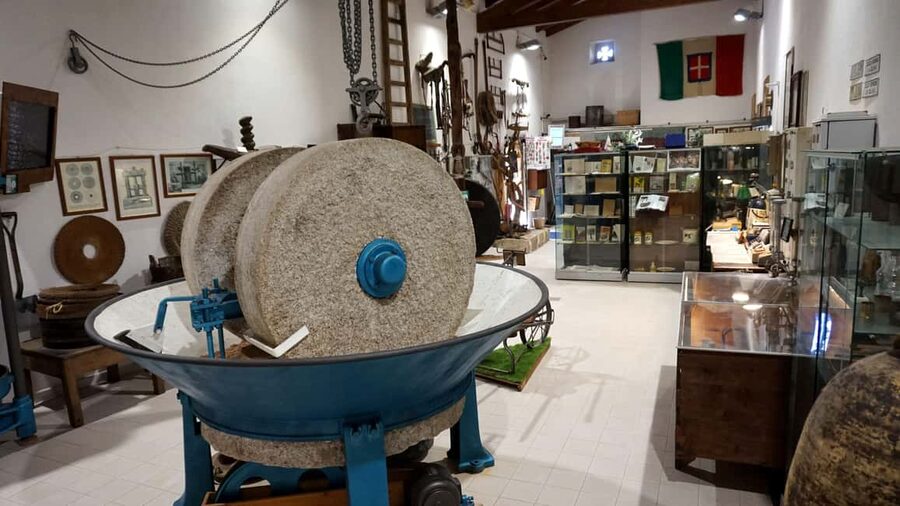
Next is the oil museum experience inside Sa mola de su notariu, with a guide leading you through the history and traditions of extra virgin olive oil. The setting is intentionally time-warped: ancient equipment, stories from the oil world, and a clear sense that olive oil is a centuries-long Sardinian thread.
One of the most memorable moments is the chance to descend into an old underground cistern. The cistern is described as an enchanted place connected to oil lamps and ancient artifacts tied to the world of oil. Even if you’ve toured lots of museums, this kind of underground visit tends to stick because it’s physical. You can feel why people once stored and protected precious things below ground.
This museum portion gives you the cultural “why.” Then the tasting gives you the “how,” which is where many food tours lose momentum. This one tries to keep the story connected to what you’re actually drinking.
Francesco Locci and the Quality Class: Learn What Makes Extra Virgin Worth Buying
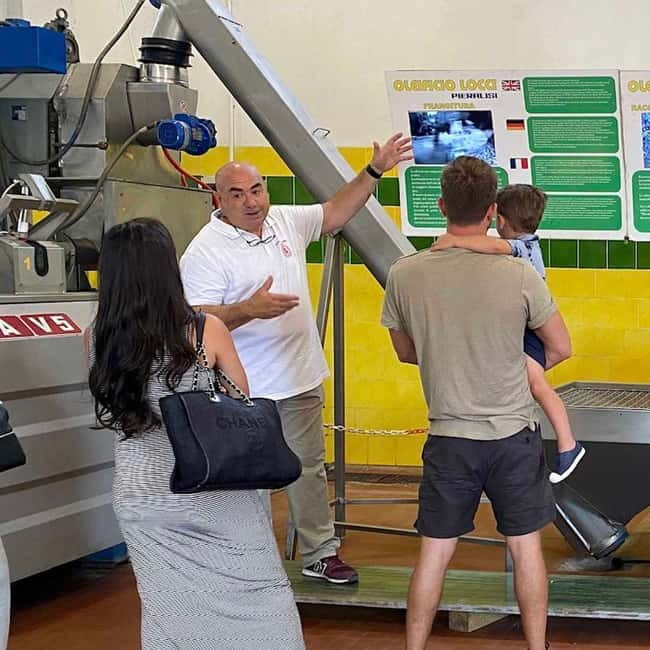
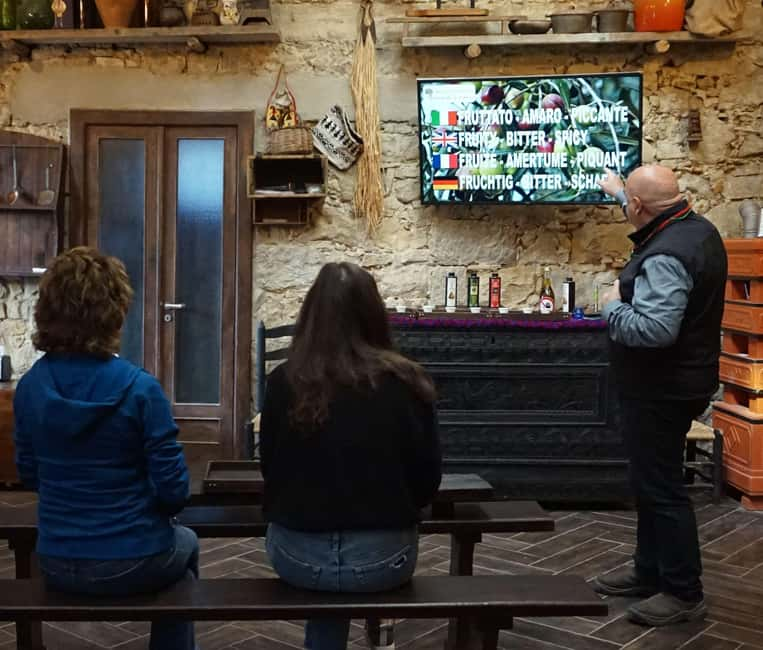
The heart of the experience is the lesson on how to identify high-quality extra virgin olive oil. Francesco Locci guides this part in a way that connects sensory detail to simple judgments. You’re not just being told that premium oil is better—you learn to recognize it.
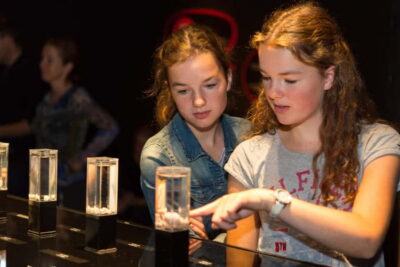
The tasting lesson focuses on the sense that matters most for oil: taste and aroma. You’ll work your way through what to notice in terms of fruitiness, bitterness, and spiciness. Those aren’t random words on a label. They’re descriptors that help you understand the oil’s character.
Practical tip: when you taste, slow down. Smell, then sip, then let the oil’s sensation move across your palate. Bitterness and spiciness can be subtle at first, but once you know to look for them, they start to feel consistent from bottle to bottle.
You also get instruction via slides, so it’s not only sensory. That matters if you want to bring a method home, not just remember that something was tasty on the day.
Aromatized Oils and the Flavor Pairing Lesson: Limolio and Rogo del Tempio
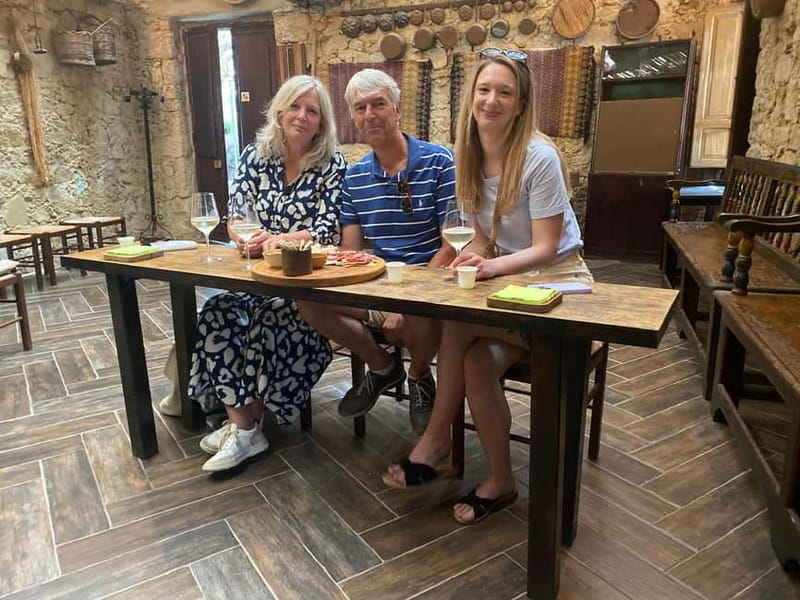
After the quality fundamentals, you move into a more playful tasting track: aromatized oils and specialty blends. This is where the experience becomes fun and immediately usable in your kitchen.
Two named oils are highlighted:
- Limolio: made from organic olives and lemons. The idea is clear—use it for dressing salads and for fish. If you’re the type who buys flavored oils and never knows what to do with them, this label-to-usage guidance is exactly what you want.
- Rogo del Tempio: a spicy oil made with nine traditional Sardinian herbs. It’s meant to enhance meat or baked dishes, with a rich herb bouquet. If you like food with heat and scent, you’ll probably understand why this style exists once you taste it.
You’ll also sample other flavored oils with various tastes and aromas, served alongside appetizers and bread-based bites. The approach is smart: it trains you to connect flavor notes to real meals, instead of treating oil as a novelty.
The Food-and-Wine Portion: Cured Meats, Olives, Carasau Bread, and Sparkling Wine
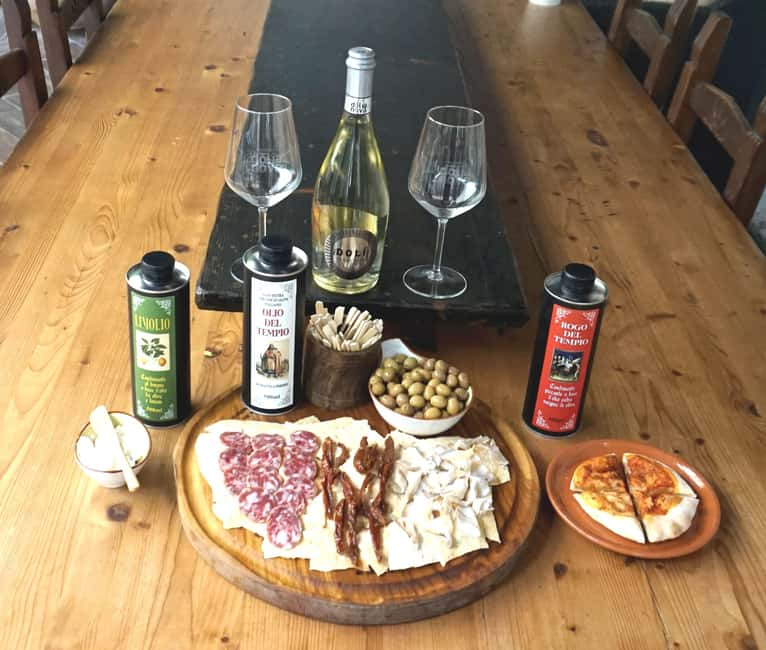
The tasting isn’t only about oil in a tiny cup. It comes with a table setting that makes each oil easier to understand.
You’ll be served a platter that includes:
- cured meats
- natural olives
- water
- carasau bread
- plus sparkling wine
This pairing is a big part of the value. Sparkling wine cuts through oil’s richness, cured meats echo salt and savory depth, and carasau bread gives you a neutral base to compare flavors. When people come away saying they’ll look at olive oil differently, it’s usually because the oil wasn’t tasted in isolation.
If you’re sensitive to strong flavors, start with the milder oils first, then move toward the spicier blends like Rogo del Tempio. If you’re fearless, you can go in the other direction and work down to more delicate flavors.
Museum Admission and Discounts: How to Turn a Tasting Into Take-Home Value
You also get complimentary admission to the olive oil museum itself, and there are special discounted rates on premium oils available only to guests. That’s where the value becomes practical. If you found a flavor profile you really like—especially after learning what “good extra virgin” tastes like—you can turn that knowledge into a purchase without feeling like you’re buying blind.
This is also why timing matters. Since the whole experience is around one hour, the tasting can naturally lead you to shop quickly at the end. If you want to compare bottles carefully, don’t feel rushed—just remember your window is limited during the scheduled portion.
What to buy depends on how you cook:
- If you want everyday quality, aim for a bottle that matches the fruitiness and balance you enjoyed most during the quality lesson.
- If you want fast flavor upgrades, flavored oils like Limolio and Rogo del Tempio are easier to use because the tour explains what they’re made for.
Francesco’s vibe seems to go beyond selling. In the experience described, he also offers recommendations for other local things to visit, which is helpful if you’re building a food-centered route around Sardinia.
Price and Value: Is $60.35 Worth One Hour?
At about $60.35 per person, this isn’t a budget activity, but it also isn’t overpriced for what you get. The value comes from three things happening in one compact block:
- Guided education on how to identify quality extra virgin olive oil (not just “try this, it’s good”).
- A real tasting with multiple oils, plus food and sparkling wine.
- Museum access and the chance to purchase with guest-only discounts.
For comparison, many food experiences charge similar money for tastings that stop at entertainment. Here, the learning element is more specific—you leave with descriptors (fruitiness, bitterness, spiciness) that help you shop intelligently later.
If you’re in Sardinia mainly for beaches and scenery, this may feel too food-focused. If you enjoy learning through taste and you like bringing home edible souvenirs that aren’t random, it’s a solid use of time.
Who This Experience Fits Best (and Who Might Skip It)
This is a great fit if:
- you want to learn a useful skill for choosing extra virgin olive oil
- you like tasting sessions paired with food and wine
- you enjoy Sardinian culture that shows up in everyday eating
- you want a short, structured activity that won’t steal an entire day
You might skip it if:
- you dislike guided tastings and want only free-form exploring
- you already feel confident selecting olive oil and just want a quiet museum visit
- you want a longer sit-down meal experience (this is timed and compact)
Should You Book Olive Oil Museum: Extravirgin School?
Book it if you want a confident, practical olive oil education wrapped in a fun tasting. The biggest reason: you get instruction from Francesco Locci and a guided process for understanding what high-quality extra virgin olive oil tastes like. Add the food pairing (cured meats, olives, carasau bread, sparkling wine) and the option to buy discounted bottles, and the hour feels well spent.
If you’re on the fence, consider your motivation. If your goal is to eat and drink your way through Sardinia with something hands-on, this one makes sense. If you’d rather save money for longer tours or a full meal, you could treat this as optional. But for value-for-flavor-and-learning in a single hour, it’s hard to beat.
FAQ
How long is the Olive Oil Museum: Extravirgin school food and wine tasting?
It lasts about 1 hour.
How much does it cost per person?
The price is $60.35 per person.
What languages are the guided tours available in?
The live guide is available in English, French, and Italian.
What’s included in the tasting?
You’ll get an oil mill and museum experience plus a lesson on recognizing quality extra virgin olive oil. The tasting includes flavored oils, appetizers, sparkling wine, water, natural olives, and carasau bread, along with cured meats.
Is there parking at the museum?
Yes. There is free parking in a large lot, and you can park your car there.
Are dogs allowed?
Yes, it’s dog-friendly, and there’s a bowl of water available.
Is the venue wheelchair accessible?
Yes, it’s wheelchair accessible.