REVIEW · PARIS
Seine River Walking Tour with Optional Musée d’Orsay and Cruise
Book on Viator →Operated by ExperienceFirst · Bookable on Viator
Paris makes more sense from the river. This guided Seine River walking tour threads key bridges and riverside spots into a clear story of how Paris’ past shaped what you see today. I love how you start at Pont Neuf and work your way along the water, so you get your bearings fast and don’t just collect postcard photos. I also like the mix of big sights and calmer stretches, like Square du Vert-Galant, where the views do the talking.
One thing to plan for: the narration can run history-heavy, and audio can be a concern. If you know you struggle to hear on walking tours, try to position yourself where you can clearly hear the guide and check whether any audio equipment is available.
If you choose the upgrades, the tour ends at the Musée d’Orsay with a self-guided museum visit included, and you’ll also receive River Seine cruise tickets that stay valid for a year, so you can pick a time that fits your day.
In This Review
- Key things to know before you go
- The point of this Seine walk: orientation plus stories
- Getting started at Pont Neuf (and why the “where” matters)
- Île de la Cité: Paris’ birthplace in miniature
- Pont Neuf to Square du Vert-Galant: big views, then a breather
- Pont des Arts: the lovers’ bridge and a photo stop with a story
- Pont du Carrousel: a Louvre Pyramid glimpse from the river
- Pont Royal: the 17th-century bridge with a Musée d’Orsay sightline
- Musée d’Orsay: self-guided time after the walk
- Optional Seine River cruise: year-valid tickets for better timing
- Price and value: what $41.27 really buys you
- Group size and pace: when you’ll feel comfortable
- Sound and narration: the one concern to take seriously
- Who should book this Seine tour (and who should skip it)
- Should you book this Seine River walking tour with Orsay and cruise?
- FAQ
- What’s the meeting point for this tour?
- Where does the tour end?
- What time does the tour start?
- How long is the experience?
- Is Musée d’Orsay included by default?
- Are tickets for a Seine River cruise included?
- Is this tour a small group?
- Is public transportation nearby?
- Can I cancel for a full refund?
Key things to know before you go
- Pont Neuf to Île de la Cité is a strong start for understanding where Paris began
- Square du Vert-Galant gives you a quiet pause and great Seine views
- Four bridges in a row (Pont Neuf, Pont des Arts, Pont du Carrousel, Pont Royal) keep the scenery varied
- Musée d’Orsay is handled as a self-guided add-on after the walk, not a rushed cram-session
- Cruise tickets are year-valid, so you can match your boat ride to the weather and crowds
- Small group size (max 20) makes it easier to hear, ask questions, and stay on pace
The point of this Seine walk: orientation plus stories
This is a guide-led way to see central Paris as one connected stretch, not a list of separate stops. You’re walking along the Seine, so every turn gives you context—where bridges lead, why certain areas mattered, and what you’re really looking at when you see famous buildings across the water.
The big value here is pacing. The tour covers a compact route with short stops, which keeps you moving without feeling like you’re sprinting. Even better, you finish at the Musée d’Orsay if you chose that option, which can save you from the usual planning headache of figuring out logistics after a long day of sightseeing.
You can also read our reviews of more walking tours in Paris
Getting started at Pont Neuf (and why the “where” matters)
Your day kicks off at Pont Neuf at 1:00 pm. This is a smart starting point because it’s central, easy to orient around, and it instantly puts you in the oldest layer of the city’s bridge story.
Pont Neuf is described as the oldest bridge in Paris, and that matters because it changes how you read everything around it. Instead of seeing a bridge as just scenery, you’ll start recognizing it as infrastructure that shaped movement, commerce, and growth. From here, the Seine isn’t just water under a bridge—it becomes the main stage you’re walking along.
Practical note: the tour is capped at 20 people. That size usually feels manageable on busy sidewalks, and you won’t be stuck behind a wall of shoulders every time you stop for explanations.
Île de la Cité: Paris’ birthplace in miniature
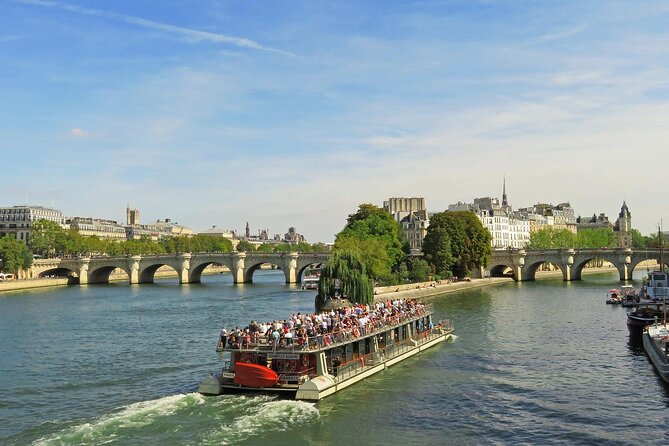
The first stop is Île de la Cité, a small island in the Seine where Paris was born. This is where the tour’s theme clicks. You’re not far from the modern city’s hustle, but the setting is compact enough that you can imagine earlier Paris forming right here.
The time at this stop is short, about 15 minutes. So don’t expect a deep, slow exploration. Instead, treat it as the anchor moment—getting the big picture before the route starts pulling you across bridges and viewpoints. If you’re the type who likes to understand what you’re seeing before you look for details, this part does that job well.
Pont Neuf to Square du Vert-Galant: big views, then a breather
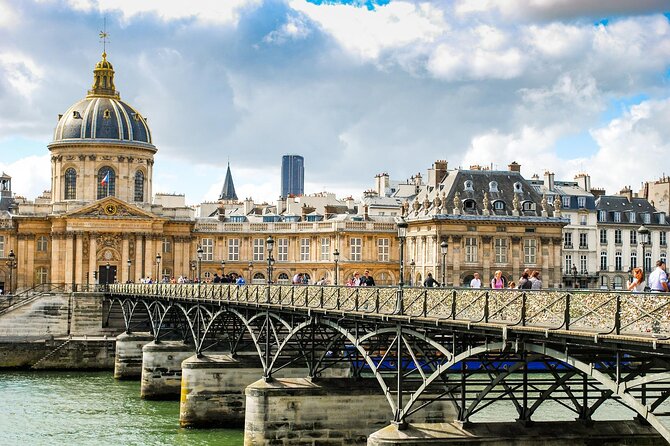
After Île de la Cité, you move to Pont Neuf again as the route’s backbone, then continue toward Square du Vert-Galant, a charming public garden on the western tip of Île de la Cité.
This stop is quietly one of the best “reset buttons” on a walking tour. You get a tranquil pause rather than constant forward motion, and it’s built for lingering—15 minutes here feels right. You also get splendid Seine views, which is exactly what you want after absorbing the bridge-and-island context.
There’s also a neat historical detail tied to the square’s name: it’s named after Henry IV, known as the Green Gallant. That gives your scenic break a little meaning. You’ll look at the water a bit differently after you connect the place to a person and a nickname rather than only a view.
Pont des Arts: the lovers’ bridge and a photo stop with a story
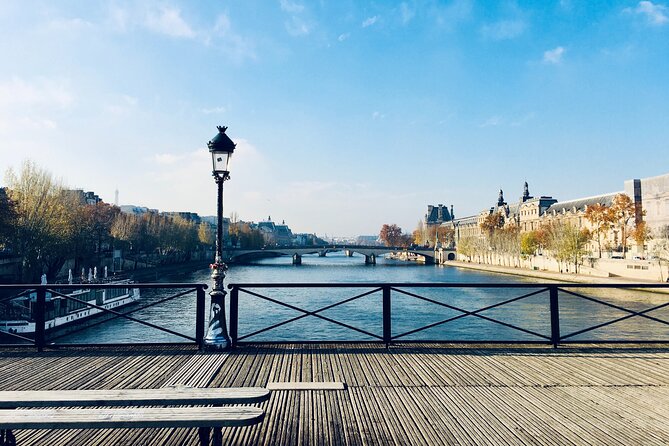
Next up is Pont des Arts, the bridge once known as the place where couples hung locks with their names. Even if you don’t come here to recreate that tradition, it’s a good stop because it’s immediately recognizable—and it’s a reminder that landmarks often gain meaning from everyday rituals.
This is another 15-minute pause. Use it strategically: grab photos, but also listen to how the guide frames the bridge as part of a wider Paris river culture. When you understand that bridges are social meeting points, not just crossings, the rest of the walk clicks.
You can also read our reviews of more boat tours in Paris






Pont du Carrousel: a Louvre Pyramid glimpse from the river
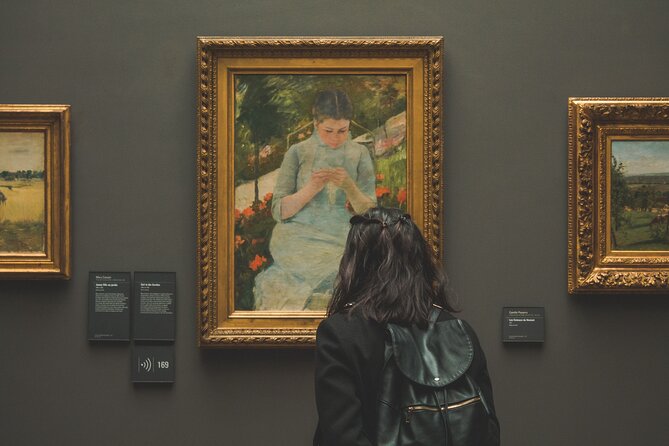
At Pont du Carrousel, you get a specific view cue: you can glimpse the famous Louvre Pyramid. That’s a perfect example of why this tour works even if you’ve been to Paris before. Instead of repeating “walk here, look there,” you’re learning viewpoints—how to see major landmarks from the water level.
This stop also sets up the next one. As you move along, the guide links sightlines and neighboring buildings, so you’re not just moving between bridges—you’re building a mental map of the area.
Pont Royal: the 17th-century bridge with a Musée d’Orsay sightline
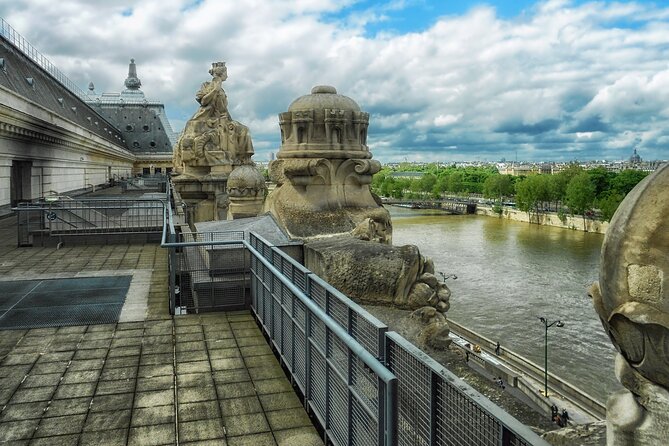
Pont Royal dates to the 17th century and comes with a view of the Musée d’Orsay. This is where you start sensing the tour’s endgame. You’ve been following the Seine and the bridge timeline; now the museum appears not as an isolated destination, but as part of the riverside story.
Seventeen-century bridges tend to feel visually elegant, but the real payoff here is that it makes the Musée d’Orsay feel “earned.” By the time you arrive, you’ve already been shown how the building fits into the river’s geography.
Musée d’Orsay: self-guided time after the walk
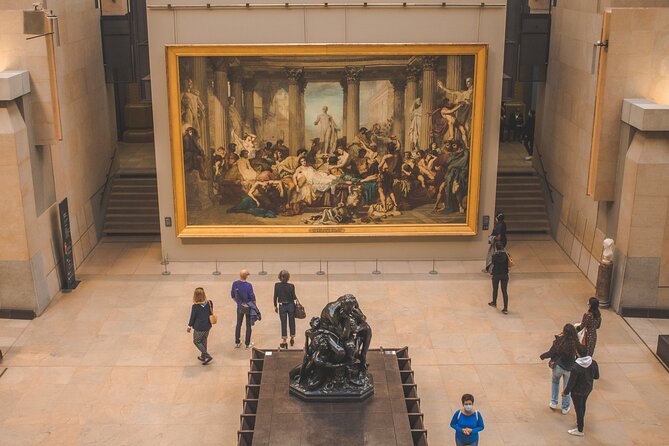
If you choose the Musée d’Orsay option, you’ll stay with the tour through the walking portion and then switch modes. The tour ends at the museum, and your guide provides your ticket for a self-guided visit.
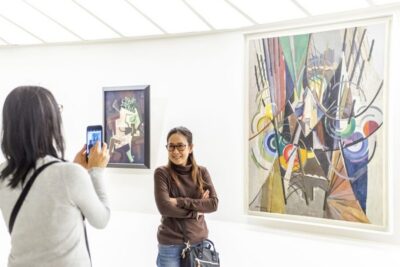
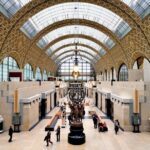
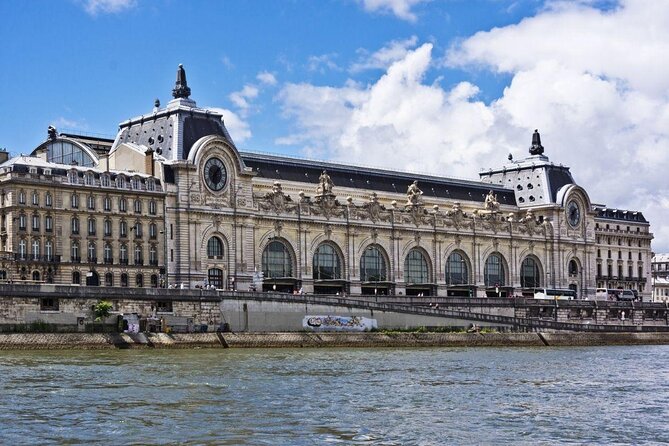
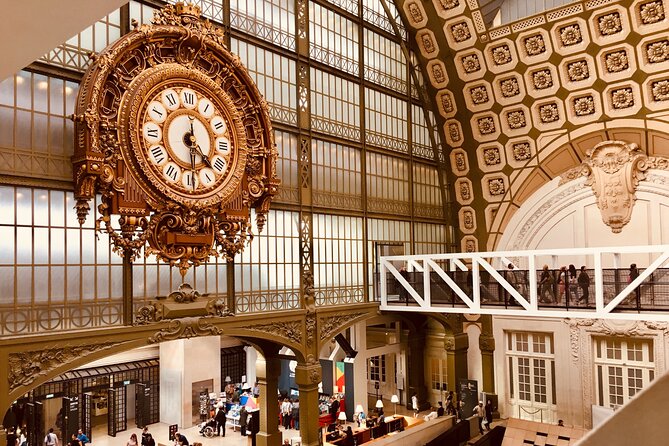
The museum stop is listed as about 2 hours, and that’s a practical amount of time. It’s long enough to see real highlights without turning the museum day into a stress test. The big draw is the Impressionist collection, with artists like Monet and Renoir. The museum itself has a strong identity: it was a train station built for the 1900 World Fair, and that helps explain why the space feels different from a typical gallery.
How to get more out of those 2 hours (without turning it into homework):
- Decide before you go whether you want to focus on Impressionists only, or just make sure you hit the major names mentioned in your museum experience.
- Use the building’s character to your advantage. Don’t rush to the first room—take a moment to orient yourself inside, since the architecture is part of the experience.
Optional Seine River cruise: year-valid tickets for better timing
If you add the River Seine cruise to your booking, you receive cruise tickets valid for 1 year. That’s a meaningful perk. It means you don’t have to lock yourself into the first available boat ride if the day you arrive is rainy or if you want an evening option when the light changes.
The tour itself focuses on walking, so the cruise becomes your flexible “second act.” If you’re the type who likes planning day-by-day, year validity lets you choose the moment that feels most comfortable in your schedule.
Tip: pick a cruise time when you’re not rushing. This is meant to be relaxing, especially after a walking tour that covers multiple bridges.
Price and value: what $41.27 really buys you
At $41.27 per person, this sits in the category of tours that aim to get you more than a simple stroll. The base value is the 1.5-hour walking tour with an experienced local guide. For that price, you’re paying for an organized route, guided context at each stop, and a direct end point near a major attraction.
The real value jump depends on your upgrades:
- If you choose Musée d’Orsay, the entry ticket is included and you get a self-guided visit after the walk.
- If you choose the Seine cruise, the cruise tickets are included and valid for a full year.
Because the add-ons are optional, you can tailor the day. If you only want a guided river orientation and don’t care about the museum, you still get a structured route. If you do want Orsay and a cruise, bundling through one booking can make planning easier and reduce the number of separate decisions you have to make on the fly.
Group size and pace: when you’ll feel comfortable
This tour has a maximum of 20 travelers. That matters because it usually keeps the group from stretching too thin over the sidewalks, and it helps your guide manage stops. The timing also suggests you won’t be stuck at any one place for ages. Each bridge or viewpoint is about 15 minutes, so you’ll keep moving and stay energized.
The total duration is listed as about 1 hour 30 minutes to 3 hours 30 minutes, which lines up with whether you add Musée d’Orsay (and the included self-guided time). If you’re trying to fit this into a half-day window, it’s easier to plan when you know the museum part can add time.
Sound and narration: the one concern to take seriously
One review concern stood out: the tour can be hard to hear, and participants felt like headphones or audio equipment would help. I’m putting this here because it affects enjoyment more than most details.
So here’s how to handle it:
- If you’re sensitive to sound, choose your spot at the front or where the guide turns naturally while speaking.
- If any audio system is offered, use it.
- Don’t rely on outdoor acoustics on busy bridges; bring the expectation that you may need to concentrate a bit.
If you love learning through stories, this tour will feel rewarding. If you prefer minimal narration, you might find yourself wishing for more time on views rather than explanations.
Who should book this Seine tour (and who should skip it)
This tour is a great fit if you want:
- A guided way to connect central Paris sights along the Seine
- Clear viewpoint stops on major bridges
- An easy add-on path to Musée d’Orsay
- A cruise ticket with flexible timing because it’s valid for a year
It may be less ideal if:
- You strongly prefer self-guided walking with less narration
- Hearing the guide is a recurring problem for you, unless audio equipment is available
One more practical perk: the area is near public transportation, and there’s an included Paris shuttle option (details are provided by the operator). If you’re coordinating with other bookings, the shuttle can simplify getting into position near the Pont Neuf start time.
Should you book this Seine River walking tour with Orsay and cruise?
If your ideal Paris day mixes orientation, scenery, and an optional museum finish, this is an easy yes. The route is compact, the bridge sequence makes sense as you walk, and the Musée d’Orsay add-on is handled in a way that doesn’t turn the museum into a rushed group event.
My main caution is sound and story density. If you know you need clearer audio, show up ready to ask about any headphone setup and choose your position carefully. If that’s manageable for you, you’ll get a strong, practical Seine overview—and then you can decide how much more Paris you want to pack in with Orsay and a river cruise.
FAQ
What’s the meeting point for this tour?
The tour starts at Pont Neuf, 75001 Paris, France.
Where does the tour end?
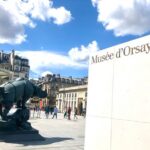
The tour ends at the Musée d’Orsay, Esplanade Valéry Giscard d’Estaing, 75007 Paris, France.
What time does the tour start?
The start time is 1:00 pm.
How long is the experience?
It runs about 1 hour 30 minutes to 3 hours 30 minutes.
Is Musée d’Orsay included by default?
No. Musée d’Orsay entry is only included if you choose the Musée d’Orsay upgrade at checkout. The visit is self-guided.
Are tickets for a Seine River cruise included?
Cruise tickets are only included if you choose the optional cruise upgrade at checkout. The tickets are valid for 1 year.
Is this tour a small group?
Yes. The maximum group size is 20 travelers.
Is public transportation nearby?
Yes. The meeting area is near public transportation.
Can I cancel for a full refund?
Yes. You can cancel for free up to 24 hours in advance of the experience start time for a full refund.