REVIEW · KENTUCKY
National Quilt Museum Admission Pass
Book on Viator →Operated by National Quilt Museum · Bookable on Viator
Quilts that feel like fine art. The National Quilt Museum in Paducah lets you enter with a pre-booked admission pass and explore at your own pace, with 650+ quilts and fiber art on display.
I love the mix of well-known and lesser-known makers, including celebrity quilter Kaffe Fassett alongside artists from the Midwest, Manhattan, and abroad. I also like the extra visual tricks beyond fabric: quilt-inspired stained glass windows and a trompe l’oeil, hand-carved wooden quilt that makes you look twice.
A possible drawback: the experience is non-refundable and can’t be changed, so you’ll want to get your day right before you go, especially since the museum is open Monday–Saturday only.
In This Review
- Key highlights worth your time
- National Quilt Museum Admission Pass in Paducah: What You’re Really Buying
- Your 2-hour self-guided visit: the sweet spot (and when to plan longer)
- Inside the museum at 215 Jefferson Street: how entry works and what to do first
- 650+ quilts and fiber art: what you’ll see once you start walking
- The themed galleries that connect the dots (Midwest, Japan, and Mary Kerr)
- Quilting as art beyond fabric: stained glass and trompe l’oeil wood
- The museum’s scale and vibe: why this doesn’t feel like a factory
- What to expect from the pacing, accessibility, and family logistics
- Ticket value: how this pass fits into your day
- Who this admission pass is best for (and who may want to rethink timing)
- Should you book the National Quilt Museum Admission Pass?
- FAQ
- Where is the National Quilt Museum located?
- How long is the National Quilt Museum visit?
- Is this a guided tour or self-guided?
- What can I see with this admission pass?
- What are the opening hours?
- Is the museum wheelchair accessible?
- Are service animals allowed?
- Can children attend?
- Is the ticket refundable or changeable?
Key highlights worth your time
- Self-guided admission: use your voucher at the museum and go gallery to gallery at your pace
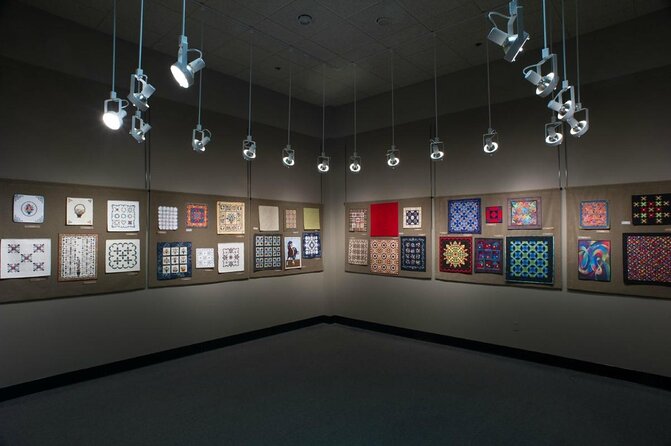
- 650+ quilts and fiber art in themed displays
- Celebrity names meet regional talent, from Kaffe Fassett to Midwest and international work
- Quilting as visual art, including quilt-inspired stained glass and a carved trompe l’oeil piece
- Wheelchair accessible galleries and service animals allowed
National Quilt Museum Admission Pass in Paducah: What You’re Really Buying
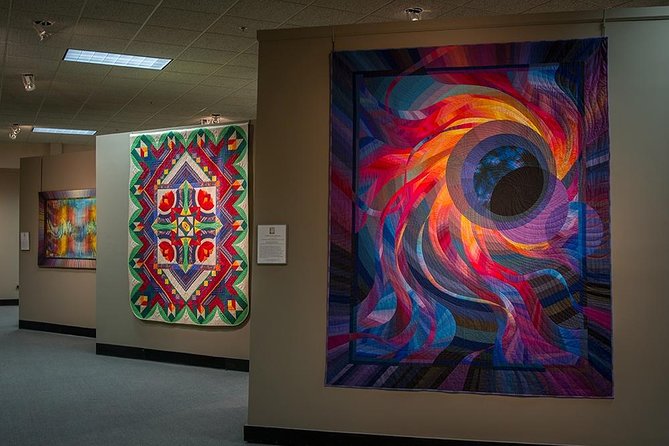
This admission pass is simple in a good way: it gets you into the National Quilt Museum in Paducah, Kentucky, and then you’re free to wander. It’s listed as about 2 hours, but that number feels more like a starting point than a hard limit. If you’re a quilt person, it’s the kind of place where you’ll keep saying one more room, then one more, then suddenly it’s later than you planned.
What makes this museum work is the balance. You’re not just looking at pretty patterns. You’re seeing quilts and fiber art treated like art objects: made for display, made to be studied, and often made to say something—about place, about process, about memory, about emotion.
The museum also leans into range. You’ll see traditional styles next to more contemporary takes, and you’ll move between pieces that focus on craftsmanship and pieces that lean into storytelling. That variety is the big value here. Instead of one style theme repeating, you get a broader view of what quilting can be.
You can also read our reviews of more museum experiences in Kentucky

Your 2-hour self-guided visit: the sweet spot (and when to plan longer)
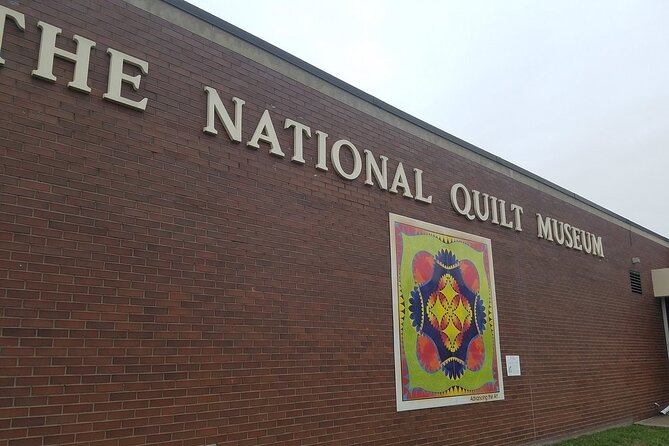
Plan for around two hours if you want to take it all in without rushing. That’s long enough to follow the main galleries, stop when a piece grabs you, and read the quilt-and-maker context that turns a view into a lesson.
But I’d give yourself extra time if you’re the type who notices details like thread choice, seam placement, and how shapes are arranged. The museum’s displays change depending on space, so even if you’re there for only a couple of hours, there’s a chance you’ll want to slow down more than you expected.
Also, think about pace. This is self-guided, so you won’t get nudged along by a group schedule. The flip side is you’re responsible for deciding what matters to you most. If you’re the kind of visitor who needs a clear plan, spend your first 10 minutes scanning the gallery layout and picking your must-see themes before you settle in.
Inside the museum at 215 Jefferson Street: how entry works and what to do first
Head to 215 Jefferson Street in Paducah. When you arrive, you present your voucher and then start exploring the galleries.
Here’s my practical advice: don’t treat your voucher like a magic spell. Do a quick check of your confirmation details before you drive. The museum entry process is straightforward, but there have been occasional ticketing problems tied to QR code issues for some bookings. If your voucher doesn’t scan cleanly, you may need help at the front desk to get you into the museum—so plan a little buffer time rather than aiming for the exact minute you’re scheduled to start.
If you can, arrive when you first open your time window. With hours listed as 10:00 AM to 5:00 PM, Monday through Saturday, it’s easiest to enjoy the museum while you’re still fresh and your attention is sharp. The museum is not trying to push you through a timed circuit. You’ll have a much better experience when you don’t feel like you’re racing the clock.
650+ quilts and fiber art: what you’ll see once you start walking
The National Quilt Museum houses more than 650 quilts and other fiber arts. That sounds like a lot, and it is. The trick is that the displays are themed, so you’re not just staring at an endless wall of squares.
A big part of the appeal is the mix of makers:
- Celebrity quilt artists alongside lesser-known creators
- Work drawn from regional contests and national competitions
- International entries alongside U.S.-based quilting traditions
That variety changes how you look at each piece. When you see different approaches in close proximity, you start noticing what makes quilting different from other visual arts. You see craft decisions, and you see how technique becomes style. You also see how a quilt can be more than decoration—it can be a statement.
Expect to find quilts that are:
- Traditional and contemporary
- Story-driven and emotion-focused
- Built from technique with visible care in the stitching and construction
One more detail that affects your expectations: quilts here are for art viewing, not for the everyday use you might associate with home quilts. The emphasis is on display and preservation, so you’ll notice the museum is asking you to look closely instead of imagining it on a bed.
The themed galleries that connect the dots (Midwest, Japan, and Mary Kerr)
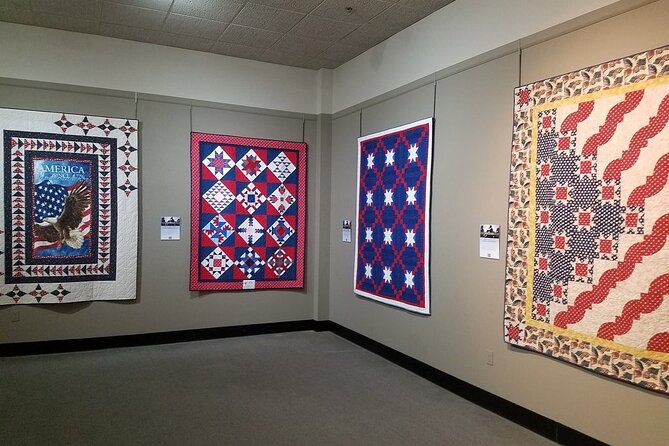
Once you’re inside, you’ll likely be drawn to the themed areas. The museum’s galleries include work like Art Quilts of the Midwest, entries from the international competition tied to the Japan Handicraft Instructors Association, and quilts inspired by Mary Kerr.
Why those themes matter: they give your viewing a framework. You’re not only judging color and layout. You’re also comparing how different quilting communities interpret similar goals. For example, international competition pieces can feel more experimental or concept-driven, while regional contests often highlight strong technique and local identity.
You’ll also see themed work created by both known and unknown quilters. That’s one of the museum’s strengths. It keeps the experience from becoming celebrity-only. You get the thrill of famous names like Kaffe Fassett, but you also get the satisfaction of discovering quieter voices from the Midwest, Manhattan, and beyond.
And yes, it’s okay if you don’t like every gallery equally. With quilting, personal taste matters. The museum is set up so you can spend more time on what hits you and less time on what doesn’t.
Quilting as art beyond fabric: stained glass and trompe l’oeil wood
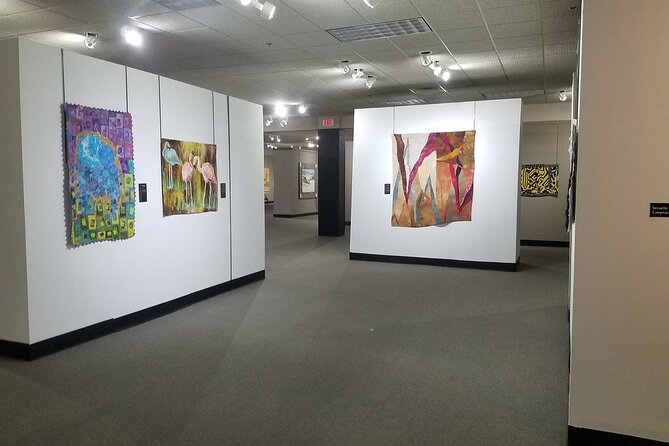
One reason people keep talking about this place is that it treats quilting as a visual world, not just needlework. You’ll see art that celebrates the quilting tradition in unexpected formats.
Two standout examples from the museum:
- Quilt-inspired stained glass windows that translate quilt patterns into light and color
- A trompe l’oeil, hand-carved wooden quilt that plays with illusion and texture
These pieces change your brain angle. You start noticing geometry and design principles across media. Even if you came for quilts, you’ll probably leave with a new respect for how design language travels—how a pattern can become architecture, stained glass, or sculpture-like carving.
If you’re taking someone who thinks quilts are only for comfort, these displays are a smart pitch. They show that quilting can be conceptual and artistic, not just cozy.
The museum’s scale and vibe: why this doesn’t feel like a factory
The National Quilt Museum was founded 25 years ago by a pair of quilting enthusiasts from Paducah. Over time, it grew into the largest quilting-specific facility in the world, which is a big claim, but you’ll feel the intention behind it when you walk through.
Even with a huge collection, the museum experience doesn’t feel like a rapid-fire warehouse tour. It’s more like a focused art museum built around one subject. That focus is part of the value for you if you want depth without getting lost in chaos.
Also, the staff experience tends to be friendly and helpful. You may find reception and guidance available if you want context for what you’re seeing. If you’re curious about how contest work gets recognized or what makes a quilt historically relevant, ask. It’s worth it when someone can point out what to look for.
What to expect from the pacing, accessibility, and family logistics
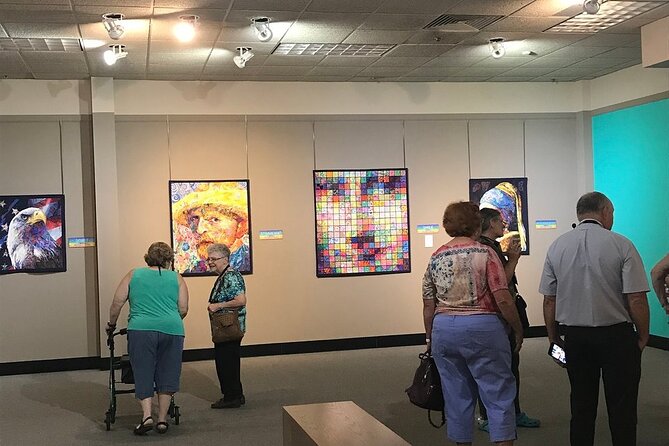
This is an all-purpose visit that works for a lot of people, with clear practical notes:
- Wheelchair accessible galleries are stated, so you won’t be fighting the layout
- Service animals are allowed
- Children can come, as long as they’re accompanied by an adult
The self-guided format also helps. You don’t have to coordinate with a group tempo. If you want to stand and read a quilt description for a while, you can. If you want to just look at the design first, then circle back, you can do that too.
If you’re visiting with kids, I’d suggest choosing a quick “quest” before you start. For example: pick two quilts that tell a story, then pick one quilt-inspired art piece like the stained glass or the carved trompe l’oeil. That keeps the visit from turning into endless walking.
Ticket value: how this pass fits into your day
Because this is admission included in the pass, the value is mostly about timing and attention. If you’re already in the Paducah area, it’s an efficient way to get a high-impact cultural stop without committing to a long full-day program.
If you’re using it as a main event, aim to protect at least half a day. Two hours can be enough, but it’s also easy to lose track of time once you start seeing the mix of contest-winning quilts, internationally connected work, and special displays.
Also, keep in mind the hours: open Monday–Saturday, 10:00 AM–5:00 PM during the year listed. If your schedule has a Sunday or limited weekdays, that matters.
One more practical note: the visit is non-refundable and can’t be changed. That’s not unusual, but it does mean your plan should be firm. Double-check your date and the museum’s open days before you book.
Who this admission pass is best for (and who may want to rethink timing)
You’ll likely love this if:
- You enjoy hands-on craft as visual art
- You like quilts for design, history, and technique
- You want a mix of well-known and lesser-known makers
- You prefer freedom over fixed tour routes
You might want a more flexible mindset if:
- You only want a quick look at a few quilts. This museum rewards patience.
- You’re sensitive to ticketing issues. It’s usually smooth, but I’d give yourself buffer time and make sure your voucher details are correct.
This is a great choice for couples, solo visitors, and families who are okay with a slower, looking-first experience. If you’re the type who stops to read labels and compare styles, you’re in the right place.
Should you book the National Quilt Museum Admission Pass?
I’d book it if you want one strong, self-guided arts stop in Paducah that lets you set your own pace and see a serious collection—650+ quilts and fiber art—organized into meaningful themes. The mix of celebrity quilt artistry, contest work, and international entries gives you variety without feeling random.
Skip the temptation to rush. Give it time, read a few labels, and let the quilt-inspired art beyond fabric (like the stained glass and carved trompe l’oeil piece) broaden your idea of what quilting can be.
If your dates are tight or non-refundable policies would stress you out, confirm your day and open-hours first. Otherwise, this is a very solid value for people who want art that’s detailed, human, and made by hand.
FAQ
Where is the National Quilt Museum located?
The museum is at 215 Jefferson Street in Paducah, Kentucky.
How long is the National Quilt Museum visit?
The experience is listed at about 2 hours.
Is this a guided tour or self-guided?
It’s a self-guided tour. You explore at your own pace in the museum galleries.
What can I see with this admission pass?
You can see 650+ quilts and other fiber arts, plus art inspired by quilting such as quilt-inspired stained glass windows and a hand-carved trompe l’oeil wooden quilt.
What are the opening hours?
During the listed year, it’s open Monday to Saturday, 10:00 AM to 5:00 PM.
Is the museum wheelchair accessible?
Yes. All galleries and exhibits are wheelchair accessible.
Are service animals allowed?
Yes. Service animals are allowed.
Can children attend?
Yes, but children must be accompanied by an adult.
Is the ticket refundable or changeable?
No. This experience is non-refundable and cannot be changed for any reason.