REVIEW · ROME
Vatican Museums, Sistine Chapel and Basilica guided tour
Book on GetYourGuide →Operated by TLight · Bookable on GetYourGuide
The Vatican can feel like controlled chaos, but this tour keeps it focused. You get skip-the-line entry into the Vatican Museums and Sistine Chapel, and you finish with direct access to St. Peter’s Basilica from inside the Sistine doorway. I especially like the way a certified guide points out what matters in rooms like the Gallery of Maps and the Raphael-related areas. The one real drawback: in a site this popular, the pacing is fast, and your time in the Sistine Chapel can be limited by crowd rules.
In practice, the experience works because it’s built for movement. The group stays small (max 20), and you’ll use headsets so the story doesn’t get lost in the noise. Just be ready for a short walk and a firm schedule—some days feel warm, loud, and packed, even with the skip-the-line advantage.
In This Review
- Key things I’d plan around
- Skipping the Line Where It Actually Counts
- Tour Timeline: 2 to 2.5 Hours, Packed in the Best Way
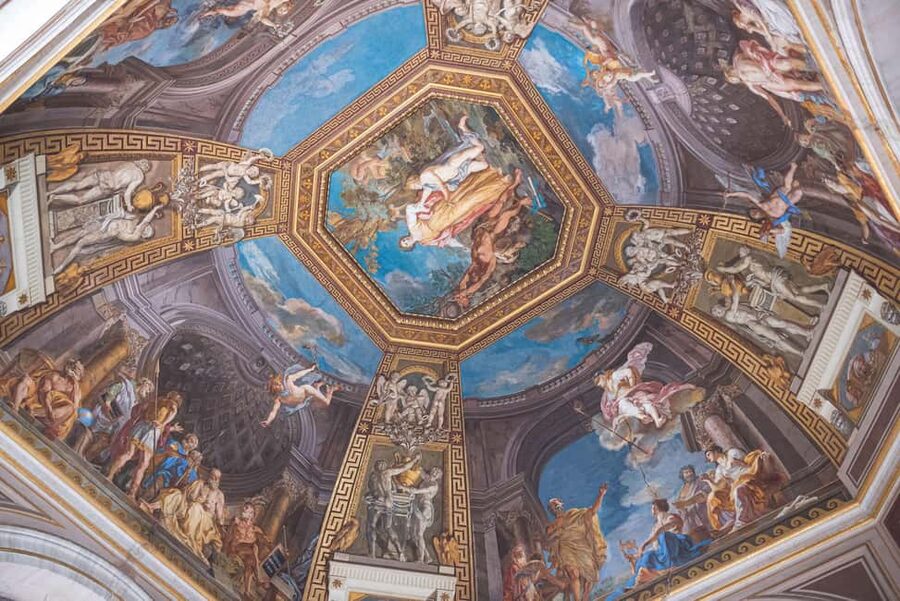
- Vatican Museums Highlights: Your Route Through the Best Rooms
- Cortile del Belvedere and the Museum Big-Space Feeling
- Gallery of the Candelabra: A Visual Stop That Helps You Read the Art
- Gallery of Tapestries: Stories You Can’t Get from a Phone Screen
- Gallery of Maps: The Vatican’s Long View
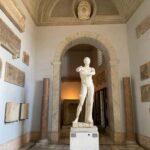
- Museo Pio Clementino: Where the Museum Feels Like Rome’s Workshop
- Where the “Seven Museums” Idea Fits In
- Sistine Chapel: Silence, Timing, and How the Guide Helps
- Direct Passage to St. Peter’s Basilica: A Real Time Saver
- When the shortcut doesn’t happen
- Group Size, Headsets, and Hearing the Story
- Dress Code and Physical Limits: Don’t Get Stopped at the Door
- Price and Value: Is $94 Worth It?
- Who This Vatican Combo Tour Fits Best
- Should You Book This Tour?
- FAQ
- What’s included in the tour price?
- How long is the Vatican Museums, Sistine Chapel and Basilica guided tour?
- Is there a small-group limit?
- Do I get access to St. Peter’s Basilica right after the Sistine Chapel?
- Can the direct passage be closed?
- What languages are available for the live guide?
- What should I wear?
- Do I need a student card?
- Is the tour suitable for wheelchair users or people with mobility impairments?
- Are there any special dates when the Sistine Chapel may be closed?
- Is the Last Judgement view affected in 2026?
Key things I’d plan around
- Small-group size (max 20): easier to hear stories and keep together in busy corridors
- Vatican Museums skip-the-line: less time waiting, more time seeing art
- Sistine Chapel guidance without speaking inside: explanations happen outside, then you step into the silence
- Direct passage to St. Peter’s Basilica: a practical shortcut that reduces Basilica entry time
- Headsets included: helps you follow the guide, especially when you’re surrounded by crowds
- Free time in St. Peter’s Basilica: you get a chance to slow down after the guided route
Skipping the Line Where It Actually Counts
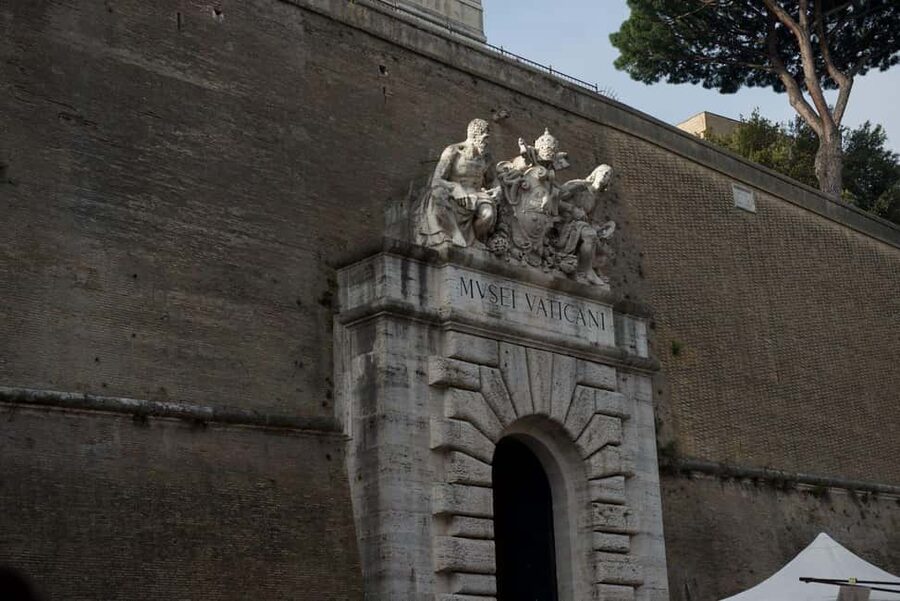
The Vatican is famous for long waits, but what matters most is which line you avoid. This tour is designed to let you enter the Vatican Museums and Sistine Chapel with skip-the-line tickets, then keep you moving through the highlights without spending your morning stuck in a bottleneck.
That means you’re not just buying convenience. You’re buying time with the art. When you arrive earlier than the bulk of the day’s crowds, you can still enjoy the big spaces and key sights with a lot more clarity. The tour also keeps you from “wandering and guessing” your way through a museum complex that can feel like a maze if you don’t know where to go next.
You can also read our reviews of more guided tours in Rome
Tour Timeline: 2 to 2.5 Hours, Packed in the Best Way
This experience runs about 2 to 2.5 hours, which tells you something important: it’s not built for lingering on every masterpiece. It’s built for first-timer “greatest hits” energy.
You’ll start at one of two options (the T-light meeting point option is listed, or Passetto di Borgo as another starting walk). Expect a bit of walking between the meeting point and the first museum entry area; one guide-style tip that shows up again and again is to arrive on time and assume you’ll spend a few minutes getting oriented before the route starts. After that, the schedule tightens and you’ll be guided from room to room.
Inside the museums, you’ll move through a curated sequence of spaces in the Vatican Museums complex, and the Sistine Chapel visit happens at the end of that museum flow. After the Sistine Chapel, you transition straight into St. Peter’s Basilica, where you get some unstructured time to look around.
Vatican Museums Highlights: Your Route Through the Best Rooms
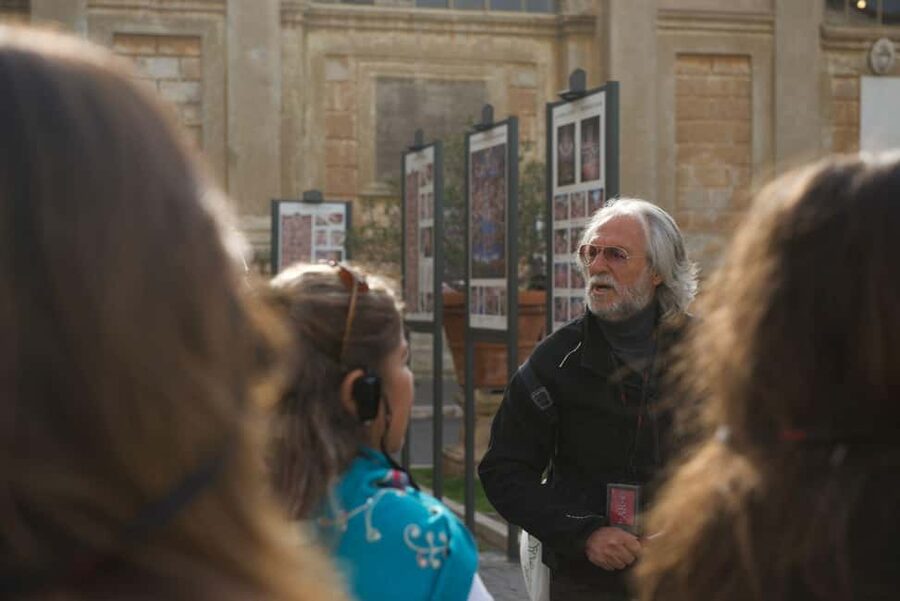
The Vatican Museums complex is huge, and the value here is that you’re not trying to figure it out on the fly. You follow a specialised guide accredited by the Vatican Museums, and the route focuses on rooms people actually want to see—without pretending you’ll do everything.
Here’s what your guided path tends to cover:
Cortile del Belvedere and the Museum Big-Space Feeling
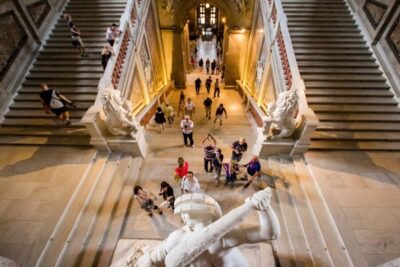
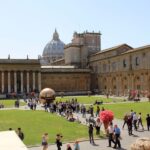
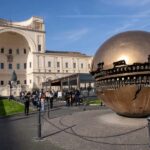
The tour includes the Cortile del Belvedere, which acts like a breath before the museum halls. It’s the kind of place where you get your bearings fast: you see scale, and you feel how the Vatican spaces connect. It’s also a good “mental warm-up” so the galleries later don’t feel like you’re stepping into random hallways.
Gallery of the Candelabra: A Visual Stop That Helps You Read the Art
The Gallery of the Candelabra is one of those rooms that can be hard to appreciate without a guide explaining what you’re looking at. Your guide’s job is to turn “I see statues” into “I understand why this is here and how it fits together.” You’re there long enough to notice details, but short enough to keep your group from falling behind.
You can also read our reviews of more museum experiences in Rome
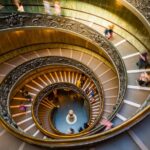
Gallery of Tapestries: Stories You Can’t Get from a Phone Screen
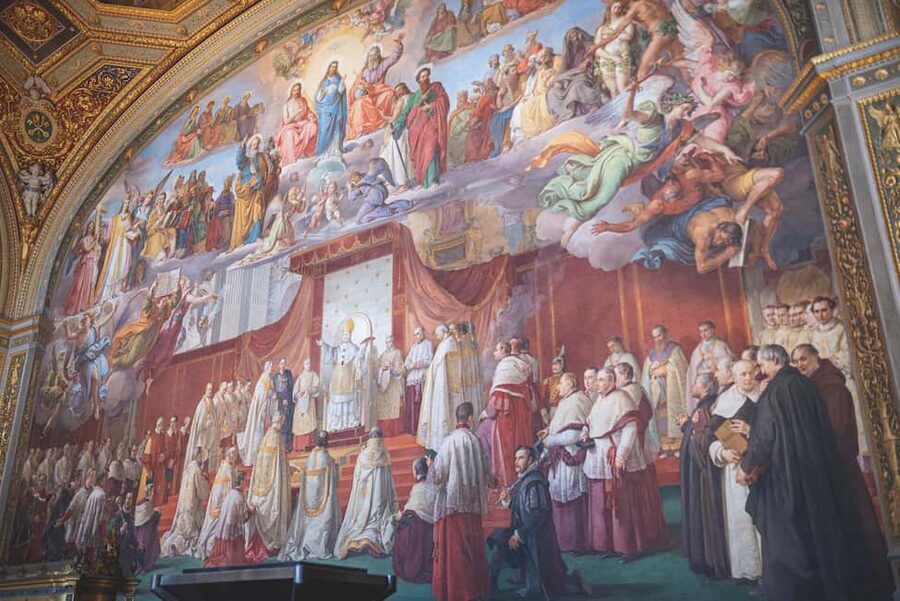
The Gallery of Tapestries is one of those highlights that benefits from live commentary. Tapestries can feel like background decoration if you rush, but a good guide puts them into context and helps you connect style, patronage, and the bigger cultural picture. This is where you’ll start to feel the “tour guide effect” most—when facts become a narrative.
Gallery of Maps: The Vatican’s Long View
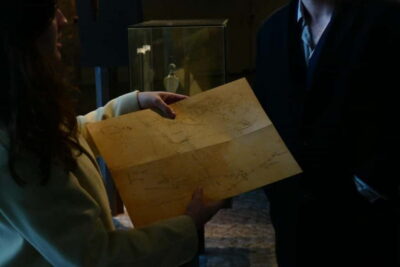
The Gallery of Maps is not just pretty—it’s historic thinking on a wall. It helps you understand how the Vatican viewed the world in its own time. If you enjoy the idea of art as a window into politics, religion, and education, this is a strong stop.
Museo Pio Clementino: Where the Museum Feels Like Rome’s Workshop
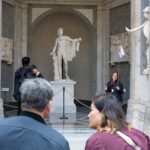
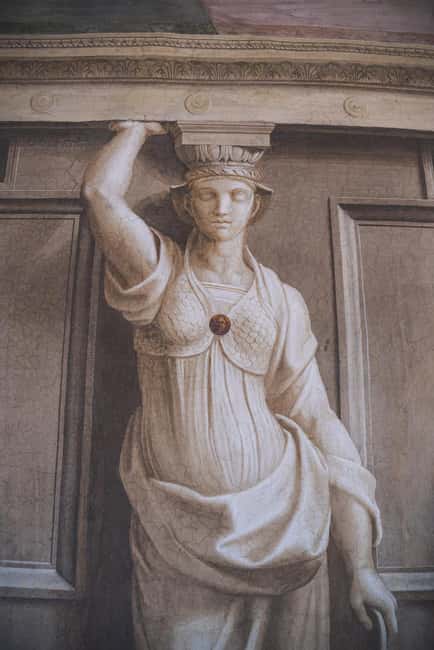
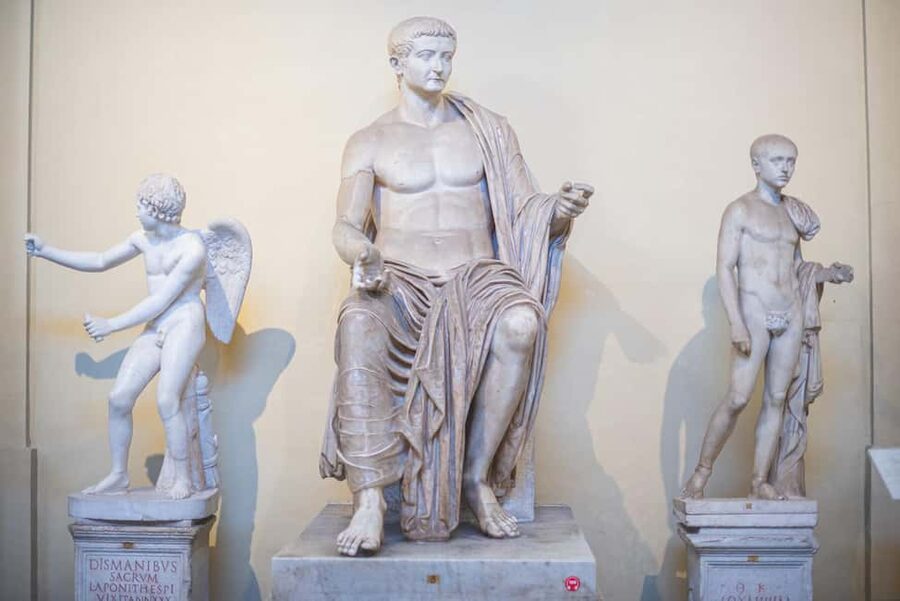
The Museo Pio Clementino gets you into another major vein of the collection. Instead of treating it like a checklist location, your guide helps you see what connects the pieces thematically. It’s a useful reminder that the Vatican Museums aren’t only about paintings and famous frescoes—they’re also about how Rome collected, studied, and displayed art.
Where the “Seven Museums” Idea Fits In
The tour frames the experience as passing through major sections that make up the Vatican Museums complex (the route includes several standout galleries tied to those areas). Even if you’re not counting every room like a curator, you’ll feel like you’re covering meaningful ground, not just skating past the entry-level highlights.
Sistine Chapel: Silence, Timing, and How the Guide Helps
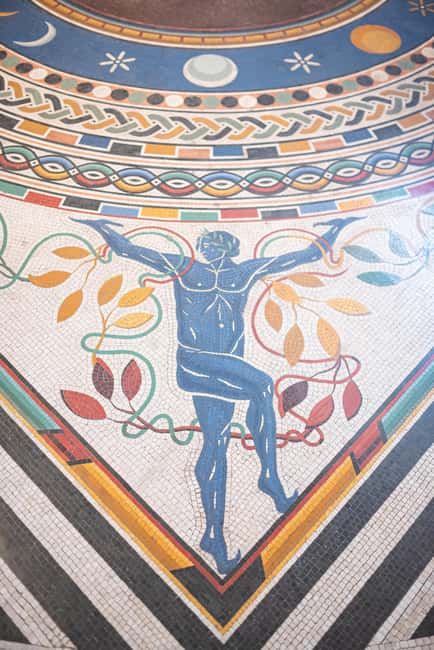
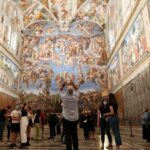
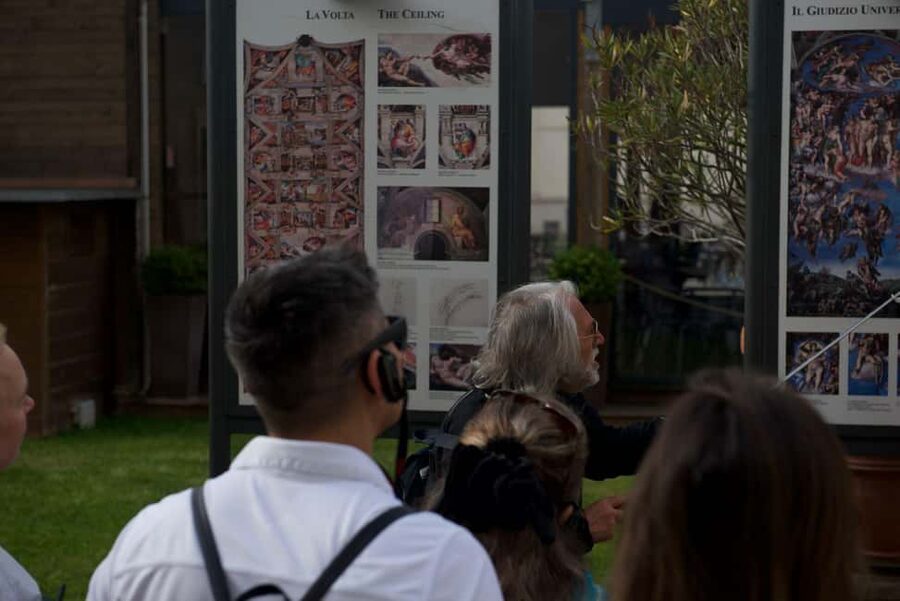
Inside the Sistine Chapel, the rules are strict: you’re not allowed to speak aloud. So the tour’s strategy matters. Your guide provides explanations and directions outside first (using museum-provided panels), then you enter and the experience becomes quiet, visual, and fast.
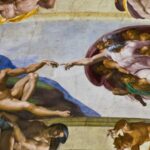
You’ll see major works and the signature wall-and-vault storytelling. The tour highlights include Renaissance frescoes associated with artists such as Botticelli, Perugino, Pinturicchio, Ghirlandaio, Luca Signorelli, and Piero di Cosimo, plus Michelangelo’s vault cycle and the Last Judgement.
One practical note: the Sistine Chapel is often packed, and the time inside can be short based on crowd control. Even when the art is breathtaking, you may feel like you’re scanning rather than studying at length. If that’s your biggest fear, make peace with it in advance: this isn’t a “slow art class” format.
Also keep an eye on special timing and conservation. The tour data lists extraordinary maintenance affecting Michelangelo’s Last Judgement in early 2026 through March 2026, which may limit the view due to scaffolding. The Sistine Chapel may still be open during those periods, but expect a partially restricted sightline.
Direct Passage to St. Peter’s Basilica: A Real Time Saver
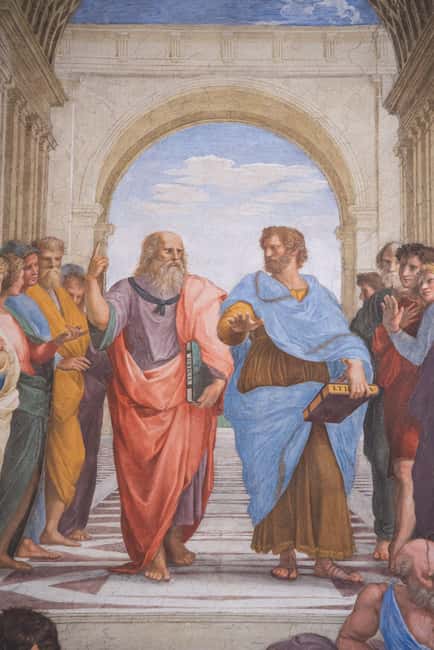
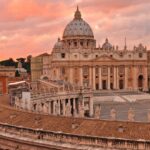
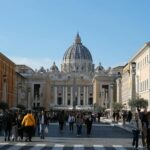
This is where the tour becomes more than museum sightseeing. After the Sistine Chapel, you’re guided to St. Peter’s Basilica using direct access from the Sistine Chapel doorway. That matters because St. Peter’s is another high-demand bottleneck, and any reduction in waiting time is money saved in energy.
Once inside St. Peter’s Basilica, you get a short guided segment plus free time to explore on your own. This is the part that lets you “choose your own adventure” a bit—stand where the light hits, step closer to details, and slow down after the faster museum pace.
When the shortcut doesn’t happen
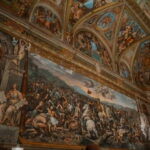
This tour’s route has a built-in contingency: the direct passage is normally open, but the Vatican can close it without notice. If that happens, the tour can offer an alternative experience using the Raphael Rooms instead. It’s good to know this upfront so you’re not disappointed by a change you can’t control.
Group Size, Headsets, and Hearing the Story
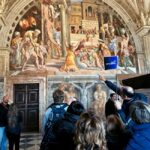
The tour runs in small groups (max 20), and that’s a big deal in the Vatican. Large groups can crush your ability to look, breathe, and follow instructions. With a smaller group, the guide can keep you together without constantly herding you.
You’ll also get headsets, so you can hear the guide clearly even in crowded spaces. Some guests noted that the headset quality wasn’t perfect at times, but most found it solved the biggest problem: understanding the guide’s direction and explanations when sound is messy.
You’ll hear stories delivered by accredited guides, and the tone tends to stay friendly and practical. Names that show up in guide experiences include Vincenzo, Sophia, Santi, Francesca, and Rudy—and a recurring theme is that the best guides keep the group organized and explain what you’re actually looking at, not just where it is.
Dress Code and Physical Limits: Don’t Get Stopped at the Door
This part is not optional. The tour data lists clothing restrictions:
- Shorts, short skirts, sleeveless shirts, and swimwear are not allowed.
So plan your outfit like you’re attending a serious church service. If you’re traveling in warm weather, bring a light layer you can wear over your shoulders or legs.
There are also clear movement restrictions:
- Not suitable for people with mobility impairments or wheelchair users
- Not suitable for people over 80
If you fall into any of those categories, you should think twice before booking this specific format, because the route is built for walking and moving quickly through dense crowds.
The tour also flags that a student card is required for students (students are considered 19 to 25 years old with a valid student card). If you’re eligible, bring it—this is one of those places where “I thought it counted” can cost you.
Price and Value: Is $94 Worth It?
At $94 per person for a 2 to 2.5 hour guided route, the value hinges on what you’d otherwise pay in time and stress.
This ticket includes:
- Vatican Museums skip-the-line entry
- A live guide through the museum highlights and Sistine Chapel
- Headsets
- Direct access to St. Peter’s Basilica from the Sistine Chapel doorway
- Guided time inside St. Peter’s Basilica
On top of that, there are modest discounts tied to the Saints Tour agency and nearby food and shops:
- 20% discount on merchandising at the Capriotti shop (with a minimum spend)
- 10% discount on books at the same shop
- 10% discount on food and drinks at Sanpietrino Caffè
- 10% discount at Gelotti ice cream shops near St. Peter’s Square
Now the reality check. If you have unlimited time, you can DIY the Vatican. But if your schedule is tight—or you hate waiting in lines—this tour is a practical trade: you pay for a guided plan and you buy back time.
A recurring point you should treat seriously is that the museum and Sistine Chapel experience can feel rushed when crowds peak. Even with skip-the-line access, the Vatican still controls flow once you’re inside. So the $94 makes the most sense if you’re okay with seeing a lot quickly and trusting your guide to point you to the essential moments.
Who This Vatican Combo Tour Fits Best
This is a strong choice if:
- It’s your first time in Vatican City
- You want the top sights without turning your trip into a logistics project
- You like art history stories and context that help you “read” what you’re seeing
- Your Vatican day window is limited and you want St. Peter’s included without extra planning
It’s less ideal if:
- You want a slow, museum-by-museum crawl
- You need frequent breaks to rest in between dense galleries
- You’re sensitive to crowds and prefer quiet corners over major highlights
Should You Book This Tour?
If you’re short on time and you want the best odds of a smooth day—skip-the-line entry, small group pacing, headsets, and a guided path into St. Peter’s Basilica—then yes, I’d book it.
My advice for getting the most out of it: dress appropriately, arrive on time, and keep your expectations aligned with the format. You’re not buying unlimited time in the Sistine Chapel. You’re buying a guided route that makes the Vatican’s highlights actually doable in a half-day window, and that’s the kind of value that tends to pay off.
FAQ
What’s included in the tour price?
You get skip-the-line entrance for the Vatican Museums and Sistine Chapel, a live guide for the museum route and inside St. Peter’s Basilica, and headsets to hear the guide clearly.
How long is the Vatican Museums, Sistine Chapel and Basilica guided tour?
The duration is about 2 to 2.5 hours.
Is there a small-group limit?
Yes. The groups are made up by a maximum of 20 people.
Do I get access to St. Peter’s Basilica right after the Sistine Chapel?
Yes. The tour includes direct passage to St. Peter’s Basilica using access from the Sistine Chapel doorway.
Can the direct passage be closed?
Yes. The direct passage is normally open, but the Vatican can decide to close it without prior notice. On those occasions, the Raphael Rooms may be offered as an alternative.
What languages are available for the live guide?
The tour is offered in French, Italian, English, German, and Spanish. There is also an optional audio guide in French and German.
What should I wear?
Shorts, short skirts, sleeveless shirts, and swimwear are not allowed.
Do I need a student card?
Students (age 19 to 25) are considered with a valid student card, and a student card is listed as something to bring.
Is the tour suitable for wheelchair users or people with mobility impairments?
No. It’s listed as not suitable for people with mobility impairments or wheelchair users.
Are there any special dates when the Sistine Chapel may be closed?
Yes. The data lists Sistine Chapel closure to the public on Friday 9 January 2026 from 2 p.m. (last admission 1 p.m.) and on Saturday 10 January 2026 from 1 p.m. (last admission 12 noon). The Vatican Museums remain open as usual on those days.
Is the Last Judgement view affected in 2026?
Yes. Michelangelo’s Last Judgement undergoes extraordinary maintenance in the first months of 2026 through March 2026, and the view may be partially limited by scaffolding.