REVIEW · ANTIBES
Antibes: Picasso Museum Drawing Tour Led by Local Artist
Book on GetYourGuide →Operated by Nicola Powys · Bookable on GetYourGuide
Two hours, and you’ll see Antibes differently. This Picasso Museum-led art tour mixes a guided look at the works with an outdoor sketch session that ends as a drawing souvenir you can take home.
I love the way the experience starts outside the museum, with a walk along the ramparts and time to look before you study. I also like that the tour is guided by local artist Nicola Powys, who makes Picasso’s ideas feel clear and usable, not intimidating.
One consideration: the drawing portion happens outdoors, so it’s best if you’re ready for some steady focus (and it’s not suitable for kids under 6).
In This Review
- Key things to know before you go
- Start at the ramp: Antibes views that put you in the right mood
- The Picasso Museum, guided by Nicola Powys (about 1 hour)
- Terrace views: learn what to notice before your pencil moves
- Outdoor drawing souvenir: capturing light and town history with real observation
- The Picasso way: make marks like you mean it
- Why this works for non-artists
- From museum art to your paper: why the process feels personal
- Who this tour fits best (and who might prefer something else)
- Price check: is $82 good value for this 2-hour experience?
- Practical tips so you actually enjoy the drawing time
- Should you book this Antibes Picasso drawing tour?
- FAQ
- Where do I meet the guide?
- How long is the tour?
- Is the guide available in English?
- Is entry to the Picasso Museum included?
- Do I need to bring drawing materials?
- Is food and drink provided?
- Is the tour suitable for young children?
- Can I cancel and get a refund?
- Is there a pay-later option?
Key things to know before you go
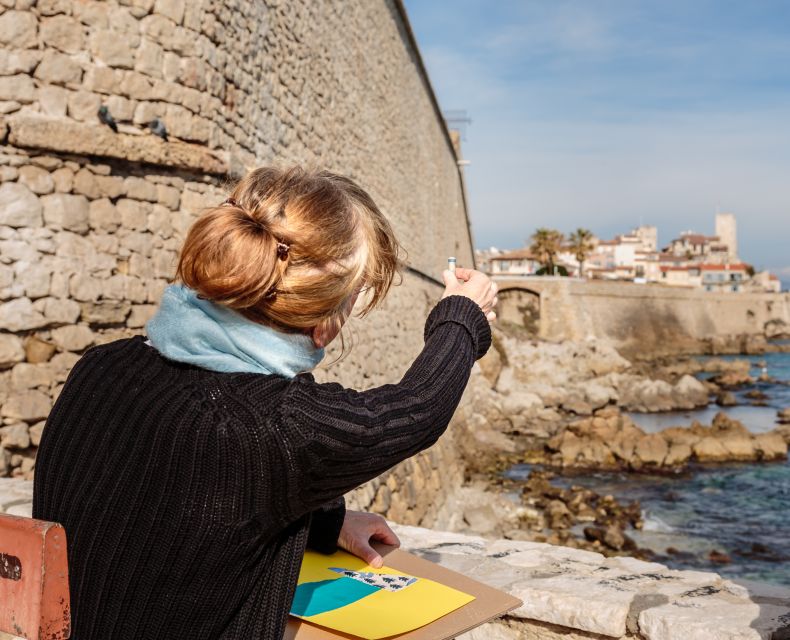
- Ramparts meet museum: you start at the top of the ramp, then move into the Picasso Museum with instant context.
- Guided museum tour (about 1 hour): you get a structured walkthrough led by a Picasso enthusiast.
- Terrace time and big-sky looking: you pause to take in views that you’ll later try to translate into your sketch.
- Outdoor drawing souvenir: you make a practical, framed-worthy piece using observation and light.
- Child-like marks, explained: you learn why play matters and how Picasso linked art to uninhibited drawing.
Start at the ramp: Antibes views that put you in the right mood
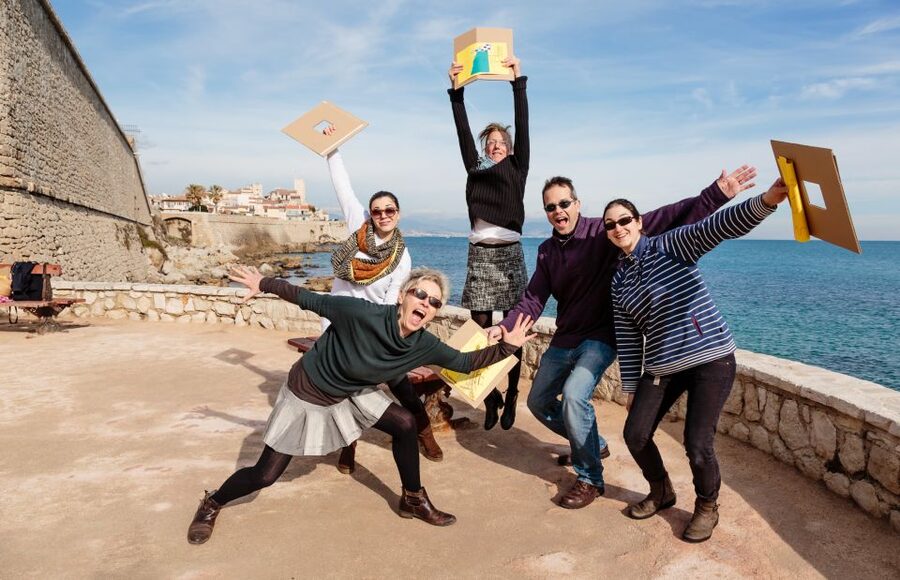
Meeting is at the top of the ramp, right by the entrance approach to the Picasso Museum. That location matters, because it gets you thinking like an artist before you even enter. Antibes is all angles, shutters, pale stone, and bright light bouncing around the old town—perfect training grounds for looking carefully.
The ramparts walk also gives you a calmer tempo than rushing straight into a museum. You’re not just collecting facts; you’re getting your eyes tuned. It’s the kind of reset that helps whether you’re an art person or not.
The Picasso Museum, guided by Nicola Powys (about 1 hour)
Once you step in, the pace shifts to museum mode: a one-hour guided tour around the Picasso Museum. The point isn’t to overwhelm you with dates—it’s to show you how Picasso’s thinking connects to what you’re looking at. You’ll learn about the way he viewed the world, plus how the works link back to Antibes.
Nicola Powys leads the tour in a way that works across ages. The sweet spot is her balance: you get enough detail to understand what you’re seeing, but not so much that it feels like a textbook you can’t breathe through. If you’re with kids, this matters because it helps keep attention on the art itself.
You’ll also get a sense of how Picasso’s choices show up in style—composition, marks, and the logic behind what looks bold or simple. That’s a big advantage for the next part of the tour, because you’re not starting the drawing section with a blank slate.
Terrace views: learn what to notice before your pencil moves
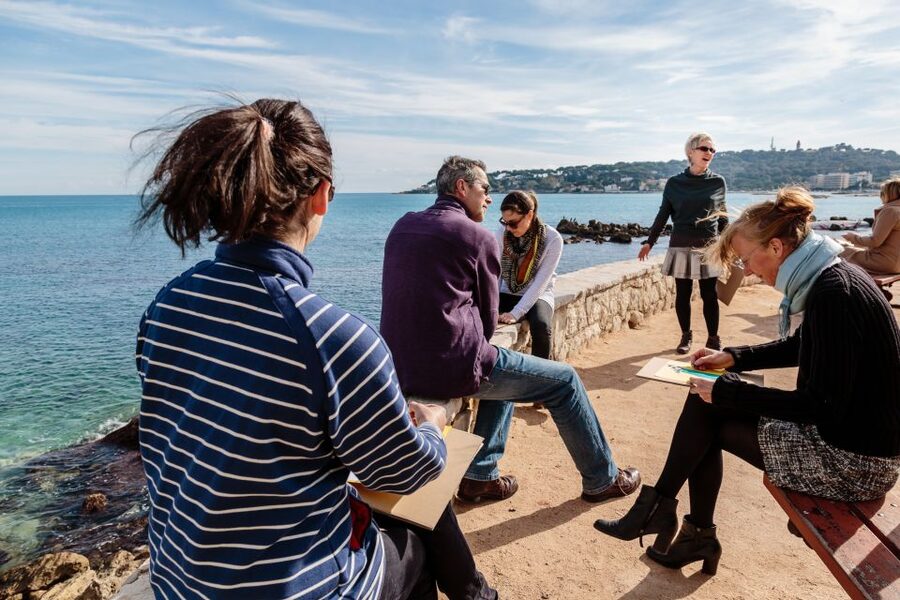
A highlight in this format is the terrace time. It’s not just a scenic break. You’re encouraged to actually look, to notice light, shapes, and the way the town’s features repeat themselves—lines, edges, and patterns.
This is where the tour quietly becomes useful. Instead of drawing randomly, you’re being guided to see with purpose. When you later try to capture the feeling of Antibes, you’ll already have a shortlist of visual cues in your head.
If you’ve ever struggled with drawing outside—like your page looks flat compared to what you see—this terrace moment is the fix. It sets you up to translate brightness and contrast into marks on paper.
Outdoor drawing souvenir: capturing light and town history with real observation
The second half of the 2 hours moves outdoors for a hands-on drawing session. The goal is practical: you’ll learn how to capture the light and the feeling of Antibes by using observation and making skills. In other words, it’s less about copying a photo and more about learning what to watch for.
You’ll be drawing with materials provided by the tour—sketching and writing supplies come included. This is one of those “small” inclusions that makes a huge difference. You don’t need to hunt for pencils or worry about bringing the right paper size.
The Picasso way: make marks like you mean it
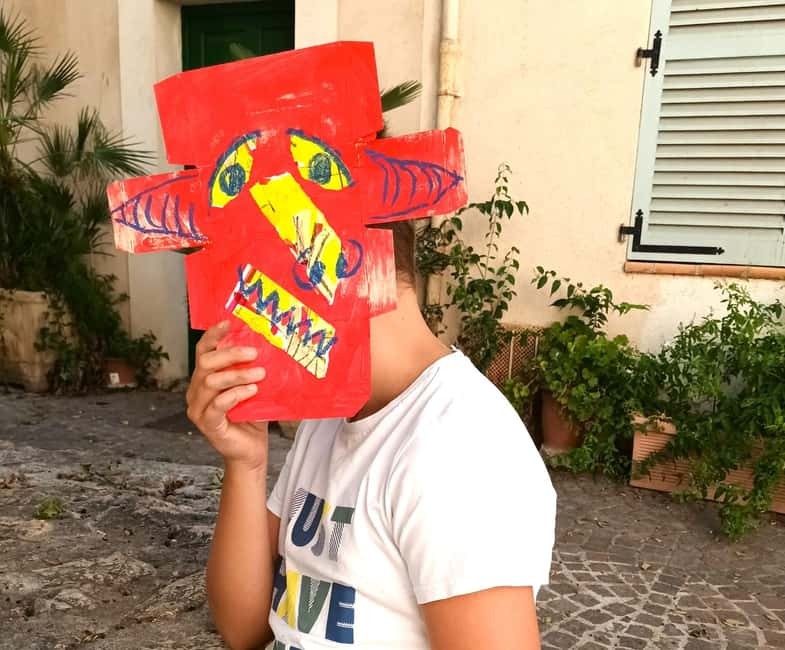
A core idea you’ll use is Picasso’s view that great art tries to recreate the uninhibited marks children make. That doesn’t mean childish scribbling. It means letting your hand move with less fear, while still using adult observation.
Nicola’s role here is important. You’re not left to guess. The guidance is structured around process—how to start, how to simplify what you see, and how to keep going even when your first lines don’t look right. That’s what makes it work for beginners.
Why this works for non-artists
If you think you’re bad at drawing, this style helps. It steers you away from the idea that you need perfect accuracy. Instead, you’re building confidence by learning a repeatable way to look: pick a few shapes, focus on light, and translate that into marks you can control.
And yes, you create a souvenir you’ll actually want to keep. The whole point is that the final piece becomes a personal artifact of your Antibes day, not a disposable activity.
From museum art to your paper: why the process feels personal
What turns this tour from art-history into a memory is the connection between the museum and your sketch. The guided museum time gives you vocabulary—how Picasso approached looking and why he used certain techniques. Then the outdoor session turns that vocabulary into a physical result.
That’s why the finished artwork feels meaningful. You’re not just watching someone else create. You’re using the same mindset: observation first, then play with form.
Nicola’s teaching approach is built around encouraging you to find your inner child and use your adult experience to shape the result. The practical takeaway for you is that art isn’t only talent—it’s permission plus method.
Who this tour fits best (and who might prefer something else)
This is designed to work for all ages and abilities, with one clear boundary: it’s not suitable for very young children, specifically kids under 6. The reason is straightforward—drawing and focused looking take energy, and the session is structured around a guided back-and-forth you’ll want to participate in.
It’s a strong fit if you want:
- a museum visit that doesn’t feel like a lecture,
- a creative activity that doesn’t require prior skill,
- a family-friendly option where kids are engaged and adults aren’t bored.
It may feel less ideal if your group wants a strictly passive experience, like only sightseeing with minimal standing and minimal involvement. You’ll be drawing, and the whole point is to participate.
Price check: is $82 good value for this 2-hour experience?
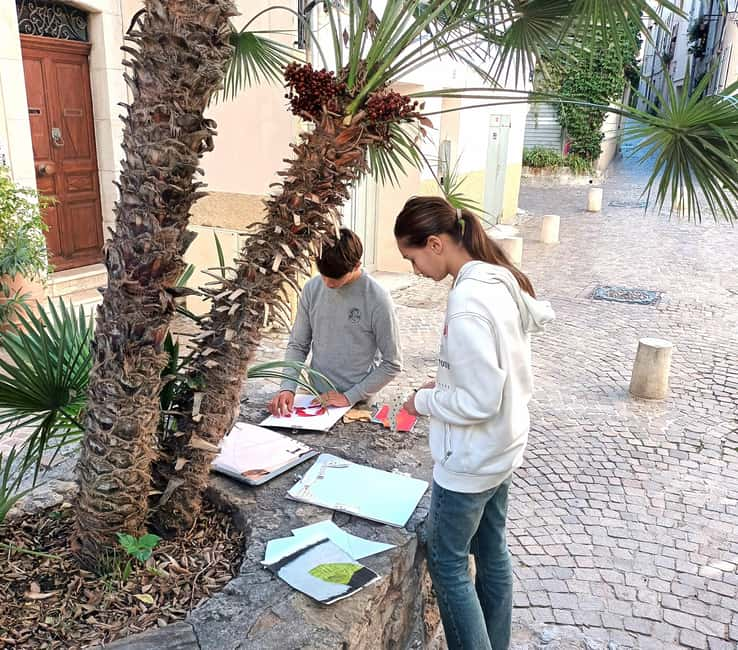
At $82 per person, you’re paying for more than museum entry. The tour includes the Picasso Museum entry fee (listed as 12 euros per person) and expert tuition from a professional artist/teacher. You also get the sketching/writing materials, which can quietly add up if you’re traveling with limited supplies.
Then there’s the biggest value piece: time with a guide who teaches you how to look and how to put marks on paper. Two hours goes by quickly when it’s done right, and the format here is efficient—you get an about-one-hour museum tour and then a hands-on second half that produces a take-home result.
If you were planning to visit the museum anyway, this often makes sense because you’re transforming a self-guided stop into a taught experience with a souvenir outcome.
Practical tips so you actually enjoy the drawing time
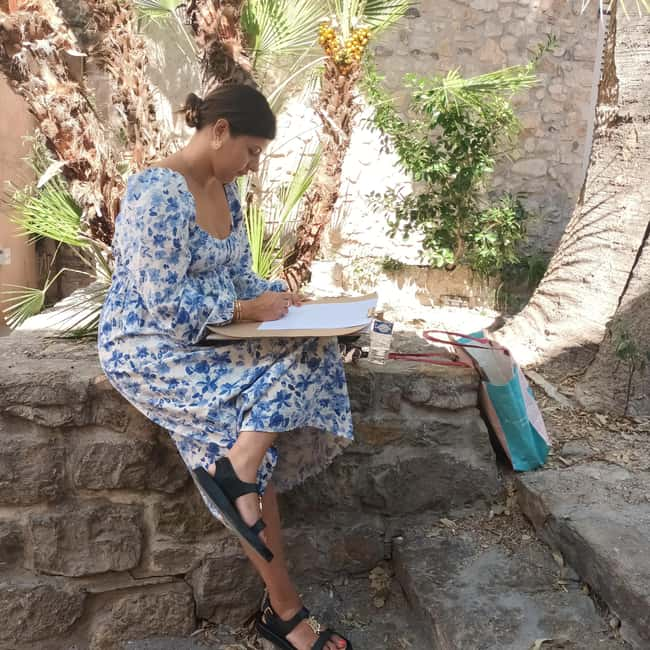
A tour like this goes best when you show up ready to look, not ready to perform.
- Wear comfortable shoes. You’ll move from the ramp approach to the museum and then be outdoors again.
- Bring a simple mindset: aim for progress, not a perfect sketch. The teaching approach is built around play and loosening up.
- If you’re traveling as a family, trust that the activity can work across ages. The guidance is designed to keep different levels engaged.
Also, don’t plan food right after as a “maybe.” Food and drink aren’t included, so build in time to eat on your own schedule.
Should you book this Antibes Picasso drawing tour?
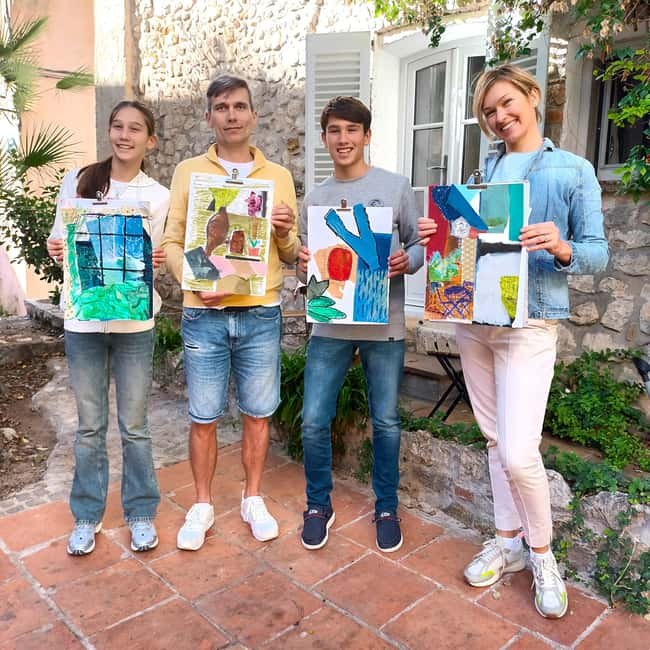
Book it if you want an Antibes souvenir that’s tied to actual seeing—light, shapes, and streets—rather than a generic photo. This format is especially appealing when you want both sides of an art day: guided museum understanding and a hands-on drawing result guided by Nicola Powys.
Skip it if your ideal vacation is mostly sit-and-stare sightseeing, or if your group includes a child under 6 who may struggle with the focused, outdoors portion.
FAQ
Where do I meet the guide?
Meet your guide at the top of the ramp.
How long is the tour?
The tour lasts 2 hours.
Is the guide available in English?
Yes, the live tour guide speaks English.
Is entry to the Picasso Museum included?
Yes. The entry fee to the Picasso Museum (12 euros per person) is included.
Do I need to bring drawing materials?
No. Sketching and writing materials are included.
Is food and drink provided?
No. Food and drink are not included.
Is the tour suitable for young children?
It is suitable for all ages and abilities, except very young children. It is not suitable for children under 6.
Can I cancel and get a refund?
Yes. Free cancellation is available up to 24 hours in advance for a full refund.
Is there a pay-later option?
Yes. You can reserve now and pay later.