REVIEW · KEY WEST
Mel Fisher Maritime Museum Admission Ticket
Book on Viator →Operated by Mel Fisher Maritime Museum · Bookable on Viator
Mel Fisher doesn’t feel like distant legend here. With your admission ticket, you get a shipwreck treasure museum in Key West that mixes gold-and-coins spectacle with hard human history.
I especially love how the exhibits are laid out in a clear sequence, so you can follow the story from recovery efforts to what was actually found. I also like that you’re not just looking at objects—you’re reading the drama, including Mel Fisher’s long fight with government officials.
One thing to keep in mind: this is a 1 to 2 hour visit, so if you’re hoping for a long, sit-and-chat guided experience, you may find it short.
In This Review
- Key highlights to look for
- Why this museum experience works in Key West
- Your ticket: what you’re really buying for $17.50
- The Mel Fisher story: more than gold fever
- Spanish Treasure Galleons galleries: the objects do the talking
- The Henrietta Marie: a shipwreck you can’t treat as just a “find”
- Slave Ship and Key West African Cemetery exhibits: context and consequences
- Pirates, Spanish coins, and the science of shipwrecks
- How long you should plan (and how not to feel rushed)
- Timing: when the museum is open
- What to expect from the staff and the vibe
- Who this admission ticket is best for
- Should you book the Mel Fisher Maritime Museum ticket?
- FAQ
- How long does the Mel Fisher Maritime Museum admission last?
- What’s included with the $17.50 ticket?
- Is there an audio option available?
- Are the exhibits available in English?
- What are the opening hours?
- Is the ticket single-use?
- Can I bring a service animal?
- Is the museum close to public transportation?
- Is there free cancellation?
Key highlights to look for
- Spanish Treasure Galleons galleries with gold, silver, and jewel finds from the wrecks that changed what people knew
- The Henrietta Marie relics (an English merchant slave ship dated to 1699) tied to a 1972 discovery and later excavation
- Conservation and shipwreck science, including a chance to see a lab tour and how artifacts are treated
- The Slave Ship and Key West African Cemetery exhibits that confront the Transatlantic Slave Trade and Key West’s role
- Mr. Fisher’s government battles, reaching all the way to the US Supreme Court in his quest to keep recovered artifacts
Why this museum experience works in Key West
Key West has a way of turning big stories into something you can almost touch. This museum does that with shipwreck archaeology, treasure hunting, and the paperwork battles that followed recovery. You’re seeing objects that came out of the sea, yes—but you’re also getting the real-world conflict around ownership, preservation, and who history belongs to.
The best part is the mix. You’ll walk through galleries that feel like a collector’s dream, then you’ll hit exhibits that make you slow down and think about the people behind the trade networks and wrecks. That contrast is not an accident. It helps the museum land its message: “treasure” and “tragedy” can share the same ocean routes.
If you like museums that tell a story in the order you’d actually want to learn it, this place fits your pace. Many people are happy coming in, doing the route, and leaving with a head full of details—without feeling like you spent half your day sitting in a lecture.
You can also read our reviews of more tours and experiences in Key West.

Your ticket: what you’re really buying for $17.50
At $17.50 per person, this admission is priced like a solid museum stop rather than a pricey curated tour. For me, the value comes from the fact that the ticket covers entrance to a full lineup of exhibit areas, including both the flashy Spanish treasure galleries and the heavier thematic displays about slavery and cemetery history.
The visit window is about 1 to 2 hours, which is perfect if you want a meaningful indoor stop in Key West without losing an entire morning or afternoon. It’s also a good match for people traveling with mixed interests: one person can focus on coins and jewelry, while another can focus on the social history and the science of shipwreck recovery.
The museum offers the experience in English, so you should feel comfortable reading and listening through the exhibits. And based on what people report, using the audio option can make the storytelling click more—especially when you’re moving from one room to the next.
The Mel Fisher story: more than gold fever
In the first main area, you get Mel Fisher as a true folk legend—right down to the legal fight that shaped what happens to recovered artifacts. This isn’t just a hero narrative where the treasure hunter wins and everyone claps. It includes the back-and-forth with government officials that ultimately reached the US Supreme Court.
That matters because it turns the museum into more than a showcase of finds. It explains why these artifacts were (and are) contested. It also helps you understand why museums and conservation work exist at all: there’s the romance of discovery, but there’s also the slow, complicated process of protecting what’s found and deciding how it’s preserved for public education.
In short: you learn that treasure hunting isn’t only about the moment you “find it.” It’s also about what you do afterward—legally, ethically, and scientifically.
Spanish Treasure Galleons galleries: the objects do the talking
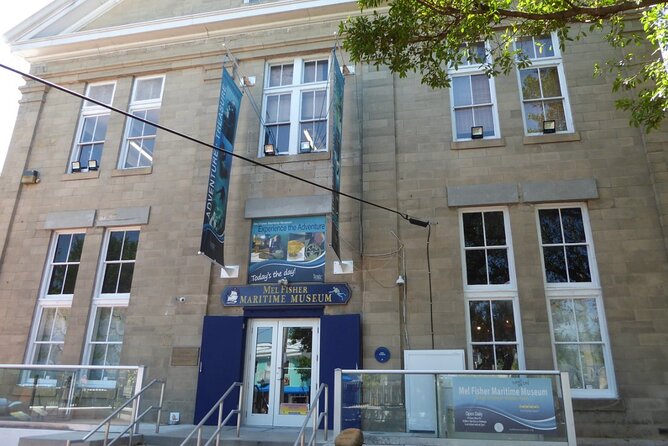
If you’re going to love this museum, there’s a good chance it starts with the Spanish Treasure Galleons galleries. This is where you see the “wow” factor: gold, silver, and jewels, along with the kind of recovered items that make you understand why people risked their lives for wrecks in the first place.
The galleries are set up so you can move through discoveries in a way that feels logical, not scattered. People also point out that the exhibits are presented in a sequential way, which is exactly what you want if you’re short on time and still want the story to add up.
A practical tip: don’t rush the coin-and-metal display areas. The museum clearly wants you to notice categories—Spanish coins, jewelry, plates and goblets, and bullion—because those categories help you grasp what kind of wealth traveled by ship and how wreck recovery turns into museum-grade artifacts.
If you’re traveling with kids or teens, this section tends to be the easiest entry point. It’s visual, it’s concrete, and it gives you something to point at while you talk about the larger history.
The Henrietta Marie: a shipwreck you can’t treat as just a “find”
Then the museum shifts gears, and it’s a strong pivot. You’ll encounter relics from the Henrietta Marie, described as an English merchant slave ship dating to 1699. The wreck was discovered in 1972, with partial excavation followed by more work years later.
This portion is valuable because it connects shipwreck archaeology to lived human consequences. You’re not only learning about a ship’s cargo or construction—you’re learning about a system, and the fact that recovered artifacts can hold evidence of forced labor and brutal commerce.
One of the most useful things the museum does here is give you timelines and context rather than vague emotion. That helps you hold the information without turning it into either trivia or shock. You may feel unsettled, but you also get an educational frame you can carry with you.
If you’re someone who likes to balance emotion with facts, this is where the museum earns trust. It’s not trying to make you feel good about anything. It’s trying to make sure you understand what happened.
Slave Ship and Key West African Cemetery exhibits: context and consequences
The Slave Ship and Key West African Cemetery exhibits bring the Transatlantic Slave Trade into sharper focus and specifically address Key West’s role in that story. This isn’t a generic history corner. It’s a confrontation—one that pushes you to think about how the places you visit today fit into older systems of power and violence.
These exhibits can be emotionally heavy. But they’re also the reason the museum feels serious, not just flashy. When you leave, you’re less likely to reduce shipwreck treasure to a fun pirate fantasy, because the museum keeps reminding you that the ocean was part of a larger machinery of human suffering.
Another practical note: take a slower pace here. Even if you plan for 1 to 2 hours total, you’ll want extra time for these rooms because they’re the ones most people remember afterward.
Pirates, Spanish coins, and the science of shipwrecks
Between the treasure galleries and the heavier exhibits, the museum also covers the broader “how did this all work?” questions. You’ll come across topics like Spanish coins in the New World, the idea of the real pirates of the Caribbean, and the science behind shipwreck recovery.
What I like about this approach is that it helps you understand what’s between the ocean floor and the glass display case. Shipwreck artifacts don’t just pop into a museum. They have to be identified, stabilized, and preserved so they survive long enough for public viewing.
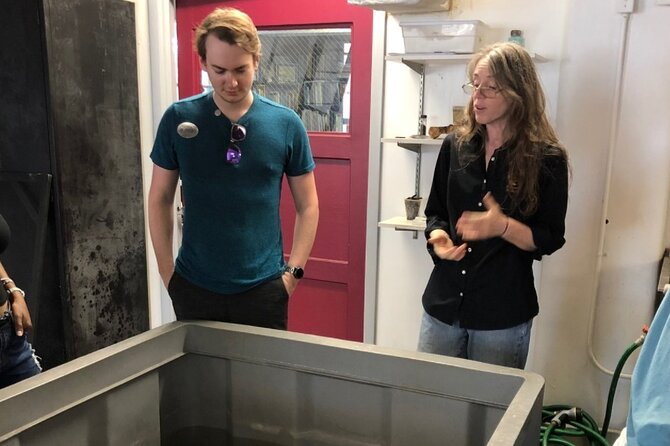
People also mention the museum’s emphasis on conservation and how history is revealed through that process. If a lab tour is running during your visit, it’s worth timing your route so you can see the practical work—how conservators handle materials and why conservation takes time.
And yes, one visitor specifically called out information tied to the Cuban missile crisis, which suggests the museum sometimes connects shipwreck and maritime stories to larger regional events. If that theme interests you, keep an eye out for it as you move through the exhibits.
How long you should plan (and how not to feel rushed)
This ticket is described as a 1 to 2 hour experience. That range matters. If you’re in “read every label” mode, aim closer to 2 hours. If you skim and focus on the main galleries—treasure, Henrietta Marie, and shipwreck science—you can likely do it in about an hour to an hour and a half.
I’d also plan your energy around which rooms hit hardest. The slave trade and cemetery content is the part that often needs emotional processing, so don’t schedule it as a quick last stop if you can avoid it.
Comfort helps. One person mentioned chairs for breaks, which is a real quality-of-life detail if you’re traveling with parents or anyone who needs occasional rest. If you’re that person, build in extra time so you don’t feel hurried during the more intense exhibits.
Timing: when the museum is open
For 2025 and 2026, the museum is open Tuesday through Sunday, 10:00 AM to 4:00 PM. That gives you a lot of flexibility. In Key West, I like visits in the late morning or early afternoon to avoid the morning rush and still have time for other stops later.
If you’re booking in advance, that long lead time people show is a hint: the museum is a popular Key West “learn something real” stop, so you’ll do better choosing your date early if your schedule is tight.
What to expect from the staff and the vibe
Most visitors praise the staff for being helpful and good at explaining what you’re seeing. People also mention that the museum experience benefits from using the audio option, which can add clarity to the story as you walk from one gallery to the next.
That said, one review criticized the mood, saying the staff didn’t seem warm and that the atmosphere felt off. Museums can vary day to day, and your own tolerance for a quieter, serious vibe matters here.
My practical takeaway: if you prefer a friendly, chatty welcome, plan to focus on the exhibits and let the artifacts do most of the work. If you want calm and reflective, you’ll likely feel at home.
Who this admission ticket is best for
This is a great fit if you want:
- A Key West museum that mixes treasure and human history instead of choosing only one
- A short, high-impact indoor activity that still feels substantive
- Shipwreck science and conservation as part of the story, not an afterthought
It can also be a strong stop for teachers and students, since one review explicitly pointed out how well the exhibits support learning through artifacts and visuals.
If you’re only seeking an easy, purely entertaining attraction, this museum might feel too direct in parts. But if you want entertainment with context—things that make you think—this is one of the better-value ways to spend a couple of hours.
Should you book the Mel Fisher Maritime Museum ticket?
Yes, you should book it if you want a Key West stop that feels grounded in evidence: real recovered items, clear exhibit sequencing, and a story that ranges from legal battles to shipwreck science to the realities of slavery. At $17.50, the price is reasonable for the number of main exhibit areas you can cover in a 1 to 2 hour visit.
Skip it only if you’re expecting a long guided tour experience or if you really don’t want any heavy content. The museum clearly includes the Slave Ship and Key West African Cemetery exhibits, and that tone is part of why the collection matters.
If you’re building a Key West day and you like museums that teach while keeping your attention, this ticket is a strong choice.
FAQ
How long does the Mel Fisher Maritime Museum admission last?
The visit is listed as approximately 1 to 2 hours.
What’s included with the $17.50 ticket?
The ticket includes entrance to the Mel Fisher Maritime Museum.
Is there an audio option available?
Yes. One visitor noted they used the audio option and felt it helped bring the experience to life.
Are the exhibits available in English?
Yes. The admission is offered in English.
What are the opening hours?
For both 2025 and 2026, it’s Tuesday through Sunday, 10:00 AM to 4:00 PM.
Is the ticket single-use?
Yes. The ticket is valid for single use within 60 days of your selected date.
Can I bring a service animal?
Yes. Service animals are allowed.
Is the museum close to public transportation?
The listing says it’s near public transportation.
Is there free cancellation?
Yes. Free cancellation is available if you cancel up to 24 hours in advance for a full refund.
If you want, tell me your travel dates and whether you’re more into treasure, shipwreck science, or the darker history—then I’ll suggest a simple time plan for how to route your 1–2 hours inside.