REVIEW · DRESDEN
Dresden: Guided Walking Tour and Chocolate Museum Ticket
Book on GetYourGuide →Operated by Dresden Information · Bookable on GetYourGuide
Dresden walks fast, then smells like chocolate. I love how this plan bundles a guided walking tour through major sights with a ticket to the Dresden Chocolate Museum, so the afternoon has both stories and snacks.
I also like that the tour guide doesn’t just recite dates. You get a clear sweep from Middle Ages and Renaissance energy into Baroque grandeur, with touches of modern history like the Peaceful Revolution of 1989.
One thing to factor in: after the walk, the museum part is self-guided, so you’ll want to manage your time (especially if you pick the 4:00 PM walking slot).
In This Review
- Key highlights worth your attention
- How the Dresden Old Town walk sets you up for the Chocolate Museum
- Meeting at QF Passage: the easiest start you can ask for
- Dresden Castle to Brühl’s Terrace: the story starts before the grand facades
- Baroque Dresden sightlines: Semperoper, the Zwinger area, and Frauenkirche
- The 1989 Peaceful Revolution and reunification, explained in context
- From tour end to museum start: how the self-guided Chocolate Museum works
- What you’ll learn at the Dresden Chocolate Museum
- Anton Reiche’s chocolate molds: the detail that makes history feel tangible
- Timing matters: museum hours and the 4:00 PM catch
- Price and value: why $18 can work for the right day
- Who this Dresden experience suits best
- Should you book this Dresden walking tour + Chocolate Museum ticket?
- FAQ
- Where is the meeting point for the walking tour?
- How long is the guided walking tour?
- Is the museum visit guided?
- What language is the walking tour guide?
- Do I get skip-the-line entry to the Chocolate Museum?
- Can I use my voucher to enter the museum any time that day?
- What are the Chocolate Museum opening hours?
- What if I book a walking tour at 4:00 PM?
- What’s included with the ticket besides museum entry?
- Is there a special booking rule for school classes or youth groups?
Key highlights worth your attention
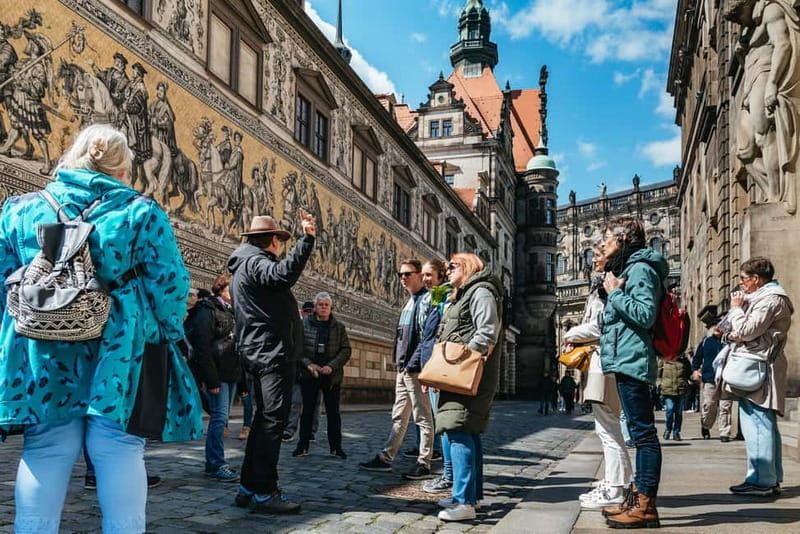
- Old Town landmarks in one tight route: Frauenkirche, Semperoper, Taschenbergpalais, and key views around the Zwinger area
- A guide who keeps history moving through Middle Ages, Renaissance, Baroque, and 1989 reunification context
- Chocolate Museum access built in: ticket included, plus chocolate tasting
- Real German chocolate history facts like Dresden’s role as Germany’s former capital of chocolate and milk chocolate’s origin story
- Anton Reiche’s chocolate molds and the full journey from cocoa beans to chocolate
How the Dresden Old Town walk sets you up for the Chocolate Museum

This is one of those rare tour combinations where the second half feels smarter because of the first. The walking portion helps you place Dresden—what happened where, and why the city looks the way it does. Then the Chocolate Museum gives you the payoff: the background behind German chocolate, followed by tastings.
For just 1.5 hours on foot, you’ll cover a lot of the center and hit the landmarks people actually come to see. I like the format because it avoids the two common problems: either history gets too long with no payoff, or a museum visit happens without context. Here, you get both, and the time stays manageable.
And yes, you also get that very practical bonus: the tour includes the museum ticket and tastings, so you’re not scrambling for entry plans in the middle of the day.
A few more Dresden tours and experiences worth a look

Meeting at QF Passage: the easiest start you can ask for
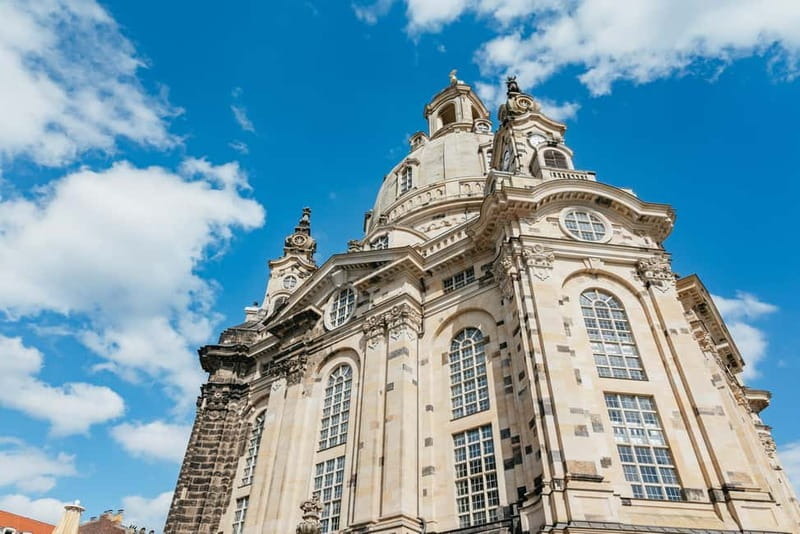
The meeting point is in the basement of the QF Passage, at the seating area of the Dresden Information. That matters because Dresden has a lot of streets, courtyards, and pedestrian connections, so a clear indoor meeting spot helps you not waste the first ten minutes.
The tour runs with a live guide in German. If you’re comfortable with basic German (or even just want the structure), you’ll still be able to follow along because the stops and landmarks do a lot of the work. If you’re not comfortable with German, you may find the stories harder to catch in detail, even though you’ll still enjoy the sites.
The good news: the walking portion is timed and focused. You’re not stuck on foot for hours. This is a “get your bearings fast” kind of day—especially helpful if you’re new to Dresden.
Dresden Castle to Brühl’s Terrace: the story starts before the grand facades
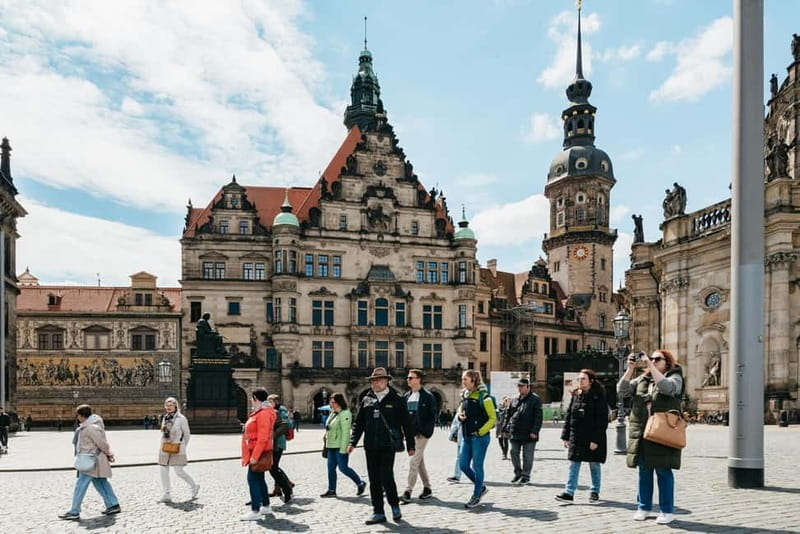
The walk begins around Dresden Castle, and from there it flows toward Brühl’s Terrace and the Procession of Princes and Stallhof area. This section is more than a transition route. It’s where the guide frames Dresden’s identity: power, rebuilding, and the way styles changed as eras changed.
What you’ll likely appreciate here is the pacing. The tour connects visual details to the era you’re seeing. Even if you don’t want a deep seminar, you’ll come away with a clear sense of how Dresden shifted from medieval foundations into later Renaissance energy and then into the Baroque language of grandeur.
Practical note: the tour includes key viewpoints and landmark stretches, so wear shoes you can trust for walking in city streets and around terraces. You’ll be standing and walking enough that comfortable footwear is not optional.
Baroque Dresden sightlines: Semperoper, the Zwinger area, and Frauenkirche
After you work your way through the mid-route sights, you’ll see major anchor points like the Semperoper and views around the Baroque Zwinger area. This part of Dresden can feel like the city is showing off a little—and that’s the point. The Baroque era wasn’t subtle. It aimed to impress.
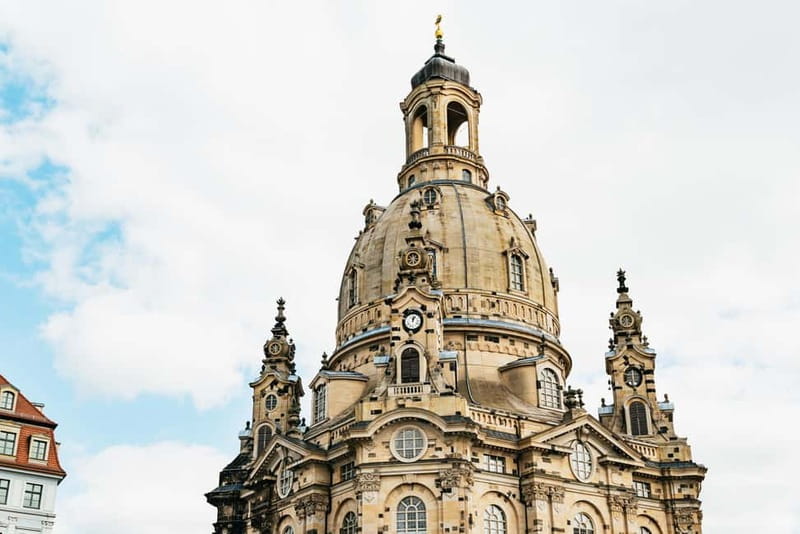
Then the tour heads toward its finish near the Frauenkirche. This is one of Dresden’s most recognizable symbols, and it’s also a powerful stop because the guide ties in more than architecture. The story threads connect the city’s cultural shifts with the pain and recovery of later history.
I like that the walking tour includes both “wow” architecture moments and context. You don’t just see the church; you understand why it matters in the overall picture of Dresden.
The 1989 Peaceful Revolution and reunification, explained in context
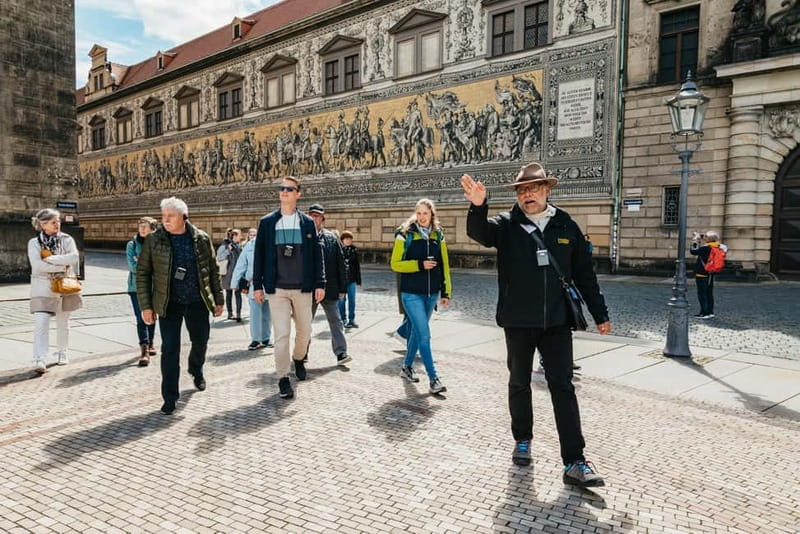
Dresden isn’t only a postcard of earlier centuries. The tour includes the background to the Peaceful Revolution of 1989 and how it relates to the reunification of East and West Germany. That’s important because it changes how you read the city after dark, after history, after decades.
You’ll get this in a way that fits into a walking tour format—not a lecture, but a set of connections your brain can hold onto while you look at the built environment. If you like understanding the “why” behind places rather than just collecting names, this is a real plus.
From tour end to museum start: how the self-guided Chocolate Museum works
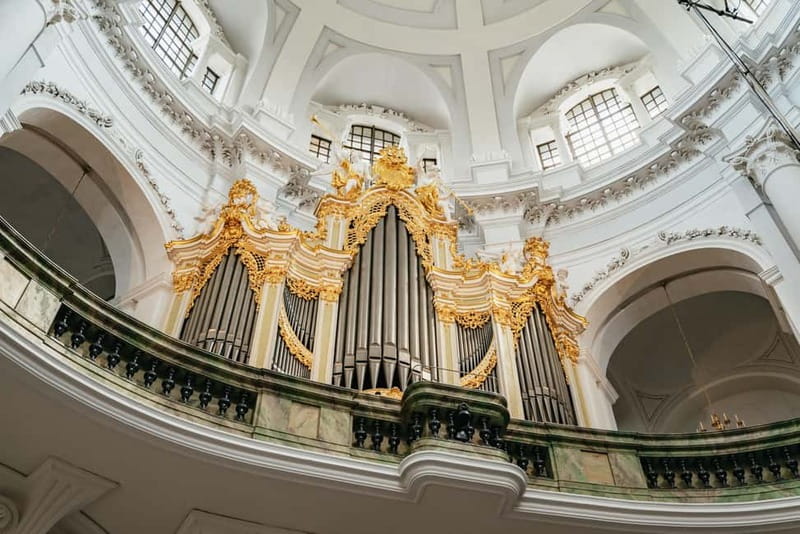
Once the walking portion ends near Frauenkirche, you’ll switch gears to the Chocolate Museum. The guide won’t accompany you inside, so you’re in control of how fast you move through exhibits.
This is one of the biggest practical differences of the experience, and also one of its best features if you like choice. You can linger over the parts that catch your interest—like chocolate molds, production history, or tasting stations—without feeling rushed by a group.
You also have flexibility because your walking-tour voucher lets you enter the museum at any time on the day of your tour, with no prior notice. That means if the morning feels rushed, you can swap your pace and still fit the museum in.
What you’ll learn at the Dresden Chocolate Museum
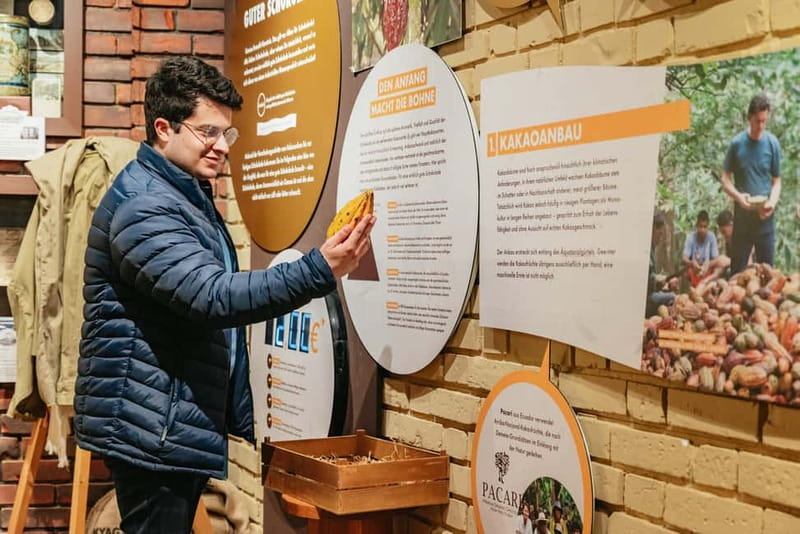
Inside, the museum frames Dresden as Germany’s former capital of chocolate, and it includes a story about the origin of milk chocolate, which is said to have been invented in the city. The way it’s presented gives you a sense of how an ingredient and an idea can reshape a whole food culture.
You’ll also see why the museum isn’t only about eating. It covers:
- the key components that make great chocolate
- surprising history about numerous chocolate factories in 19th-century Dresden
- how the process moves from cocoa beans to chocolate
- what early chocolate bars may have tasted like
And because chocolate is the point, you’ll finish with chocolate tasting included in your ticket. That tasting turns the museum’s facts into something you can actually remember.
Anton Reiche’s chocolate molds: the detail that makes history feel tangible
One exhibit you should actively seek out is the collection of chocolate molds by Anton Reiche. The museum houses one of the world’s largest collections of these molds, which helps you understand chocolate as both craft and culture. It’s a clear reminder that chocolate has always been shaped by technology, artistry, and what people wanted to celebrate.
If you like seeing how everyday objects have design history, this part will land well. It’s also a fun photo opportunity if you like documenting what you find.
Timing matters: museum hours and the 4:00 PM catch
The Chocolate Museum is open 11:00 AM to 6:00 PM daily. That’s enough time for most people to do the tour and still have a solid museum visit.
Here’s the one special rule to remember: if you choose the walking tour at 4:00 PM, visit the museum on your own before the walking tour. In other words, don’t assume you can do the museum after a late walk start. With museum closing at 6:00 PM, you’ll run out of buffer fast.
To make this easy, I recommend thinking in two steps:
1) Do you want the museum to be the main event? Then visit earlier.
2) Do you mostly want the museum tasting and a quick tour? Then a mid-day walking slot is usually fine.
Also, because you’re entering with your voucher, you can avoid ticket-line hassle and focus on the time you actually care about.
Price and value: why $18 can work for the right day
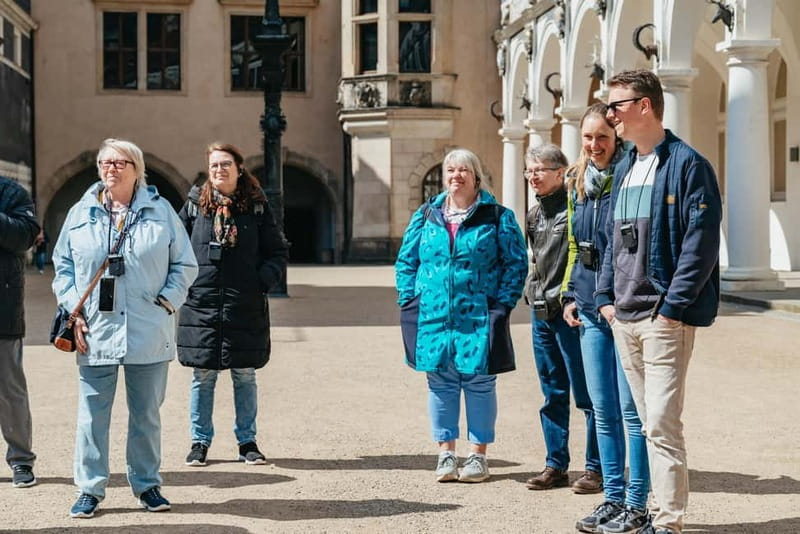
At $18 per person for a guided walking tour plus a museum ticket and tasting, the value is strongest if you want both halves without doing extra planning. You’re paying for:
- a live guide for 1.5 hours
- entry access to the Chocolate Museum
- chocolate tasting
If you were to do these separately—find a guide, then buy museum entry, then add tastings—you’d almost certainly end up spending more time and likely more money. Here, the pricing is basically buying you convenience and flow.
The only time it feels less ideal is if you’re the type who prefers a fully guided museum experience. Because the museum is self-guided, you won’t have a guide explaining exhibits while you’re inside. That’s not a flaw; it just changes how you should plan your pace and curiosity.
Who this Dresden experience suits best
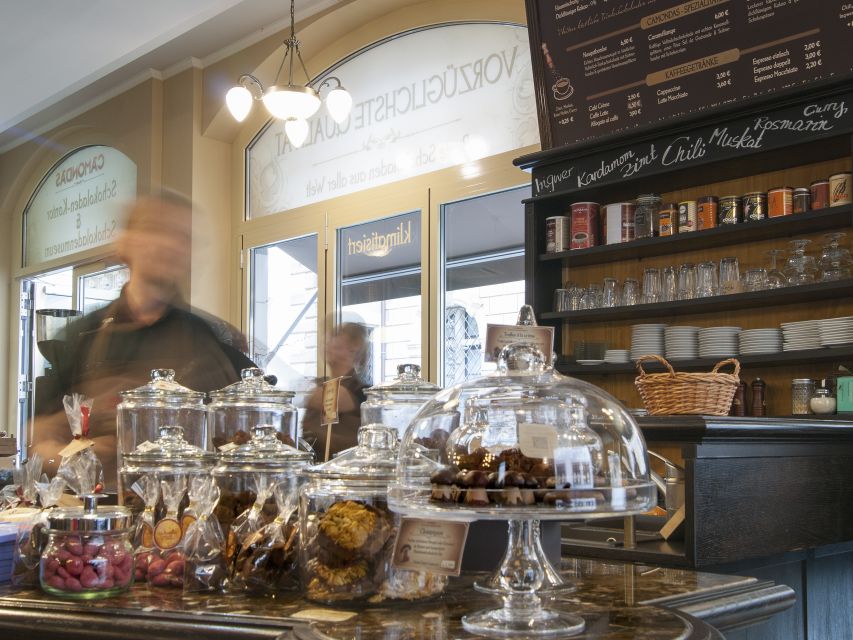
This experience fits best if you want:
- a structured first look at Dresden’s center without committing to a long day
- a guide who can connect Medieval → Renaissance → Baroque, then bring in the 1989 Peaceful Revolution context
- a museum visit where you can move at your own speed afterward
It’s also a reasonable fit for chocolate lovers who don’t only want to eat. You’ll learn why Dresden mattered for chocolate manufacturing and production, not just how to taste it.
Language note: the walking guide is German, so if you want the narration to be crystal clear, plan for that. If you’re comfortable with some German—or you just want the landmarks explained—you’ll likely still have a good time.
Wheelchair accessibility is listed, and that’s useful to know up front when you’re planning a city walk.
Should you book this Dresden walking tour + Chocolate Museum ticket?
I’d book it if you want a tight, efficient day with real context. The walking portion gives you orientation fast—major Dresden landmarks, era-to-era storylines, and modern history connections. Then the museum turns those stories into something physical through molds, production history, and tasting.
Skip it if you’re hoping for a fully guided museum experience or if you strongly prefer all-day guided narration in a language you can understand comfortably.
If your goal is a smart Dresden sampler that doesn’t waste hours, this is a strong choice.
FAQ
Where is the meeting point for the walking tour?
The meeting point is in the basement of the QF Passage, at the seating area of the Dresden Information.
How long is the guided walking tour?
The guided walking tour lasts about 1.5 hours.
Is the museum visit guided?
No. After the walking tour, you visit the Chocolate Museum on your own. The guide does not accompany you.
What language is the walking tour guide?
The walking tour is provided in German.
Do I get skip-the-line entry to the Chocolate Museum?
Yes. Ticket inclusion includes skipping the ticket line.
Can I use my voucher to enter the museum any time that day?
Yes. You can use your voucher to enter the Chocolate Museum at any time on the day of your walking tour, without prior notice.
What are the Chocolate Museum opening hours?
The museum is open from 11:00 AM to 6:00 PM daily. You should check their website for any special closing times.
What if I book a walking tour at 4:00 PM?
If you choose the 4:00 PM walking tour, you must visit the Chocolate Museum on your own before the walking tour.
What’s included with the ticket besides museum entry?
Chocolate tasting is included.
Is there a special booking rule for school classes or youth groups?
Yes. School classes and youth groups with participants under 15 years old, with 10 people or more, must book an exclusive group tour.