REVIEW · DRESDEN
Dresden: Albertinum Museum Entry Ticket
Book on GetYourGuide →Operated by GetYourGuide Tours & Tickets GmbH · Bookable on GetYourGuide
Dresden’s Albertinum is a great one-stop art fix. This ticket gets you into both the Galerie Neue Meister and the Skulpturensammlung, so you can watch styles change from Romanticism to Contemporary. I love the way it pairs painting and sculpture in the same visit, and I also like that the collection includes familiar heavyweights like Caspar David Friedrich plus big 20th-century names.
One thing to plan around: the 2nd floor is closed for technical construction from 07 April to 17 April, so your route may feel a bit shorter that week.
In This Review
- Key Highlights to Focus On
- Albertinum Museum Entry Ticket: What You’re Really Buying
- Start at The Thinker: Your Route Begins With Rodin
- Galerie Neue Meister Meets Skulpturensammlung: Painting and Sculpture Side by Side
- Caspar David Friedrich in Dresden: Romanticism With Teeth
- The 20th Century Turns: Lehmbruck, Diecker, and Modern Material Ideas
- Don’t Miss Rodin’s Other Presence and the Sculpture Timeline
- April 7–17: Plan for the Closed Second Floor
- What to Bring and How to Make It a Smooth Visit
- Price and Value: Is $16 Worth Your Time?
- Who This Visit Suits Best
- Should You Book the Albertinum Entry Ticket?
- FAQ
- How much does the Albertinum entry ticket cost?
- How long is the ticket valid?
- What collections can I see with this ticket?
- Which time periods are included?
- Is the museum wheelchair accessible?
- Is there any closure during my visit?
- Can children enter for free?
- What should I bring?
- Can I cancel after booking?
Key Highlights to Focus On
- Rodin first impression: The Thinker by Auguste Rodin is the first work you’ll see.
- Romanticism to Contemporary in one ticket: You’re not stuck in one era.
- Caspar David Friedrich on display: A must-see for anyone who likes German Romantic art.
- Sculpture with serious personality: Don’t miss Auguste Rodin’s presence and the collection’s long timeline.
- Modern ideas in objects: Tony Cragg’s cube made from wood, fabric scraps, and loose-leaf binders is a fun, brainy moment.
Albertinum Museum Entry Ticket: What You’re Really Buying
This is a simple ticket with a smart payoff. For $16 per person, you get entry to the Albertinum for a full day (the ticket is valid 1 day—check available starting times). You’re not paying extra for a guided route or set activities; the value comes from how broad the collections are once you’re inside.
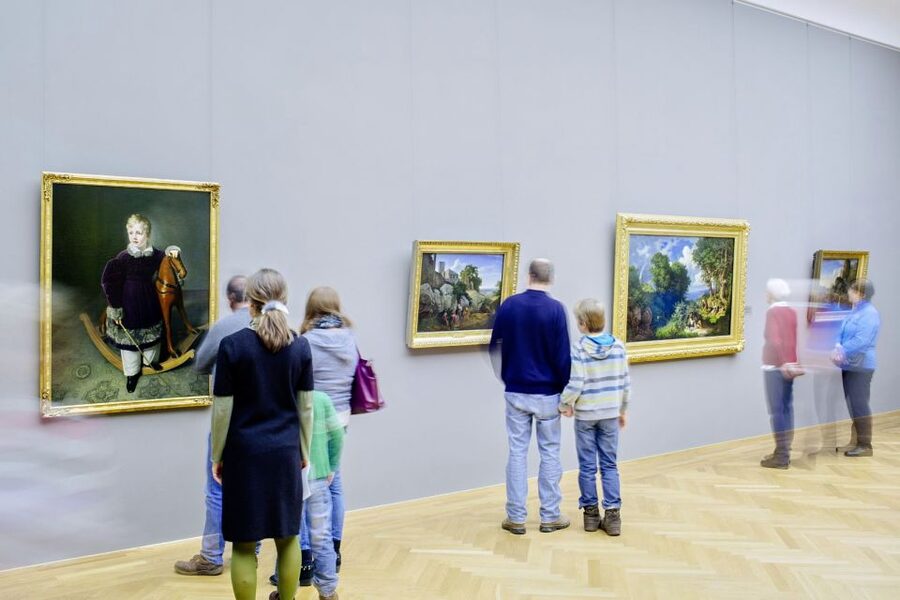
You’re walking into a museum layout that naturally connects categories that people often keep separate. You’ll see paintings alongside sculpture, and the experience is framed around the idea of art meeting across time and mediums. If you like wandering with purpose—choosing what to linger on—you’ll do well here.
Two practical notes matter for planning:
- The museum’s key mix is Galerie Neue Meister (New Masters Gallery) plus the Skulpturensammlung (Sculpture Collection).
- You should check the Albertinum’s latest opening hours on the local partner’s official site, since museum schedules can shift.
And yes, you’ll want your walking shoes. This is an art museum, but it’s still a museum with distance between rooms.
A few more Dresden tours and experiences worth a look

Start at The Thinker: Your Route Begins With Rodin
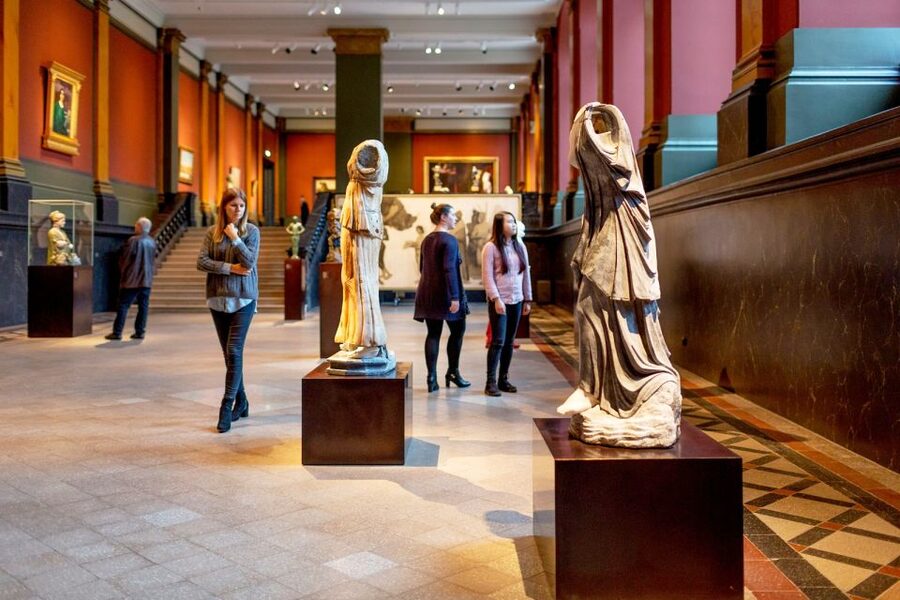
The museum’s best “wake up your eyes” trick is the first thing you’ll see: The Thinker by Auguste Rodin. Placing Rodin right at the start does two good things for your visit.
First, it sets the tone. Rodin’s work is bold and recognizable, and it instantly tells you the Albertinum isn’t only about old master vibes. It’s also about how sculpture can carry movement, doubt, and emotion.
Second, it gives you a reference point for everything that comes after. Once you see Rodin’s mass and focus, you start looking at later works with different instincts—how they use texture, how they handle form, and how artists push materials past classic expectations.
You’ll likely catch yourself doing that museum thing where you think you’re just “passing through,” then suddenly you’re stopping to study details. That’s a good sign. It means your route is working.
Galerie Neue Meister Meets Skulpturensammlung: Painting and Sculpture Side by Side

One of the reasons this ticket feels like good value is that it covers more than one collection. The Albertinum is split between Galerie Neue Meister and Skulpturensammlung, covering roughly from the 19th century up to today.
That matters because you don’t have to pick a single “theme day.” You can do a true mixed-media museum day:
- One room nudges you into painting and the ideas behind it.
- Another room brings you into sculpture, where artists think in volume, surface, and weight.
- And the whole time, you’re watching change over time.
I like this setup because it makes comparisons easy. For example: when you spot how a work handles emotion in paint, you can then ask how a sculptor would handle the same kind of emotion with physical form. You don’t need an art degree for this; you just need curiosity and a little time.
Also, the museum description frames the experience as East meeting West and today meeting tomorrow. That theme isn’t just marketing language. It’s the kind of curatorial logic that helps you see why the collection spans styles instead of keeping you in one safe historical box.
Caspar David Friedrich in Dresden: Romanticism With Teeth
If you’re visiting Dresden and you care about German Romantic art, the Albertinum is a strong stop because it includes works by Caspar David Friedrich. Romanticism can sometimes feel like big feelings delivered with dramatic clouds. Friedrich often does that—but he’s also more precise than people expect. He uses atmosphere and composition like tools, not just decoration.
In a museum that also includes modern works, Friedrich becomes a useful anchor. You can stand in front of a Romantic work and then, a few rooms later, see how artists shifted from symbolism and mood to new kinds of form, structure, and material play.
I’d treat Friedrich as your “tempo setter.” Spend real time here. Don’t rush. If you do, the museum will feel like a checklist. If you linger, the rest of the collection will click more easily.
The 20th Century Turns: Lehmbruck, Diecker, and Modern Material Ideas
Once you’re past the obvious anchors, the Albertinum starts rewarding you for paying attention to the 20th-century swing. Here are three works you’ll want to seek out if you like art that thinks out loud:
- Wilhelm Lehmbruck’s Kneeling Woman (1911): This kind of work makes you slow down. The pose, the quiet tension, and the human scale invite you to read the sculpture the way you’d read a poem—line by line, detail by detail.
- Birgit Diecker’s Seelenfänger: The title alone suggests a job beyond aesthetics. Works like this are often about capturing or holding something intangible, and it’s the kind of piece that benefits from a second look.
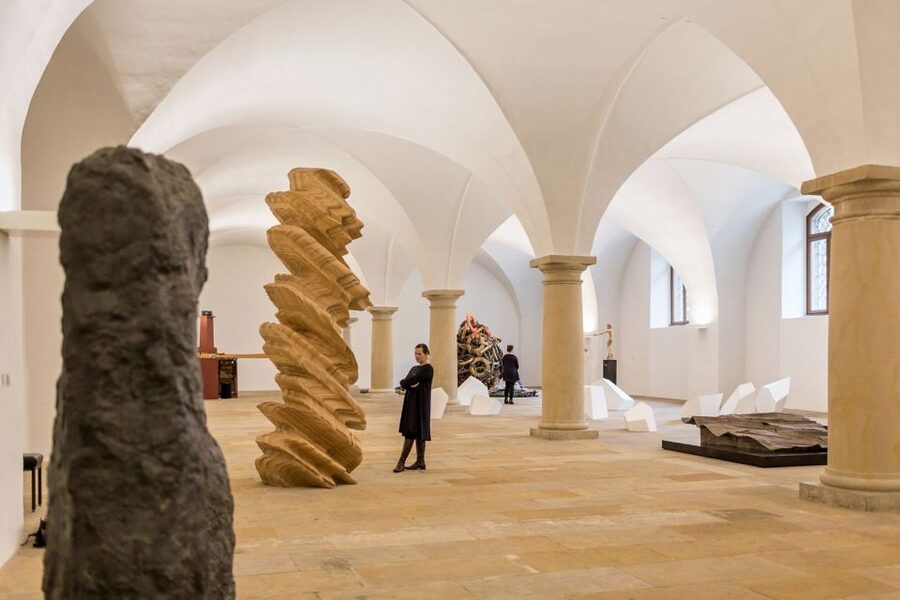
- Tony Cragg’s stacked cube made from wood, fabric scraps, and loose-leaf binders: This is the playful thinker moment. Instead of treating materials like neutral building blocks, Cragg uses everyday stuff as if it’s a language. It’s almost like you’re watching an idea become an object in real time.
What I like about mixing these with earlier Romantic and sculptural work is that it keeps you from treating art history like a straight line. The museum’s timeline can feel more like a conversation: each period answers the last with new questions about form, emotion, and meaning.
Don’t Miss Rodin’s Other Presence and the Sculpture Timeline
Rodin is already your entrance hit, but the museum experience stays sculpture-forward throughout thanks to the Sculpture Collection from 1800 onwards. That timeline matters because it lets you watch sculpture evolve as a medium, not just as a genre with a few iconic names.
In practice, this means your visit isn’t only about “spotting famous works.” You can also track how artists use:
- proportion and human scale,
- texture and surface,
- and materials that either behave or rebel against tradition.
If you’re someone who usually thinks of sculpture as static, this kind of collection can gently change your expectations. It encourages you to look at sculpture as something built from choices—what’s emphasized, what’s removed, and what’s left to the viewer’s imagination.
April 7–17: Plan for the Closed Second Floor
Technical construction closes the 2nd floor from 07 April until 17 April. This is important, because it can change how the museum feels.
Here’s the practical way to handle it:
- If your visit falls in that window, accept that your route may be shorter.
- Focus your time on the works you most want to see, especially the pieces you can’t easily replace on another day.
- Check the official site for any temporary changes to galleries or how the visit flows.
I’d treat this like a scheduling heads-up rather than a deal-breaker. Even with one floor closed, the Albertinum still gives you a focused look at major sculpture and painting sections.
What to Bring and How to Make It a Smooth Visit
You don’t need a fancy kit here, just the basics done well:
- Comfortable shoes: You’ll walk.
- Camera: Bring it if you like photographing details or saving references for later.
Also, give yourself a realistic mindset. This is not a “five paintings and out” kind of museum. The collections span eras from Romanticism to Contemporary, and if you’re the type who likes to actually read what you’re seeing, you’ll naturally spend more time.
You don’t have to follow a strict schedule. Pick a few anchors:
- Rodin (The Thinker),
- Friedrich,
- and one modern sculpture (like Cragg).
Then let the rest of the rooms support those choices. That approach turns the visit into a personal tour, not a race.
Price and Value: Is $16 Worth Your Time?
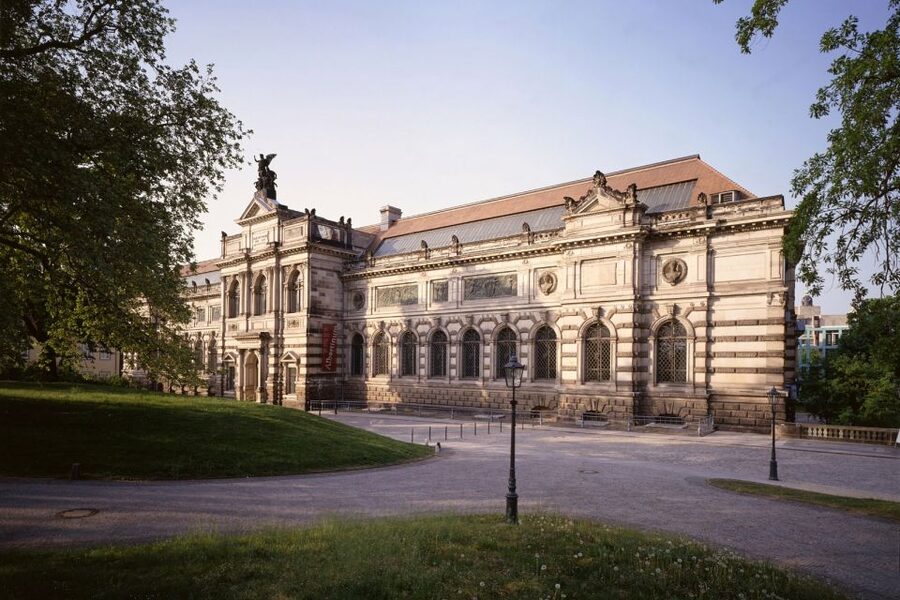
At $16 per person, this ticket is priced like a straightforward museum entry. The value comes from the breadth of what you can cover in one day, not from any extra add-ons.
Here’s why it can be worth it:
- You get access to multiple collections in the same visit: the New Masters Gallery plus the Sculpture Collection.
- The range spans 19th century to today, so the museum works for both classics fans and modern-art curious minds.
- The highlighted works—Rodin, Friedrich, Lehmbruck, Diecker, and Tony Cragg—cover different styles, so you’re less likely to feel like you’re repeating yourself.
If you’re only interested in one narrow niche, you might still enjoy it, but it might feel like too much choice. If you like variety, mixing painting and sculpture, and seeing how styles shift, this ticket is a solid use of your time in Dresden.
Also, the ticket is valid for 1 day, so you can fit it into a travel day without pressure. If your plans change, you can cancel up to 24 hours in advance for a full refund, and there’s a reserve and pay-later option to keep flexibility.
Who This Visit Suits Best
This is a strong fit if you:
- want a one-day art stop that covers both painting and sculpture,
- like German Romantic art and also want to see how German artists shifted into modern ideas,
- enjoy sculpture with real material character, from Rodin to contemporary assemblage-like thinking.
It’s also a good option if you’re traveling with mixed interests. Someone who loves a certain artist can go straight to those works, while you can float between styles and materials without needing a rigid plan.
Should You Book the Albertinum Entry Ticket?
Book it if you want a Dresden museum that gives you both recognizable anchor works and a wider arc from Romanticism to Contemporary sculpture. The $16 price is a reasonable entry point for that kind of range, and the museum starts you off with a big hit: Rodin’s The Thinker.
Skip it or reconsider if your visit date falls between 07–17 April and you specifically need the second floor to see what you’re most excited about. Still, even then, this ticket can be worthwhile—just plan your time around the highlights you care about most.
FAQ
How much does the Albertinum entry ticket cost?
The price listed is $16 per person.
How long is the ticket valid?
The ticket is valid for 1 day. You’ll need to check availability to see the starting times.
What collections can I see with this ticket?
You can see artworks from the Galerie Neue Meister (New Masters Gallery) and the Skulpturensammlung (Sculpture Collection), covering works from the 19th century up to the present. The sculpture collection includes works from 1800 onwards.
Which time periods are included?
You can see art ranging from Romanticism through Contemporary periods.
Is the museum wheelchair accessible?
Yes, it’s listed as wheelchair accessible.
Is there any closure during my visit?
Yes. Due to technical construction work, the 2nd floor is closed from 07 April until 17 April.
Can children enter for free?
Children under 17 can enter the exhibition for free when accompanied by an adult, but you should book a child ticket.
What should I bring?
Bring comfortable shoes and a camera.
Can I cancel after booking?
Free cancellation is available. You can cancel up to 24 hours in advance for a full refund.