REVIEW · PARIS
Louvre Evening Escape – Avoid The Crowds! Exclusive Guided Tour
Book on Viator →Operated by Babylon Tours Paris · Bookable on Viator
Evening plans make the Louvre feel human. This Louvre evening escape pairs a guided city stroll with a timed, priority-style museum entry, so you’re not spending your precious Paris time stuck in lines.
I like two things right away: the small-group feel (exclusive tour up to six guests, plus a private option), and the priority entrance timed for easier entry once you reach the museum.
One thing to plan for: you’re doing a fair amount of walking in central Paris before and around your Louvre time, and the museum security rules mean you should travel light with no large bags.
In This Review
- Key points that make this tour work
- Why an evening Louvre plan cuts the stress
- Your 5pm start near the Louvre Pyramid
- Île de la Cité to the Seine: the Paris walk that sets up what you’ll see
- A lunch break that stays realistic
- The Louvre guided portion: priority entry plus art context
- What you’re likely to see inside
- How the guide makes it less overwhelming
- Practical Louvre rules: bags, dress, and quiet-room moments
- Price and value: what you pay for (and what you’re buying)
- Who this tour is best for
- Should you book this Louvre evening escape?
- FAQ
- What time does the tour start?
- How long is the experience?
- Where do I meet the guide?
- Is Louvre entry included in the price?
- Is the tour actually small-group or private?
- Is lunch included?
- What kinds of artworks and highlights does the Louvre guide focus on?
- Are temporary exhibitions included?
- Are bags and clothing restrictions important?
- Is the tour wheelchair friendly?
Key points that make this tour work
- Evening timing helps you avoid the worst crowd waves at both the streets and the Louvre
- Timed admission / skip-the-line style entry is built in, plus museum entry is included
- Exclusive group size (up to six guests) with a true private option depending on what you book
- City orientation on foot starting at Île de la Cité and moving along major Seine-area sights
- Art context, not just names: fortress walls, Napoleon’s era, and guided stops at both big hits and lesser-seen treasures
- Louvre logistics handled with quiet-room rules and strict limits on bags inside
Why an evening Louvre plan cuts the stress
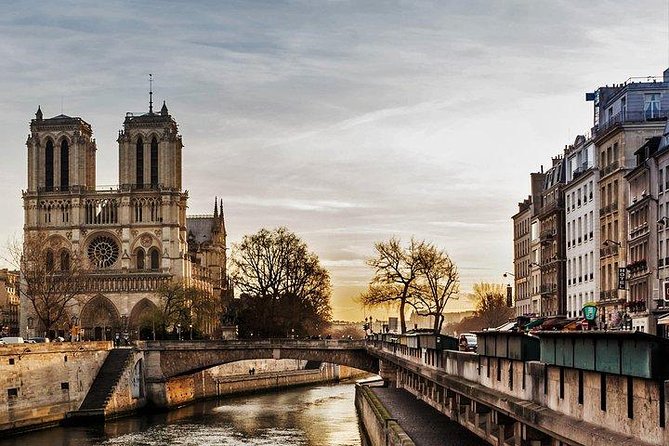
The Louvre is famous for one thing: feeling crowded, even when you do everything right. An evening tour is the simple fix. You get to experience the museum when the day’s energy is calmer, and you’re also less likely to be fighting shoulder-to-shoulder movement outdoors as you move between sights.
What I appreciate here is that the day is structured to keep you moving with purpose. You’re not “just going to the Louvre.” You’re getting a guide to help you read what you’re seeing, while the timing helps reduce the standstill moments that ruin museum time.
You can also read our reviews of more guided tours in Paris



Your 5pm start near the Louvre Pyramid
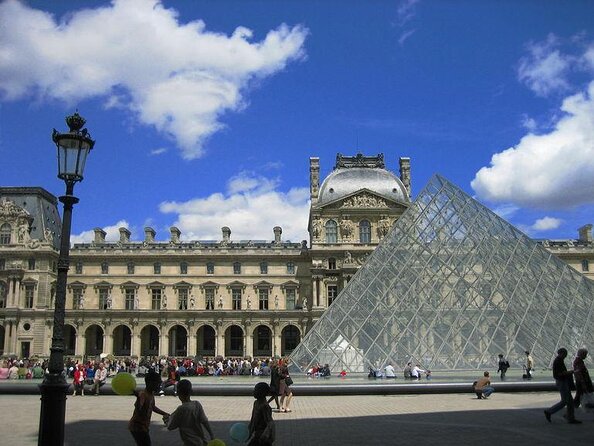
You meet back at the Louvre area (the meeting point is at the Louvre Pyramid) for a 5:00 pm start. The total experience is about 2 hours 30 minutes, with the museum guided portion included and admission handled as part of the experience.
This matters because the Louvre is not a “walk in whenever” kind of place if you want to see the right works. A timed entry approach helps you get through the front gate portion faster, which gives your guide time to take you to the stops that actually make sense for first-time visitors.
Île de la Cité to the Seine: the Paris walk that sets up what you’ll see
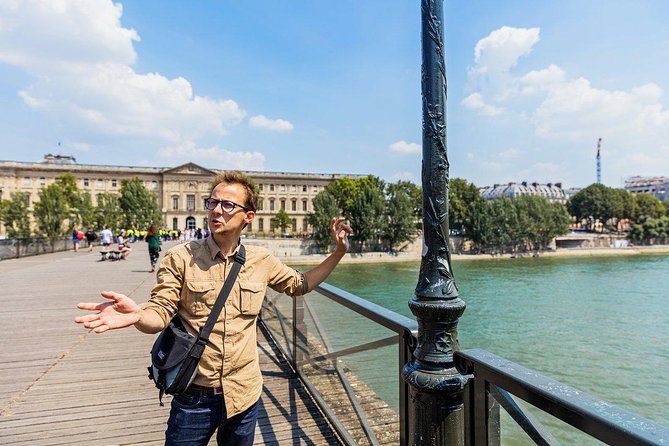
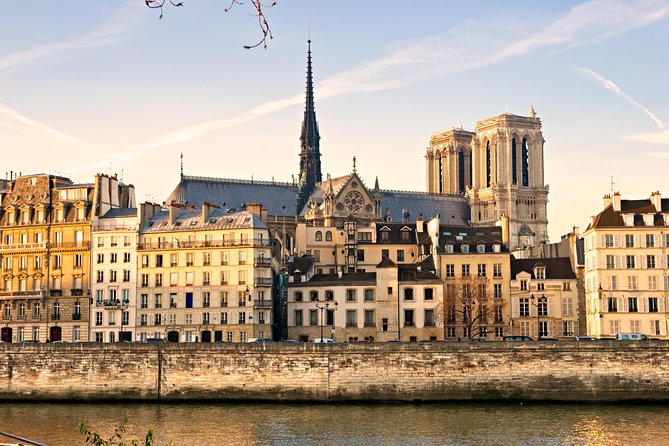
This tour starts with a city-side introduction: a guided walk that begins at the epicenter of Paris, Île de la Cité, then follows the central landmarks and bridges around the Seine.
Here’s what makes that important for your Louvre visit: the Louvre feels less random when you understand how Paris grew. Your guide’s job is to connect architecture, religion, and major historical eras to what you’ll meet later in the museum halls.
On this route, you’ll pass major sights including:
- Notre Dame Cathedral (as you head toward the bridges)
- Pont Neuf and Pont des Arts
- Areas linked to the Musée d’Orsay
- The Musée de l’Orangerie
- Jardin des Tuileries and key central squares like Place de la Concorde
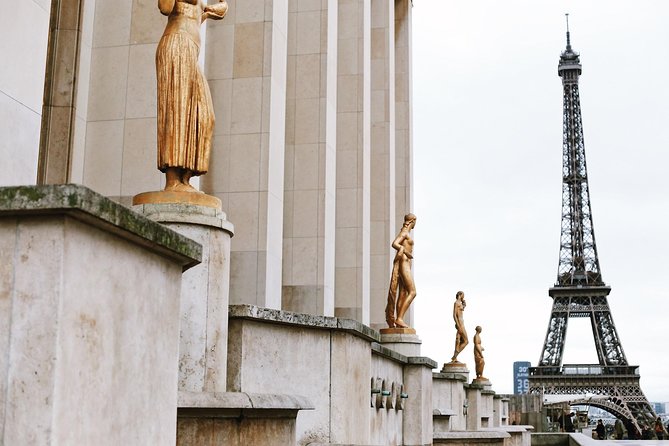
- La Madeleine, the Champs-Élysées, and the Eiffel Tower area
The tour also includes small moments that make you feel like you’re getting local orientation. Guides on this operator’s tours are known for pointing out little spots people miss when they only follow famous-photo routes. If you like walking for atmosphere—bridges, river views, and classic streets—this part is where you set your brain into sightseeing mode.
A lunch break that stays realistic
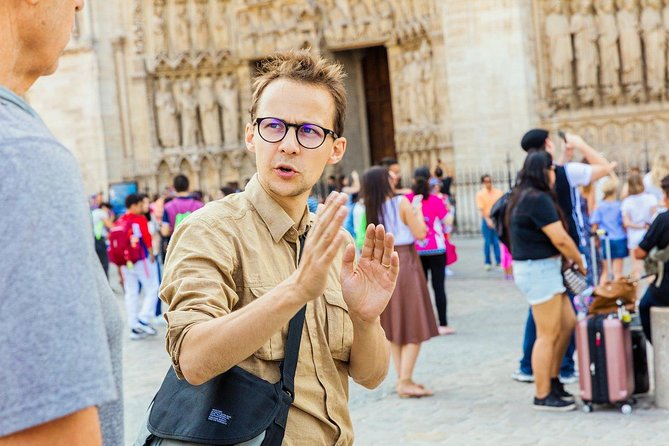
Lunch is your own expense. The plan gives you a break so you can refuel, then you continue onward for the Louvre portion after.
That may sound basic, but it’s the practical kind of planning that keeps the afternoon from turning into museum fatigue. If you’ve ever tried to force a Louvre visit after a long travel day, you already know why this matters.
Also, since you’ll be walking, you’ll want to treat lunch like strategy: something simple, not a huge sit-down that eats your energy.
The Louvre guided portion: priority entry plus art context
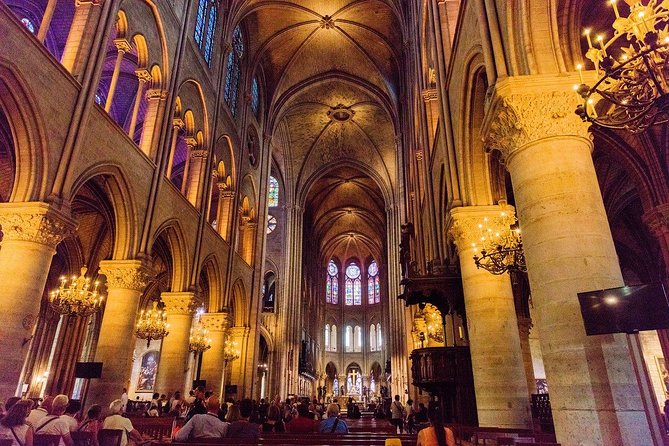
Once you arrive, the tour shifts into the museum portion with guided highlights and a timed admission/priority-style entry feel. The goal is not to cover everything. The goal is to give you enough structure that your Louvre visit stops feeling like an endless maze.
Your guide explains why the Louvre matters to the city and tells its behind-the-scenes story: it started as a fortress and palace, including in connection with Napoleon. That context changes how you interpret the rooms and the artwork once you’re inside.





What you’re likely to see inside
You’ll focus on both the big names and the less obvious treasures that many visitors miss when they try to “do the highlights” alone. The guided set can include masterpieces such as:
- Delacroix’s Liberty Leading the People
- Géricault’s The Raft of the Medusa
- Michelangelo’s Dying Slave
- Works from French Romanticism and Classicism
- Venus de Milo
- Leonardo da Vinci’s Mona Lisa
- Also mentioned are original fortress walls, plus lesser-frequented items like the ones above
I like this mix because it keeps the Louvre from becoming only “the poster paintings.” You get variety: politics and drama in Delacroix and Géricault, sculpture history in Michelangelo, and the human-icon factor of the Mona Lisa.
How the guide makes it less overwhelming
The Louvre can swallow your attention. A guided approach helps you avoid the two common problems:
1) seeing the most famous works but missing why they matter
2) wandering and leaving without feeling like you “got anything”
On these tours, guides often use a storytelling style and answer questions along the way. Names you may encounter include guides such as Marcel, Liliya, Belen, Heidi, Alex, Harriet, Chris, Randa, and Berdine—and the consistent theme is that they make connections across art, architecture, and French history, not just list facts.
Even with a short total time, the guide helps you walk out with a sense of the Louvre’s logic.
Practical Louvre rules: bags, dress, and quiet-room moments
This is where you avoid last-minute stress.
Inside the Louvre, security is strict. You should plan for:
- No large bags or suitcases inside
- Only handbags or small thin bag packs through security
Dress matters too. Appropriate clothing is required for some sites during the tour. If you’re coming straight from dinner or a casual day out, do a quick check before you go.
One more detail that can surprise people: some rooms have quiet or restricted rules about speaking. Your guide will let you know before you enter those spaces, so you’re not caught off guard.
And yes, sometimes museums have hiccups. There’s a note that the Louvre may be subject to occasional closures. If opening is delayed by more than an hour from the tour start time, you’ll be offered an appropriate alternative, though refunds or discounts aren’t provided in those cases.
Price and value: what you pay for (and what you’re buying)
At $181.02 per person for about 2.5 hours, this isn’t a budget tour. But the value is easier to justify when you break it down.
What you’re paying for:
- A guided museum visit with entry included
- Priority/timed access style so you spend less time in the queue
- A guide who helps you see the Louvre as a connected story
- A small-group approach that keeps the day from feeling like a cattle line
Also, the museum admission component is listed as €22 entrance ticket, included in the experience. That means your money is mostly going toward the guide time and the timing advantage.
If you’re the kind of visitor who wants to wander independently and pick a short list of artworks, you might find the Louvre is doable on your own. But if you want the museum to click—especially if you’ve been overwhelmed by the sheer scale before—this kind of structured introduction tends to feel worth the extra cost.
Who this tour is best for
This tour fits best if you:
- Want a strong first Louvre experience without getting lost in logistics
- Like being led to specific works instead of doing random wandering
- Prefer a small group (or a private option) where questions actually get answered
- Enjoy walking around classic Paris sights and bridges as part of the learning
It may be less ideal if you:
- Want minimal walking and minimal movement during your trip
- Have a very short attention span for guided museum context (because the whole point is guided flow)
- Are hoping to include temporary exhibitions (those aren’t included)
One extra note: the experience is listed as wheelchair friendly for the main tour version, but that doesn’t apply if you select the “semi-private” style option.
Should you book this Louvre evening escape?
I’d book it if you care about three things: easier entry, small-group guiding, and Louvre context in a short visit window. The evening timing is also a smart choice if you dislike crowds and want your sightseeing to feel more like Paris and less like a line problem.
Skip it—or compare alternatives—if your priority is maximum museum freedom with no guide and you’re comfortable building a mini plan yourself. The Louvre is huge. A guided selection is a feature here, not a limitation.
If you decide to go, do one practical thing: travel light for museum security, and show up ready to walk. That’s the difference between a “great tour” and a smooth, enjoyable evening.
FAQ
What time does the tour start?
It starts at 5:00 pm.
How long is the experience?
The duration is about 2 hours 30 minutes.
Where do I meet the guide?
The meeting point is at the Louvre Pyramid, 75001 Paris, France.
Is Louvre entry included in the price?
Yes. Museum entry is included (listed as a €22 entrance ticket).
Is the tour actually small-group or private?
It’s described as a private tour/activity, and the exclusive guided option is limited to just six guests. There is also mention of private vs small-group options, and the guide being exclusively for you can depend on which option you choose.
Is lunch included?
No. Lunch is not included and is listed as an own-expense break.
What kinds of artworks and highlights does the Louvre guide focus on?
The guide focuses on both major and less-frequented works such as Liberty Leading the People, The Raft of the Medusa, Dying Slave, Venus de Milo, and Mona Lisa, plus the Louvre’s fortress-and-palace history.
Are temporary exhibitions included?
No. Temporary exhibitions are not included.
Are bags and clothing restrictions important?
Yes. No large bags or suitcases are allowed inside—only handbags or small thin bag packs through security. Dress must be appropriate for entry into some sites.
Is the tour wheelchair friendly?
It is listed as wheelchair friendly for the main tour version, but it does not apply if you choose the Save! Book Semi-Private option.