REVIEW · ATHENS
Acropolis & Acropolis Museum Group tour in German or Dutch
Book on Viator →Operated by Little Owl Tours · Bookable on Viator
Acropolis made human, not a history lecture. This half-day tour turns the Acropolis and Acropolis Museum into a guided story, with a Dutch-language archaeologist or historian and a small group so you can actually ask questions. I especially like the less-crowded pace and the way the guide points out what your eyes might miss.
Two things I love: the 360-degree view payoff on top of the hill, and how the visit to the Acropolis Museum makes the stones around you suddenly make sense. Even when the stops are short, the explanations keep connecting the dots.
One consideration: the tour price does not include entrance fees (listed at 50 EUR per adult), and you’ll end on top of the hill—so you’ll want to plan for the walk out afterward.
In This Review
- Key highlights worth planning for
- Meeting at Acropoli Metro: start time matters on the hill
- Acropolis on foot: how each stop builds the story
- 1) Acropolis entry, monuments pass-by, then the view
- 2) Theatre of Dionysus: where Greek drama began
- 3) Temple of Athena Nike: the goddess of victory
- 4) Propylaea: the grand entrance gate
- 5) Parthenon: the big one, with time to look
- 6) Erectheion: Caryatids and the human scale
- Acropolis Museum: where the outdoor stones start talking
- Small-group pacing: why it feels different than a bus tour
- Price and value: what $69.77 really buys
- Practical tips for a comfortable Acropolis morning
- Who should book this Acropolis & Museum tour?
- Should you book? My take
- FAQ
- FAQ
- How long is the Acropolis & Acropolis Museum group tour?
- What language is the guide?
- Is the entrance fee included in the $69.77 price?
- Where does the tour start and where does it end?
- How big is the group?
- Do I need good weather for this experience?
Key highlights worth planning for
- Dutch-speaking expert guide: often an archaeologist/historian style, with clear explanations and room for questions.
- Small group (max 20): the pace feels personal, not like being herded.
- Short, smart Acropolis stop sequence: Dionysus, Athena Nike, Propylaea, Parthenon, and the Caryatid views.
- Acropolis Museum for context: a full hour to connect artifacts to what you just saw outdoors.
- Top-of-the-hill 360-degree views: a real “I get it now” moment for Athens.
- Clear audio is often used: several guests mention a small microphone/headphones setup for hearing the guide.
Meeting at Acropoli Metro: start time matters on the hill
Your morning starts right by the Acropoli metro area, at the exit of the Acropoli metro station, then you’re walked to the site entrance. That opening matters more than people think. The Acropolis gets busy fast, and arriving with a plan beats trying to figure it out on your own—especially if you want to keep the visit feeling relaxed rather than frantic.
This is also one of those tours where the route is “walking-first.” You’re on your feet for the main part, plus short transfers inside the site. The good news is that the stops are designed to keep momentum. You’re not stuck standing for long stretches without a payoff.
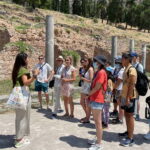
Because it’s a small group (up to 20), the guide can slow down when someone asks a question—and that’s where you get the most value. If you love history, you’ll get the facts. If you’re just there for the sights, you’ll still leave with better bearings.
You can also read our reviews of more museum experiences in Athens


Acropolis on foot: how each stop builds the story
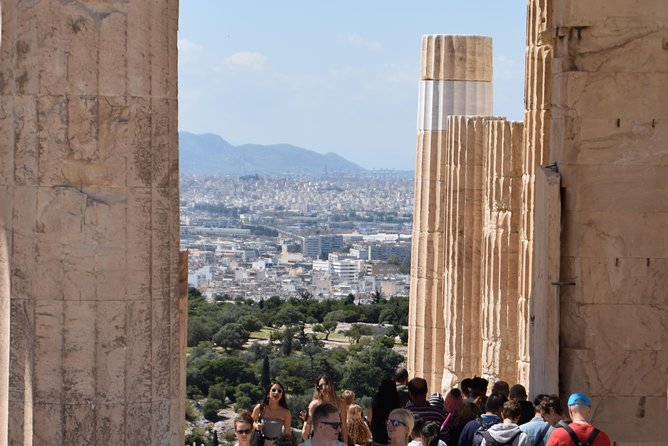
You don’t just get one “big monument.” You get a sequence of ruins and landmarks that explain how the Acropolis functioned as a sacred space and a statement of power.
1) Acropolis entry, monuments pass-by, then the view
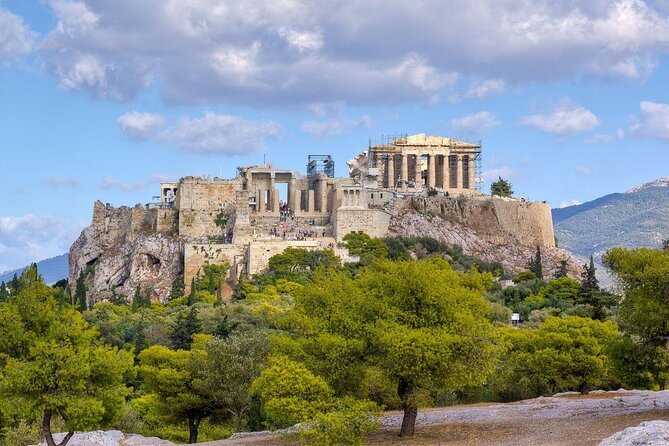
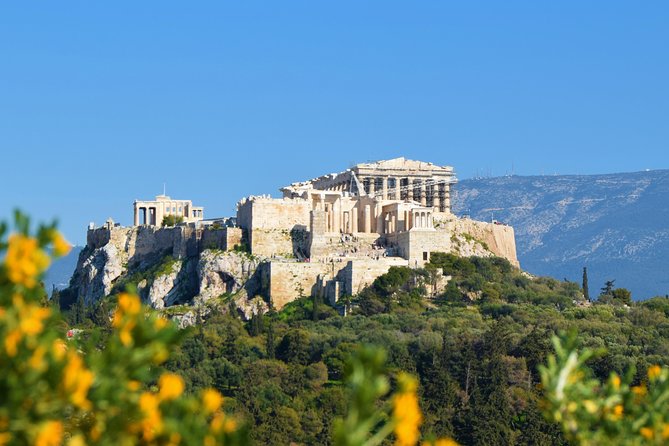
Once you’re through the entrance, your first reward is the 360-degree view over Athens from the top of the hill. That panorama isn’t just pretty—it’s useful. When you can see the city layout from above, the Acropolis stops being a random pile of stone. It reads like a strategic and symbolic high point.
The tour also passes the main monuments along the way. That matters because the Acropolis is spread out. If you only focus on the Parthenon, you miss how the whole hill was designed as a walkable, layered experience.
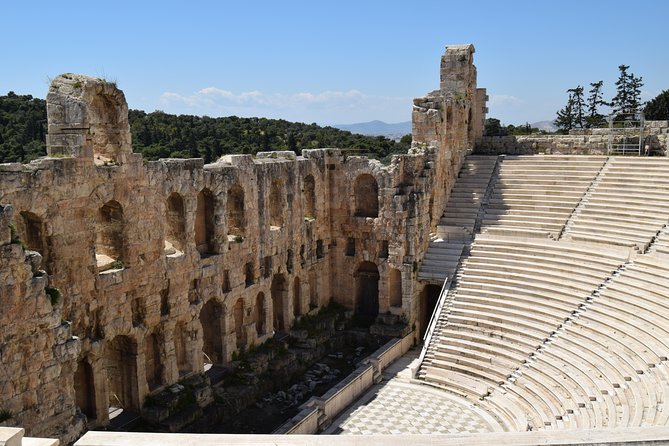
2) Theatre of Dionysus: where Greek drama began
The stop at the Theatre of Dionysus Eleuthereus is short, but it’s a great tonal shift. Instead of purely focusing on temples, you’re reminded that Athens wasn’t only about worship—it was also about public life and performance.
Even with limited time, the guide’s job is to help you “see” the space for what it was. This theatre is often treated like a side note. Here, it’s framed as a birthplace of ancient Greek theatre, which gives the Acropolis more texture than a checklist.
3) Temple of Athena Nike: the goddess of victory
The Temple of Athena Nike is a quick stop, but it’s a smart one. This is the kind of place where a guided explanation can change what you notice: why it sits where it does, what it symbolized, and how it fits into the broader sacred landscape.
Because the stop is brief, you’ll want to be ready to look with intention—faces, edges, and placement matter here. If you love architecture details, this brief moment can still feel satisfying.



4) Propylaea: the grand entrance gate
Propylaea is your “threshold” moment—the monumental entrance gate to the top of the hill. Standing here with a guide is different from walking past it. You start to understand the Acropolis as a designed journey: you enter, you pass through, and the space gradually elevates your sense of importance.
If you’ve ever felt that the Acropolis looks like a set of famous buildings without a clear path, Propylaea helps fix that. It signals that you’re moving into a special zone.
5) Parthenon: the big one, with time to look
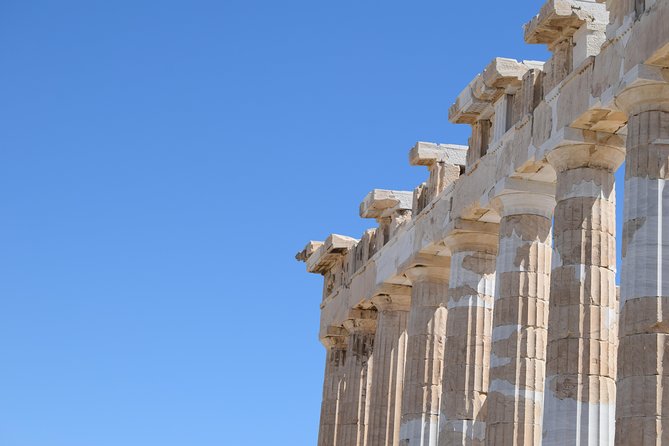
Yes, you’ll see the Parthenon—the biggest temple on the hill dedicated to Athena. You’re given about 20 minutes at this stop, which is enough to do more than snap photos.
The value of a guided visit here is simple: you get to look at the structure with a mental framework. Even if you’re not an architecture person, you can still follow along—what the building represented, why it was built the way it was, and how it connects to Athens’ cultural identity.
A small-group tour helps because you’re less likely to feel squeezed. You can find a position, listen, then step aside without losing your place.
6) Erectheion: Caryatids and the human scale
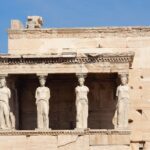
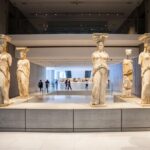
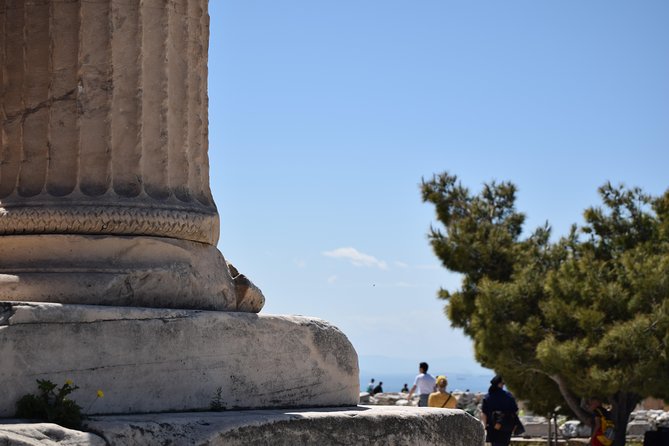
The Erectheion stop is about 10 minutes, focused on the famous Caryatids—the female columns. This is the stop where many people suddenly “get” why the Acropolis is more than famous ruins. The Caryatids bring a human, almost lifelike quality into a stone environment.
Even in a short visit, the guide can point out why these figures matter and what their presence implies. This is one of those moments where a good explanation turns a photo spot into a memory.
Acropolis Museum: where the outdoor stones start talking
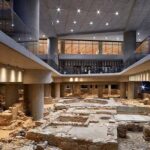
After the outdoor part, you switch to the Acropolis Museum for about an hour. That time slot is a big part of the tour’s value. If you only do the Acropolis site, you can end up with impressive photos but fuzzy context. The museum fixes that.
The museum houses treasures from Acropolis Hill, and it’s designed to let the collection feel connected to the place you just walked. You’ll see artifacts tied to the monuments you passed: pieces of sculptural work, objects connected to worship, and the kind of material evidence that answers the questions your guide is likely raising outside.
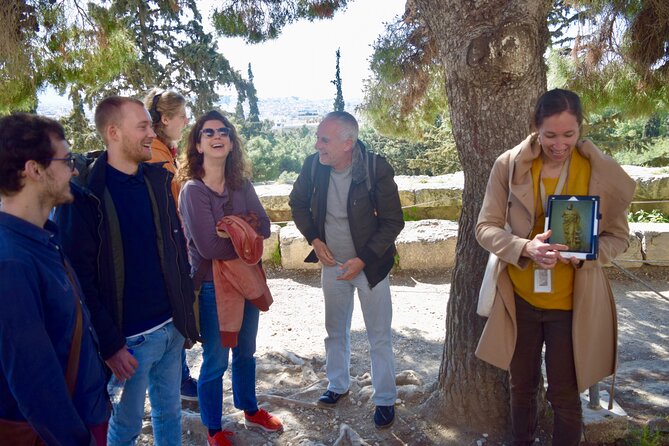
This is also where the guide’s teaching style really shows. Several guests note how Dutch-speaking guides use photos on an iPad to explain details, especially when talking about how things were made and what you’re looking at. That makes the museum feel like an extension of the walk, not a separate stop.
Small-group pacing: why it feels different than a bus tour
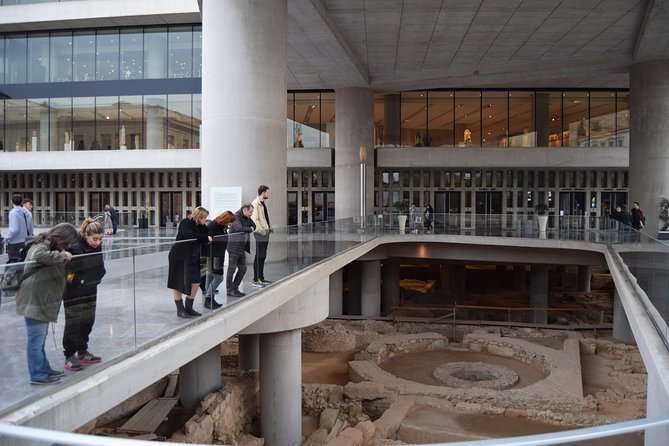
The tour caps at 20 participants, and that changes the experience fast. On the Acropolis, movement is everything: narrow paths, changing viewpoints, crowds pressing in. A small group helps you avoid the stop-and-go rhythm of larger tours.
This also shows up in how often you can ask questions. A good guide will answer quickly when you’re curious, and keep the explanation going when you need a bit more context. It’s the difference between watching and understanding.
A few guests specifically mention a microphone/headphones setup (a small recorder with headphones), which helps you hear the guide even if you step away briefly. That’s a real quality-of-life detail on windy hilltop ruins, where you don’t want to strain to catch every word.
And yes—based on feedback, guides like Jessica and Maria (including at least one with a PhD background in archaeology) are praised for being both professional and fun. You can expect facts, but also stories that connect buildings to life.
Price and value: what $69.77 really buys
The listed price is $69.77 per person, which covers the guided experience—expert licensed guide and the small-group format. What’s not included is entrance to the Acropolis and museum site components: entrance fees are listed as 50 EUR per adult, with the operator arranging your entry fee using a skip-the-line ticket.
So here’s the value math in plain terms: you’re paying for (1) an expert guide’s time and structure and (2) less waiting stress at the sites. If you’re the type who reads signs anyway, you might feel this is optional. But if you want to understand what you’re seeing without spending half your trip translating museum text, a guided format is often the better deal.
Also, the tour is only about 3 hours total (half-day). That’s a key value point. You get major highlights—Acropolis monuments plus a museum visit—without surrendering your whole day.
If you’re traveling with teens or mixed interests, this format tends to work because it’s short enough to stay engaging and structured enough to keep everyone moving.
Practical tips for a comfortable Acropolis morning
This tour comes with a “real walking day” vibe. It’s not extreme, but it’s uphill and on uneven surfaces, so moderate physical fitness is the baseline expectation.
Here’s what helps most:
- Bring water: bottled water isn’t included, but it’s strongly recommended—especially because the hilltop can feel exposed.
- Wear grippy shoes: you’re on stone and uneven ground.
- Plan for sun and wind: the view is great, but the hill doesn’t always feel gentle.
- Bring a small power plan: if your guide uses an iPad and you’re the type to reference photos later, you’ll likely take mental notes rather than rely on your own devices. Still, having your phone ready is handy for navigation afterward.
- Know where you finish: the tour ends on top of the Acropolis Hill, near the Acropolis of Athens location. That’s great for views, but you’ll want to have a plan for how you’ll get down after.
Also, the tour requires good weather. If conditions are poor, you’ll be offered a different date or a full refund.
Who should book this Acropolis & Museum tour?

You’ll like this tour if you want:
- A Dutch-language guide and you enjoy stories with context, not just facts.
- A small-group feel where you can ask questions.
- Both the outdoor icons and the indoor explanation at the museum, in a single morning.
- A structured route: Dionysus theatre, Athena Nike, Propylaea, Parthenon, Erectheion, then the museum.
You might skip it if you prefer a fully self-guided day and you’re comfortable reading everything at your own pace. You could do the Acropolis and museum on your own, but you’d likely spend more time trying to connect details and less time getting “the why” from an expert.
Should you book? My take
Yes—if you want the Acropolis to feel understandable, not overwhelming, this is a strong choice. The combination of an expert guide, a small group, a focused stop sequence, and a full hour at the Acropolis Museum is exactly how you get more out of less time.
It’s also a smart booking for first-timers to Athens: you hit the icons (Parthenon, Caryatids) and you get the connective tissue (the museum) that most people miss. If you’re budgeting, just remember the entrance fee is extra, and total cost will depend on how many adults are in your group.
FAQ
FAQ
How long is the Acropolis & Acropolis Museum group tour?
It’s about 3 hours.
What language is the guide?
The guide is Dutch-language.
Is the entrance fee included in the $69.77 price?
No. Entrance fees are listed as 50 EUR per adult, and the operator will arrange your entry fee with a skip-the-line ticket.
Where does the tour start and where does it end?
The tour starts near the exit of the Acropoli metro station and ends on top of the Acropolis Hill at the Acropolis of Athens area.
How big is the group?
The tour has a maximum of 20 participants.
Do I need good weather for this experience?
Yes. It requires good weather, and if it’s canceled due to poor weather, you’ll be offered a different date or a full refund.