REVIEW · PARIS
Best of the Louvre Museum Private Tour with Monalisa
Book on Viator →Operated by The Expat Tours · Bookable on Viator
Stepping into the Louvre can feel like a maze. This tour is built to make it manageable, with prepaid tickets and an easy meeting right at the Louvre Pyramid, so you spend less time figuring things out and more time looking.
Two things I like a lot are the pre-booked admission (so you avoid long ticket chaos) and the fact that you follow a chronological, highlight-first route with time to ask questions instead of rushing through rooms.
One consideration: the Louvre is crowded and security is real, so you still need to arrive on time and travel light. The tour uses time-stamped reservations, and late arrivals may not be accommodated.
In This Review
- Key Things to Know Before You Go
- A Chronological Walk That Makes the Louvre Make Sense
- Meeting at the Louvre Pyramid and Getting Oriented Fast
- 2 Hours Inside: How the Tour Time Actually Works
- Stop-by-Stop: What You’ll See in the Louvre Tour
- The Louvre Foundations and Palace Rooms
- Monalisa: The Crowd Magnet, Explained
- Venus di Milo: Beauty With a Backstory
- Michael Angelo’s Slaves: When Sculpture Feels Like Motion
- Wedding at Cana and Other Story Paintings
- Raft of Medusa and Emotional History
- Coronation of Napoleon: Art, Power, and Theater
- Canova’s Cupid & Psyche: Sculpture That Feels Like a Plot
- What the Tour Does Well: The Guide Experience
- Quiet Rules and Crowds: How to Avoid a Bad Timing Moment
- Optional Egyptian Antiquities and the Mummy Add-On (3 Hours)
- Price and Value: Is $299.57 Worth It?
- Who Should Book This Private Louvre Tour
- Should You Book This Best of the Louvre Tour?
- FAQ
- How long is the Best of the Louvre Museum Private Tour with Monalisa?
- Is the entrance ticket to the Louvre included?
- Where is the meeting point?
- Does the tour end where it starts?
- Is this tour private?
- What language is the tour guide?
- What if I want the Egyptian Antiquities and the mummy?
- Are hotel pickup and drop-off included?
- What can I bring into the museum?
- Do I need to arrive early?
Key Things to Know Before You Go
- Prepaid entry included: your Louvre admission ticket is part of the price, which helps you get inside faster
- Chronological route: the guide connects artworks to their eras so the museum feels less random
- Your pace, not a stampede: private touring means you can slow down, ask questions, and regroup
- Monalisa plus major masterpieces: you get a strong hits list without spending your whole day planning
- Optional 3-hour Egyptian add-on: if you choose it, you’ll include extra time for the Egyptian Antiquities and mummy
- Guide fit matters: the experience is designed around interactive, art-storytelling guidance in English
A Chronological Walk That Makes the Louvre Make Sense

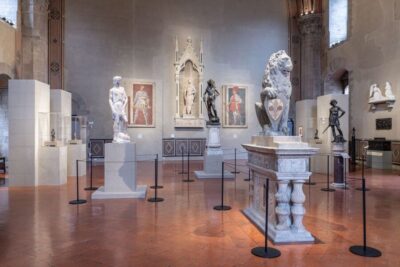
The Louvre is famous, but it can also be disorienting. Instead of aiming you at random masterpieces, this tour follows a chronological path, starting with the museum’s foundations and moving through major periods and themes. That structure helps you understand what you’re seeing and why it matters, even if it’s your first visit.
I also like that the tour isn’t a forced sprint. It’s designed for you to tour at your own pace, with plenty of room to interact with your guide. That’s especially valuable in a museum this size, where even a well-planned self-tour can turn into walking, backtracking, and lost time.
And because it’s built as a highlights experience, you’re not expected to master the entire Louvre in two hours. You’re expected to leave with a clear sense of the biggest works and their stories, plus a path you can continue exploring on your own afterward if you want.
You can also read our reviews of more private tours in Paris


Meeting at the Louvre Pyramid and Getting Oriented Fast
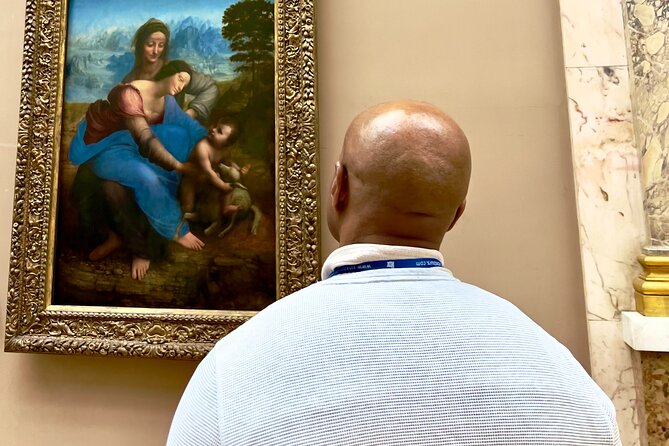
Your start point is the Louvre Pyramid (75001 Paris). The meeting point matters here because the Louvre’s entrances and internal flow can be confusing, especially when you’re doing it for the first time. If you arrive early and stay aware of your guide’s location, you get that calm start that keeps the whole visit smoother.
Another practical win is that the experience includes an adult €22 entrance ticket. You’re not scrambling at the last minute or spending time at the ticket counter while your timed entry window ticks by. You also aren’t navigating the museum logistics on your own right after travel.
Keep in mind the tour starts on time and tickets are time-stamped. Arrive 15 minutes early and be ready to show identification if it’s requested.
2 Hours Inside: How the Tour Time Actually Works
This experience is about 2 hours, and it’s centered on the Louvre Museum with the idea of hitting major works in a logical flow. Two hours doesn’t sound long, but in a place like the Louvre, “time” is really “how much ground you cover with meaning.”
A good guide makes that time feel longer. They can steer you from one gallery to the next without wasting minutes, then slow down where your attention needs it most. In practice, this kind of guided pacing helps you avoid the common problem of seeing great art but missing the connections.
You’ll also get to hear about the museum’s “hidden messages” and context tied to the pieces. The goal is not just name-dropping. It’s helping you understand what the artist was trying to communicate and how the work fits into the broader evolution of art.
Stop-by-Stop: What You’ll See in the Louvre Tour

The stop is the Louvre itself, but the tour is structured around a series of major masterpieces and palace-era spaces. Here’s what that means for your experience once you’re inside.
The Louvre Foundations and Palace Rooms
The tour starts by framing the museum, including the Louvre foundations and the palace halls. If you’ve only ever pictured the Louvre as a giant art warehouse, this opening helps you see it as a building with layers—politics, power, and changing tastes.
This is also a smart way to begin because it gives you a mental map. When the tour then moves into the art collections, you’re not walking into rooms with zero context. You’re already oriented.
You can also read our reviews of more museum experiences in Paris






Monalisa: The Crowd Magnet, Explained
Monalisa is the headline for a reason. Even if you’ve seen images a hundred times, seeing the real work is a different experience. What makes a guided visit worth it is the guide’s ability to point out what to notice and how to interpret it.
The Monalisa segment is built into this tour’s highlights approach, so you’re not forced to choose between “waiting forever” and “missing it.” You get the piece within a plan, and you also get historical and artistic context that helps the painting land beyond its fame.
Venus di Milo: Beauty With a Backstory
The Venus di Milo is one of those works that feels instantly recognizable. On your own, it’s easy to stand there and just look. With a guide, you get the backstory and artistic meaning that explains why this statue keeps drawing people back.
This is where chronological touring pays off. You can start seeing how different kinds of art traditions influenced each other, not just treating every masterpiece like a separate universe.
Michael Angelo’s Slaves: When Sculpture Feels Like Motion
The tour includes Michael Angelo’s Slaves. These sculptures are powerful because they don’t read as frozen stone. They feel like bodies straining, breaking free, or caught mid-action.
A guide can help you see what’s going on visually and interpret what that emotion is communicating. It’s the kind of work where understanding the intention changes how you respond as you walk around it.
Wedding at Cana and Other Story Paintings
The itinerary includes Wedding at Cana. This is a perfect example of why a guided highlights tour can be more satisfying than wandering. Story-based religious and historical paintings can feel distant at first, but context helps you follow the scene and the artistic choices.
This section also reinforces the tour’s theme: not just what’s famous, but how masterpieces carry meaning across time.
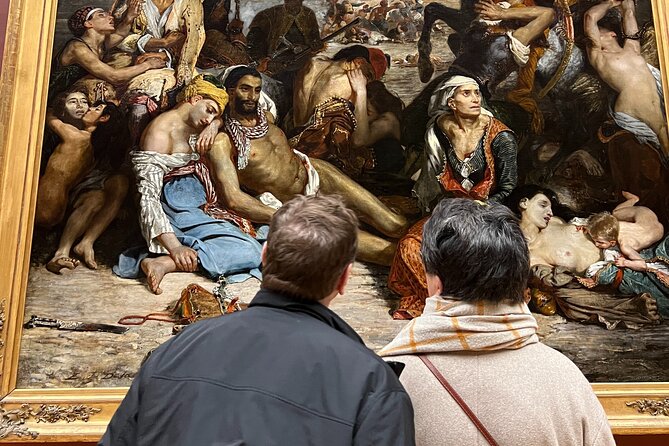
Raft of Medusa and Emotional History
The tour features Raft of Medusa, a work that carries weight. Without context, you might focus on the drama and miss the broader point. With a guide, you can connect the composition and emotion to the historical setting that shaped how the painting was made and received.
This is another reason to book a structured tour. You don’t have to read a textbook, but you do benefit from someone giving you the story behind the images you’re seeing.
Coronation of Napoleon: Art, Power, and Theater
You’ll also see the Coronation of Napoleon. Works like this sit at the intersection of art and politics, and that’s where a guide’s commentary matters.
Even if you don’t call it “propaganda” or “public image,” you’ll likely notice the sense of ceremony and design. A guide helps you connect those artistic decisions to the moment in history they represent.
Canova’s Cupid & Psyche: Sculpture That Feels Like a Plot
The tour includes Canova’s Cupid & Psyche. This kind of work is often easier to appreciate with a guide because it’s storytelling in form. You can focus on how the figures relate, how the pose communicates emotion, and how the artist’s choices translate into a narrative.
Again, the value is not just seeing the statue or painting. It’s understanding why it belongs in the Louvre’s wider story.
What the Tour Does Well: The Guide Experience

The best part of a private Louvre tour is that you can adapt to your own group. A guided visit can adjust for your curiosity level, your pace, and even your attention span.
In particular, this experience is described as working well across different kinds of visitors, including families with teenagers. That matters because Louvre art can be heavy, and teen brains usually want something concrete: a reason to care, a question to answer, or a story to follow.
It also sounds like many guides bring a mix of humor and patience. You’ll be moving through a crowded museum, and being allowed to pause is key. In real-world terms, that can mean sitting briefly when needed and not treating every stop as a race to the next room.
If your guide is someone like Blerta, Mindy, Vivian, Wei, Malina, Melina, or Avi, the style described for those guides is interactive and friendly. That can make the Louvre feel less like a checklist and more like a guided conversation with famous works.
Quiet Rules and Crowds: How to Avoid a Bad Timing Moment
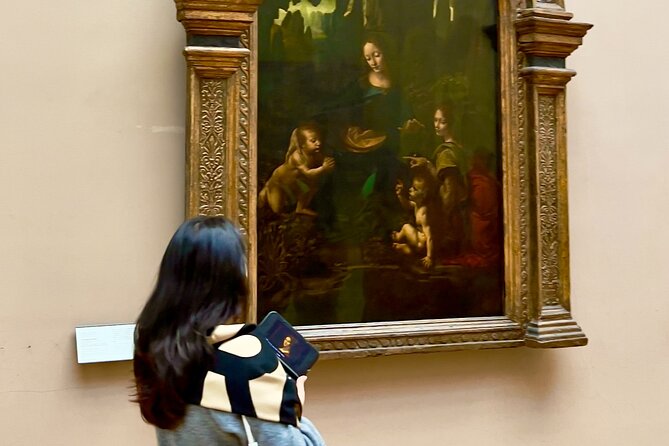
Even with timed entry, you’ll still be in a museum where lines can form and security checks happen. Plan for some waiting, even if the tour’s ticket situation helps reduce the worst bottlenecks.
There’s also a specific rule note: some rooms inside the museum can be quiet or restrict speaking. If that happens, your guide will explain what to look for before entering those areas. That’s a good setup because it prevents you from being confused once you’re standing in silence.
One more practical issue: no large bags or suitcases are allowed inside the museum. Only handbags or small, thin bag packs are allowed through security. If you’re traveling light, you reduce friction. If you’re not, you may lose time managing your belongings.
And if you’re sensitive to walking, remember this is still the Louvre. Even with a smart route, you’ll cover real distance in a couple of hours.
Optional Egyptian Antiquities and the Mummy Add-On (3 Hours)
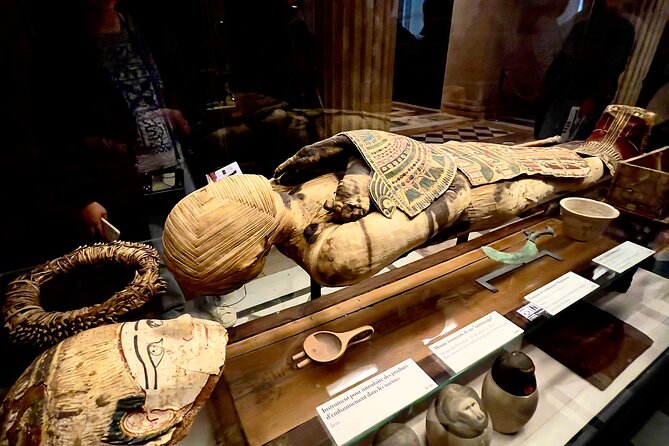
If you want the Egyptian wing, choose the 3-hour Egyptian option. The standard 2-hour tour focuses on the Louvre Museum highlights, but the mummy visit is only included in the longer Egyptian add-on.
This matters because it’s easy to assume you’ll get Egypt in the base tour. You won’t. The operator is clear that the mummy is tied to the 3-hour format, and the combo with the Ancient Egyptian collection isn’t available in the 2-hour option.
If Egyptian antiquities are on your must-see list, this add-on can be a great value of attention. It’s not just adding an extra gallery. It’s giving you guided time in a section that many visitors skip because it doesn’t feel like the “classic Louvre” from photos.
Price and Value: Is $299.57 Worth It?

At $299.57 per person, this is not a budget activity. So the question is simple: what do you gain for that money?
You gain four things that are hard to replicate when you’re going it alone:
- Time saved on entry with the prepaid admission ticket and a guided arrival plan
- A structured route that reduces backtracking in a maze of wings and rooms
- Art storytelling that helps you interpret what you’re seeing instead of just photographing it
- True control of pacing because it’s a private format with time for interaction
If you have a limited time in Paris and you want the Louvre’s biggest hits without turning the day into logistics, this price can make sense. Two hours is short, and a guide helps you use those two hours effectively.
If you’re the type who enjoys wandering slowly and you already know the Louvre’s layout, you might decide to DIY. But even then, the Louvre’s crowd conditions can turn “wandering” into “surviving.” The main value here is that you don’t have to fight for navigation or decode art alone while the museum is at its busiest.
Also, remember the price structure includes options. A private tour is the private option; a shared or semi-private format is different and comes with different fees. If you want maximum control, stick with the private version.
Who Should Book This Private Louvre Tour
This tour is a strong fit if you want:
- A first-time Louvre visit that still feels meaningful
- A time-efficient highlights path without skipping the major names
- A guided experience in English with art-history expertise
- A group dynamic that benefits from patience and the ability to pause
It can also work well for mixed-age groups, especially when you want someone to keep teenagers engaged rather than letting the day turn into adult-only conversation and kids drifting off.
If you want to spend hours in one room, this probably won’t satisfy you as a standalone plan. Think of it as a fast, guided “best of” that gives you direction for any extra time you have.
Should You Book This Best of the Louvre Tour?
If you want a Louvre visit that feels organized, paced, and easy to follow, I’d say yes. The combination of prepaid entry, a chronological highlights route, and a guide who can adapt to your group is the core of why this tour works.
I’d only hesitate if your goal is deep, slow museum study with no structure. A 2-hour highlights tour will be great for orientation, not for full mastery. And if you’re arriving late or traveling with big bags, you’ll want to rethink your approach so the time-stamped tickets don’t become a problem.
FAQ
How long is the Best of the Louvre Museum Private Tour with Monalisa?
It runs for about 2 hours.
Is the entrance ticket to the Louvre included?
Yes. The tour includes a €22 entrance ticket for adults.
Where is the meeting point?
You meet at the Louvre Pyramid, 75001 Paris, France.
Does the tour end where it starts?
Yes. It ends back at the meeting point.
Is this tour private?
This is a private tour/activity. Only your group will participate.
What language is the tour guide?
The tour is offered with an English-speaking guide.
What if I want the Egyptian Antiquities and the mummy?
The mummy visit is included only if you choose the 3-hour Egyptian option.
Are hotel pickup and drop-off included?
No. Hotel pickup and drop-off are not included.
What can I bring into the museum?
No large bags or suitcases are allowed. Only handbags or small thin bag packs are allowed through security.
Do I need to arrive early?
Yes. Please arrive 15 minutes early for the meeting/check-in point, since the tour starts on time and tickets are time stamped. Late arrivals will not be accommodated.