REVIEW · ROME
Vatican Museums, Sistine Chapel & Basilica Skip Line Private Tour
Book on Viator →Operated by Crazy4Rome Private Tours · Bookable on Viator
The Vatican can feel like a maze with a never-ending line. This private tour helps you save time with fast-track entry and focus on the parts that matter most, without losing your whole day to crowd shuffle. I also like that you get a guided walk through St. Peter’s Basilica inside plus a short stop in St. Peter’s Square, so you leave with the full Vatican story, not just one room.
You’ll be moving for about 3 to 4 hours, and it covers a lot of ground: Vatican Museums, Sistine Chapel, Raphael Rooms, then the basilica and square. That’s great for first-timers, but if you want a slow, sit-down museum day, this route may feel like a brisk highlight sprint.
In This Review
- Key Things to Know Before You Go
- Skip-Line Start at the Vatican Museums: What You Gain in Real Time
- Inside the Museums: Courtyards, Galleries, and the Exclusive Cabinet of Masks
- Raphael Rooms and the Sistine Chapel: Getting the Timing Right
- St. Peter’s Basilica Inside and a Quick Stroll in St. Peter’s Square
- 3 to 4 Hours, English Guide, and the Price Math
- Who This Tour Fits Best, and Who Might Prefer Something Else
- Should You Book This Private Vatican Skip-Line Tour?
- FAQ
- What’s the duration of the Vatican Museums, Sistine Chapel & Basilica skip line private tour?
- Is this tour private?
- What language is the guide?
- Is a mobile ticket included?
- Are admission tickets included?
- How does fast-track entry work?
- Does the tour include St. Peter’s Square and St. Peter’s Basilica?
- Where does the tour start and end?
- What’s included in the price?
- Can I cancel for a full refund?
Key Things to Know Before You Go
- Fast-track entry helps you cut waiting time and start the experience sooner
- Cabinet of Masks gets an exclusive-feeling look away from the worst crowds
- Raphael Rooms + Sistine Chapel are paired in a way that keeps the art-and-author theme flowing
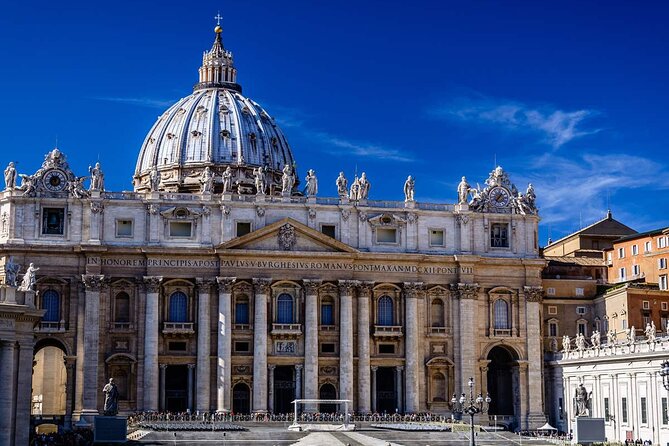
- St. Peter’s Square and inside basilica both show up on the same tour route
- Private group means you can keep your pace and ask questions without fighting for attention
Skip-Line Start at the Vatican Museums: What You Gain in Real Time
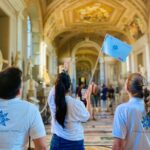
Your tour begins in Rome near Vatican City, at the Tmark Hotel Vaticano area (Viale Vaticano, 99). You’ll meet up with a guide holding a sign with your name and surname, then head straight into the day’s main work: getting you into Vatican Museums efficiently.
The big practical win here is the fast-track entry idea. The tickets are described as fast-track and payable on the day, and the whole plan is built around less time standing around and more time looking closely. That difference matters at the Vatican, because even a perfect itinerary turns into frustration if you’re stuck in long entry lines.
Once inside, the guide doesn’t just point. This style of private pacing helps you slow down for details like sculpture groupings, gallery themes, and the way corridors and courtyards connect. Even when rooms move quickly, you’re not guessing what you’re looking at. You get a running explanation, with enough structure that the museum’s scale doesn’t feel random.
One more thing I like: you’re not stuck in one room. Your route spreads you across courtyards and galleries, then shifts to fresco-focused spaces later. That keeps the day from turning into one long look-up-and-hope sequence.
You can also read our reviews of more private tours in Rome
Inside the Museums: Courtyards, Galleries, and the Exclusive Cabinet of Masks
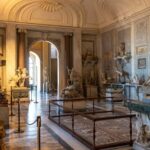
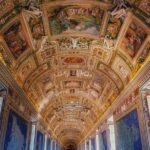
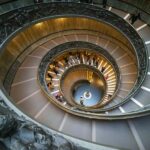
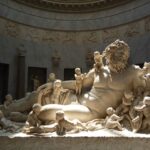
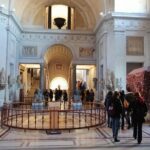
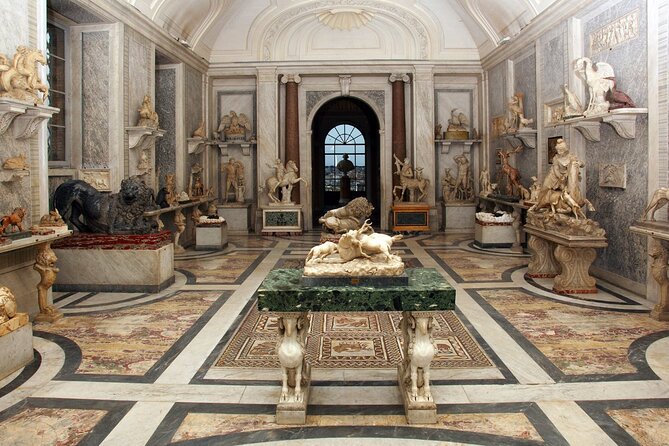
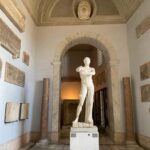
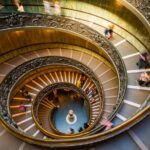
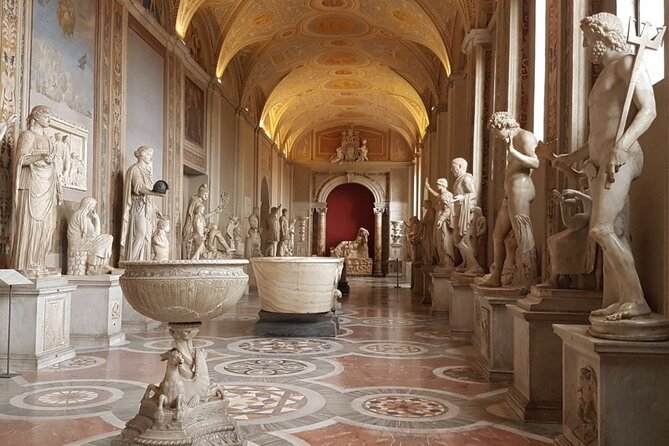
The Vatican Museums portion is designed like a guided circuit. You’ll start with highlights such as the Pinecone Courtyard, then move into sculpture-heavy spaces like the Chiaramonti Gallery and the Pio Clementino Museum area. The itinerary also includes courtyard stops like the Courtyard Ottagono, plus themed rooms such as the Rooms of Animals and the Gallery of Statues.
What makes this valuable is variety. Instead of just drifting from one famous artwork to the next, you pass through places with different “jobs” in the museum: courtyards for perspective and pacing, and galleries/rooms for concentrated viewing. That rhythm helps you absorb more than if you only chase the biggest names.
You’ll also see architectural and decorative features that people often rush past. The itinerary includes places like the Rotonda Room, the Greek Cross Room, and the Gallery of Candelabra. Even if you don’t know every term beforehand, a good guide can translate the visual logic of the space into something you can actually notice in the moment.
A standout moment on this tour is the Cabinet of Masks. This stop is highlighted as an exclusive entrance, far from the crowd, and it aims to give you a sense of what selected guests experienced when access was more limited. In practice, that usually means a calmer viewing window and better sightlines for the details. If you love rooms that feel special because they are less crowded, this is the kind of stop you’ll remember.
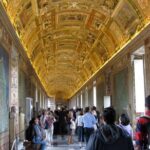
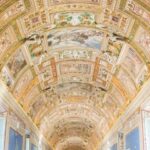
The route also includes a classic mix of museum “collections by theme,” including galleries of Tapestries and Maps. Then you transition into fresco fame later with the Raphael Rooms. That sets up a natural contrast: first, sculpture and decorative displays; later, painting at full scale.
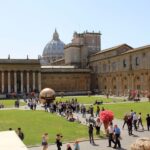
Finally, there’s a stop at the Cortile del Belvedere (Belvedere Court). This is one of those architectural spaces where the guide can connect design choices to how the Vatican palace works as a whole. You’ll get context about how it was designed by Donato Bramante starting in 1505, and how it was later altered so it became two separate courtyards. Even with limited time, this kind of explanation helps you read the building, not just visit it.
Raphael Rooms and the Sistine Chapel: Getting the Timing Right
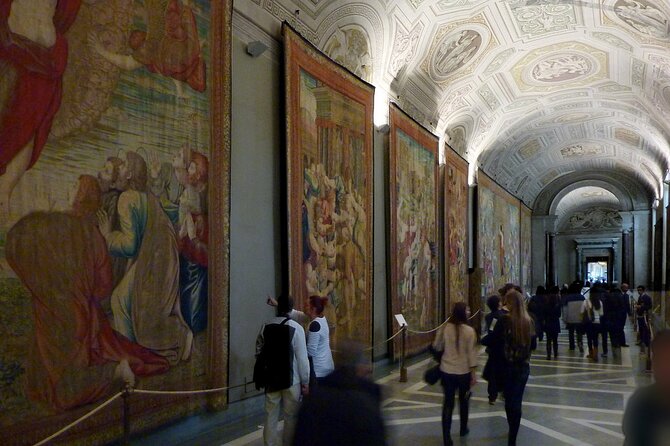
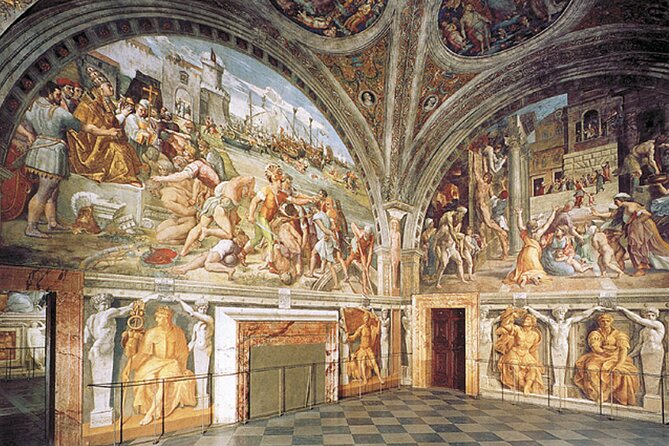
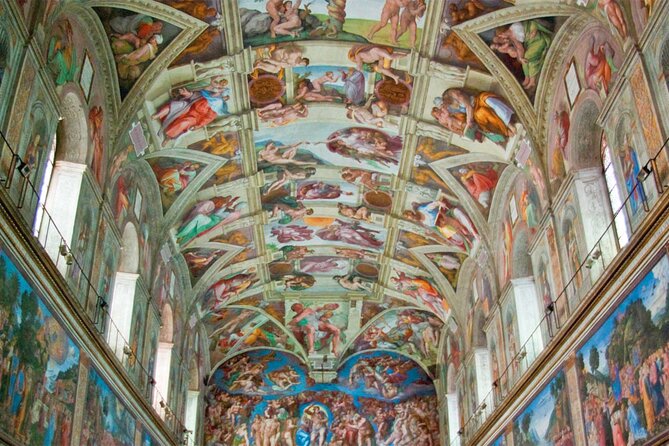
After the sculpture and decoration sequence, the tour shifts into fresco country with the Stanze di Raffaello (Raphael’s Rooms). These four rooms are described as a suite of reception rooms in the Apostolic Palace, now part of the museums. They’re known for frescoes painted by Raphael and his workshop. For art lovers, it’s a clear pivot: the High Renaissance arrives in a way you can feel.
A key advantage here is timing. The itinerary assigns a dedicated stop to Raphael’s Rooms (about 15 minutes), then moves you onward to the Sistine Chapel (about 30 minutes). That matters because the Sistine Chapel can swallow time quickly if you go in cold and start hunting for specific scenes. With a guide, you’re more likely to see the major works and the key artistic signals without losing your window to confusion.
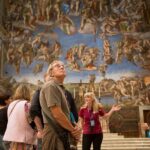
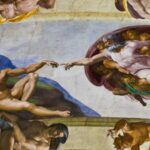
The Sistine Chapel portion is described with the essentials: it was built between 1473 and 1481, it takes its name from Pope Sixtus IV, and its fame is tied to Michelangelo’s ceiling frescoes and The Last Judgment. You don’t need a crash course in church art to enjoy it. What you do need is help staying oriented and not missing the big story the chapel is trying to tell.
One practical note: 30 minutes sounds short, but it’s a realistic amount if you also have to move between sections of the Vatican Museums and then head to St. Peter’s Basilica. If you’re the type who can spend hours in one chapel, you might wish the Vatican let you slow down more. But if you want the highlights with guidance and fewer bottlenecks, this is a strong balance.
St. Peter’s Basilica Inside and a Quick Stroll in St. Peter’s Square
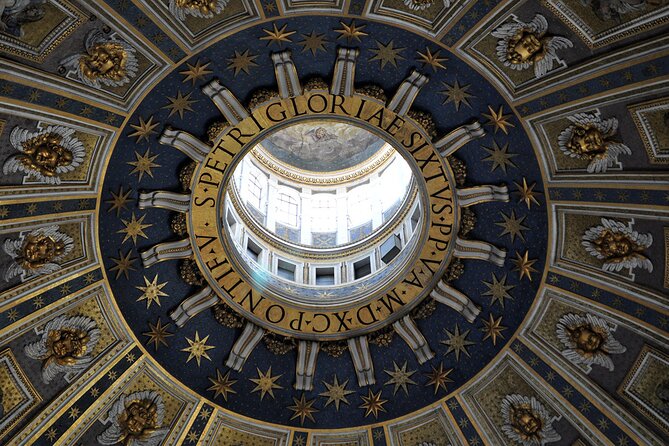
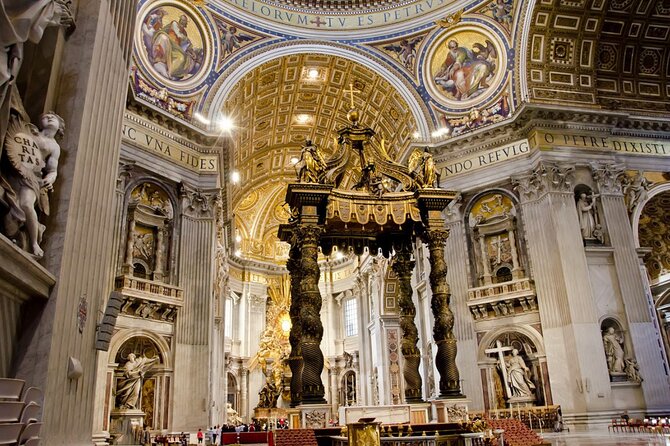
From the Sistine Chapel, you move into St. Peter’s Basilica from the inside. This portion includes specific famous works mentioned in the tour description, including Michelangelo’s Piety and Bernini’s Baldacchino. You’ll also have time for the scale and atmosphere of the basilica itself, which is described with measurements: 218 meters long and 136 meters high including the dome.
This is where the tour feels complete. Many Vatican visits focus heavily on museums and then treat the basilica like an afterthought. Here, you get an intentional inside visit, which changes the whole arc of the day. The basilica is not just a big church; it’s also a major art and architecture experience, and your guide helps connect what you’re seeing to what came before.
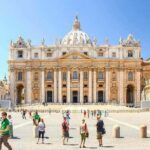
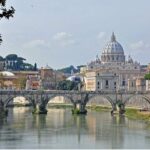
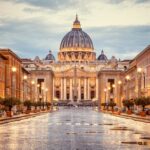
After the basilica interior, the tour includes a walk through St. Peter’s Square. Even with limited time, the square has strong visual anchors. The description calls out the ancient Egyptian obelisk at the center (erected at the current site in 1586) and the massive Doric colonnades designed by Gian Lorenzo Bernini, four columns deep. There’s also mention of Bernini’s granite fountain from 1675 and a fountain designed by Carlo Maderno in 1613.
That brief time in the square is a good “reset.” It’s also where you get to step back and see the scale of Vatican space. If you’re feeling museum-saturated, the open plaza helps you catch your breath without giving up the main sights.
3 to 4 Hours, English Guide, and the Price Math
This is an English private tour with a duration of about 3 to 4 hours. It’s built for one group only, so you’re not sharing the guide with strangers. That matters when you’re inside rooms where sound carries and attention is limited. You can ask a question without feeling like you’re cutting in line every time you speak.
The itinerary is intentionally heavy on “main rooms,” which is part of the value. Vatican Museums are huge (the Vatican Museums collection is described as roughly 70,000 works with about 20,000 on display). With only a few hours, you want a guide who can select stops that give you a strong overview while still including curveballs like the Cabinet of Masks.
The price is listed at $432.53 per person. What you get at this level is the private guide plus admission tickets included for the museum and chapel-related stops (and the basilica is included as a free-entry element in the tour description). There’s also mention of a mobile ticket. On top of that, the plan includes fast-track entry tickets that are payable on the day, which is where you really save time.
What’s not included is where you’ll spend your own money: personal expenses, souvenirs, public transportation tickets, and food, drinks, and snacks. Since there’s no built-in meal, it’s smart to plan for water and a simple snack strategy before you start or during a pause if your guide allows it.
Guide quality looks consistently strong in the background from named guides in recent group experiences, including Karin, Matteo, Vitor, Fabio, and Oksana. The common thread is not just facts. It’s pacing that keeps things moving while still making time to rest when the weather is intense. That can be the difference between a fun highlight day and one where your brain turns to dust at the third gallery.
You can also read our reviews of more museum experiences in Rome
Who This Tour Fits Best, and Who Might Prefer Something Else
This tour is a strong fit if you want an organized, guided Vatican highlights package in one morning-to-early-afternoon window. It’s also ideal if you care about art details but don’t want to spend your time mapping your own route through multiple sections and entrances.
It’s also a good match for couples and small families who want a private rhythm. The reviews you provided show guides building a more personal feel, including one guide described as making people feel like family and another described as taking time to check in and offer rest when needed. That kind of human pacing is especially helpful in places where crowds can drain you fast.
If you hate structure and want to wander at random, you might feel boxed in. And if you already know you’ll want to linger far longer than the planned time in the Sistine Chapel, a highlight-focused tour may feel too short.
Should You Book This Private Vatican Skip-Line Tour?
If your top goal is to see Vatican Museums, the Sistine Chapel, and St. Peter’s Basilica without getting stuck in chaos, I think this is worth considering. The combination of private guide attention, a focused route with meaningful stops like Raphael Rooms and the Cabinet of Masks, and time in both basilica and square gives you a full Vatican arc in about half a day.
Book it if you like clear pacing and you want the convenience of included admission. If you want lots of free time to roam or you’re on a very tight schedule, you may prefer a longer tour or museum-only visit. But for most first-timers, this setup is a practical way to hit the big moments and still understand what you’re looking at.
FAQ
What’s the duration of the Vatican Museums, Sistine Chapel & Basilica skip line private tour?
The tour lasts about 3 to 4 hours.
Is this tour private?
Yes. Only your group will participate.
What language is the guide?
The tour is offered in English.
Is a mobile ticket included?
Yes, a mobile ticket is included.
Are admission tickets included?
Admission tickets are included for the Vatican Museums and Sistine Chapel stops listed in the itinerary. St. Peter’s Basilica inside is included as free in the tour details.
How does fast-track entry work?
The tour includes fast-track entry tickets described as payable on the day, helping you save time on entry.
Does the tour include St. Peter’s Square and St. Peter’s Basilica?
Yes. You’ll get a stroll in St. Peter’s Square and visit St. Peter’s Basilica inside.
Where does the tour start and end?
It starts at Tmark Hotel Vaticano, Viale Vaticano 99, and ends at St. Peter’s Square, Piazza San Pietro.
What’s included in the price?
A private tour guide is included, along with the admission elements listed and the mobile ticket.
Can I cancel for a full refund?
Yes. You can cancel up to 24 hours in advance for a full refund.