REVIEW · ROYAL TREASURE MUSEUM
Lisbon: Royal Treasure Museum Entry Ticket
Book on GetYourGuide →Operated by Distributor: GetYourGuide Tours & Tickets GmbH · Bookable on GetYourGuide
A royal jewel museum without the stuffiness? That’s what you get at the Royal Treasure Museum in Lisbon. I love how up-close you can get with crown jewels and royal silverware, and I also like the museum’s focus on specific sections like Germain silver tableware rather than vague royal stories. One heads-up: you’ll need time for an airport-style security check, plus you may need to use lockers for larger bags.
This ticket gives you access to a permanent display built from royal treasures gathered over centuries, all housed inside the Ajuda National Palace. You’ll move through 11 exhibition sections across 3 floors, mixing crown items with private collections and diplomatic gifts. The biggest potential drawback is timing: last admission is 60 minutes before closing, so late arrivals can cut into your visit.
If you want a museum that feels hands-on in subject matter (jewels, silver, orders, ceremonial objects) more than “lecture mode,” this is a very solid pick for Lisbon.
In This Review
- Key highlights worth prioritizing
- Royal Treasure Museum in Ajuda National Palace: what the setting means
- Entering smoothly: security, lockers, and reading the signage fast
- Your ticket covers 11 sections on 3 floors: how to plan your route
- Gold and Diamonds from Brazil: when the collection has global reach
- Crown jewels beyond sparkle: coins, medals, and palace “jobs/jewels”
- Orders of knighthood and merit: symbols you’ll want to study
- Royal insignia and ritual objects: the monarchy in ceremonial form
- The Crown’s Silver: where court life becomes tangible
- Germain silver tableware: why it matters
- Diplomatic gifts and private collections: the human side of royalty
- Royal chapel: sacred objects in a palace context
- The Treasure’s Travels: tracking movement and meaning over time
- Café, lounge, and the themed souvenir shop: making your visit feel complete
- Price and value: is $12 worth your time?
- Who should book this ticket (and who might want to skip)
- Should you book the Lisbon Royal Treasure Museum ticket?
- FAQ
- Where do I redeem my ticket?
- How long is this experience valid for?
- What’s included with the ticket?
- Is the museum wheelchair accessible?
- What should I expect when entering the museum?
- Do I need to store a bag?
- Are the museum labels available in English?
- When is the last admission?
- Can I cancel for a full refund?
Key highlights worth prioritizing
- Crown Jewels and the Crown’s Silver: See monarchy-grade materials, not just polished display cases
- Germain silver tableware: A world-famous line of table goods showcased in the “how a court lived” way
- Brazil’s gold and diamonds: A dedicated section that brings scale to the collection
- Diplomatic gifts and private collections: Not everything is ceremonial—some pieces reflect relationships and ownership
- Royal insignia and ritual objects: Expect monarchy symbols tied to ceremonies and beliefs
- Café, lounge, and souvenir shop: Easy to plan a comfortable pause before you shop
Royal Treasure Museum in Ajuda National Palace: what the setting means
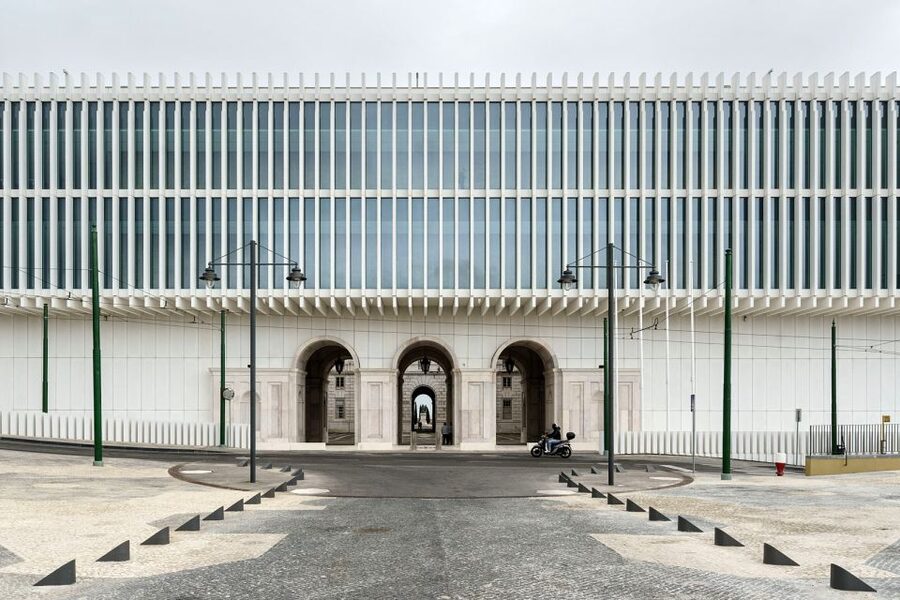
The Royal Treasure Museum is inside the Ajuda National Palace, so the experience isn’t just about objects behind glass. You’re walking through a palace environment that matches the theme: monarchy, ritual, power, and daily court life—told through jewelry, silverware, and ceremonial pieces.
I like that this museum is built around categories you can actually follow. Instead of feeling lost in broad themes, you get section by section focus. That matters because royal collections can be overwhelming fast. Here, you can decide what you want to spend time on: big sparkle items, formal court symbols, or the side of royalty that shows up in silver tableware.
Entering smoothly: security, lockers, and reading the signage fast
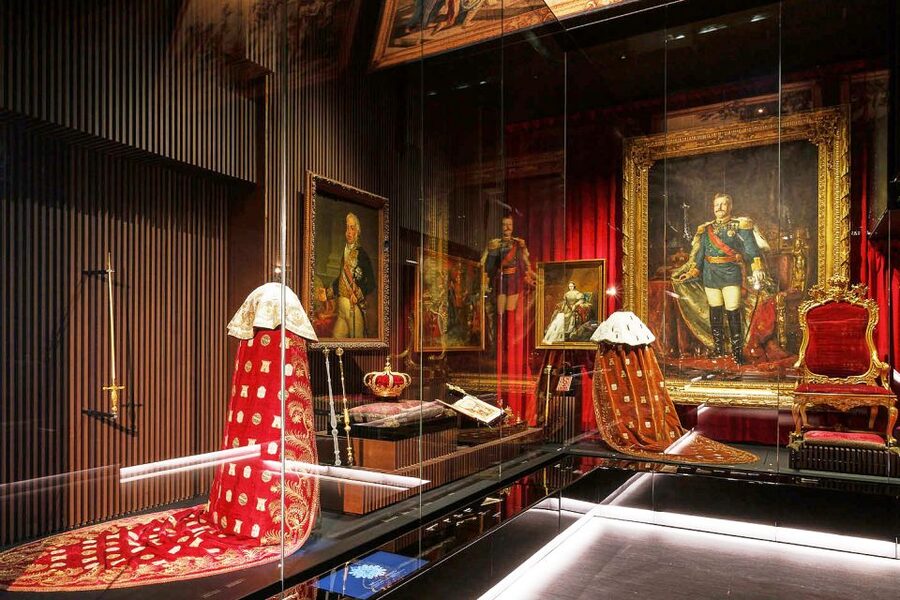
Before you even start looking, plan for an airport-style security check. That means you should arrive with enough slack in your schedule, especially if you have a larger bag. Larger bags need to go into lockers available at the entrance on the shop side.
This is one of those details that can quietly make or break your visit. If you show up right near the end of the day, security plus lockers can eat into your “real looking time.” I’d rather you start calmly, scan the rooms without rushing, and let the collection unfold.
Good news: text and subtitles are available in Portuguese and English. So you can read labels comfortably and still keep the pace of your walk.
Your ticket covers 11 sections on 3 floors: how to plan your route
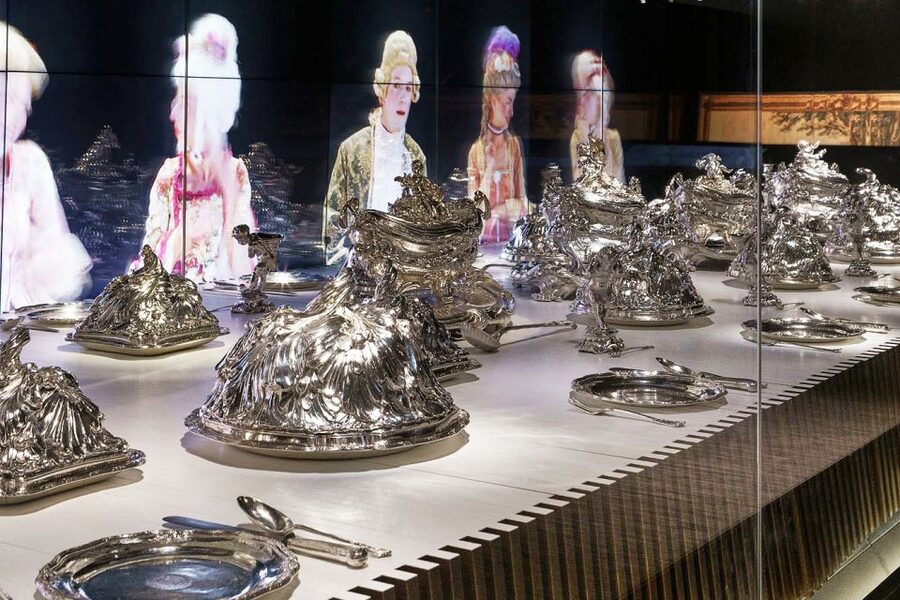
With your entry ticket, you’re stepping into a permanent display arranged in 11 sections across 3 floors. The most practical way to enjoy this setup is to treat it like a choose-your-own-court plan:
- If you’re here for drama and sparkle, prioritize the crown jewels and the silver sections early.
- If you like context, follow the sections that explain meaning: orders, insignia, and diplomatic gifts.
- If you love objects and craftsmanship, lean into the silver tableware and material-focused areas.
You don’t have to do everything in one “max speed” loop. The ticket is valid for 1 day, and the museum offers a café and lounge area—so you can pace yourself instead of powering through.
Gold and Diamonds from Brazil: when the collection has global reach
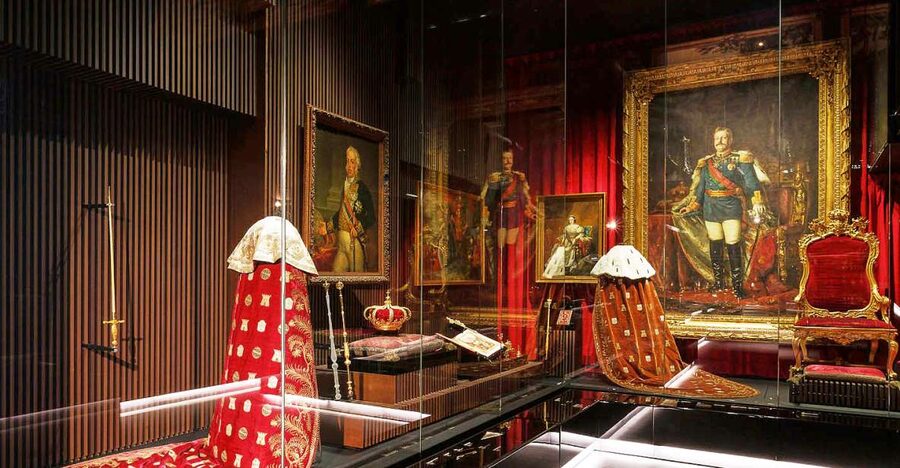
One of the clearest “wow” areas is Gold and Diamonds from Brazil. A dedicated section like this signals something important: this royal treasure isn’t just local prestige. It includes materials that point to far-reaching connections—brought into a palace setting and preserved as part of the monarchy’s story.
When you’re standing in front of jewels like this, what hits first is scale: not just a piece, but the way the collection groups similar materials together. I like that the museum gives you a focused room instead of scattering these highlights across the whole building. It’s easier to compare, easier to notice how different items catch light, and easier to stay engaged.
Crown jewels beyond sparkle: coins, medals, and palace “jobs/jewels”
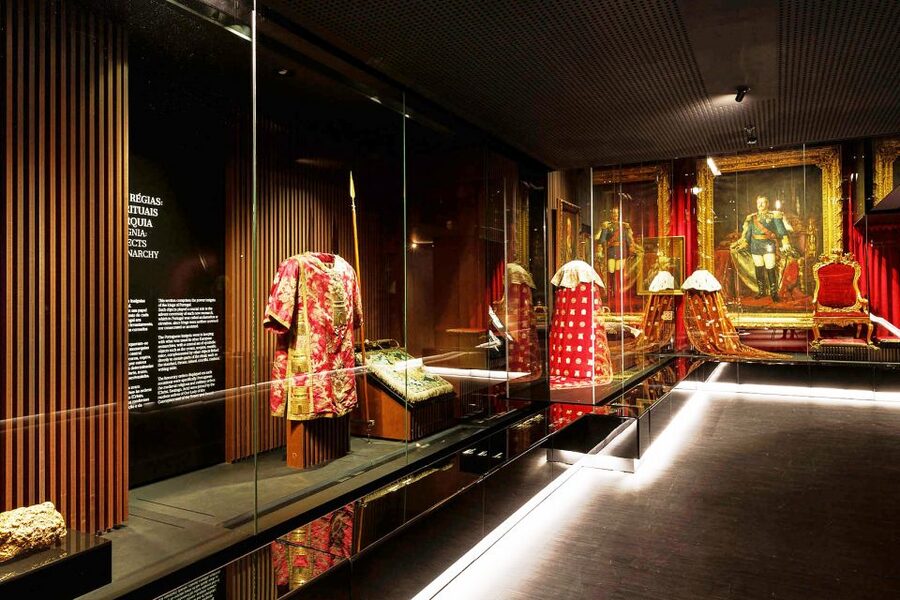
After the high-gloss sections, you’ll find areas that shift the tone from decoration to documentation.
The museum includes Coins and Medals of the Crown. This is where the collection can feel more “political” and less “party trick.” Coins and medals often represent honors, authority, and specific moments or systems—so even if you aren’t a numismatics person, you’ll usually find something readable in the design language.
You’ll also see Jobs/Jewels from the Palace Collection. The phrasing hints at a practical theme: jewelry and insignia tied to roles within the palace world. That gives the collection another layer. You’re not only looking at objects that look royal; you’re seeing items that function as identifiers of rank or duty.
Orders of knighthood and merit: symbols you’ll want to study
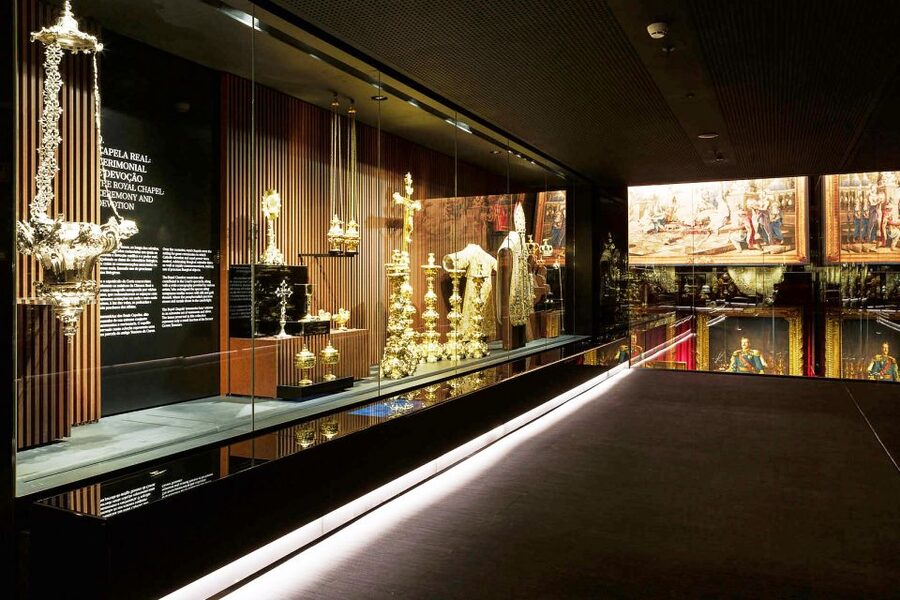
The museum displays Orders of Knighthood and Orders of Merit. If you like symbolism, this is the section to slow down for. Orders are basically portable authority. They’re meant to be recognized—by design, shape, and ornamentation.
Even without deep background, you can usually read the “language” of orders visually: ceremonial forms, contrasting colors, and structured shapes that make the insignia easy to identify at a glance. If you care about design and craftsmanship, you’ll likely enjoy this part more than you expect.
Royal insignia and ritual objects: the monarchy in ceremonial form
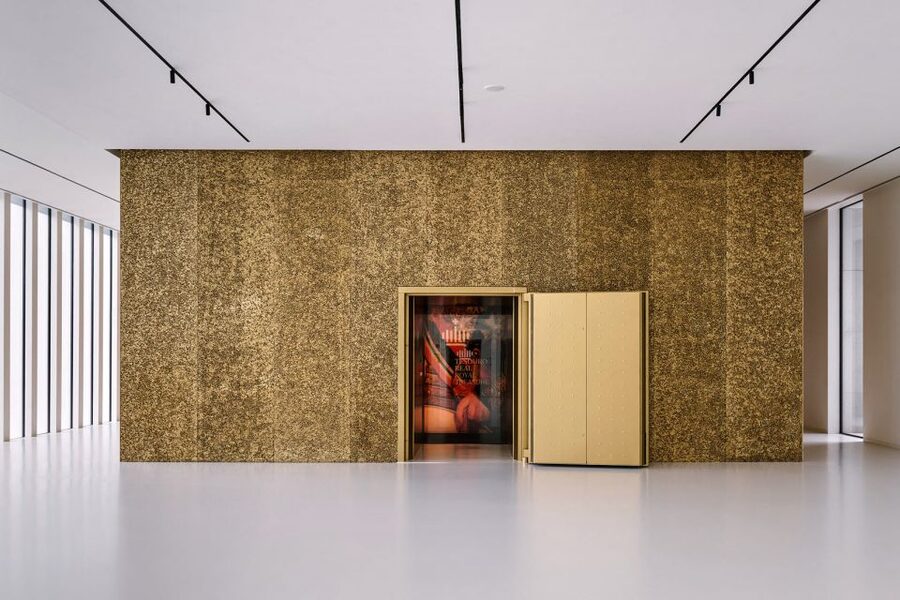
Another key section is Royal Insignia (Ritual Objects of the Monarchy). This is where the museum leans into what monarchy looks like when it becomes ritual—objects tied to ceremonies, traditions, and symbolic power.
This part is valuable because it helps you connect the sparkle to meaning. Jewels can feel like isolated beauty. Ritual objects usually feel like “tools of tradition,” even when they’re extravagant. I like that the museum doesn’t keep everything in the decorative lane.
The Crown’s Silver: where court life becomes tangible
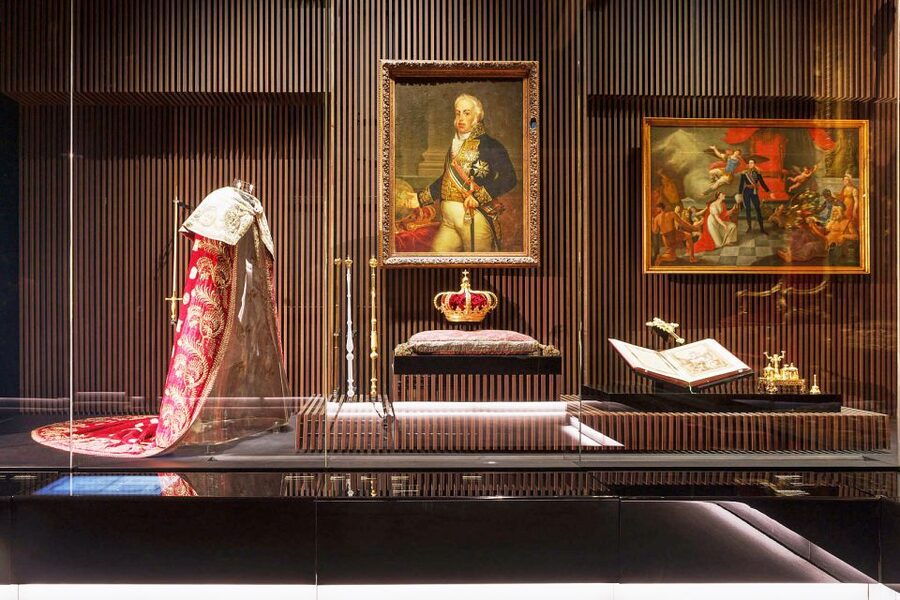
If you care about more than gemstones, the museum’s silverware sections are a big deal.
The collection includes The Crown’s Silver, and you’ll also see The Germain Silver Tableware. Silver is one of those materials that tells you how the palace worked day to day. It’s not just for special photos; silver tableware points to hosting, ceremony at meals, and the performance of hospitality.
Germain silver tableware: why it matters
The museum specifically highlights Germain silver tableware as world-famous. Even if you don’t know the name yet, the idea is simple: this is silverware with a reputation, shown in a context that matches its original purpose—table presentation, serving, and display during court life.
What I like about this section is the shift from “treasures as trophies” to “treasures as daily theater.” Silver tableware is made to be seen in motion: set down, handled, arranged. Even behind glass, it gives you a sense of ceremony at mealtimes.
Diplomatic gifts and private collections: the human side of royalty
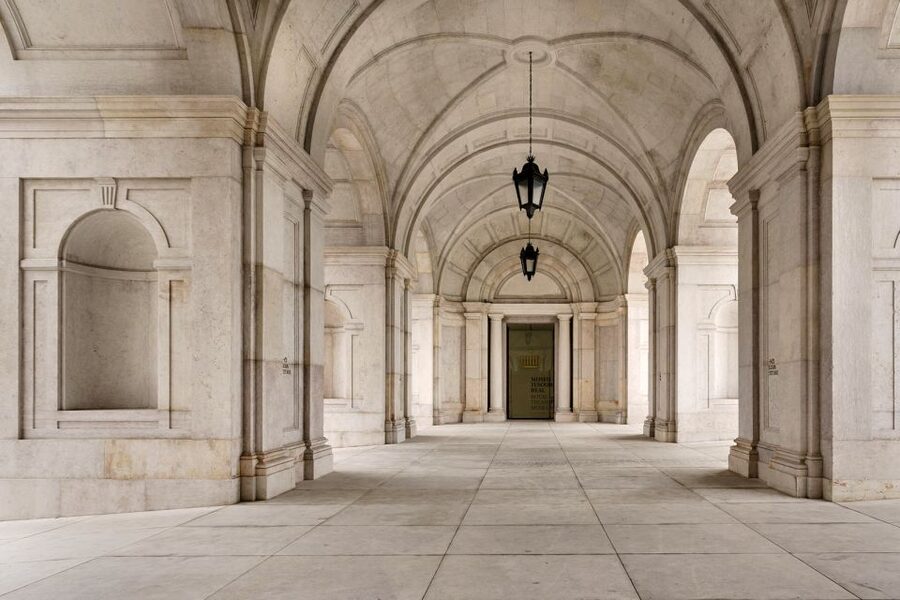
Not every item in a royal collection is purely official. The museum includes Diplomatic Gifts and Private Collections, which is where the experience can become more personal.
Diplomatic gifts often reflect relationships—alliances, respect, exchanges. Private collections reflect preference, taste, and ownership by individual members of the royal family. That mix matters because it prevents the museum from turning into a one-note “monarchy equals authority” story.
If you’re the type who likes to understand why objects ended up in a collection, these sections are worth your time. They add personality to the display and make the treasures feel less abstract.
Royal chapel: sacred objects in a palace context
There’s also a Royal Chapel section. Even if you don’t read every label, a chapel-themed display usually changes how you view the collection. You’re moving from political and social signals into belief and ceremony.
This is a good stop if you like atmosphere. It also helps you understand the monarchy as more than politics—an institution tied to faith, ritual, and symbolic authority.
The Treasure’s Travels: tracking movement and meaning over time
One section is titled The Treasure’s Travels. This name alone suggests a focus on how treasures moved—how they were carried, relocated, or preserved across changes.
I like that the museum includes at least one “journey” style theme. Objects become more interesting when they’ve had a path, not just a static home. If you enjoy thinking about provenance and time, don’t rush through this one.
Café, lounge, and the themed souvenir shop: making your visit feel complete
You don’t have to treat this as a sprint. The museum has a cafeteria and lounge area, which is a nice option when you’ve spent time staring upward at bright items. I find a short break keeps the collection from blending together, especially across 3 floors.
There’s also a themed souvenir shop. That’s worth noting because it signals what the museum wants you to do with your visit: take a small piece of the “royal treasure” theme home. Just keep expectations practical—buying souvenirs here means you’re paying for the theme more than historical artifacts.
Price and value: is $12 worth your time?
At $12 per person, this ticket feels like good value if you want a focused museum day without spending a fortune. You’re not paying for a general art museum where the collection might be broad. You’re paying for a specific, object-driven experience with clear sections: crown jewels, crown silver, diplomatic gifts, orders, ritual objects, and Germain tableware.
It’s especially good value if you like seeing categories that connect to real-world functions—ceremony, hosting, recognition, diplomacy. If your goal is only “see the biggest jewel and go,” you might feel you didn’t use the full range. But if you’re willing to spend time comparing sections, the price starts to make sense fast.
Who should book this ticket (and who might want to skip)
You should book if:
- you like royal jewelry and silverware and want them organized into clear themes
- you’re interested in ceremony and symbolic objects like orders and ritual insignia
- you want a museum that mixes official items with diplomatic gifts and private collections
- you’d enjoy a comfortable visit that includes a café and lounge break
You might skip or rethink if:
- you get frustrated by security lines and timing stress
- you only want one or two quick highlights and hate museum pacing
- you dislike object museums (jewels/silver/insignia) and prefer large-scale paintings or architecture-focused sites
Should you book the Lisbon Royal Treasure Museum ticket?
I think it’s a strong yes for most visitors who like tangible, collectible-looking displays. The best reason to book is simple: for a modest price, you get a structured walk through 11 distinct treasure categories inside a palace setting. That combination keeps the experience readable and avoids the feeling that you’re just “wandering among valuables.”
If you do book, arrive with time for security and keep an eye on the last admission rule (60 minutes before closing). Go in with a plan for at least one focus area—Germain silver tableware, the Crown’s silver, or the orders/ritual objects—and let the rest be bonus.
FAQ
Where do I redeem my ticket?
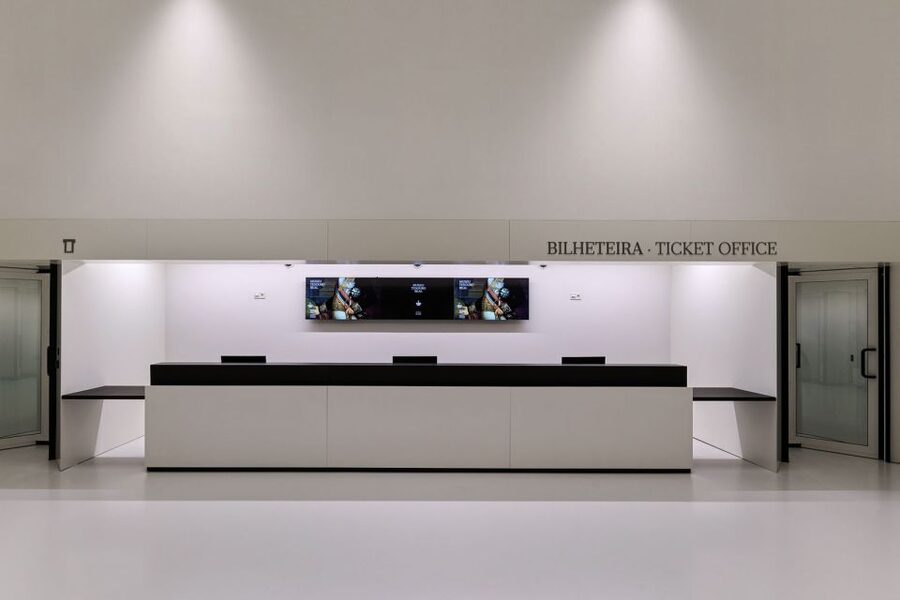
Redeem your ticket at the ticket desk in the Ajuda National Palace.
How long is this experience valid for?
The entry ticket is valid for 1 day.
What’s included with the ticket?
The ticket includes entry to the Royal Treasure Museum.
Is the museum wheelchair accessible?
Yes, the museum is wheelchair accessible.
What should I expect when entering the museum?
You will pass through several security systems, including an airport-style security check.
Do I need to store a bag?
Larger bags must be placed in lockers available at the entrance on the shop side.
Are the museum labels available in English?
Yes. Text and subtitles are available in Portuguese and English.
When is the last admission?
Last admission is 60 minutes before closing.
Can I cancel for a full refund?
Yes. You can cancel up to 24 hours in advance for a full refund.