REVIEW · LONDON
London: British Museum Guided Tour
Book on GetYourGuide →Operated by UTG EXPERIENCE · Bookable on GetYourGuide
A museum this big can feel like a maze. This 2-hour guided hit gives you a clear route to the British Museum’s most famous rooms, from the glass roof above the Reading Room to the objects that help explain how entire civilizations read, ruled, and believed. I especially like how the tour is built around a tailor-made highlight route, so you don’t waste time wandering without a plan.
One possible drawback: because the museum is massive, you’ll still have “I want more” energy after the tour ends, especially if you’re hoping to go deep on only one area.
What you’ll like most is simple. First, the guide’s storytelling turns famous artifacts into something you can actually picture in your head. Second, you get a fast path through the Egypt, Greece/Parthenon, and other ancient galleries so the museum feels connected instead of random. If you’re traveling with kids, note that some younger visitors may latch on to certain stops more than others—mummies, for example, tend to land better than the history lecture parts.
In This Review
- Key things to notice before you go
- Why a 2-Hour British Museum Highlights Tour makes sense
- Entering the British Museum: getting oriented fast
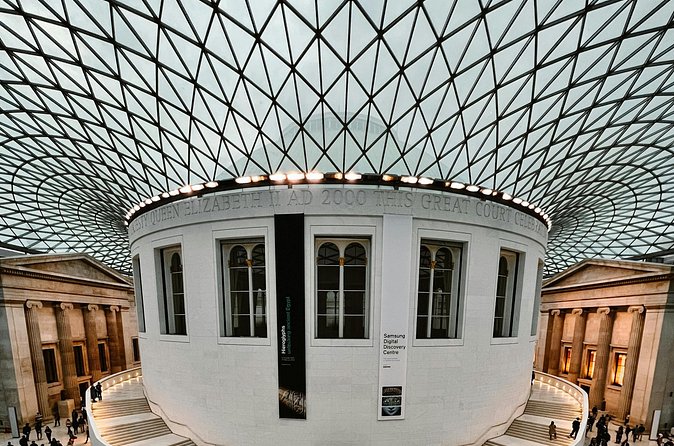
- Great Court and the Reading Room: start with a wow moment
- Rosetta Stone and Egyptian hieroglyphs: the meaning behind the symbols
- Elgin Marbles and the Parthenon story: art plus a hard question
- Ancient Egypt, mummies, and burial objects you can’t unsee
- Sutton Hoo relics and Khorsabad winged bulls: the tour’s smartest range
- How the guide keeps the museum from swallowing your time
- Price and value: what $23 buys you
- Who should book this tour (and who might want a different plan)
- Should you book the British Museum guided tour?
- FAQ
- How long is the British Museum guided tour?
- What do I get with the tour?
- What languages are available?
- Is transportation included?
- Is the tour wheelchair accessible?
- Where do I meet the guide?
Key things to notice before you go
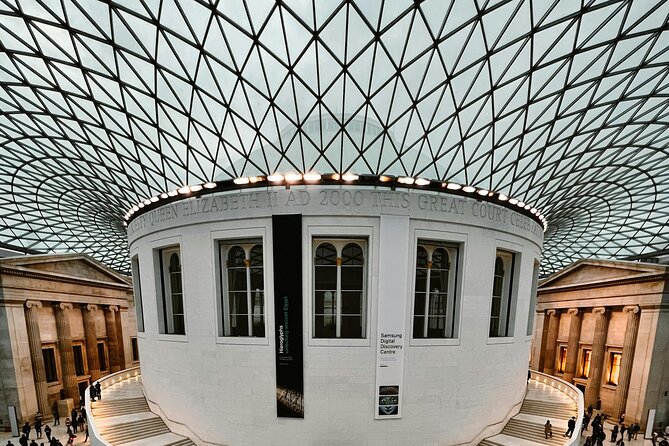
- Great Court + Reading Room glass ceiling: you start with the museum’s jaw-drop architectural moment, not straight into lineups of cases.
- Rosetta Stone and Egyptian hieroglyphs: you’ll get the guide’s explanation that makes the symbols feel less mysterious.
- Elgin Marbles context: you’ll hear why these Parthenon sculptures are famous and controversial.
- Ancient Egypt galleries, including mummies: a quick jump into the world of burial practices and daily beliefs.
- Sutton Hoo relics + Khorsabad winged bulls: the tour doesn’t only cover one timeline—it mixes cultures in a smart way.
- Smaller-group pacing (often): headsets come into play when needed, but the route is still designed to move efficiently.
Why a 2-Hour British Museum Highlights Tour makes sense
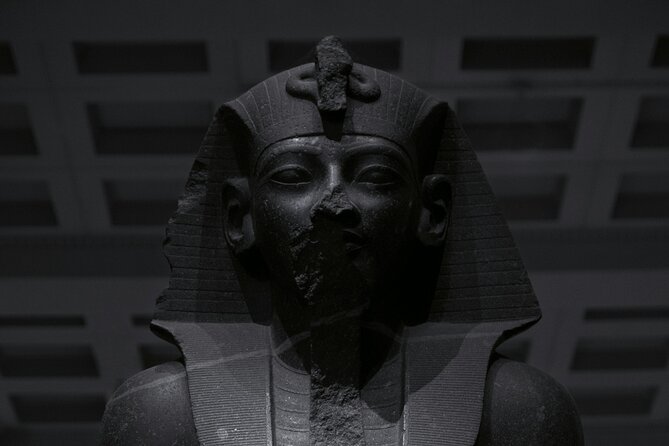
The British Museum is not a place you “finish.” It’s a place you start, then come back to later. This tour is a practical solution when you have only a couple hours and you still want the main stories to connect.
At $23 per person, the value is less about checking boxes and more about time saved. Without a guide, you’ll still enjoy the museum—but you’ll spend more effort guessing which rooms matter most. With a licensed guide, you get a route that’s meant to hit the core artifacts and big turning points.
Also, it’s built to be flexible. The tour aims to show you the most remarkable parts of the public museum, and guides often adjust based on who’s in the group—especially when parents mention kids losing interest. In at least one experience, a teen went from reluctant to engaged because the guide tailored the explanations to her interests.
You can also read our reviews of more guided tours in London

Entering the British Museum: getting oriented fast
You’ll meet at a location that can vary by the option you booked, so keep an eye on what’s sent with your confirmation. Once you’re in, the best thing you can do is treat the tour like a moving “orientation map.” If you try to read everything yourself right away, the museum will win.
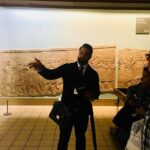
This is where the licensed guide matters. The guide doesn’t just point out famous objects—they explain what you’re looking at and why it mattered when it was made. That turns the first big rooms from a list of exhibits into a real sense of human history moving through time.
And yes, headsets are part of the plan when groups are larger. They’re included for groups of more than six, which helps you keep hearing the guide clearly even when you’re inside busy areas.
Great Court and the Reading Room: start with a wow moment
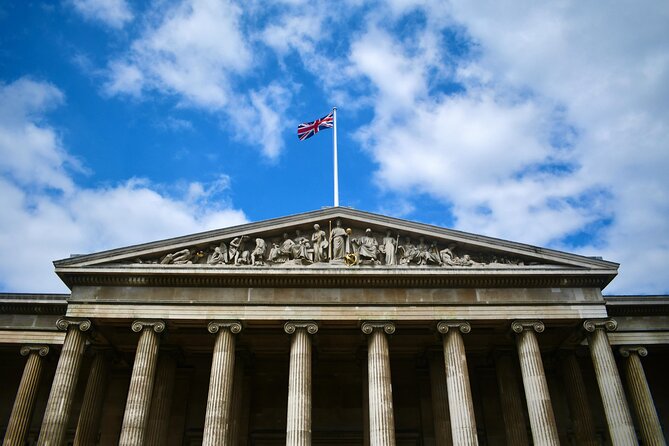
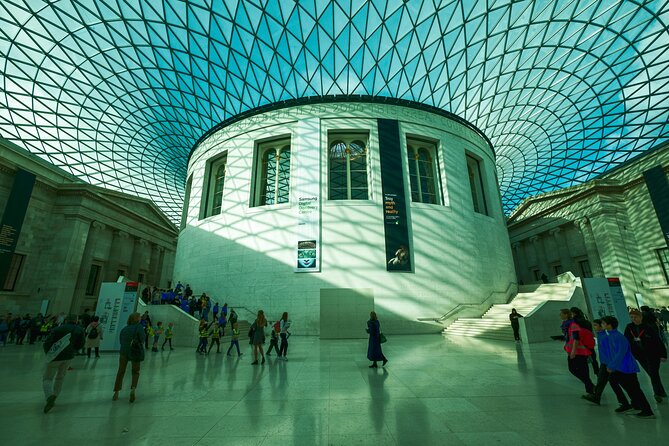
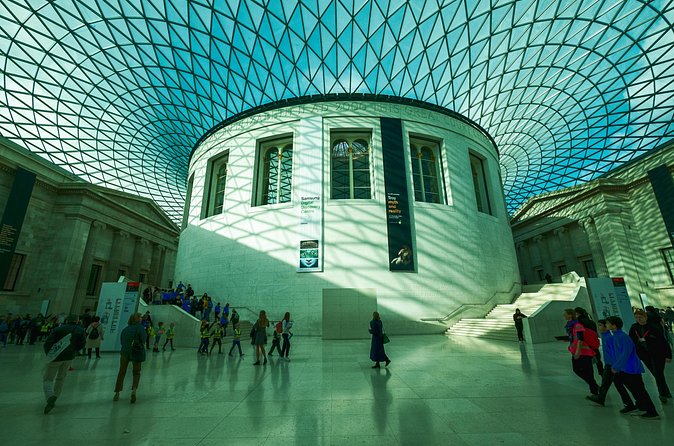
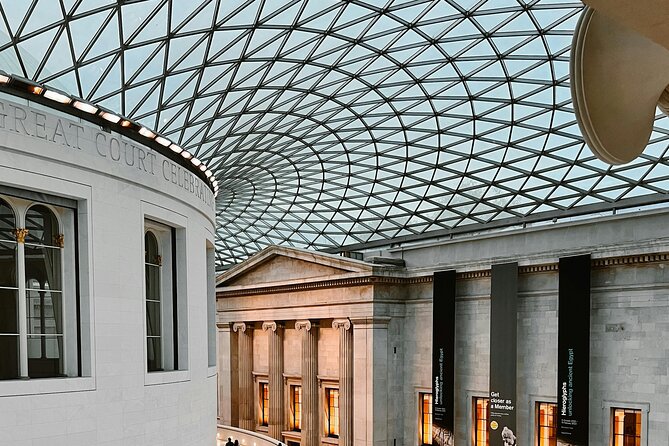
If you’re arriving expecting to sprint from artifact to artifact, you’ll probably be surprised by the opening move. You begin with the Great Court and the glass ceiling above the Reading Room area—an architectural highlight in its own right.
Why this matters: your brain needs a “place anchor” early on. The Great Court gives you that. It also helps you orient spatially so later, when you’re moving between galleries, the museum feels less like a confusing maze and more like a set of connected neighborhoods.
Look up here. The ceiling isn’t just pretty background; it’s part of the museum experience. After you’ve seen that glass roof, you’ll be more motivated to pay attention to what the guide explains next, because you already feel you’re inside something special.
Rosetta Stone and Egyptian hieroglyphs: the meaning behind the symbols
Next comes one of the world’s most recognizable artifacts. The tour spotlights the Rosetta Stone, presented as the key that helped people decipher Egyptian hieroglyphs.
Even if you’ve seen photos, standing in front of it changes the experience. You start thinking: How did this one object help unlock thousands of years? The guide’s job is to translate the idea into something you can actually follow in real time—what “deciphering” means, and why it turned unread symbols into interpretable language.
This is also where the tour pacing pays off. Egyptian galleries can swallow a lot of time, and the museum’s scale can make you feel like you’re always “almost getting there.” A guide helps you get the main idea quickly, then gives you enough context to explore on your own after.
Elgin Marbles and the Parthenon story: art plus a hard question
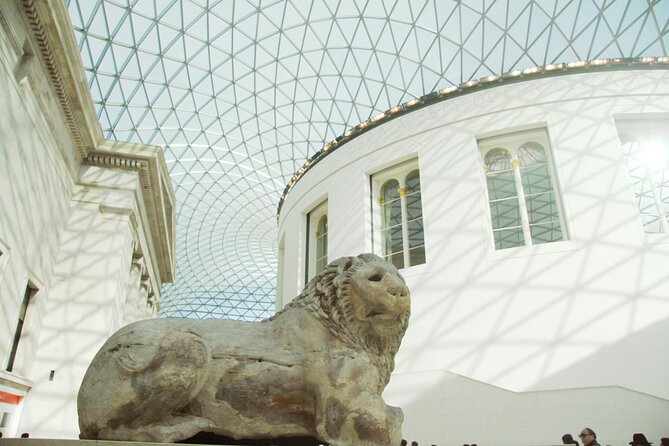
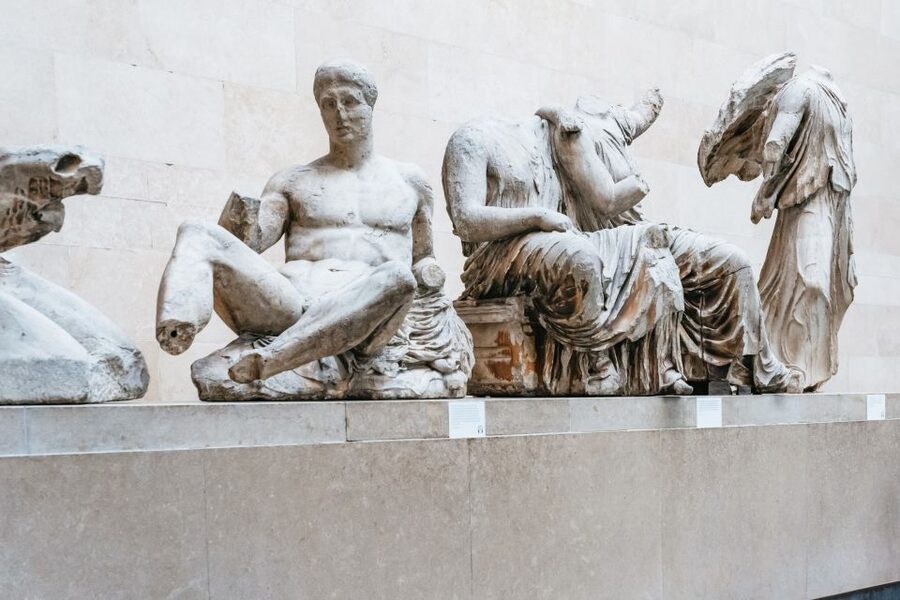
The tour then moves into one of the most discussed museum topics: the Parthenon Sculptures, often called the Elgin Marbles. You’ll hear the context that Lord Elgin—described here as the British ambassador to the Ottoman Empire—took these sculptures from the Parthenon in Athens.
This stop is valuable because it connects aesthetics to ethics. You can appreciate stonework and composition, but you also get prompted to think about ownership, history, and how museums built many of their collections through collecting practices tied to power.
A good guide doesn’t force you into one mood. Instead, they give you the facts you need to form your own opinion. If this topic matters to you, you’ll probably also want to do a bit of follow-up reading afterward—because 2 hours is just enough time to start asking the right questions.
You can also read our reviews of more museum experiences in London



Ancient Egypt, mummies, and burial objects you can’t unsee
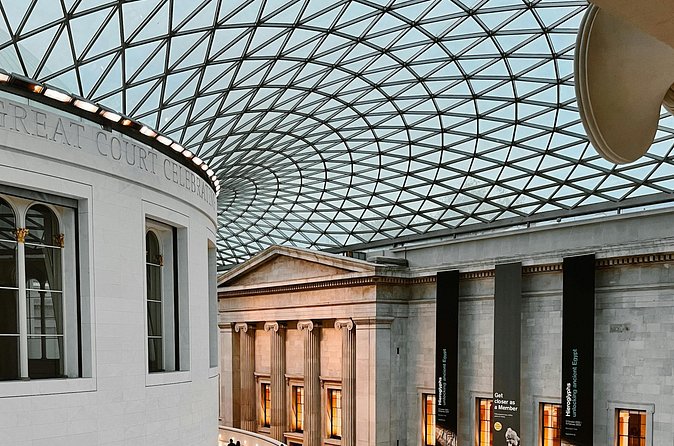
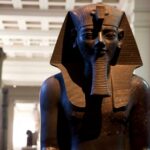
One of the strongest parts of the route is the Ancient Egypt focus. The tour includes the museum’s large Egyptian mummy collection, plus other pieces that give burial and belief a human face.
Seeing mummies in person is intense in a way that photos rarely capture. The guide’s commentary helps you move past the shock factor and into understanding what burial objects were meant to do—protect, prepare, remember, and communicate identity across generations.
A note for family planning: if you’re bringing kids, mummies tend to break through “museum boredom” faster than dry timelines. More than one guide experience highlights that the tour can be engaging even for younger visitors when the guide explains what you’re seeing in plain, story-driven language.
Sutton Hoo relics and Khorsabad winged bulls: the tour’s smartest range
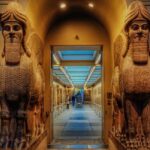
After Egypt, the route widens. You’ll also see Anglo-Saxon Sutton Hoo burial relics, and you’ll get a look at the winged bulls from Khorsabad.
This matters because it prevents the tour from feeling like one long Egypt marathon. The museum’s biggest strength is that it shows human culture across huge distances of time and geography. Sutton Hoo brings you into early medieval England, while Khorsabad takes you into a world tied to ancient Mesopotamia.
Why this combination works in a 2-hour tour: it gives you variety without making you feel lost. You’re still following a single narrative thread—the story of how humans built meaning through objects—even when the details jump continents.
How the guide keeps the museum from swallowing your time
A common theme in high ratings for this kind of tour is that the guide is what makes it work. In real examples from past tours, names like Joe, Denise, Paul, Daniel, Dionysia, Filomena, Chiara, Selena, and Andi come up alongside praise for clear communication and a pace that’s built for action.
Here’s what you should look for, since not all guides teach the same way:
- Do you feel like you’re getting “big pictures” before you get stuck in details?
- Can you follow the order without needing to constantly re-orient?
- Does the guide explain context so the artifacts stop feeling random?
When the guide is strong, you end up with repeated themes—so even when you’re walking between galleries, you’re still thinking about the same ideas. That can be the difference between a pleasant visit and a visit where you actually remember what you saw.
Also, you’ll likely appreciate the tour’s efficiency. One experience notes that the guide navigated the museum on a practical timeline, and another mentions working around museum closures. Even if some rooms are limited, a good guide can still keep the highlight route on track.
Price and value: what $23 buys you
Let’s talk straight money. $23 for 2 hours inside the British Museum isn’t just “cheap.” It’s an attempt to buy back your time and reduce your guesswork.
If you walk in on your own, you might spend those two hours:
- finding the Great Court,
- wandering until you realize you missed a famous stop,
- and returning to major galleries that you could’ve seen in a smarter sequence.
With a guide, you pay to compress a lot of meaning into a short window. It’s not the same as a full-day museum plan—but it’s one of the best ways to get oriented if this is your first time.
One more value point: the tour includes commentary and devices for groups. That means you can actually hear the guide while moving through a busy, crowded museum. Headsets for larger groups are a small thing that makes a big difference for comfort and comprehension.
Who should book this tour (and who might want a different plan)
This tour is a great fit if:
- You want the British Museum’s highlights without spending a half day figuring out where to go.
- You’re interested in big cross-cultural themes: Egypt, Greece/Parthenon, and other ancient civilizations in one visit.
- You’d rather spend 2 hours with a route and explanations than 2 hours randomly drifting.
It may be less ideal if:
- You’re trying to study one niche topic deeply (this is a highlights sprint).
- You’re someone who prefers total quiet and self-paced wandering with no structure at all.
For families: it can work well when the guide connects with different ages. If your kids have a specific “hook”—like mummies or dramatic stories—ask for that engagement mentally. A guide who tailors explanations can keep more people interested than you’d expect.
Should you book the British Museum guided tour?
If you’re weighing this against wandering on your own, I’d book it—especially if it’s your only realistic window for the museum. You’ll get the Great Court/Reading Room wow factor, the Rosetta Stone explained in human terms, the Elgin Marbles context that helps you think, and a mix of Egypt plus other ancient highlights like Sutton Hoo and the Khorsabad winged bulls.
If you love museums and you have time, I’d still do this tour first. It gives you a mental map and a set of “where to go next” ideas. Then you can return later and go deeper in the galleries that grabbed you most.
FAQ
How long is the British Museum guided tour?
The duration is 2 hours.
What do I get with the tour?
You get a guided tour of the British Museum, English commentary (and additional language support), and headsets for groups of more than 6 people.
What languages are available?
The tour provides commentary in English, German, French, Spanish, Italian, Russian, and Portuguese, and it also lists a live tour guide in English and Italian.
Is transportation included?
No. Transportation is not included.
Is the tour wheelchair accessible?
Yes. The tour is listed as wheelchair accessible.
Where do I meet the guide?
The meeting point may vary depending on the option you booked, so check your specific booking details.