REVIEW · LONDON
London: Natural History Museum Entry Ticket and Guided Tour
Book on GetYourGuide →Operated by UTG EXPERIENCE · Bookable on GetYourGuide
One big museum, in one focused hour. This Natural History Museum tour takes you straight to the standout galleries like Hintze Hall and the 25m blue whale skeleton, with a live guide adding the story behind what you see. I really like how the tour keeps things efficient, so you don’t lose your visit to long wandering or head-scratching about where to go next. I also like that you get headsets if needed, which makes the guide’s explanations easier to catch in a busy hall. The main drawback to consider is the time limit: it’s a fast hit, so you’ll likely want to return on your own for anything you fall in love with.
Your meeting point is straightforward: you’ll connect at Metro South Kensington, using the Natural History Museum Ismaili Centre exit, then find the metal plate for The Royal Borough of Kensington and Chelsea on Exhibition Road SW7. The tour is in English with a live guide, and it’s wheelchair accessible, so it’s built to be practical for different visitors. At $76 per person for a 1-hour experience, you’re paying for a guided route, a reservation ticket, and express security—so think of it as buying time and direction, not just museum entry.
In This Review
- Key details that shape the experience
- What This 1-Hour Guided Tour Really Gets You (and Why It’s Worth It)
- The one practical catch
- Entering the Museum Fast: Express Security and a Clear Start
- Central Hall’s Diplodocus: The Big-Scale Start That Sets the Tone
- Hintze Hall: Dinosaurs and the 25m Blue Whale Skeleton
- Why Hintze Hall works with a guide
- Volcanoes and Earthquakes: Earth’s Active Side
- Minerals, Gems, and the Art of Close Looking
- Evolution Gallery: Life’s Long Story in a Practical Route
- The Wildlife Garden: A Breather With Birds and Bees
- What the Guide Adds: Stories, Scientist Work, and Real Q&A Time
- How this helps you plan your own follow-up
- Price and Value: Is $76 for One Hour a Smart Spend?
- Who This Tour Fits Best (and Who Might Want More Time)
- Should You Book This Natural History Museum Tour?
- FAQ
- How long is the guided tour?
- What is included in the ticket price?
- Does the tour include entry tickets to the Natural History Museum?
- Is there an express security check?
- Where is the meeting point?
- Is the tour language English?
- Is the tour wheelchair accessible?
- What are the main highlights?
- Is free cancellation available?
- Can I reserve and pay later?
- What is not included?
Key details that shape the experience
- 1 hour long means a highlight route, not a slow browse.
- Express security check helps you start seeing faster.
- Headsets included can make a difference in crowded rooms.
- Central Hall and Hintze Hall anchor the route with the museum’s biggest stars.
- Wildlife Garden gives you a calmer, nature break with birds and pollinators.
What This 1-Hour Guided Tour Really Gets You (and Why It’s Worth It)
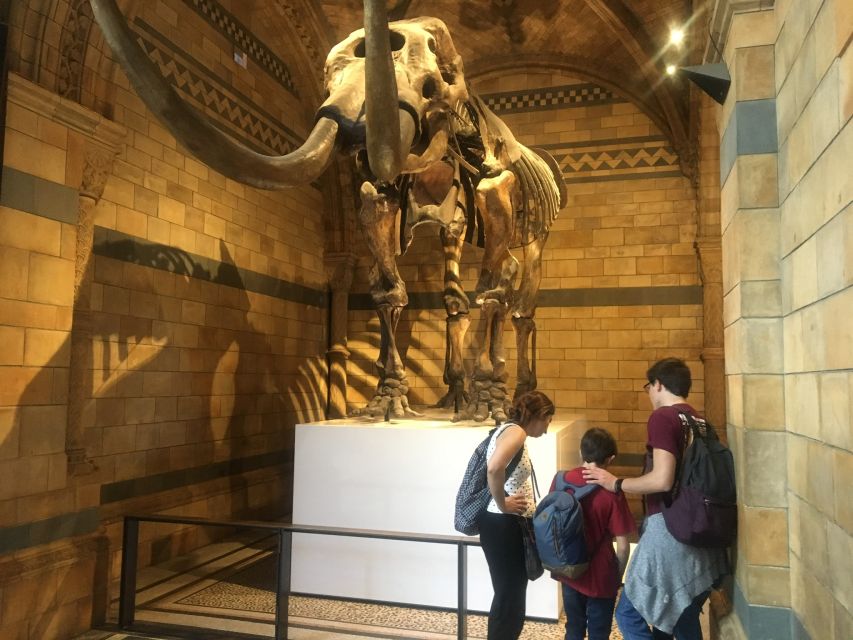
The Natural History Museum can feel like a choose-your-own-adventure where every hallway looks equally tempting. A guided hour is a smart way to handle that. You get a guided path through the museum’s major “wow” spaces without spending your precious visit trying to decode what matters most.
The value here is not just the ticket. It’s the human part: your guide explains what you’re looking at and why it matters, including how museum scientists preserve and study specimens. In other words, you see famous displays and you also get the context that turns a “cool skeleton” into a real story about Earth, evolution, and natural history research.
If you’re visiting with kids, adults, or a mixed group, this format tends to work well because the guide can keep momentum. The museum’s scale is no joke, and a well-run 60-minute route helps you feel like you covered the important stuff instead of just grazing.
A few more London tours and experiences worth a look



The one practical catch
You won’t see everything. In one hour, the goal is essentials—so if you’re the type who likes to stop for long stretches and read every label, plan to add extra time later.
Entering the Museum Fast: Express Security and a Clear Start
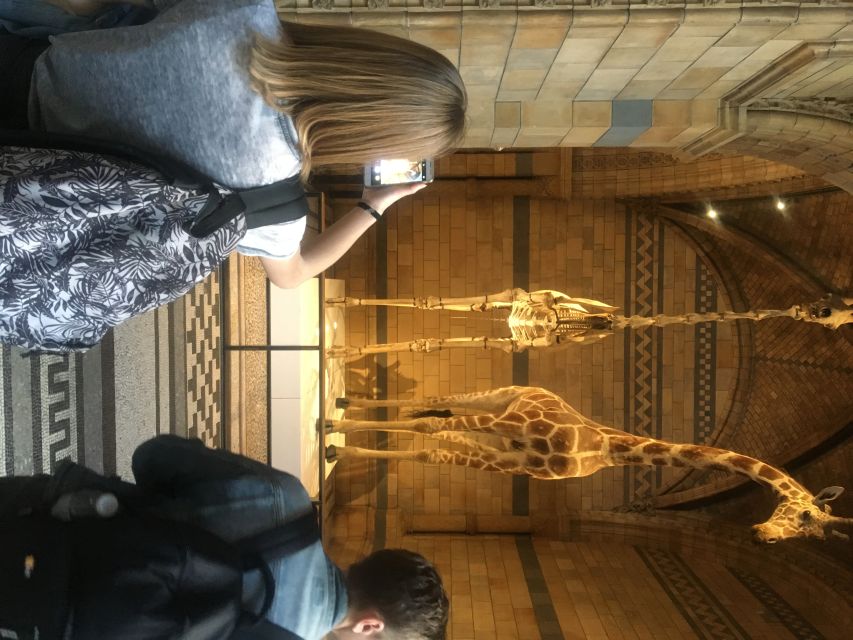
The tour includes a reservation ticket and uses express security so you can skip the regular line for checking. That matters because the museum sits in one of London’s busiest visitor zones. Saving time at the start helps your one-hour window feel more like seeing and less like waiting.
You’ll also get headsets to hear the guide if necessary. That’s a small inclusion, but it can be a big quality-of-life upgrade in large, echoing galleries where it’s easy to miss key explanations.
Your meeting point is also a big deal for first-timers. You meet at Metro South Kensington, then use the exit near the Natural History Museum Ismaili Centre and locate the metal plate labeled The Royal Borough of Kensington and Chelsea on Exhibition Road SW7. If you arrive a few minutes early, you’ll have time to find it without rushing.
Central Hall’s Diplodocus: The Big-Scale Start That Sets the Tone
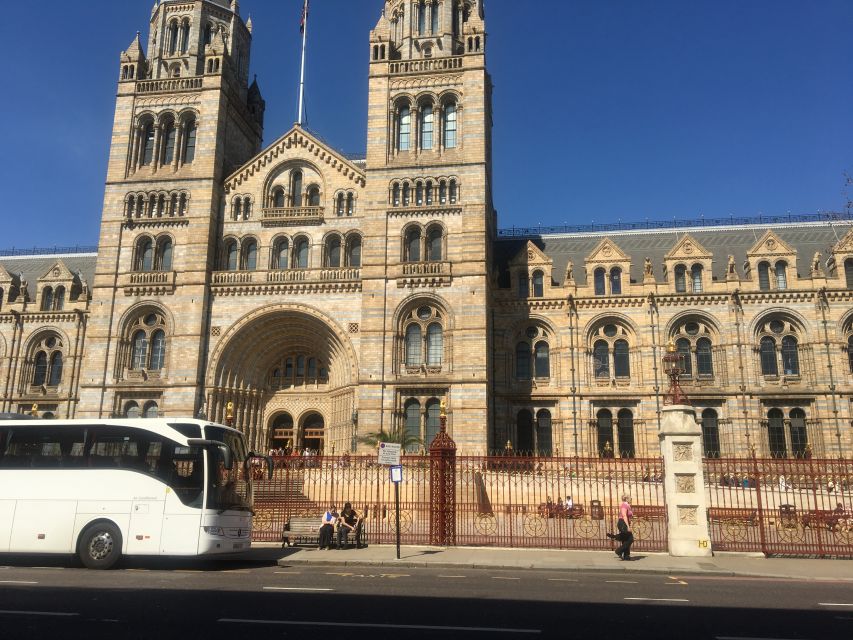
The tour experience is built around major anchor exhibits, and it starts with the Diplodocus skeleton in the Central Hall. This is a great first stop because it frames the museum’s strengths fast: giant, famous specimens with a strong sense of scale.
Even if you’ve seen dinosaur images before, standing close to a massive skeleton in person changes how you understand it. A guide can help you notice details that you’d likely miss on your own—like how the display is arranged, what features scientists focus on, and how the museum turns fragments and research into an understandable public story.
For many people, Central Hall becomes a kind of orientation moment: you get oriented to the museum’s “language” of natural history, so later rooms make more sense.
Hintze Hall: Dinosaurs and the 25m Blue Whale Skeleton
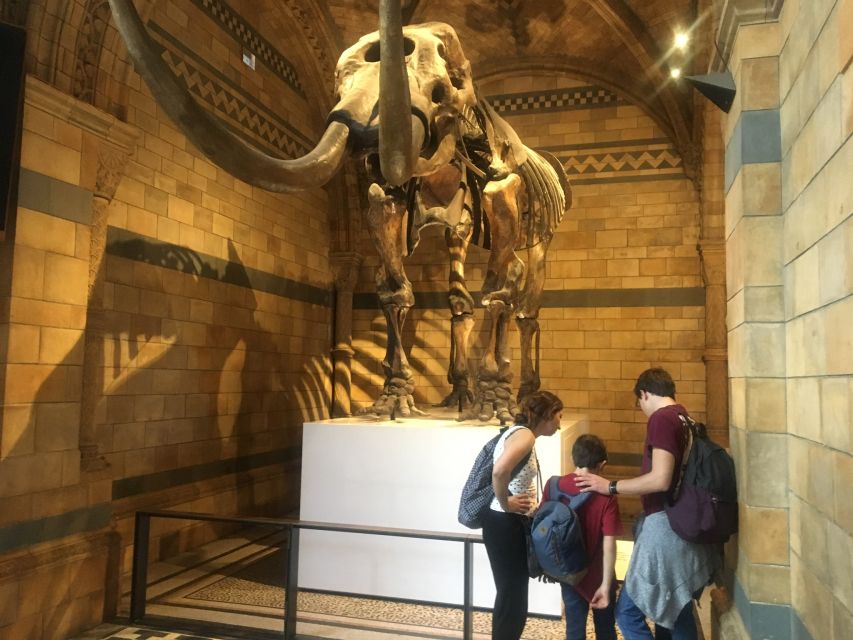
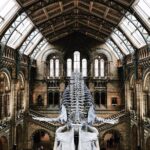
If you want the museum’s headline moment, this is it. The Hintze Hall is where you see the massive blue whale skeleton, spanning about 82 feet (25 meters) long. It’s the kind of exhibit that makes your brain do a double-take: it’s not just dramatic—it’s also deeply instructive about how the museum displays real scientific scale.
This is also where you’ll see other major dinosaur skeletons in the same giant hall. The guide’s job here is to connect the visuals to the science—what you’re seeing, why the skeleton looks the way it does, and what the display is telling you about life in Earth’s past.
You can also read our reviews of more guided tours in London
Why Hintze Hall works with a guide
On your own, you might enjoy the spectacle but miss the interpretive threads. With a live guide, you’re more likely to catch the “so what” behind each exhibit. In a one-hour tour, that’s the difference between viewing and learning.
Volcanoes and Earthquakes: Earth’s Active Side
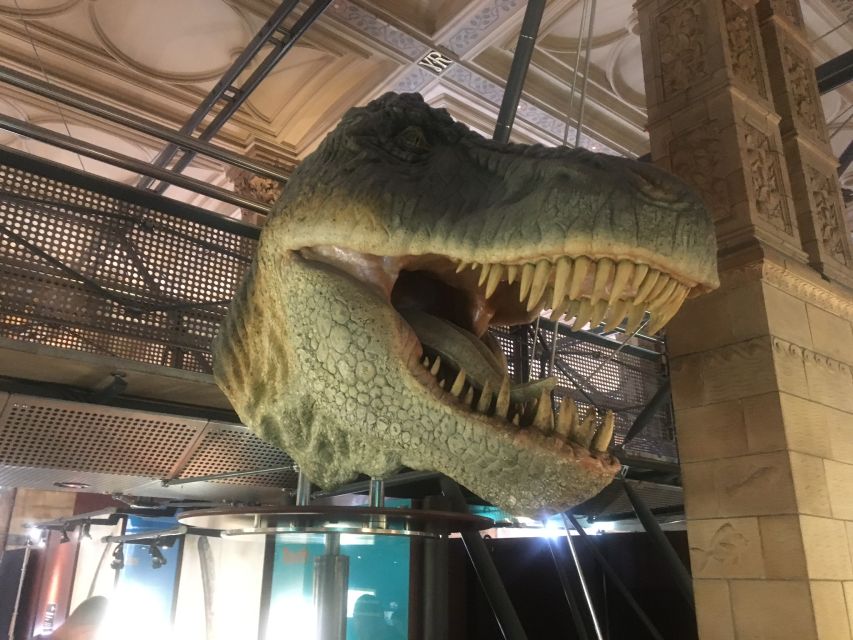
After the big biological stars, the tour shifts into geology with the Volcanoes and Earthquakes Gallery. This is where the museum reminds you that Earth is not a finished product. It keeps changing—through forces below the surface and processes that shape landscapes over time.
A guided stop helps because geology can be visually intense but confusing if you’re not sure what you’re looking at. Your guide can help translate the galleries into clear explanations: what causes change, how scientists interpret evidence, and how displays connect to real-world phenomena.
In a short tour, you’re not trying to master the whole subject. You’re building enough understanding to appreciate the museum’s bigger point: Earth’s history is written in the rocks and in the forces that formed them.
Minerals, Gems, and the Art of Close Looking
Next up, you’ll encounter displays focused on minerals and gems, including intricate details of how they appear and what can be learned from their structures. The tour description highlights the intricate designs you can see in the collection, and this is one of the best parts of a guided experience because it trains your eyes.
Minerals can be tricky because, without a framework, it’s easy to think, pretty stones, next room. With a guide, you start paying attention to patterns—how different materials show different features, and how museums connect display objects to real scientific study.
This section is ideal if you like “hands-on thinking” without actually handling objects. You get the satisfaction of close observation, but with explanations that keep it grounded.
Evolution Gallery: Life’s Long Story in a Practical Route
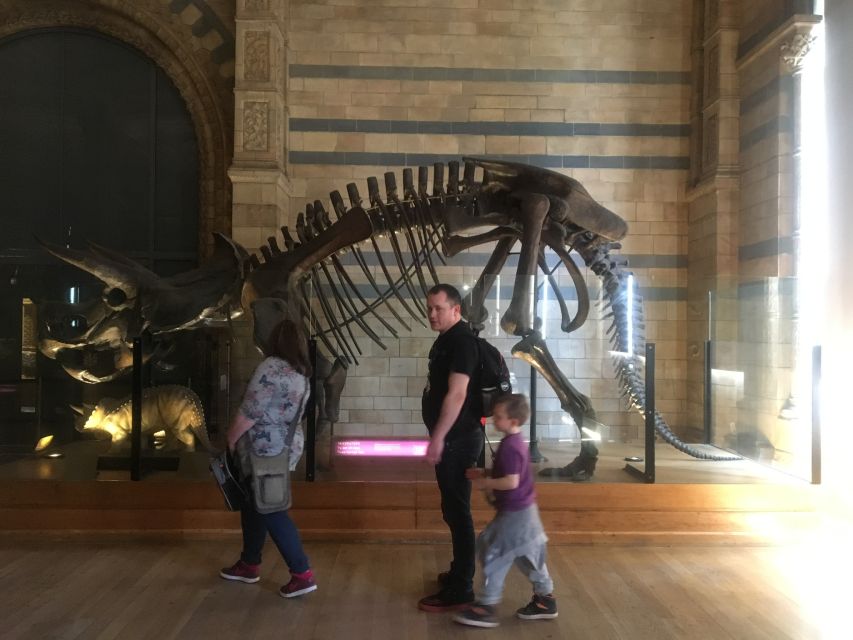
The Evolution gallery is your stop for biodiversity and how life on Earth has changed over time. The tour highlights that you’ll learn about the diversity of life, and a good guide can make the exhibits feel connected instead of like separate showcases.
In one hour, evolution is best understood as a big theme rather than a deep, text-heavy course. You’re looking for the museum’s main message: how evolution explains both unity and variation, and how specimens help scientists make sense of what happened long ago.
If you’ve ever felt that evolution is either too abstract or too technical, a guided pass can bring it into focus. You see the exhibits, and you also get the story threads that help you connect them.
The Wildlife Garden: A Breather With Birds and Bees
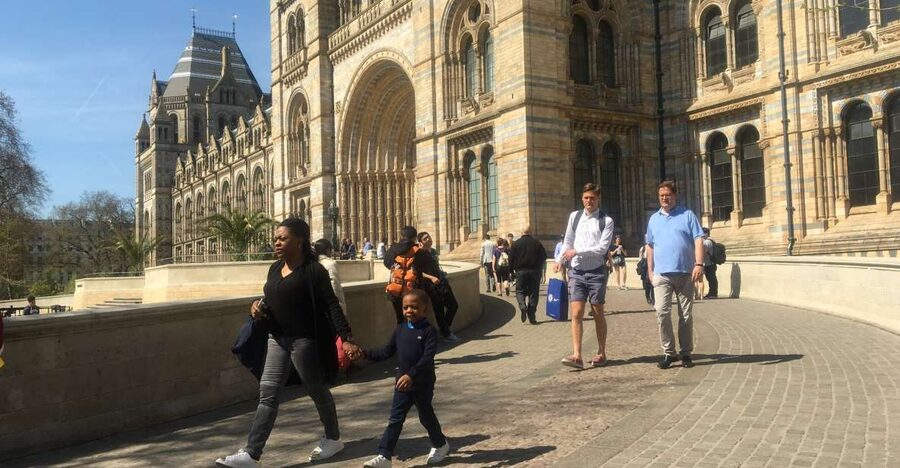
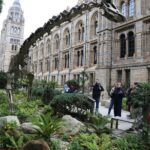
Not every “museum moment” needs to be giant. The tour includes the Wildlife Garden, described as a haven for birds, bees, and other animals.
Even in a brief visit, this kind of natural setting adds something important. You stop thinking like a viewer of glass cases and start thinking like someone in an ecosystem. It also breaks up the intensity of skeleton-heavy galleries with a calmer, more nature-forward pause.
If you like your nature experiences to feel real and not only displayed, this stop is a highlight.
What the Guide Adds: Stories, Scientist Work, and Real Q&A Time
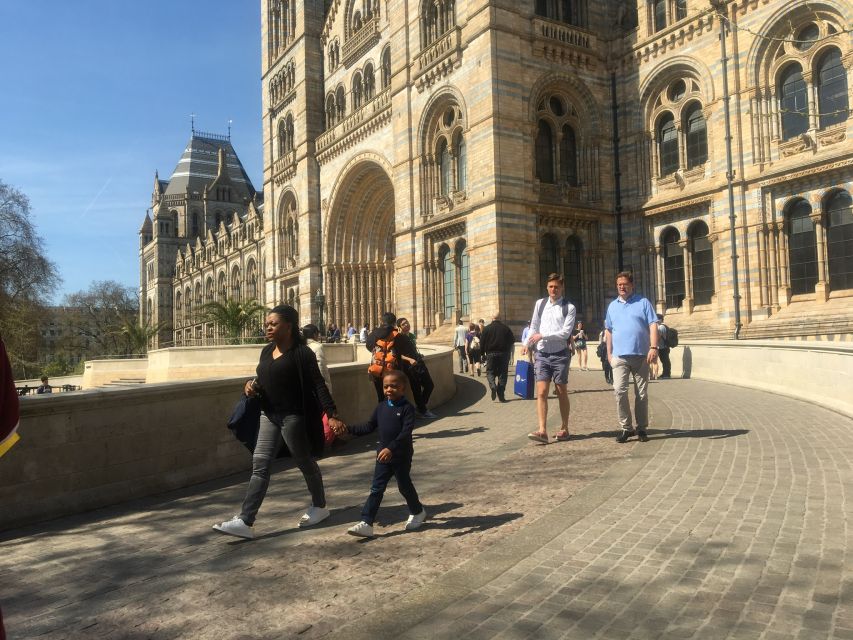
The biggest praise for this tour centers on the guide. In the information you’re given, and in what the guide does on the ground, you’re not just following a route—you’re getting explanations that make the displays feel alive.
Many people mention a guide named Paul for being friendly and able to handle questions. That’s key. Natural history museums have lots of details, and the best tours give you room to ask what you actually care about—dinosaur trivia, geology meaning, or how the collections are studied.
Your guide can also explain how museum scientists preserve and study specimens on display. That’s practical knowledge, because it helps you understand why displays look the way they do and why conservation matters for objects that can’t just be replaced like typical exhibits.
How this helps you plan your own follow-up
A guide can point you toward what’s worth revisiting when you have more time. Even if you don’t go back the next day, you’ll leave with a mental shortlist—what you want to read more about, what you want to see again, and what surprised you.
Price and Value: Is $76 for One Hour a Smart Spend?
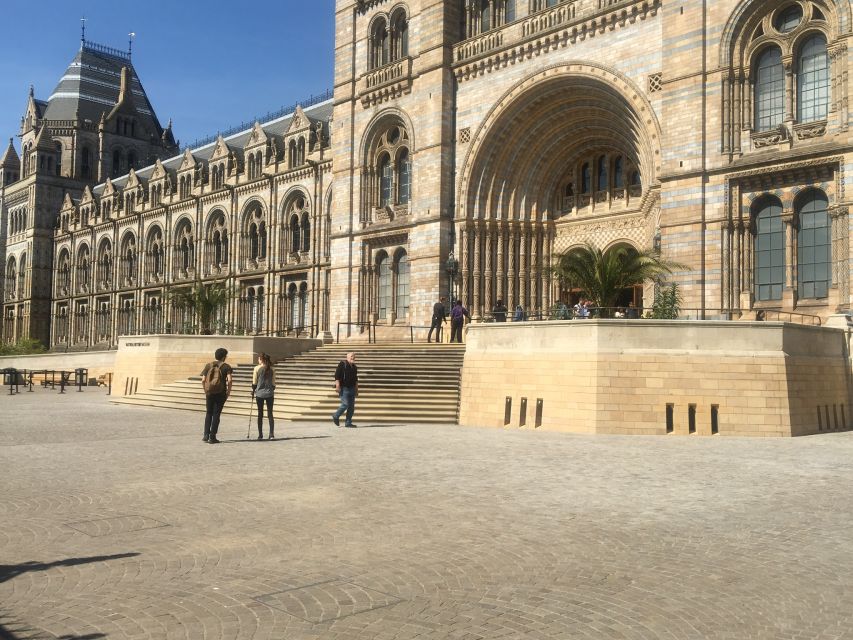
At about $76 per person for a 1-hour guided museum experience, you’re paying for three things that are hard to replicate on your own in a short timeframe: a reservation ticket, a guide, and headsets (plus express security to skip the longer security queue).
If you’re the kind of visitor who can spend half a day in a museum, then a guided hour might feel a bit compressed. But if you want a focused “best of” route—especially in a museum as big as this one—the value can be strong.
Think of it like this: the museum is the destination, but the tour is the steering wheel. When time is tight, that steering wheel helps you avoid wandering and makes your visit feel purposeful.
Who This Tour Fits Best (and Who Might Want More Time)
This is a great fit if you want:
- A highlights route built around major exhibits
- A live English guide who can answer questions
- A structured plan that saves you from choosing between rooms
- A visit that works well for mixed ages, including children (the guide’s Q&A style is often a plus)
You might want to skip or adjust your plan if:
- You have a lot of time and prefer reading every label at your own pace
- You know you want the museum’s full breadth, not just the anchor rooms
- Your schedule is flexible enough to do the museum independently, with longer time on site
Should You Book This Natural History Museum Tour?
Yes, consider booking if you want an efficient, guide-led introduction to the museum’s biggest stories in one hour. The combination of express security, headsets, and a route that hits Central Hall, Hintze Hall, the Volcanoes and Earthquakes area, Evolution, plus the Wildlife Garden makes it a strong option for first-timers and anyone short on time.
If you do book it, wear comfortable shoes and keep your expectations realistic: this is a highlight route. The win is that you’ll leave with clearer understanding and a better sense of what to return to later—if you want more.
FAQ
How long is the guided tour?
The duration is 1 hour.
What is included in the ticket price?
It includes a guide, a reservation ticket, and headsets to hear the guide if necessary.
Does the tour include entry tickets to the Natural History Museum?
Yes. You’ll receive a reservation ticket as part of what’s included.
Is there an express security check?
Yes. The tour includes skip-the-line through express security check.
Where is the meeting point?
Meet at Metro South Kensington, take the exit for Natural History Museum Ismaili Centre, and meet your tour guide at the metal plate labeled The Royal Borough of Kensington and Chelsea on Exhibition Road SW7.
Is the tour language English?
Yes. The live tour guide is English.
Is the tour wheelchair accessible?
Yes. It is wheelchair accessible.
What are the main highlights?
The highlights include famous exhibits at the Natural History Museum, the dinosaur skeletons in Hintze Hall, the blue whale skeleton, galleries such as Volcanoes and Earthquakes and Evolution, and the Wildlife Garden with birds and bees.
Is free cancellation available?
Yes. You can cancel up to 24 hours in advance for a full refund.
Can I reserve and pay later?
Yes. There is a reserve now & pay later option.
What is not included?
Transportation and food and drink are not included.