REVIEW · MUSEO DEL PRADO
Madrid: Prado Museum Small Group Guided Tour
Book on GetYourGuide →Operated by DE PASEO · Bookable on GetYourGuide
First time in the Prado can feel like drinking from a fire hose. This small-group tour helps you pick the right works, hear the story clearly with radio guides, and connect the dots across Madrid’s top museums. I like that it’s semi-private (up to 7 people) and you get radio guidance so the art doesn’t turn into background noise. A fair heads-up: if you’re sensitive to hearing in crowds, one past experience noted it can get tough when the room is noisy.
I also like how the tour isn’t only about name-dropping painters. You get specific context for the big giants like Velázquez, Goya, El Bosco, and the surrealism thread tied to Dalí, then it lands at Reina Sofía for Picasso’s Guernica. The only drawback is time pressure: the 1.5-hour format means you’ll focus on highlights, not every corner of these vast collections.
In This Review
- Key things that make this Prado + Guernica outing work
- Prado Museum at human speed: why this order helps
- Meeting at the Goya Statue and skipping the stress
- Prado highlights you’ll actually understand: Velázquez, Goya, El Bosco
- Leaving the museum: Paseo del Prado and El Retiro’s World Heritage setting
- Reina Sofía and Guernica: seeing Picasso with context, not just shock
- Thyssen-Bornemisza add-on: from impressionists to surrealism (and Dalí)
- Price and value: is $78 a fair deal?
- Who this tour is best for
- Should you book this Madrid Prado small-group tour?
- FAQ
- How long is the Prado Museum small-group guided tour?
- How big is the group?
- What’s included in the price?
- Do I skip the ticket line at the Prado?
- Is the tour in English, and can I hear the guide clearly?
- Where do I meet the guide?
- Does the tour go to other museums besides the Prado?
- Is photography allowed inside the museums?
- What should I bring or wear?
- Is it wheelchair accessible, and can I cancel for a refund?
Key things that make this Prado + Guernica outing work
- Up to 7 people means you’re less likely to get lost in the shuffle
- Radio guides help you hear the explanation without standing inches away from the guide
- Skip the ticket line saves time at the Prado, where that matters
- Guernica at Reina Sofía gets the spotlight, not a quick stop in passing
- Small-group pacing keeps the focus on standout paintings and ideas like surrealism
Prado Museum at human speed: why this order helps
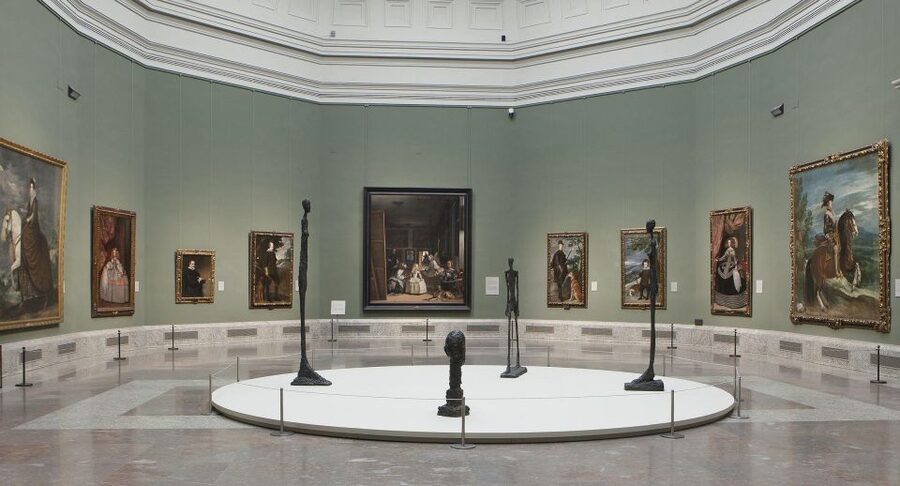
The Prado is the kind of museum where you can burn an entire day and still feel like you only skimmed the surface. What makes this tour smart is the focus: you start with the works that most often define the collection—then you move on, instead of wandering until you’re too tired to enjoy it.
You’re also not stuck trying to figure things out on your own while people stream around you. The guide is there to point you toward the paintings that carry the most story—political context, artistic technique, and the “why this matters” details that are easy to miss when you’re just scanning frames.
And because it’s designed around hearing the guide in English, you’re not left guessing what you’re looking at. People have praised guides like Anna Christina, Paula, Ayla, Jorge, Jose, Daniel, Eugenia, Laura, and Macarena for clear explanations and keeping the pace manageable. Even if your guide is different, that pattern is a good sign.
Meeting at the Goya Statue and skipping the stress
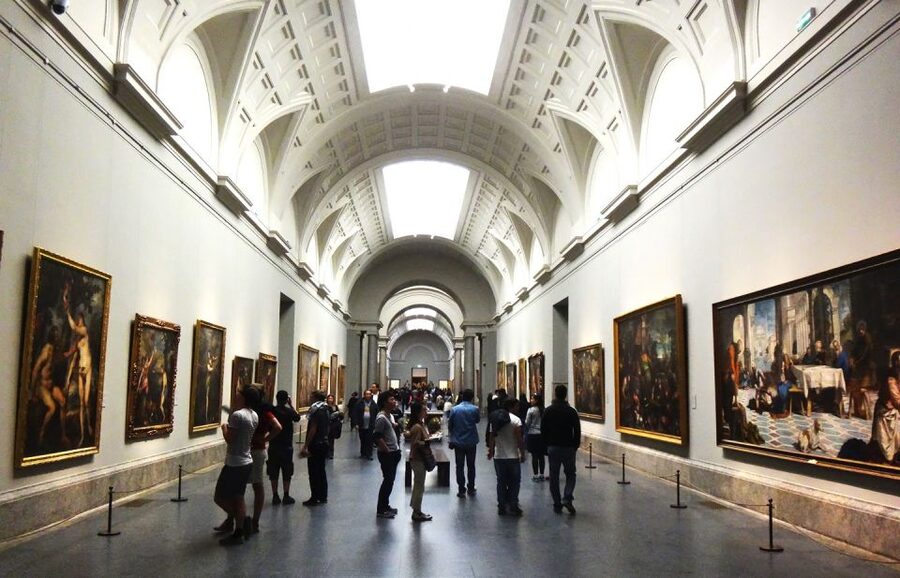
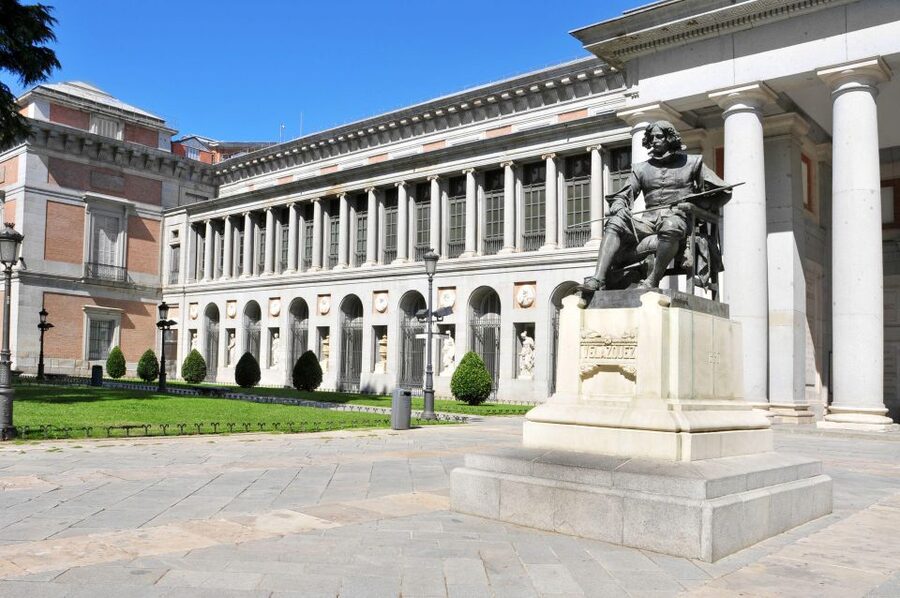
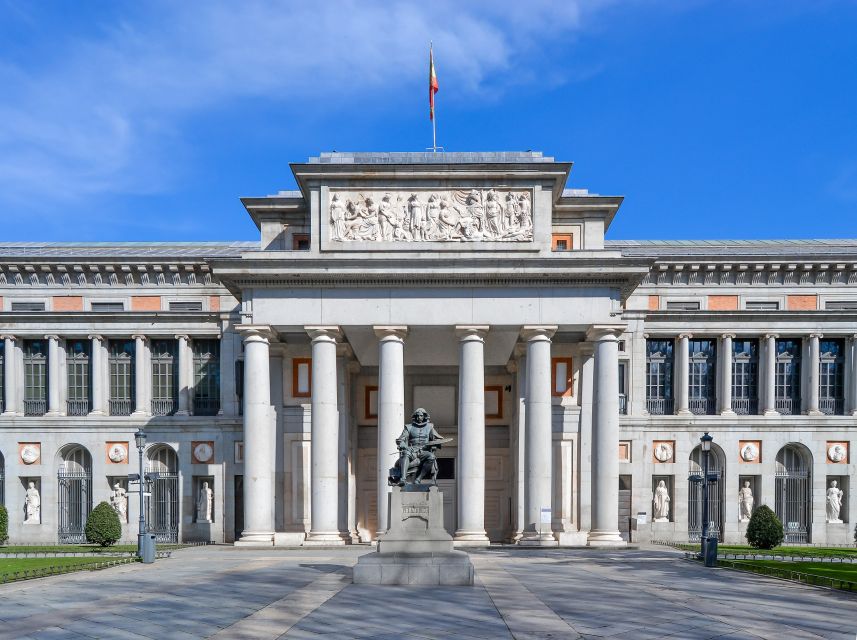
You meet at the Prado Museum by the Goya Statue, on Calle de Felipe IV (s/n, 28014, Madrid). Look for the guide with a white umbrella—that’s your quick “we found the right group” moment.
This matters more than it sounds. The Prado area can be busy, and a small-group tour only works if you start on time. The tour also returns you back to the meeting point at the end, so you’re not dealing with a second “where do we regroup?” moment in the middle of your day.
One more practical win: you’re set up to skip the ticket line. That’s a big deal here. Even when you have a short itinerary, waiting in a long queue can drain the energy you need for art appreciation.
Prado highlights you’ll actually understand: Velázquez, Goya, El Bosco
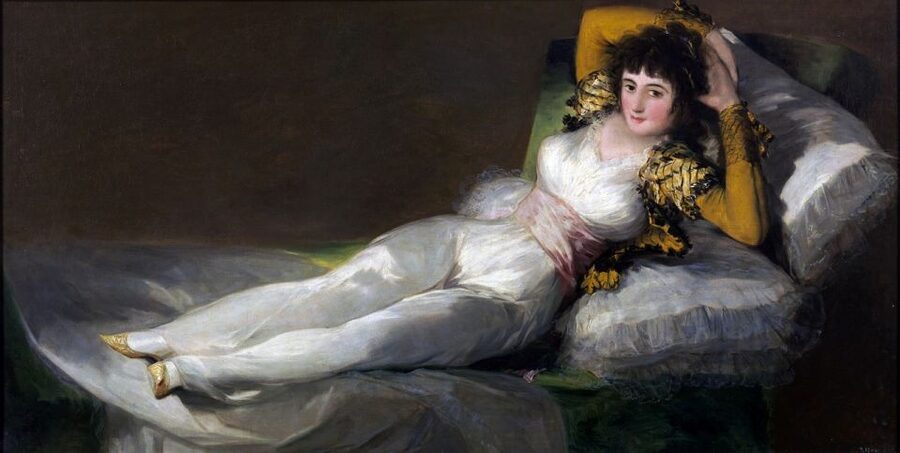
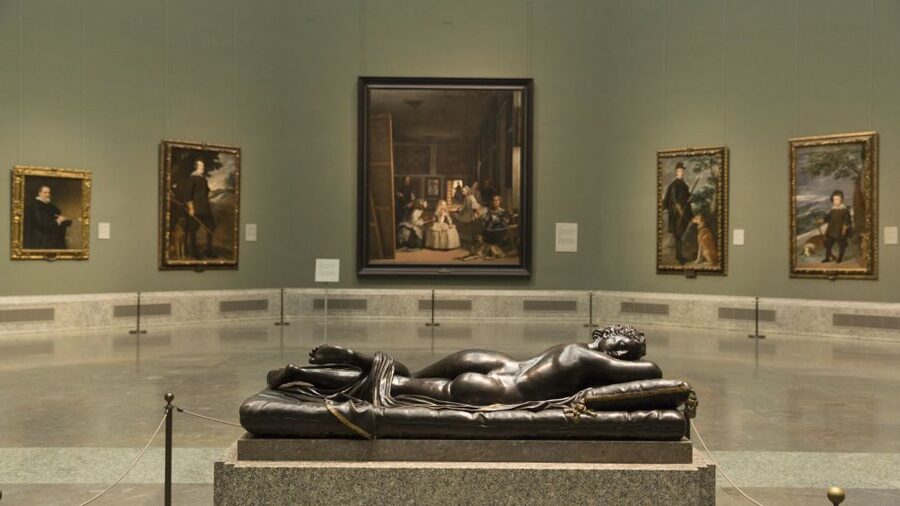
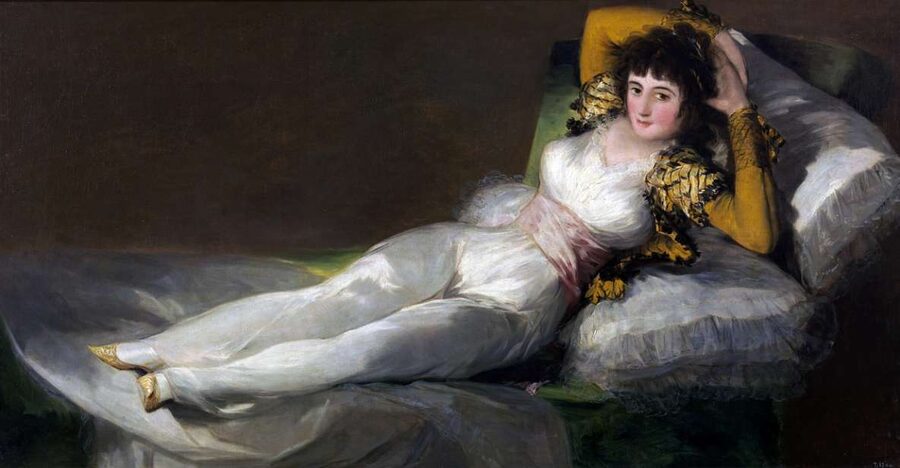
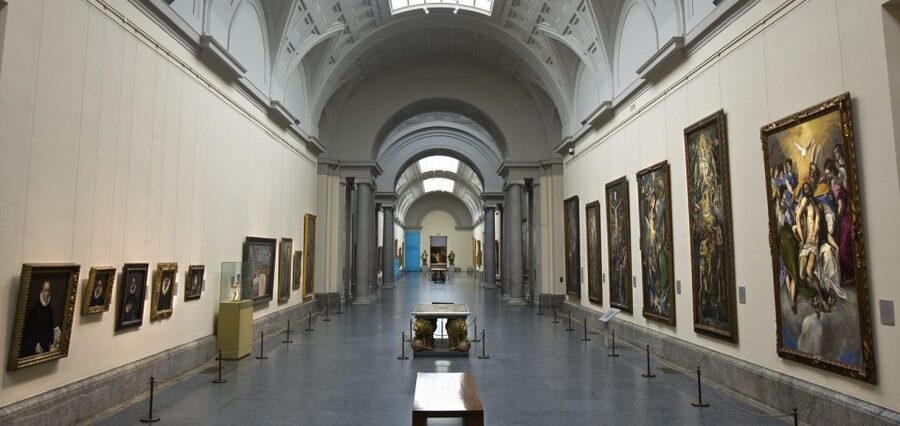
The Prado part of the tour is built around major works and the threads that tie them together. Your guide shows you the most outstanding paintings—think the big names: Velázquez, Goya, El Bosco, Rubens, and others. Rather than trying to cover everything, you get a high-signal route through the museum.
Why that’s valuable: when you have limited time, you need anchor points. A small set of paintings you understand beats a longer set you barely remember. With a guide, you’ll also get help with the “what to look for” part—composition, symbolism, and the historical context behind what you’re seeing.
Also, this tour isn’t only Spanish art. It’s aimed at giving you an overview of the Prado’s most important works, including the international influence that shows up in the collection.
A couple of real-world notes from past experiences are worth keeping in mind:
- Some people felt the tour ran a bit fast, so if you like to linger on details, plan to come back later on your own.
- One experience mentioned difficulty hearing due to museum noise and not having ear phones at that moment. Since the tour includes radio guides, bring your best “listen carefully” mindset in crowded rooms, and make sure you can hear your guide once you’re inside.
Leaving the museum: Paseo del Prado and El Retiro’s World Heritage setting
After the Prado stop, you’ll head out on foot through the area known as the Landscape of Light, along the surroundings of Paseo del Prado and toward El Retiro Park.
This walking segment is more than a break. It gives you a mental reset between indoor art and outdoor Madrid life. You also see how the museum district fits into the city—these “museum streets” feel like a cultural corridor, not isolated buildings.
And there’s a nice added layer: El Retiro Park is recognized as a UNESCO World Heritage Site (since 2021). That’s the kind of information that makes a stroll feel like part of the experience, not just a transfer.
You’ll want comfortable shoes for this portion. It’s short, but art days punish bad footwear.
Reina Sofía and Guernica: seeing Picasso with context, not just shock
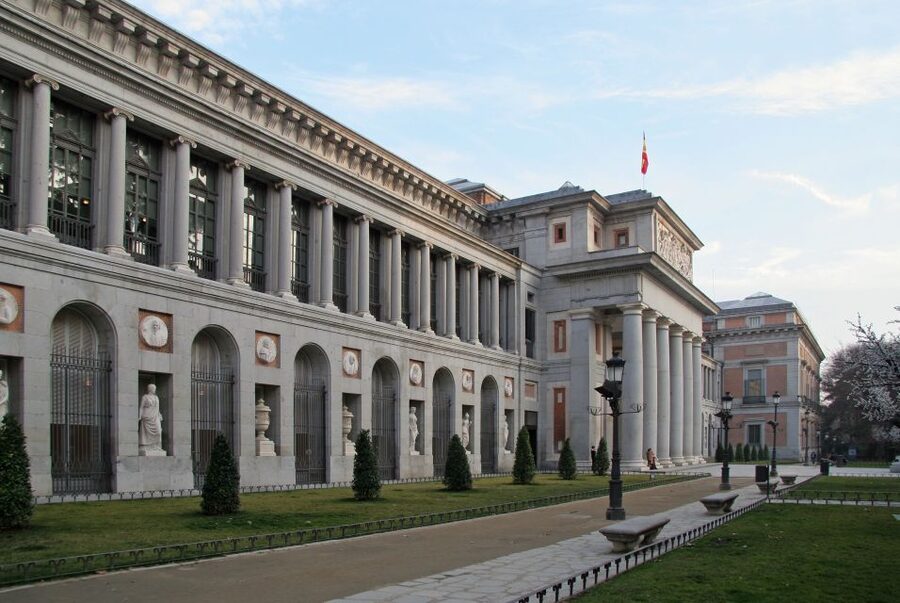
Then the tour moves to Reina Sofía, where the focus is one of the defining works of the 20th century: Picasso’s Guernica.
What’s great here is that Guernica isn’t treated like a famous landmark where you stand, take a photo (you can’t inside), and move on. The guide is there to explain why the painting hits so hard—its place in modern history, and how Picasso’s vision connects to the wider story of his era.
The description also frames the attention around the idea of a milestone related to Picasso’s death (a 50th-anniversary commemoration). In plain terms: you get the “why this painting still matters” speech, not only the “what’s in the painting.”
This is the kind of stop that can transform how you read the art you saw earlier. The Prado gives you masterpieces of earlier centuries; Reina Sofía shows you what art looks like when it becomes an urgent message. If you’ve ever wondered why people call Guernica life-changing, this guided explanation is the fastest way to get there.
Thyssen-Bornemisza add-on: from impressionists to surrealism (and Dalí)
After lunch (which you can add if you want), the plan includes the Thyssen-Bornemisza Museum. The collection is described as nearly 1,000 works, covering roughly the 13th to the 20th century. That wide range matters because it lets you compare styles without bouncing between separate days and locations.
This stop is also where the tour’s surrealism focus can show up. The highlights specifically mention learning unique details of surrealism through Dalí. If surrealism is your interest lane, this add-on can feel like a satisfying payoff after Guernica—because both Picasso and the surrealists push art toward emotion, symbols, and dream logic.
One caution: because the main tour is listed as 1.5 hours, you’ll want to confirm what’s included in your chosen starting time. The description suggests Thyssen is tied to adding lunch, so treat it as an optional expansion rather than something guaranteed inside the shortest format.
Price and value: is $78 a fair deal?
At $78 per person for the guided experience, the value depends on what you’re trying to do with your Madrid time.
Here’s what you’re paying for:
- Prado entry ticket (so you don’t have to buy it separately)
- A live English guide
- Skip-the-line entry
- Small-group size (up to 7), which tends to improve the quality of the guidance
- Radio guides, so you can actually hear the explanations
For a top-tier museum like the Prado, paying for a guide often beats spending that same energy trapped in self-guided indecision. When you’re short on time, a focused route can help you leave with names, stories, and “aha” moments—not just a memory of walking past paintings.
If you love museum wandering and want to choose every painting yourself, you might feel the tour is too focused. But if you want to walk in and get the Prado’s most important works to click quickly, this price is in the zone where you’re buying time and clarity, not just access.
Who this tour is best for
This tour is a good fit if:
- You have limited time and want the most important Prado highlights handled for you
- You like art history context, not just labels on the wall
- You’d rather ask questions and stay oriented than guess your way through galleries
- You care about clarity in English and benefit from radio guidance
It’s not the best fit if:
- You want to spend hours drifting at your own pace through every room
- You need total silence and guaranteed perfect hearing—museums are noisy, and even with radio, conditions can vary
- You’re hoping for unlimited coverage across multiple museums in the shortest time slot
Should you book this Madrid Prado small-group tour?
Yes, if your goal is to leave the Prado with a stronger grasp of what you saw and why it matters, this tour is a smart use of time. The small-group size, skip-the-line entry, and radio guides are the core reasons it works—those are the “comfort upgrades” that make art days less stressful.
If you’re on the fence, use this test: do you want a guided hit of the biggest paintings (plus Guernica), or do you want full freedom to roam? If it’s the guided hit, book. If it’s freedom-first, consider a self-guided visit and save the guided explanation for a different day.
FAQ
How long is the Prado Museum small-group guided tour?
The duration is listed as 1.5 hours. Starting times vary, so check availability for the exact schedule.
How big is the group?
It’s a small group limited to up to 7 participants.
What’s included in the price?
The included items are the Prado Museum entry ticket and a guided tour.
Do I skip the ticket line at the Prado?
Yes. The tour includes skip-the-ticket-line entry.
Is the tour in English, and can I hear the guide clearly?
The tour is English. It also uses radio guides to help you clearly hear the guide’s explanations. In rare cases, the tour may be provided in two languages at once.
Where do I meet the guide?
Meet at the Prado Museum by the Goya Statue, Calle de Felipe IV, s/n, 28014 Madrid. The guide will have a white umbrella.
Does the tour go to other museums besides the Prado?
The plan includes a stop at Reina Sofía focused on Guernica. It also mentions going to Thyssen-Bornemisza after lunch, with lunch described as optional.
Is photography allowed inside the museums?
No. Photography inside the museums is not permitted.
What should I bring or wear?
Wear comfortable shoes. Large items and bags must be left in the cloakroom.
Is it wheelchair accessible, and can I cancel for a refund?
The tour is wheelchair accessible. Free cancellation is available up to 24 hours in advance for a full refund, and you can reserve now and pay later to keep plans flexible.