REVIEW · BARCELONA
Barcelona Card: Museums + Transport for 72h, 96h or 120h
Book on Viator →Operated by Turisme de Barcelona · Bookable on Viator
A card that turns museums into metro stops.
What makes this one click for me is the way museum admissions and city transit are bundled into a single pass you can use at your own pace. You pick a 3-, 4-, or 5-day option, then stack free and discounted entries across Barcelona while getting around without buying ticket after ticket.
The other big win is how practical the freebies feel: you can hit major names like Museu Picasso, MUHBA sites, Joan Miró Foundation, MACBA, and MNAC, plus lots of smaller museums suited to one-hour visits. One consideration, though: you’ll need a physical card picked up at information points, since some venues won’t accept a digital version or screenshots for entry.
In This Review
- Key things to know before you go
- Barcelona Card overview: museums plus unlimited rides
- Price and value: when the $72.89 card makes sense
- Airport rides: starting smart with Terminal 2 access
- Museum strategy: how to use the card without wasting time
- Picasso, MUHBA, and Miró: a great first-day cluster
- Modern art day: MACBA, Tàpies, CCCB, and CaixaForum
- The big art hit: MNAC and what to expect
- Science and nature breaks: CosmoCaixa plus natural history
- Sports, gardens, and outdoor pace: Olympic stops and botanical calm
- Pedralbes: Reial Monestir and a quieter side of the city
- Roman to unusual: MUHBA Via Sepulcral, perfume, Egypt, and more
- Discounts you can use when a major sight isn’t free
- The physical card issue: make sure entry doesn’t stall
- Who this card is for (and who should skip it)
- Should you book the Barcelona Card?
- FAQ
- How many days is the Barcelona Card valid?
- Does the card include public transport in Barcelona?
- What about airport travel, especially from Terminal 2?
- Is museum admission free with the card?
- Which museums are included with free admission?
- Do I get a metro map and guidebook?
- Can I use a digital card in my phone instead of a physical card?
- Are there discounts for big attractions that are not free?
- Can I cancel for a full refund?
- Which languages is the guidebook available in?
Key things to know before you go
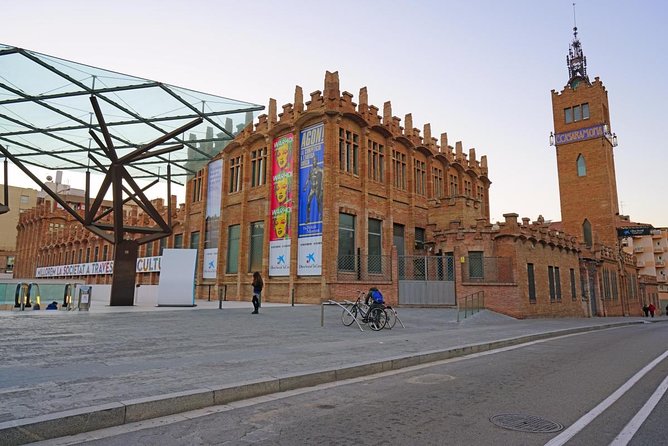
- Unlimited metro and buses make it easy to plan by neighborhood, not by ticket math
- Airport train access from Terminal 2 helps you start your visit fast after landing
- 3, 4, or 5 days lets you match the card to how many museums you truly want
- You get both free and discounted admissions, so check what’s actually free at each stop
- Bring the physical card and expect some venues to scan barcodes the old-school way
Barcelona Card overview: museums plus unlimited rides
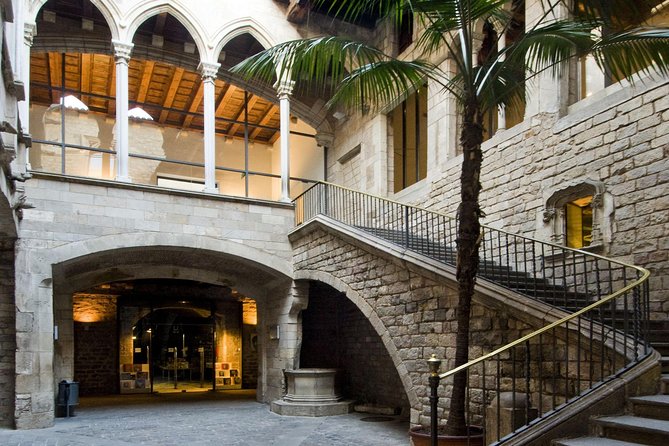
This card is built for a very simple strategy: you do museums when you want, and you ride public transport as much as you want in between. Barcelona is compact enough that the metro and city buses can connect you well, and the card’s unlimited access means you can hop around without doing math every time you change lines.
You also get helpful on-the-ground info, including a metro map and a guidebook for participating attractions. That matters because Barcelona’s museum scene can sprawl across districts, and you don’t want to waste precious time figuring out whether your next stop is near a metro station or a bus line.
On the museum side, the card is generous but not magic. You’ll see free admission at many venues plus discounts at others. The free list is strong for people who like art museums, science stops, and even smaller niche collections.
Finally, the airport piece is a big part of the value. You get free travel on the train from Barcelona Airport Terminal 2 to Barcelona city only, and you’re covered on public transport inside the city (metro, city buses, plus a train service from the city center to the airport).
You can also read our reviews of more museum experiences in Barcelona



Price and value: when the $72.89 card makes sense
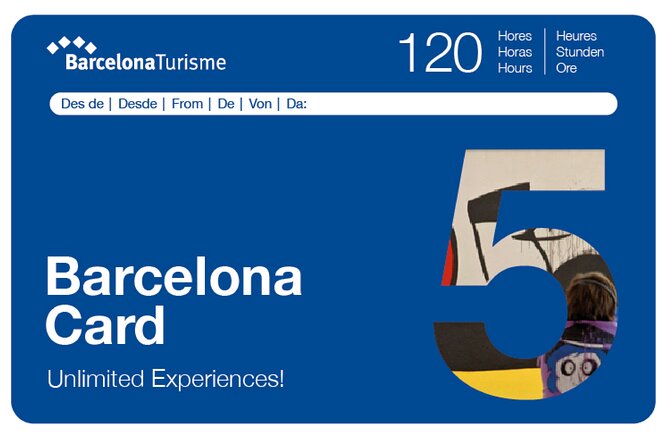
At $72.89 per person, the Barcelona Card isn’t meant for a light weekend with one big-ticket attraction. It’s designed for a “let’s see a lot” pace: multiple museums and frequent metro/bus rides across several days.
Here’s the value equation I’d use:
- If you plan to do several museums per day (or at least one big one plus a second stop), the free admissions start to add up fast.
- If you’re mainly using the metro a few times per day, the transport part becomes the easiest money-saver.
- If your plan is one or two attractions, and the rest is walking and paid day tours, you may not get your money’s worth.
One reality check from the cards-and-museums world: not every important Barcelona sight is free. Some are only discounted, and at least one major landmark (Sagrada Família, for example) is not listed as free or discounted in the information you provided. That means the card works best when you’re open to substituting where you get the most value.
Airport rides: starting smart with Terminal 2 access
Getting value often comes down to day one. This card includes free unlimited public transport across Barcelona, and it also includes train service from Barcelona Airport to the city with a specific detail: the free train ride runs from Terminal 2 to Barcelona city only.
If you land at Terminal 1, you’ll need to move between terminals to use the Terminal 2 train option. The big benefit is that you’re not left scrambling for a separate airport ticket. It also means you can route yourself toward a museum district right away.
One practical note pulled from real-world use: airport pickup hours can matter. A review you shared mentioned the airport pickup closing at 8:30 pm, and someone who arrived at 10:45 pm had to pick up the card at a second location at Plaça Catalunya instead. So if you’re arriving late, plan on an alternate pickup spot.
Museum strategy: how to use the card without wasting time
The card is easiest to enjoy if you plan by time blocks, not by museum titles. Most of the included stops are short-ish visits on the order of about one hour, with a couple that run longer. That’s perfect for building a day that mixes:
- one larger art museum, and
- one smaller or more niche museum nearby.
A simple rhythm that works well in Barcelona is: start around late morning, do one main museum, then add a second stop as a “reward” before dinner. When the weather turns (and it often does in the shoulder seasons), swap in museums you can reach quickly by metro.
Also, keep an eye on timed entry needs. One of the reviews you provided mentioned situations where tickets sold out for the day and that some places have set booking/time slots. Since the card gives access, but not unlimited magic scheduling, you still may need to book certain attractions in advance.
Picasso, MUHBA, and Miró: a great first-day cluster
If you want an art-forward start, this is a strong way to open the trip.
- Museu Picasso (about 1 hour, free admission): Perfect if you like the idea that Picasso wasn’t just one style. Expect a focused visit rather than a full marathon.
- Museu d’Historia de Barcelona (MUHBA) (about 1 hour, free): This gives you city context. It’s a nice balance if you’re also planning to look at modern and contemporary art later.
- MUHBA Via Sepulcral Romana (about 1 hour, free): A different angle on Barcelona’s past, leaning Roman, with the kind of setting that turns a quick visit into a memorable stop.
Then add one of Barcelona’s signature artists:
- Joan Miró Foundation (about 1 hour, free): Miró is one of those artists that feels instantly recognizable, but the foundation context helps you connect the dots faster than just seeing a few pieces and moving on.
Why I like this cluster: it’s a mix of art and place. You’re not bouncing around randomly—you’re building a mental map of Barcelona as you go.





Modern art day: MACBA, Tàpies, CCCB, and CaixaForum
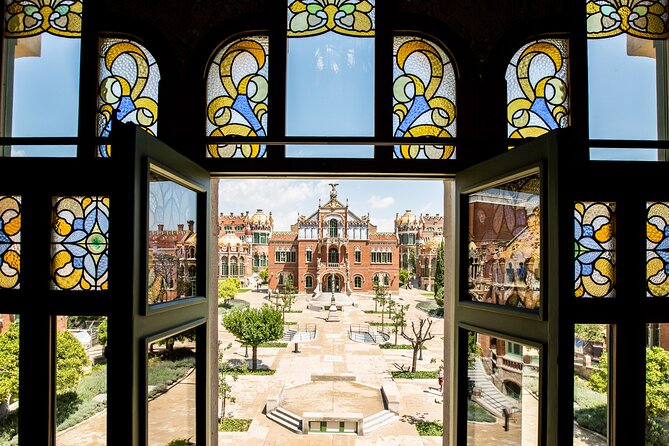
Barcelona’s modern art scene can eat an entire day if you’re not careful. With this card, you can avoid the trap by choosing one anchor and pairing it with related spaces.
- MACBA Museu d’Art Contemporani de Barcelona (about 1–2 hours, free admission): This is your contemporary art anchor. Plan time to actually look, not just walk through.
- Fundació Antoni Tàpies (about 1 hour, free): Tàpies feels more intimate. It’s a good “breather” between larger museum sets.
- Center of Contemporary Culture of Barcelona (CCCB) (about 1 hour, included): This tends to work well if you like contemporary culture in a broader sense than just painting and sculpture.
- CaixaForum (about 1 hour, included): A space that can be worth it even if you skip specialty research. It’s there for exhibitions of different eras, so it fits different moods.
One bonus stop to consider in a similar modern-art lane:
- Moco Museum Barcelona (about 1 hour, free admission): A straightforward contemporary stop. If you want a quick art fix without committing to an all-day schedule, it can be a good fit.
Potential drawback here: if you stack three major contemporary spaces in one day, you may feel “art museum fatigue.” The card lets you do it, but your feet and brain might ask for mercy.
The big art hit: MNAC and what to expect

If you’re going to commit to one big museum day, this is the one.
- Museu Nacional d’Art de Catalunya (MNAC) (about 2 hours, free admission): This is the kind of museum where the scale does some of the work for you. You can zoom in on what you care about, but you’ll also get that grand Barcelona museum feeling without having to buy extra tickets.
How to make MNAC work: don’t try to see everything. Pick a few “must-see” zones based on what you like—medieval art, painting traditions, sculpture—then build the rest of the day around what you still want.
Also remember: the card includes MNAC as free admission, which makes it one of the best value plays. If you’re spending your savings on only one major museum, this is a solid candidate.
Science and nature breaks: CosmoCaixa plus natural history

Not every museum needs to be art-heavy. These stops are great for families too, but they work for adults who just want something different.
- CosmoCaixa Museum of Science (about 1 hour, included): It has permanent exhibitions such as Flooded Forest and the Planetarium. If you’re in Barcelona during a less-than-perfect weather window, science museums are a smart way to keep the day moving.
- Museu de Ciencies Naturals de Barcelona (about 1 hour, included): A nature-and-science option that complements CosmoCaixa nicely. Pairing two science/nature stops in a trip can feel refreshing after art museums.
One minor planning note: science spaces can involve interactive areas and more walking than you expect. If you’re using the metro aggressively all week, these are still doable, just give yourself realistic time.
Sports, gardens, and outdoor pace: Olympic stops and botanical calm
Barcelona has a surprising number of experiences that feel like a break from museums while still being “worth paying attention to.”
- Estadi Olímpic (about 1 hour, included): A great cultural dose of Barcelona’s sporting legacy.
- Museu Olimpic i de l’Esport Joan Antoni Samaranch (about 1 hour, included): The museum side adds context, so the stadium visit isn’t just a photo stop.
- Jardin Botanico de Barcelona (about 1 hour, included): This is where you slow down. It gives your day a softer landing before you head back into heavier indoor museums.
This trio is especially good if you’re planning a 4- or 5-day trip. You’ll want at least one “change of pace” day.
Pedralbes: Reial Monestir and a quieter side of the city
If you want Barcelona away from the crowds, Pedralbes is a good bet, and the card gives you a standout stop.
- Reial Monestir de Santa Maria de Pedralbes (about 1 hour, included): Founded in 1326 by Queen Elisenda of Montcada, it preserves the history of Poor Clare nuns who lived there practically without a break from 1327 to 1982. The exhibitions you’d see are focused on the treasures and customs of the community, and the restored chapel itself is part of what makes it feel special.
Why it’s a great card stop: it’s not just “another museum.” It’s a time capsule in an area that often feels calmer than central tourist corridors.
Roman to unusual: MUHBA Via Sepulcral, perfume, Egypt, and more
This card shines if you like variety. You can build a day that feels like a scavenger hunt for Barcelona’s odd corners, and still have it be educational.
Here are the included stops in this style:
- MUHBA Via Sepulcral Romana (about 1 hour, free): Roman burial-route archaeology vibes.
- Museu Del Perfum (about 1 hour, included): A sensory museum stop. It’s a fun change if your week has been mostly art.
- Museo Egipci de Barcelona (about 1 hour, included): A very different collection, which helps break up museum sameness.
- Museum of Archaeology of Catalonia (about 1 hour, included): If you want artifacts and Catalonia-wide archaeology themes, this is one of the sharper choices.
- Museu de Ceramica (about 1 hour, included): Ceramics let you study design and craft without needing a long attention span.
- Museu de la Musica (about 1 hour, included): A musical angle that can surprise you if you expected only visual arts.
- Museu de la Xocolata (about 1 hour, included): Chocolate museums are rarely subtle, but they’re effective at making a short visit memorable.
There’s a lot here. Don’t try to do all of it in one day. Pick two that match your interests, then let the rest wait.
Discounts you can use when a major sight isn’t free
The card’s headline is free admission to many attractions. But when you run into “not free, but discounted,” you can still save money.
The discounts you listed include:
- Casa Amatller (-20%)
- Casa Batlló (-3 €) and Casa Milà – La Pedrera (-3 €) for a specific adult entrance type
- Casa Vicens (-25%)
- Fundació Vila Casas (Museu Can Framis and Espais Volart) (-25%)
- Cripta Gaudí de la Colònia Güell (-20%)
- Mirador Torre Glòries (-20%)
- Palau de la Música Catalana (-25%)
- Palau Güell (-25%)
- Pavelló Mies van der Rohe (-25%)
- Sant Pau Recinte Modernista (-20%)
- L’Aquàrium de Barcelona (-20%) and Zoo de Barcelona (-20%)
- Telefèric de Montjuïc (-15%)
- plus discounts for Flamenco shows and more
This is where the card can be a money-saver even if you don’t “save big” on every single stop. Still, don’t assume every famous monument is discounted. One of the points from your provided feedback is that some major sights (like Sagrada Família) don’t have a discount with this setup.
The physical card issue: make sure entry doesn’t stall
This is the risk to plan around.
One review you provided was blunt: a digital or Apple Wallet version didn’t work at museum entry. The card was treated as needing a physical Barcelona Card, with staff expecting a readable barcode or scan from a paper/physical card. Another review noted rejection of screen shots when a barcode reader wasn’t available.
Here’s the way to protect yourself:
- Plan to pick up the physical card at an information point.
- Don’t count on a phone wallet or screenshots to work for museum entry.
- If you’re arriving late, have a plan for a second pickup location since airport pickup hours can end before you land.
This may sound fussy, but it’s the difference between a smooth museum day and a frustrating one.
Who this card is for (and who should skip it)
You’ll likely love this card if:
- you plan to see several museums across 3–5 days
- you’re comfortable using the metro and buses as part of your sightseeing
- you want variety: art museums plus science, archaeology, and more niche stops
You might want to rethink it if:
- your plan is mostly one or two headline attractions and lots of walking
- you specifically need major Gaudí sights that aren’t listed as free or discounted here
- you can’t easily handle the physical card pickup requirement
It also helps if you like independence. The card supports a do-it-your-own-way style, and that’s exactly where it shines.
Should you book the Barcelona Card?
If your trip has multiple museum stops and you expect to ride the metro or buses often, this is a good value purchase. The unlimited transport plus free admissions to major art museums like Picasso, MACBA, and MNAC can turn Barcelona into a city you can explore without constantly recalculating costs.
Book it if you enjoy building days around neighborhoods and you’re happy to fill time with a mix of big museums and smaller one-hour experiences like MUHBA sites, the science and nature museums, or the more quirky collections.
I’d hesitate if you’re arriving late and worried about physical pickup, or if your itinerary is locked to only a couple of famous sights that aren’t included free or discounted. In that case, you may be better off buying tickets the traditional way.
FAQ
How many days is the Barcelona Card valid?
You can choose a card valid for 3-, 4-, or 5-days.
Does the card include public transport in Barcelona?
Yes. It includes free unlimited use of Barcelona public transport, including metro and city buses, and it also covers train service from the city center to Barcelona Airport.
What about airport travel, especially from Terminal 2?
The card offers free train travel from Barcelona Airport Terminal 2 to Barcelona city only. If you’re at Terminal 1, you would need to transfer between terminals to use that service.
Is museum admission free with the card?
The card provides free or discounted admission to many attractions. The included venues list shows multiple museums with free admission.
Which museums are included with free admission?
From the information provided, free admission includes major options such as Museu Picasso, Joan Miró Foundation, MACBA, and Museu Nacional d’Art de Catalunya (MNAC), along with several MUHBA sites and other museums.
Do I get a metro map and guidebook?
Yes. You get a free city metro map and a guidebook with information on participating attractions and outlets.
Can I use a digital card in my phone instead of a physical card?
Based on the feedback you shared, some venues require a physical Barcelona Card and may not accept Apple Wallet versions or screenshots for entry.
Are there discounts for big attractions that are not free?
Yes. The card includes discounts for several attractions, including Casa Amatller, Casa Batlló, Casa Milà, Casa Vicens, and others such as Palau Güell and Sant Pau Recinte Modernista.
Can I cancel for a full refund?
Yes. You can cancel up to 24 hours in advance for a full refund.
Which languages is the guidebook available in?
The guide is provided in English, Catalan, Spanish, French, German, and Italian.